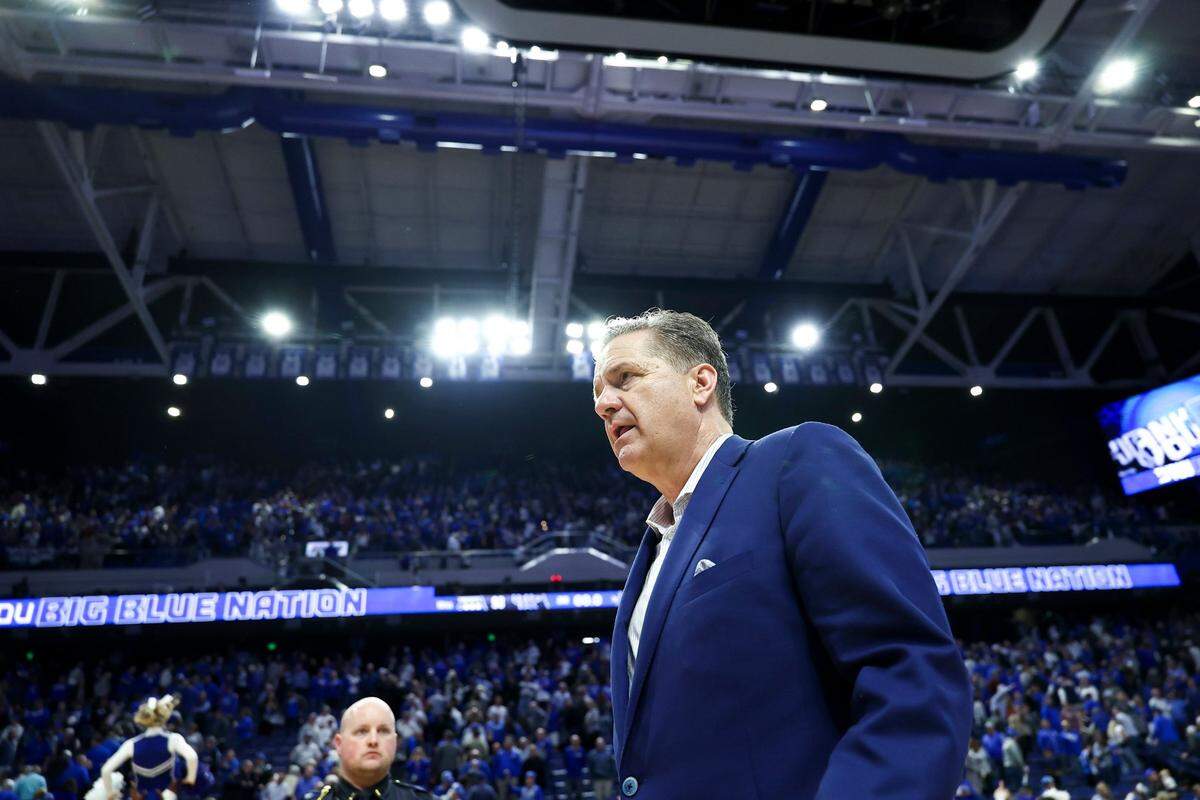
Is Mark Pope’s first-year challenge harder than that faced by past UK coaches?
With Mark Pope days away from his Nov. 4 “real game” debut as Kentucky’s men’s basketball coach, I’ve been thinking about Wildcats coaching transitions — and where Pope’s first season ranks in degree of difficulty in comparison with the six post-Rupp UK head men who preceded him.
There are two main elements that determine how difficult a task any first-year Kentucky coach faces.
One is the public relations “temperature” around the UK hoops program that the new coach encounters.
The second is how much playing talent a first-year Kentucky head man inherits from his predecessor.
Using those parameters, I have ranked, from hardest to easiest, the degree of difficulty each of the past seven Kentucky men’s basketball coaches — including Pope — have faced as they entered their first seasons (for this exercise, I am using a scale of 1 to 5, with 1 representing the least challenging coaching transition and 5 the most difficult):
RICK PITINO (first season 1989-90)
Off-the-court temperature: By the time Pitino gave up the New York Knicks head coaching job to come to Kentucky in 1989, UK had been placed on NCAA probation and given a two-year NCAA Tournament ban for rules violations that occurred during the Eddie Sutton coaching regime.
In the time of Sports Illustrated’s “Kentucky’s Shame” cover, the UK basketball brand was toxic.
On-the-court talent: Pitino inherited a roster of only eight healthy, scholarship players — not one of whom had been a double-figure scorer the prior season nor stood taller than 6-foot-7.
Degree of transition difficulty: 5.
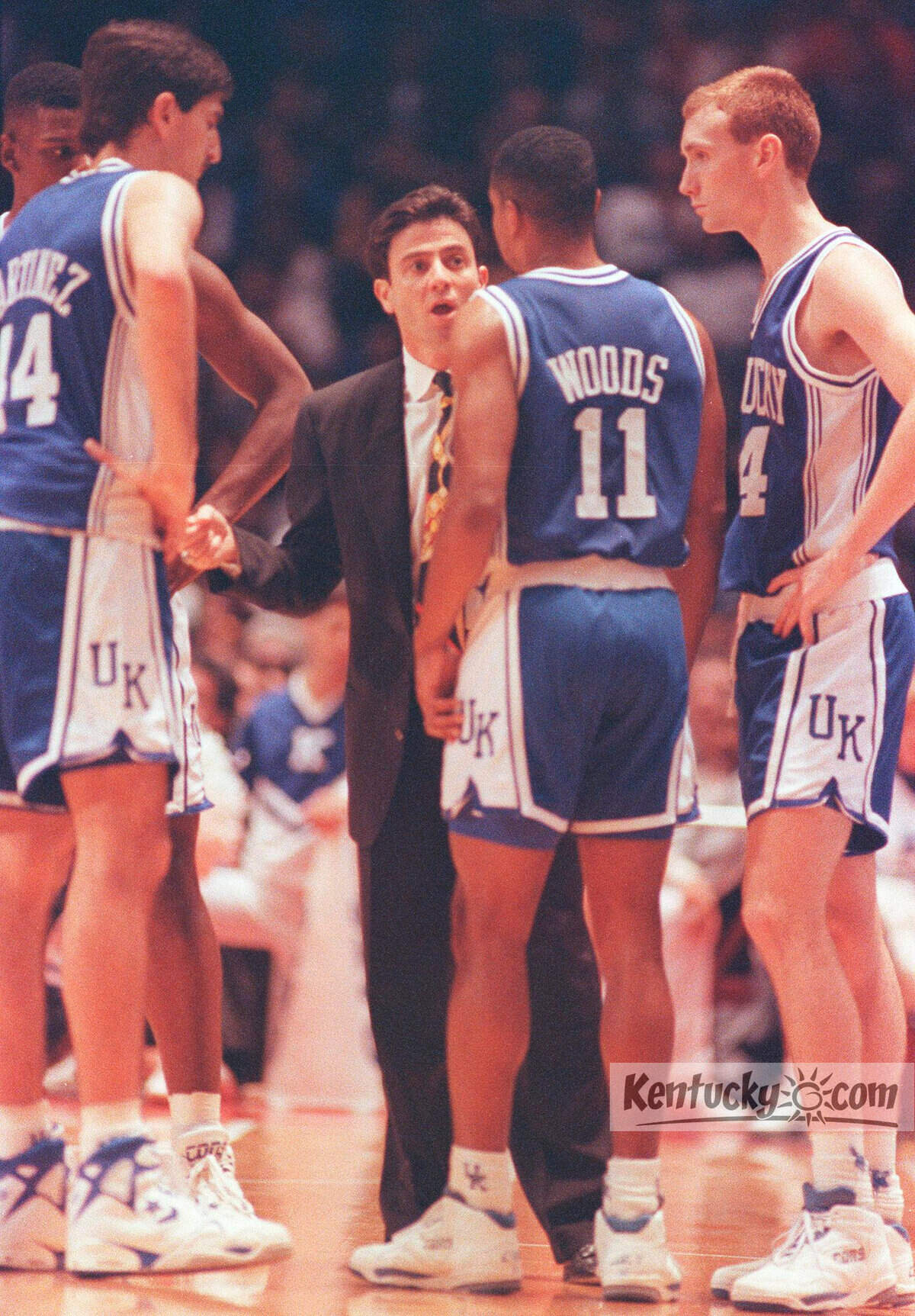
Off-the-court temperature: When the University of Kentucky forced Adolph Rupp into mandatory retirement at age 70 in 1972 after he’d spent 42 seasons as Wildcats coach, Hall’s first challenge was that many Cats backers could not conceive of a different head man on the Wildcats bench.
Rupp did not make things easy for his successor. The ex-coach kept an office in Memorial Coliseum and continued to appear on a weekly television show in Lexington where he critiqued Hall’s games.
On-the-court talent: Was ample. Hall inherited three starters from Rupp’s 1972 SEC championship team, including 6-11 center Jim Andrews (21.5 ppg, 11.3 rpg in 1971-72). In a time of freshman ineligibility, Hall also welcomed a lavishly hyped 1971 recruiting class that included Kevin Grevey, Jimmy Dan Conner and Mike Flynn, among others, to the varsity from the freshman team.
Degree of transition difficulty: 4.75.
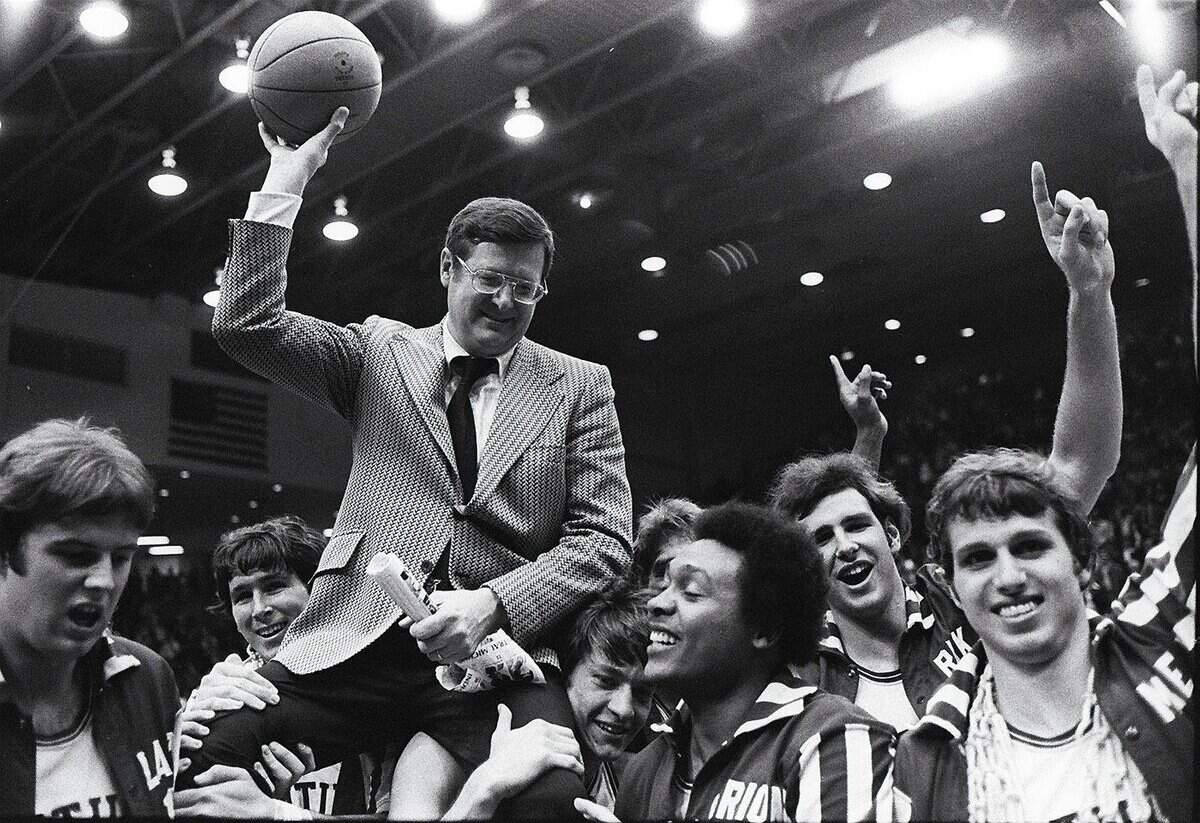
Off-the court temperature: Smith came to Kentucky after Pitino had broken the hearts of UK fans by ending his ultra-successful tenure in Lexington and leaving to coach the Boston Celtics.
So in addition to challenges the new coach faced in being Kentucky’s first Black head man, Smith was trying replace a coach for whom many UK backers were still pining.
On-the-court talent: Smith inherited the “supporting players” from Kentucky teams that had reached back-to-back NCAA title games (winning in 1996, losing in 1997).
As it turned out, the “understudies” were ready to assume starring roles — which Nazr Mohammed, Jeff Sheppard and Co. showed by winning the 1998 NCAA championship for Smith.
Degree of transition difficulty: 4.5.
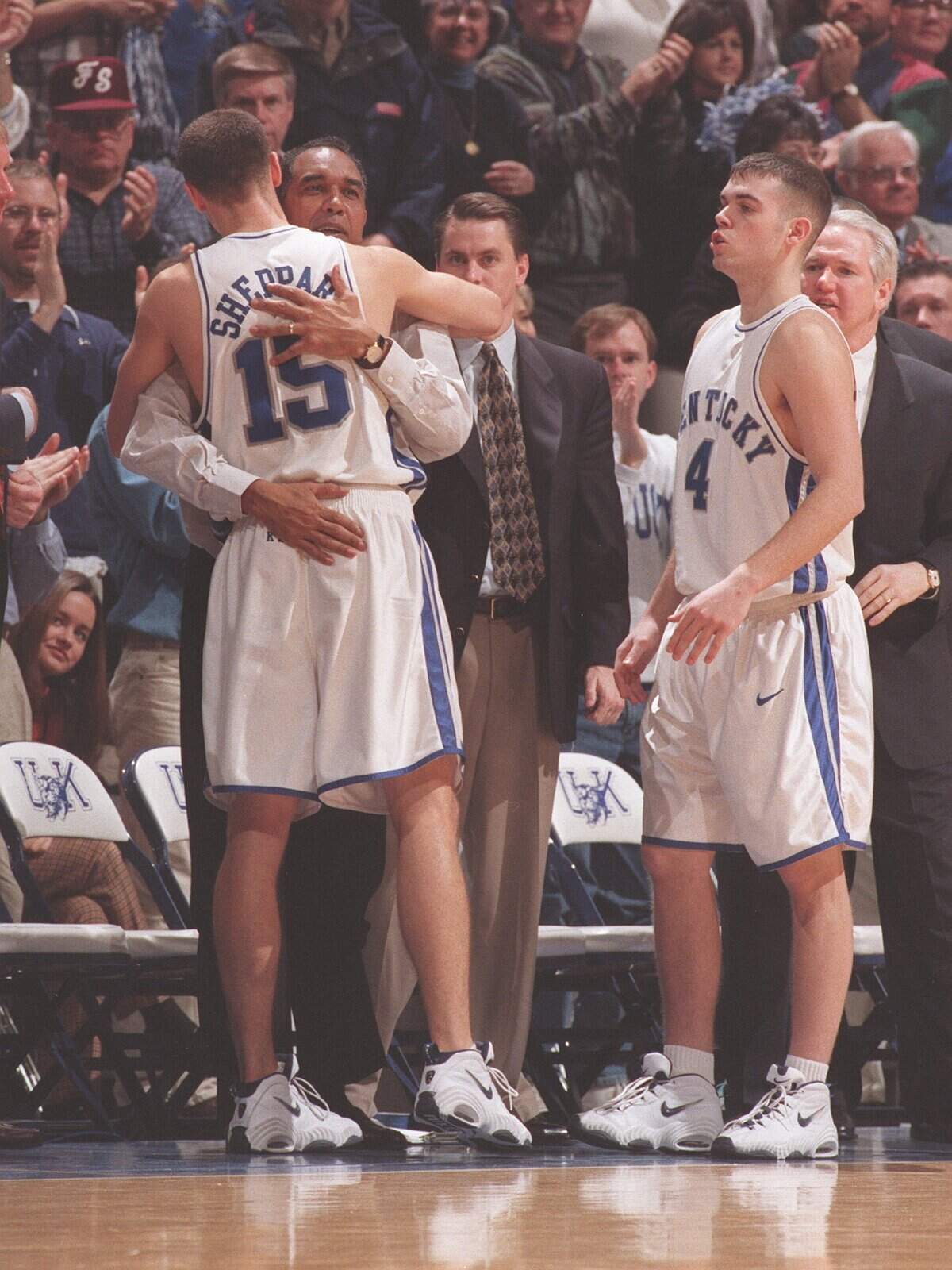
Off-the-court temperature: Before Sutton coached his first game in 1985, a Herald-Leader investigative series was published that revealed alleged NCAA violations within the Kentucky men’s hoops program during the Hall coaching era.
Many UK backers were enraged by the reporting — which went on to win the Pulitzer Prize. The ensuing controversy created a “rally around the flag” dynamic among UK fans that seemed to extend to Sutton.
On-the-court talent: Was good. Off Hall’s final team, Sutton inherited a genuine star, Kenny Walker (22.9 ppg, 10.2 rpg in 1984-85 as a junior) and four other players who would also start on a 32-4 team that won the SEC regular season and tournament titles in the coach’s first year.
Degree of transition difficulty: 3.5.
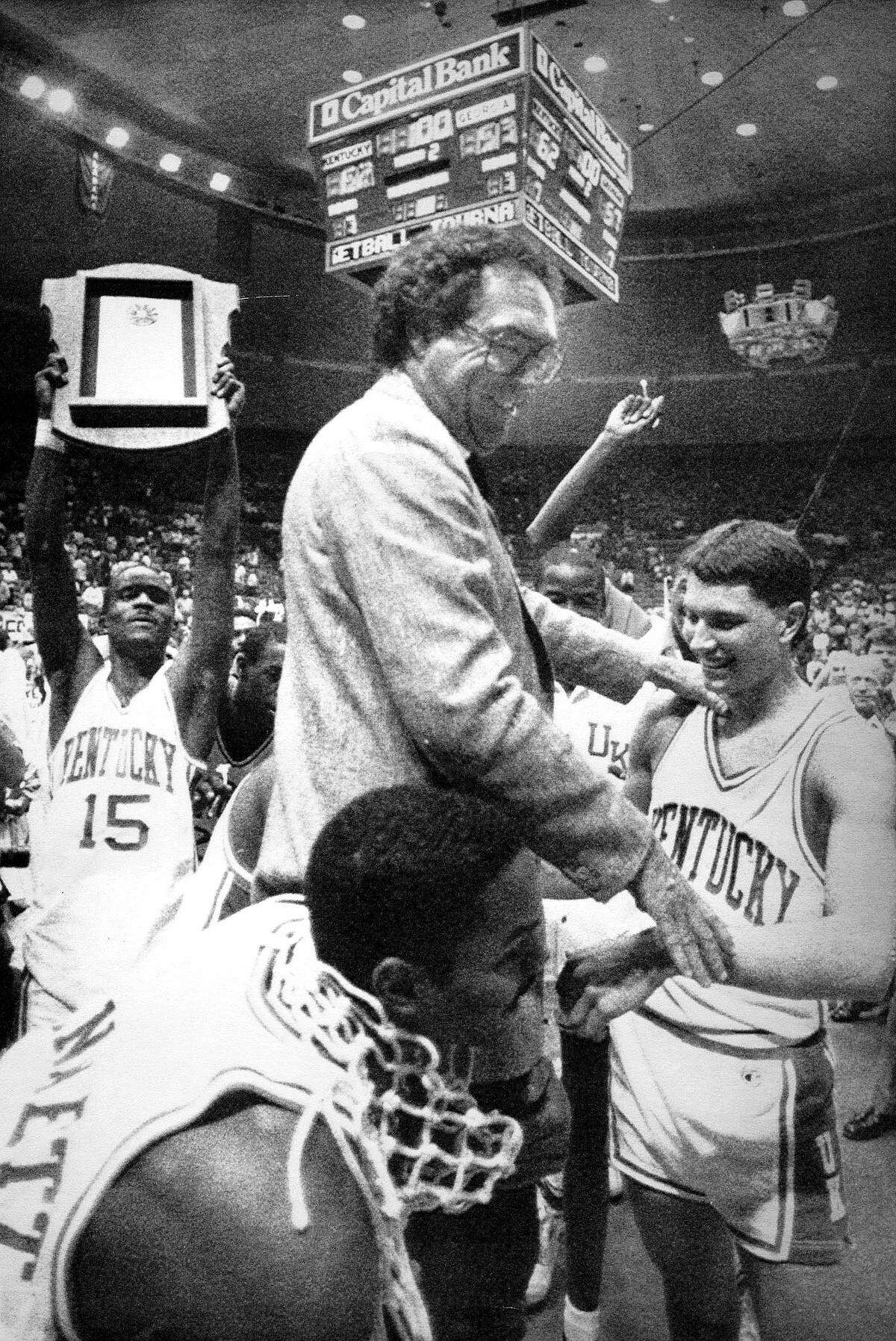
Off-the-court temperature: The Tubby Smith coaching era had gone stale over its final two seasons, and many UK fans were ready for something different.
Having beaten Louisville in the 2007 NCAA Tournament round of 32 in Rupp Arena as part of the hoops revitalization he had led at Texas A&M, Gillispie came to Kentucky with “rising coach” buzz.
On-the-court talent: By Kentucky standards, it wasn’t stellar. Gillispie inherited three talented guards, Ramel Bradley, Joe Crawford and Jodie Meeks, but a roster otherwise filled with role players.
Degree of transition difficulty: 3.
Off-the-court temperature: Is favorable. The last four seasons of the John Calipari coaching era went awry and UK backers are ready for change.
On-the-court talent: Pope inherited exactly zero scholarship players off of Calipari’s final Kentucky roster.
The new coach — and Kentucky — are fortunate that Calipari’s departure came in the era of “free transfers” for players and in what is, essentially, the final school year in which fifth-year players using the “free COVID year” granted by the NCAA to athletes enrolled during the 2020-21 school years were widely available.
Pope used the portal and the pool of super-seniors to build what appears to be a more-than-credible roster for the coming season.
Degree of transition difficulty: 3.
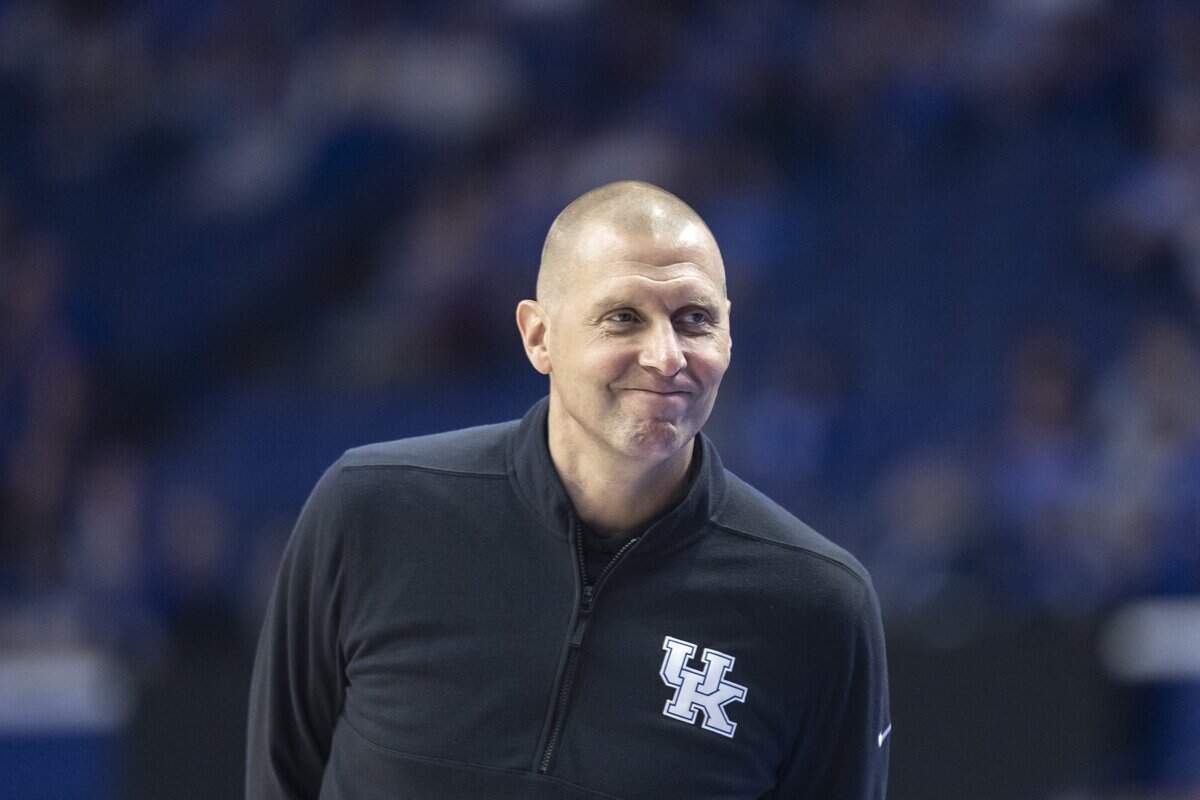
Off-the-court temperature: With Kentucky coming off four straight double-digit loss seasons in 2009, Calipari “bought the stock” UK basketball when its valuation was about as low as is imaginable.
On-the-court talent: Was better than it seemed in real time. Calipari inherited a star-caliber player in forward Patrick Patterson and three others — Josh Harrellson, DeAndre Liggins and Darius Miller — who would go on to be meaningful contributors to Kentucky Final Four runs.
Degree of transition difficulty: 2.5.