Sales slump 8% for Kentucky bourbon Wild Turkey despite new releases
AI-generated summary reviewed by our newsroom.
- Wild Turkey sales fell 8.1% in the U.S. despite recent premium product launches.
- Overall whiskey portfolio underperformed for Campari amid flat global net sales.
- Tariff threats and shifting U.S. demand increased uncertainty for whiskey makers.
In what might be the clearest sign yet that bourbon demand in the U.S. is softening, Davide Campari reported July 31 that sales of Wild Turkey were down more than 8% for the first half of the year.
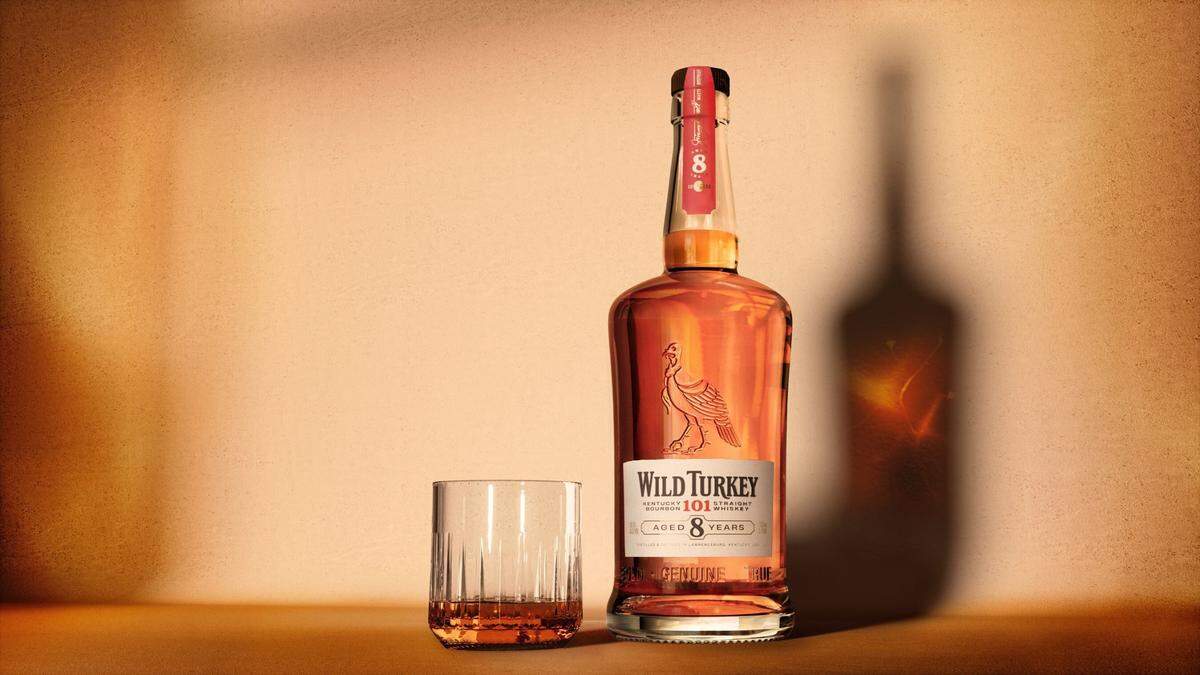
This news comes despite the return to the American market of Wild Turkey 101 8 Year and the release of coveted Russell’s Reserve 13 Year bourbons.
Davide Campari, which owns the Lawrenceburg, Ky., distillery, as well as Wilderness Trail Distillery in Danville, reported net sales overall for the company were flat for the first six months of 2025, with sales for the company’s whiskey portfolio down, even after gains in other parts of the world. The company’s brands include Campari, Aperol, SKYY Vodka, Wild Turkey, Appleton Estate, Grand Marnier, Espolon tequila, Forty Creek Canadian whisky and more.
Campari said adjusted operating profit also fell by 5.6%. But the second quarter showed some improvement, with sales up 3.5% and profits up 2.9%.
Wild Turkey & Russell’s Reserve showed a reduction of 8.1% “due to a soft trend for Wild Turkey in its core United States market,” Campari said. That offset 7.5% gains in the Asia-Pacific market, which includes Australia, South Korea and Japan, where Wild Turkey ready-to-drink products are popular.
While Campari did not comment on Wild Turkey’s slump specifically, the Italian company did say the 2025 macroeconomic environment has become increasingly uncertain.
“Recent indicators point to a moderation in growth prospects, with declining business confidence and rising economic policy uncertainty, exacerbated by escalating trade tensions,” the company said in its six-month earnings report. “The United States’s newly announced tariffs, and the threat of retaliatory measures, add to the volatility. Although some tariffs are temporarily suspended, their potential impact on global trade and growth could be significant. The United States beverage alcohol sector is among those at risk, while the full effects remain complex and unclear.”
This isn’t the first signal American drinking patterns may be undergoing a shift.
In June, Louisville-based Brown-Forman reported net sales fell 5% for the year, with flagship brand Jack Daniel’s Tennessee Whiskey down 6%. The news caused the company’s share price to plummet, erasing a decade of stock growth.
CEO Lawson Whiting said the company expects fiscal 2026 to be challenging because of various unknowns, including the impact of tariffs.
New 15% tariffs on European imports were announced last week, but it is unclear what the European Union’s tariffs on American imports will be.
Brown-Forman is scheduled to report first quarter earnings Thursday, Aug. 28.
This story was originally published August 4, 2025 at 5:00 AM.