Receiver: Uncle Nearest tried to hide $20M from Kentucky lender in shell account

AI-generated summary reviewed by our newsroom.
- Receiver alleges a Weaver-linked business attempted to hide $20M in loans
- Receiver seeks sale of Vineyard house; three other properties face foreclosure auction
- Farm Credit and receiver call company insolvent; Weavers say it's solvent
New documents filed in the troubled Uncle Nearest and Nearest Green receivership indicate that the whiskey company’s troubles are far from over.
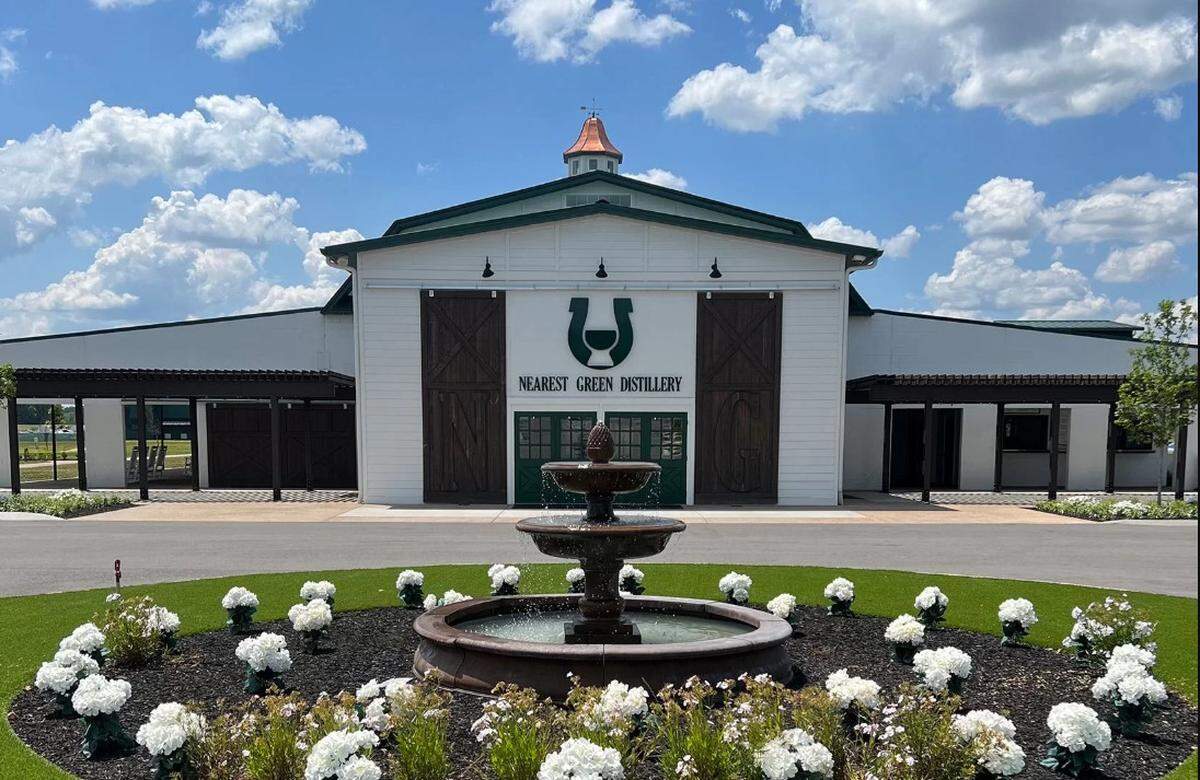
The Tennessee distillery has been in the hands of a court-appointed receiver since last fall after Kentucky lender Farm Credit sued, saying Uncle Nearest had defaulted on more than $100 million in debt.
Founder Fawn Weaver and her husband, Keith, are arguing that it should be handed back to them, while the receiver is asking the court to expand the scope and include at least seven Weaver-controlled businesses.

In advance of a ruling expected next month, both sides filed supplemental briefs to the court that had been ordered after a seven-hour hearing earlier this month in Knoxville.
But receiver Phillip Young indicated in a filing late Thursday that one of the Weaver-controlled businesses, Grant Sidney, was actually used in an attempt to hide assets from Farm Credit, including $20 million in loans that Fawn Weaver had arranged.
Young said the records of nearly 500 transfers of money between Uncle Nearest and the various company accounts indicate substantial commingling of funds, and that they were all being run as one business and should be treated as such under the receivership.
Young also said that despite U.S. District Judge Charles E. Atchley Jr. ordering the Weavers to turn over all bank records, they apparently had not. Young told the court that earlier this week two new bank accounts had surfaced.
The receiver also has filed an emergency motion to sell off a key Uncle Nearest asset: a house that the Weavers bought with Farm Credit money on Martha’s Vineyard. The filing said there have been multiple full-asking-price offers for the house, which does not produce revenue for the company and is costly to maintain.
The judge has ordered briefs to be filed next month on the potential Martha’s Vineyard sale.
Meanwhile, the receiver noted, three other properties that are owned by the Weaver-controlled businesses are due to be auctioned on the courthouse steps after a separate bank foreclosure. One includes a warehouse that apparently is used by the distillery to store inventory.
Young and Farm Credit have said that Uncle Nearest is insolvent and owes upward of $220 million. Young also said that Uncle Nearest has not filed tax returns since 2018, leaving open the prospect of additional liability.
However, in briefs filed Friday, the Weavers fired back, continuing to say that the company is solvent and the receiver “has yet find evidence constituting fraud by current management,” and blaming the receiver for Uncle Nearest’s decline in retail sales. They also filed briefs stating that each of the Weaver-controlled businesses are separate from Uncle Nearest and should not be consumed by the receivership.
However, Farm Credit disputed the Weavers’ narrative.
In its own brief, the Kentucky lender said that “the need for the receivership has been shown to be even greater. The evidence clearly demonstrates that Fawn Weaver and the prior management team have an egregious inability to effectively manage Uncle Nearest and navigate it out of its distressed situation. Under the Weavers’ management, Uncle Nearest (a) failed to file tax returns for at least five years; (b) incurred an outsized amount of debt (even apart from FCMA’s debt) with no viable path to repayment; (c) sold future revenues at a discount; (d) operated at a cash flow deficit; (e) operated without financial controls; and (f) failed to keep reliable financial records.”

The bank pointed to Fawn Weaver’s Feb. 9 testimony that she had moved the cash collateral from Uncle Nearest to a Grant Sidney account that she alone controlled “to make sure that $20 million coming in could not be snatched by (Farm Credit.)”
The bank’s filing also included new debts that have come due, including from WhistlePig for more than $5 million and from Advanced Spirits for more than $45 million.
This story was originally published February 27, 2026 at 6:03 PM.