Owner of bankrupt Lexington Blue: ‘I don’t know how to install roofs’
AI-generated summary reviewed by our newsroom.
- Brad Pagel testified he does not know how to install roofs yet led Lexington Blue.
- Lexington Blue collapsed; bankruptcy converted to Chapter 7 and a federal trustee.
- Homeowners claim lost deposits; Kentucky attorney general sued the Pagels and associates.
Brad Pagel, CEO and owner of failed roofing company Lexington Blue, said under oath Monday he does not know how to put a roof on a house.
The admission came during a creditors’ meeting in federal bankruptcy court, under questioning from one of the many homeowners who said Pagel’s company took thousands in deposits but failed to complete roof work.
Lexington Blue went out of business abruptly in April, leaving hundreds of homeowners in Kentucky owed roofing work. The company filed for Chapter 11 bankruptcy in June, but the reorganization never got off the ground and has been converted to a Chapter 7 liquidation case. The company declared it owed at least $3.2 million to former customers and employees.
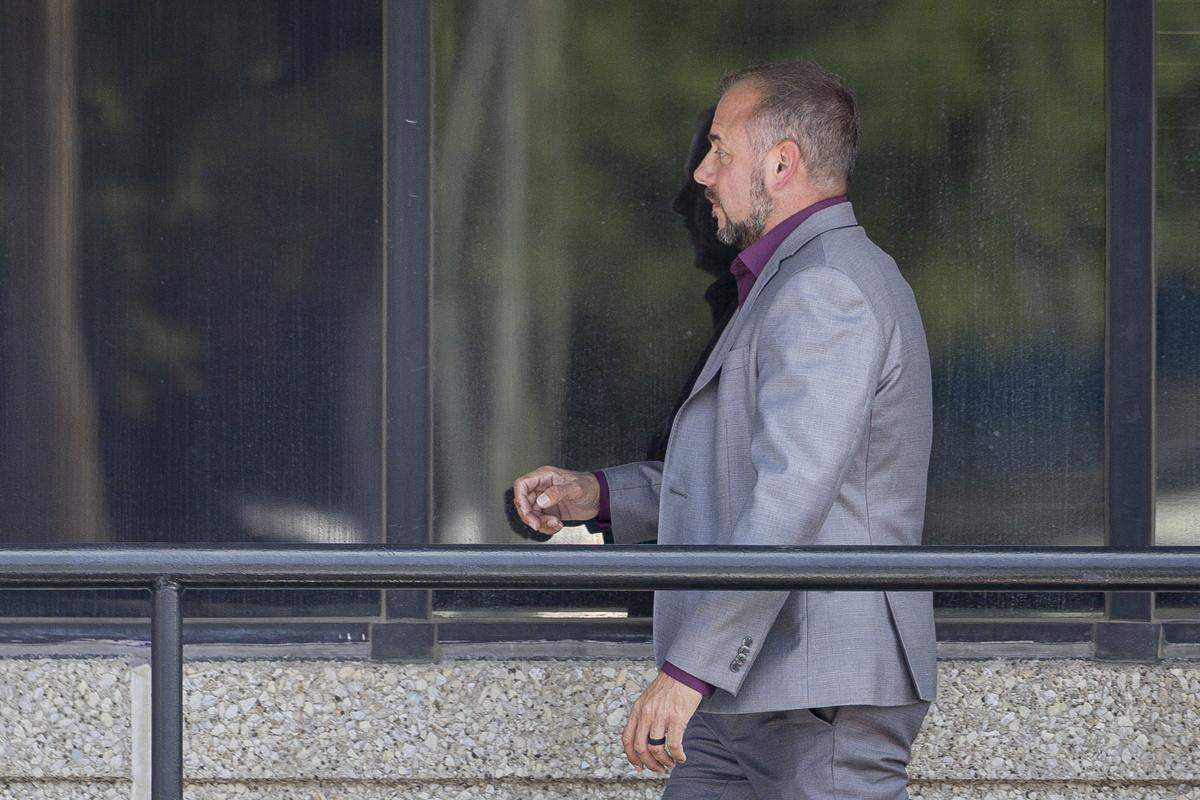
Toward the end of Monday’s meeting, homeowner Judah Noe of Lexington asked Pagel, who was represented by his attorney, Adrienne Southworth, if he doesn’t “feel some responsibility to people like me who paid $18,000, still with a leaking roof?”
She suggested that if Pagel really cared about the wronged homeowners, as he claimed, that he could come fix her roof himself: “Why don’t you, personally, bring your hammers and nails, and I will buy the roofing material.”
Pagel demurred, saying, “I don’t know how to install roofs.”
The comment came after nearly four hours of testimony under questioning by Lori A. Schlarman, the trustee who has taken over Lexington Blue’s bankruptcy.
As the trustee and her lawyer grilled Pagel on his business, he swung between claiming pride in building “the largest roofing company in the state of Kentucky” and ignorance of its financial control and record-keeping.
Pagel was the sole owner, operator and beneficiary of the business, which he said had been successful for a decade. That success, he said, justified a $26,000 average monthly payment to Pagel and his wife, Courtney, despite minimal time spent working on the company, as well as what he described as CEO “perks” of car payments, retirement benefits and company-paid child care.
Pagel said he maintained a hands-off approach to the business over the past few years, even as evidence of financial distress mounted: A lien had been placed on Pagel’s home after he took out a high-interest loan from a creditor of last resort.
The lien and the loan were paid off earlier this year when Pagel sold his Beaumont area home for $906,000.
Under questioning, Pagel said he could not verify any company records, produce balance sheets or say when he last looked at correct financial statements. He said he relied upon general manager Alex Southwell and finance director Nick Conway to keep him in the loop via quarterly check-ins.
“So your review of financials was just a vibe check with staff? Is that what I’m hearing?” asked Michael B. Baker, attorney for trustee Schlarman.
“Yeah,” Pagel responded.
In a separate court case, Kentucky Attorney General Russell Coleman is suing Lexington Blue, Brad and Courtney Pagel, as well as Southwell, Conway and former office manager Brooke Durbin under the state’s Consumer Protection statutes. Records of texts between Pagel, Conway and Southwell that have been introduced in the Fayette Circuit Court case indicate Pagel was in constant contact with his employees on multiple aspects of the business, including its finances.
In October, Fayette Circuit Judge Dianne Minnifield ordered that the bank accounts for the Pagels and all their businesses, as well as the other defendants, remain frozen indefinitely.
“Whether the frozen funds were derived from unlawful trade practices taken or knowingly allowed by either of the Pagels remains a disputed fact, and they are entitled to a full consideration of the defense they seem prepared to mount. But the Court is satisfied with the attorney general’s demonstration that, at this point in the proceedings, he has reason to believe that they did take, or at least knowingly allow, such actions, with resultant financial benefit,” Minnifield wrote.
Several of the victims of those unlawful trade practices, including homeowner Noe, confronted Pagel in court Monday and demanded answers to where their money is, which Pagel claimed not to know.
“If you took money from me and didn’t do your job, what does that make you look like? Like you run a Ponzi scheme? ... In many cases people have paid all they have out of their savings accounts to you, and they don’t have any recourse to get a roof,” she told Pagel.

Pagel responded that the business “collapsed under its own weight. My heart does go out to you. It’s hard to have a lot of demonstrable empathy because of the pressure that I’m under the sort this out. ... I don’t believe I’m legally liable for an accidental business failure.”
Homeowner Renee Henke told Pagel the other former Lexington Blue clients have little sympathy for the Pagels’ financial situation: “Please stop telling us how poor you are. You took our money. We’re the ones who had to sell assets to cover a roof twice.
“We’d appreciate it if you would have answers, and stop saying I don’t know. Please come with answers, quit wasting our time.”