What does potential Brown-Forman, Pernod Ricard merger mean for Kentucky, spirits?
AI-generated summary reviewed by our newsroom.
- Brown-Forman and Pernod in talks about a business combination akin to merger
- Contemplated combination could create a global spirits leader with scale
- Analysts estimate up to $450M savings, which could lead to significant layoffs
Brown-Forman, the Louisville-based whiskey giant, confirmed late Thursday that it is in talks with competitor Pernod Ricard for a potential “business combination.”
What that means exactly isn’t clear. It does sound like an adjustment in ownership could be coming for one of Kentucky’s premier companies, a family-owned legacy institution that has a part of the philanthropic and business bedrock for decades. Kentucky Educational Television, for instance, is sponsored by Brown-Forman. As is the Kentucky Derby at Churchill Downs.
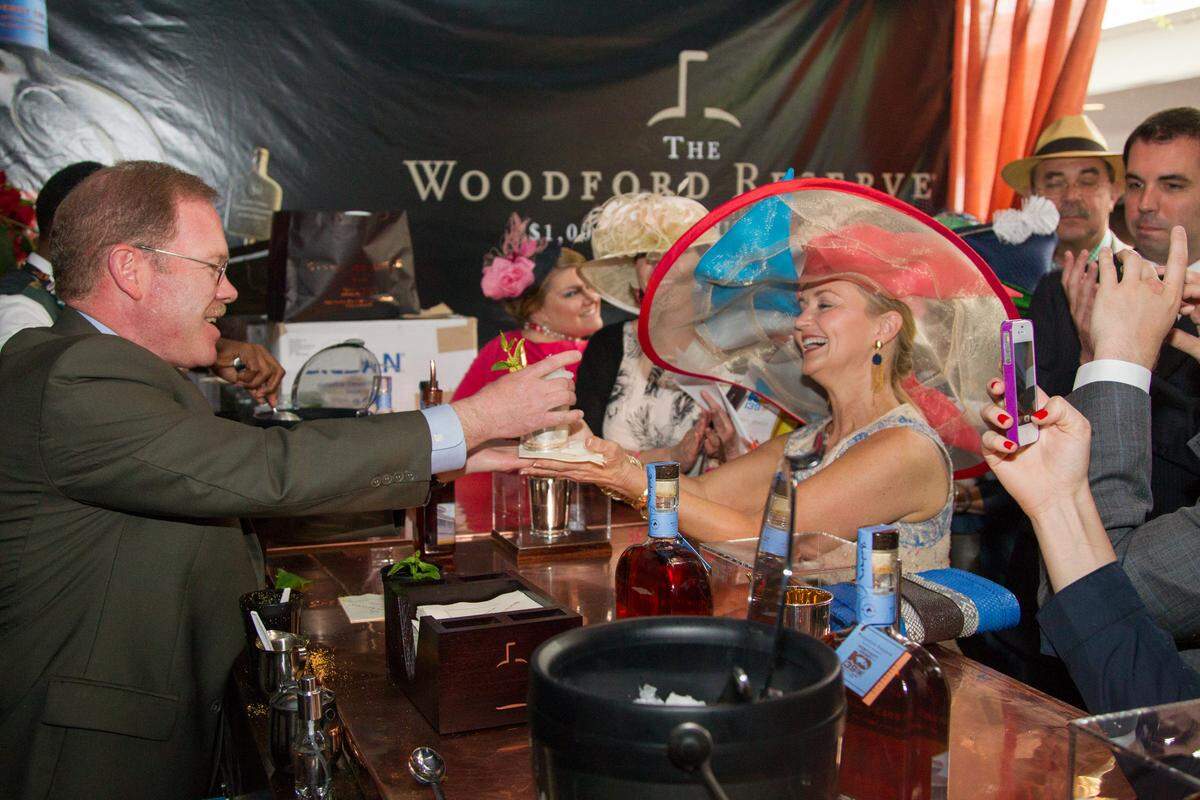
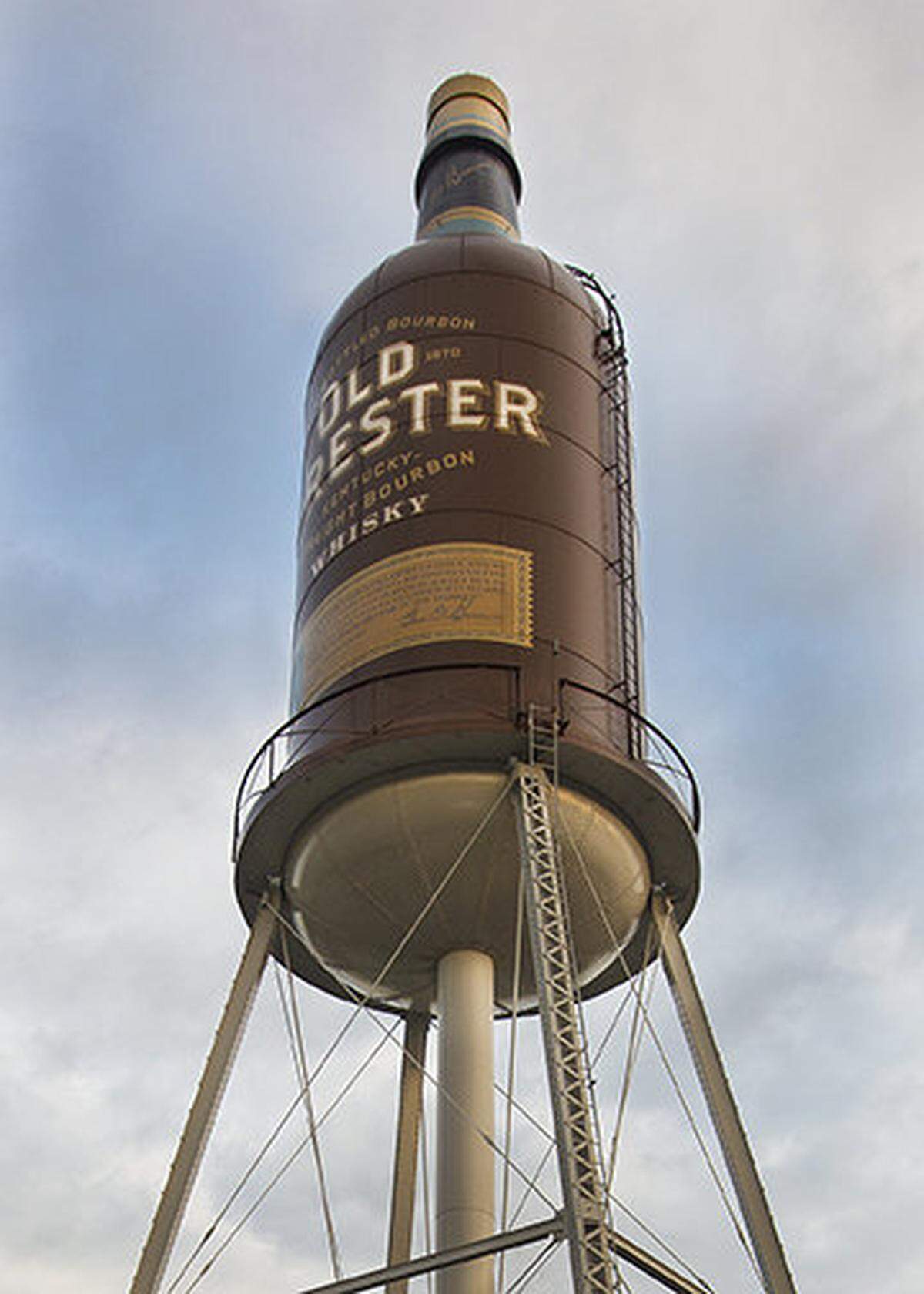
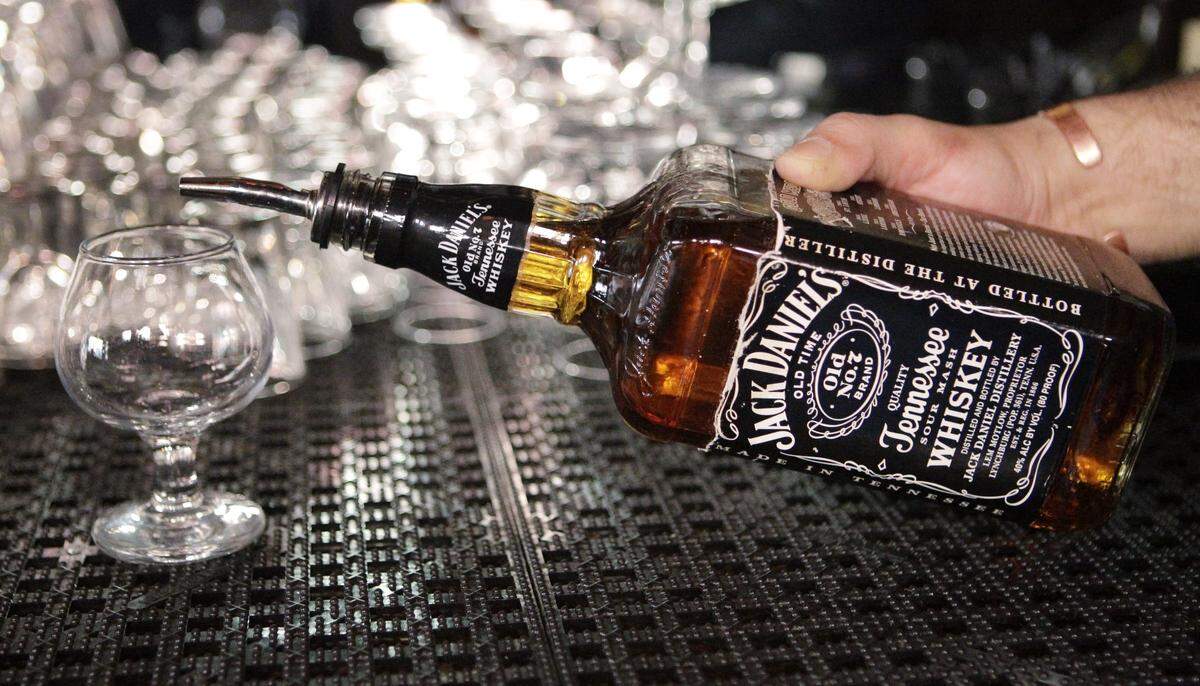
In its statement, Brown-Forman — the parent of Jack Daniel’s Tennessee Whiskey, Woodford Reserve, Old Forester, Herradura tequila, Diplimatico rum and more — said they are in discussions with Pernod Ricard about a potential partnership that “would be akin to a merger of equals, drawing from the talent and expertise of both companies, and creating value for shareholders.”
In France, Pernod Ricard, — parent of Chivas Regal Scotch, Jameson Irish whiskey, Beefeater gin, Absolut vodka, Perriet-Jouet champagne and 200 other brands — issued a very similar statement Thursday, saying, “The contemplated combination would create a global spirits leader with enhanced scale, a powerful brand portfolio, and a balanced geographic footprint, all anchored by two iconic families.”
Both cautioned that the deal might not come together but said if it does the “synergies” could be “significant.”
What Wall Street, investors think of the possible merger
Both companies are dealing with slumping alcohol sales, a crisis in consumer confidence and global economic uncertainties from President Donald Trump’s trade war (and now real war with Iran.)
The stock market seemed to like the idea of a merger: When the news broke on Thursday, Brown-Forman shares spiked more than 20%. They subsided to about 10% gains for the day, but picked up steam again on Friday. Shares of Pernod Ricard were initially down about 5% but bounced back somewhat on Friday, indicating that investors were warming up to the idea.
Likewise, some stock market analysts see a lot of potential.
“We see significant merit in a merger between the Kentucky Gentlemen and the French,” wrote Jefferies analyst Edward Mundy. “The industry is going through a lull and a merger would provide savings for reinvestment to kick start growth and drive greater scale.”
He estimated annual cost savings of as much as $450 million.
Those cost cuts are likely to involve significant layoffs somewhere. As a commenter put it on a Reddit board, “Welp, Louisville is cooked if this happens. All those executive roles go bye bye.”
Shifting spirits industry
Both sides bring to the table something the other lacks: Brown-Forman has the top-selling American whiskey in the world, as well as a strong premium bourbon portfolio, something Pernod Ricard has specifically mentioned wanting. Pernod is bigger (market value of $17 billion, compared to Brown-Forman’s $12 billion), has a global distribution network and stronger ties to India, China and emerging markets, according to stock analysts. Pernod’s portfolio is more diversified in categories and geography.
But the key to whether a deal will happen may lie in something both companies have in common: Family ownership. While both companies are publicly traded, they remain strong ties to their founding families.
Some analysts estimated that over 100 Brown family members, including spouses, control at least two-thirds of the voting rights of the company. There are four Brown family members on the current board of 11.
The Ricard family also remains deeply involved, with Alexandre Ricard, grandson of the founder of predecessor company Societe Ricard, who has been CEO for 11 years. According to Reuters, the Ricard family controls 21% of the voting rights, but there are no other family members on the board and no clear family successor.
Key to the deal: the Brown family
The Brown family has resisted previous takeover attempts, including rejecting a 2017 approach from Constellation Brands, putting out a statement that said, “As a matter of corporate policy, Brown-Forman does not comment on market rumors or speculation. However, it is important to reiterate that Brown-Forman is not for sale. For nearly 150 years, the Company and the Brown family have been committed to preserving Brown-Forman as a thriving, family controlled, independent company. That commitment is unchanged, and our goal is to continue creating value for all shareholders for generations to come.”
And as recently as 2025, Brown-Forman’s proxy included this language, “We believe that it is in the interests of all stockholders that we remain independent and family-controlled, and we believe the Brown family stockholders share these interests.”
Contrast that with Thursday’s confirmation, which included this decidedly less chilly comment: “Synergies from the contemplated combination are expected to be significant, creating a global spirits leader with enhanced scale, a powerful brand portfolio, and a balanced geographic footprint, all anchored by two iconic families.”
That’s practically corporate flirting.
But it may be a long way from consummating a deal. J.P. Morgan analysts said one concern is whether Pernod, which is already heavily leveraged, could afford to pay a premium to win over any reluctant Browns. (But they may be less reluctant now that the company’s shares have fallen significantly in recently years.)
Then there’s the possibility of another suitor: More than one stock analyst raised the prospect of top global spirits company Diageo attempting to bid for Brown-Forman’s hand, which could increase its advantage over Pernod.
Either way, the spirits’ industry should know something soon. According to Reuters on Friday, “talks are advanced.”