
Lexington’s Gratz Park has been a central green space for more than a century
Editor’s Note: As Lexington celebrates the 250th anniversary of its founding, the Herald-Leader and kentucky.com each day throughout 2025 will share interesting facts about our hometown. Compiled by Liz Carey, all are notable moments in the city’s history — some funny, some sad, others heartbreaking or celebratory, and some just downright strange.
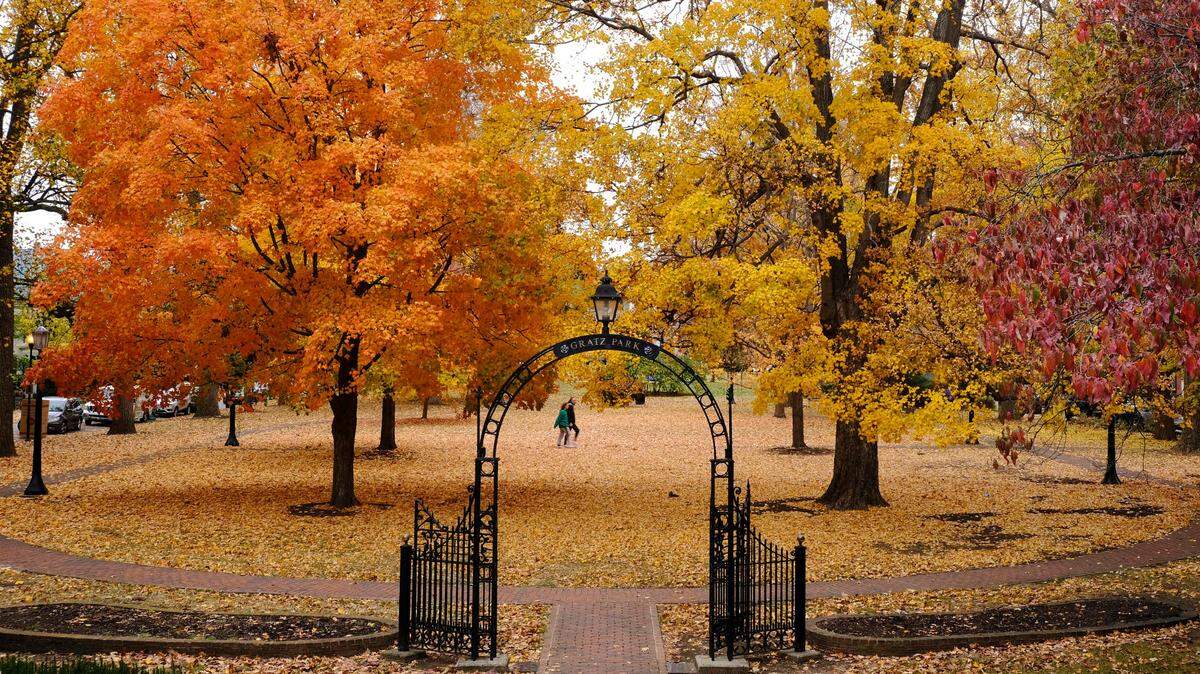
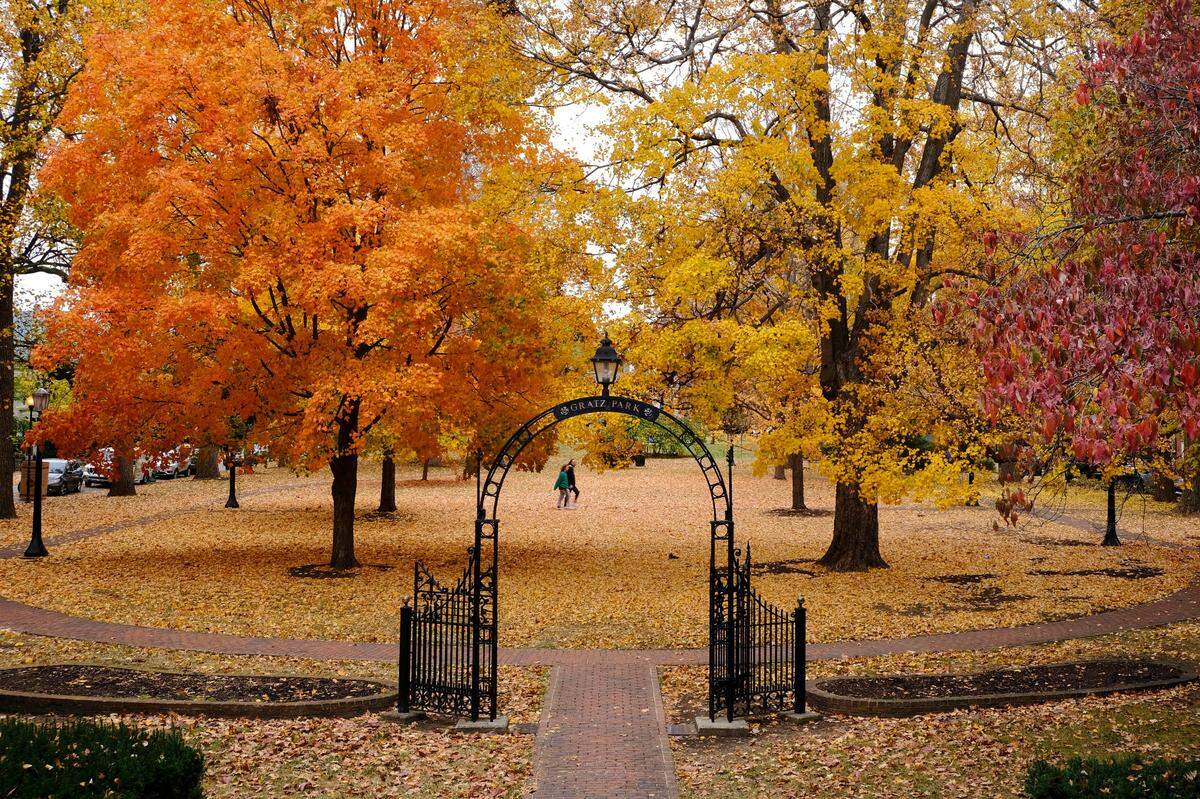
For nearly 150 years, Gratz Park has provided Lexington with a spot of green in the midst of an urban landscape.
In 1876, Gratz Park was dedicated as a green space for Lexington, after one of the city’s prominent families spent decades bringing attention to the area.
The land, “Outlot #6,” was added as a part of Lexington in 1781 by the Virginia Assembly, before Kentucky became a state.
By 1793, it had become part of Transylvania Seminary, and in 1816, a large three-story structure was built on its northern end to serve as the main building for the school. When that building was destroyed by a fire in 1829, the Transylvania campus moved across Third Street to its current location.
One building within the park remains from the original campus, often referred to as “The Kitchen.” But as the school grew, private residences were built around the area.
In 1824, local businessman Benjamin Gratz bought the home on the corner of Mill and New streets. A trustee of Transylvania, a member of the city council, a founder of the city’s first library and a founder of the Lexington Ohio Railway, Gratz moved his family there.
As the city changed around them, the Gratz family stayed in the home. Even as the lot was used as a parade ground for Union and Confederate troops, the Gratz family remained in the home, even as the surrounding area fell into disrepair.
In 1875, Howard Gratz, Benjamin Gratz’s son and the publisher of the Kentucky Gazette, decided to improve the green space by selling subscriptions to the plot to fund improvements. A wrought iron fence was placed around the perimeter with double gates at the corners, and ornate arches over them.
The improvements were finished in 1876, and the park was dedicated on Sept. 4 as Centennial Park. The name was later changed to Benjamin Gratz Park.
For a quarter of a century, the park was the center of the community with horse shows, band concerts, public meetings and militia drills, among other activities. Howard Gratz continued to care for the property, even though it was owned by Transylvania University, until the turn of the century. He planted many of the park’s tulip poplars after a storm damaged older trees.
When Andrew Carnegie offered to build a library in Lexington, city leaders decided the southern end of Gratz Park was the best location. After paying the university for the land, they took Carnegie up on his offer of $60,000 to build the library there.
However, Anderson Gratz, Benjamin Gratz’s grandson, opposed the idea and offered to buy land anywhere else in the city for the library to go instead. When he was rebuffed, he vowed to preserve the northern end of the park.
When the Transylvania Board of Trustees decided to subdivide the park into home plots in 1915, Anderson Gratz offered the university $21,000 for the northern portion of the park, provided the city paid $10,000 to the college as well.
By 1917, the city agreed to the plan, and accepted Anderson Gratz’s donation of the land with his restriction that the land of Gratz Park could never have buildings placed within the green space.
And so, it has remained for more than a century.
It was the first local historic district in Lexington and in Kentucky, and was listed on the National Register of Historic Places in 1979. The park today is maintained by the Lexington Fayette Urban County Government Division of Parks and Recreation.
Have a question or story idea related to Lexington’s 250-year history? Let us know at 250LexKy@gmail.com.