
John Wilkes Booth once performed in Lexington. Did he hide here after killing Lincoln?
Editor’s Note: As Lexington celebrates the 250th anniversary of its founding, the Herald-Leader and kentucky.com each day throughout 2025 will share interesting facts about our hometown. Compiled by Liz Carey, all are notable moments in the city’s history — some funny, some sad, others heartbreaking or celebratory, and some just downright strange.
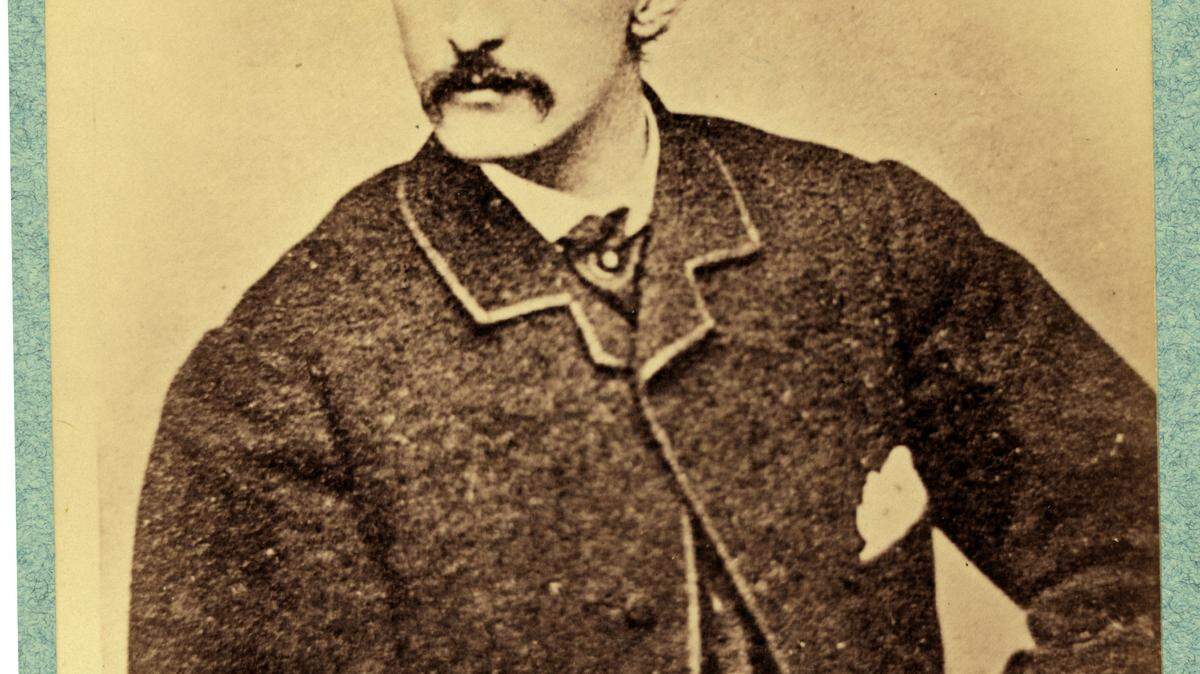
Years before he assassinated President Abraham Lincoln, John Wilkes Booth performed on stage in Lexington.
Newspaper accounts from 1862 show that Booth was a renowned actor throughout the country. One of the cities he performed in was Lexington.
But there were also unsubstantiated rumors that after Booth killed Lincoln and went on the run, he hid out in Lexington.
Booth was born in 1838 in Maryland to an acting family. His father, Junius Brutus Booth, was a famous actor, as was his brother, Edwin. His sister Asia was a writer and poet.
He vowed to become a great actor so as not to bring shame on his family.
By 1855, he’d made his stage debut, but not with much success. He was acting in Philadelphia and making about $8 a week. It wasn’t until he moved to Richmond, Virginia, in 1858 that he found fame. Audiences loved his energetic performances and his good looks. Some even dubbed him the “most handsome man in America.”
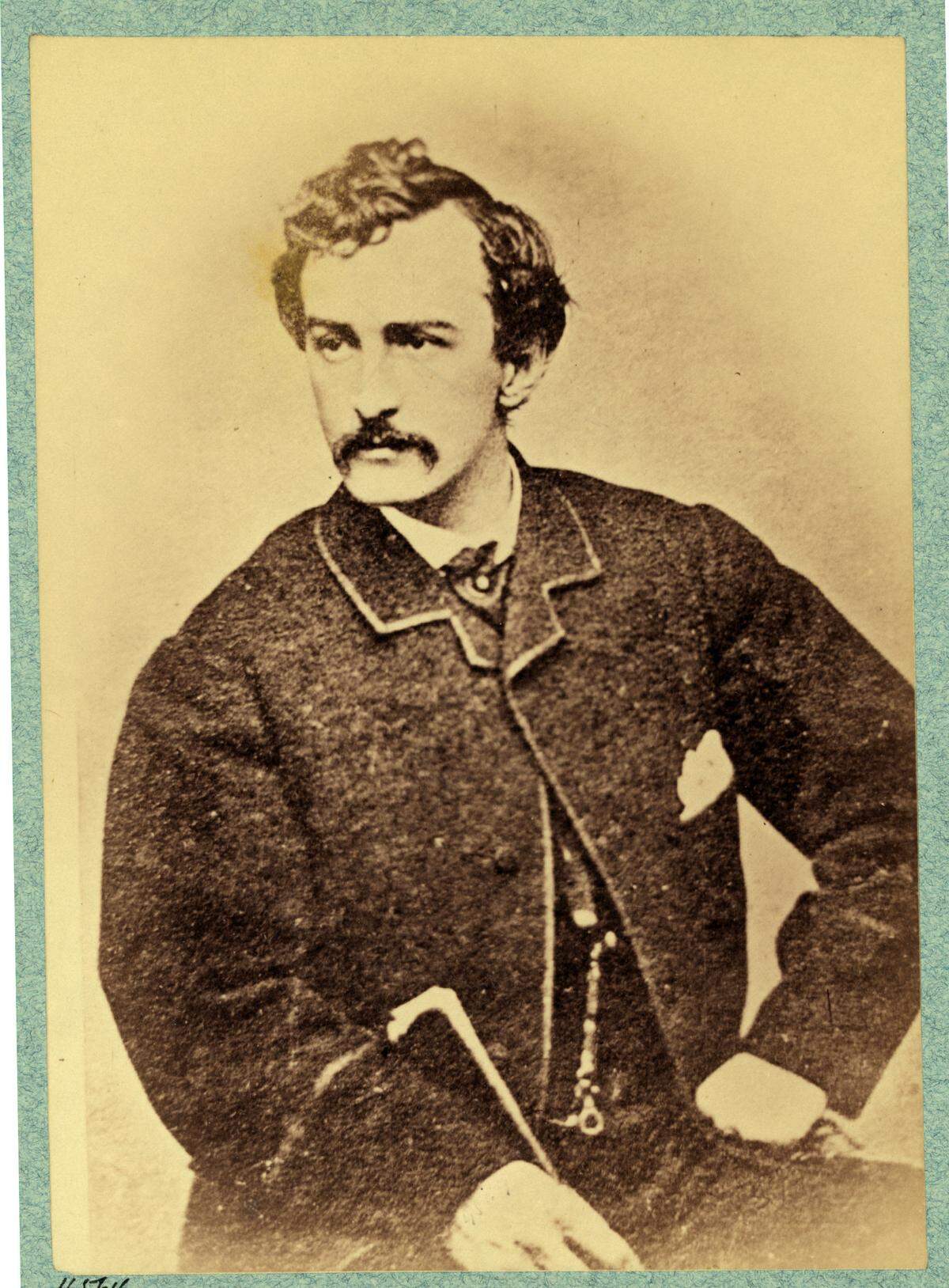
There, he became known for playing villains, including the Shakespearean character Brutus. It’s also where he became a loyal supporter of the Confederacy.
Like many actors, Booth traveled the country on tour. His sister Asia wrote in her biography that his touring allowed him to be a spy and a blockade runner for the Confederacy.
On Oct. 23 and 24, 1862, Booth appeared at the original opera house on Main and Broadway, Oddfellows Hall. He was referred to in news reports as “the greatest tragedian of the age,” and a fabulous performer, according to “Tales from the Kentucky Room,” the Lexington Public Library’s podcast.
Not much is known about his time here, though it’s likely he stayed at the Phoenix Hotel, a popular spot for actors who came to town.
Three years later, on April 14, 1865, Booth would slip into Lincoln’s private balcony at Ford’s Theater in Washington, D.C., and fatally shoot him. Booth jumped out of the balcony and onto the stage, where he yelled “Sic Semper Tyrannis” — Latin for “Thus always to tyrants” — and injured his leg.
Once he had fled from the theater, Booth rode through Southern Maryland, into areas sympathetic to the Confederate, and into rural Virginia. A doctor named Samuel Mudd treated Booth’s injured leg, and Booth drove on to a farm where he was able to hide out until federal forces found and killed him.
However, there’s another connection between Booth and Lexington — a conspiracy theory.
Some theorize that Booth was not killed, but escaped and lived for many years after. Members of his family maintained that he did not die. One theory is that he fled to Texas and lived under the name of John St. Helen, and that he eventually died in 1903 in Enid, Oklahoma, under the alias David E. George.
According to an article in the Lexington Leader in June 1903, a Col. Edmund Levan claimed that for more than six weeks in 1868 (six years after Lincoln’s assassination), he had lived with Booth in a boarding house in Lexington.
Levan said he told Booth he knew he killed Lincoln, but the two became close friends. At the time, Levan said, Booth was going by the name of J. J. Marr and practicing law in the city.
The Lexington Leader said at the time it could not find any record of J.J. Marr or Levan in Lexington in 1868, and the story wasn’t taken seriously, but that anyone who remembered either man could contact the paper to “add to the interest to the occasion.”
Have a question or story idea related to Lexington’s 250-year history? Let us know at 250LexKy@gmail.com.