African Cemetery No. 2: A treasure trove of Black history for Lexington and Kentucky
READ MORE
Rightful Glory
Expand All
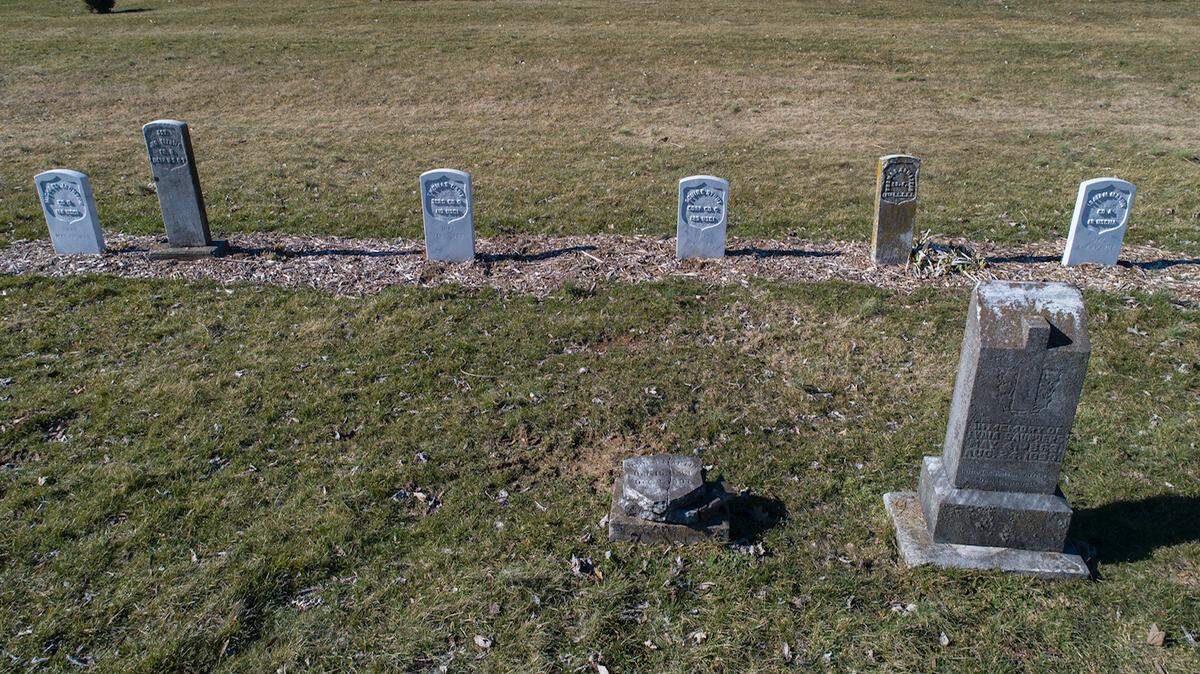
When Lexington’s Benevolent Society decided to open a cemetery way back in 1869, it was deep in the country outside of Lexington’s city limits. The society — formed by free Blacks to bury the dead and take care of the poor — maintained the cemetery for decades, until benevolent societies went out of favor. As Lexington developed around it, the eight-acre cemetery slowly fell into disrepair, overgrown with trees and weeds, with broken and missing headstones.
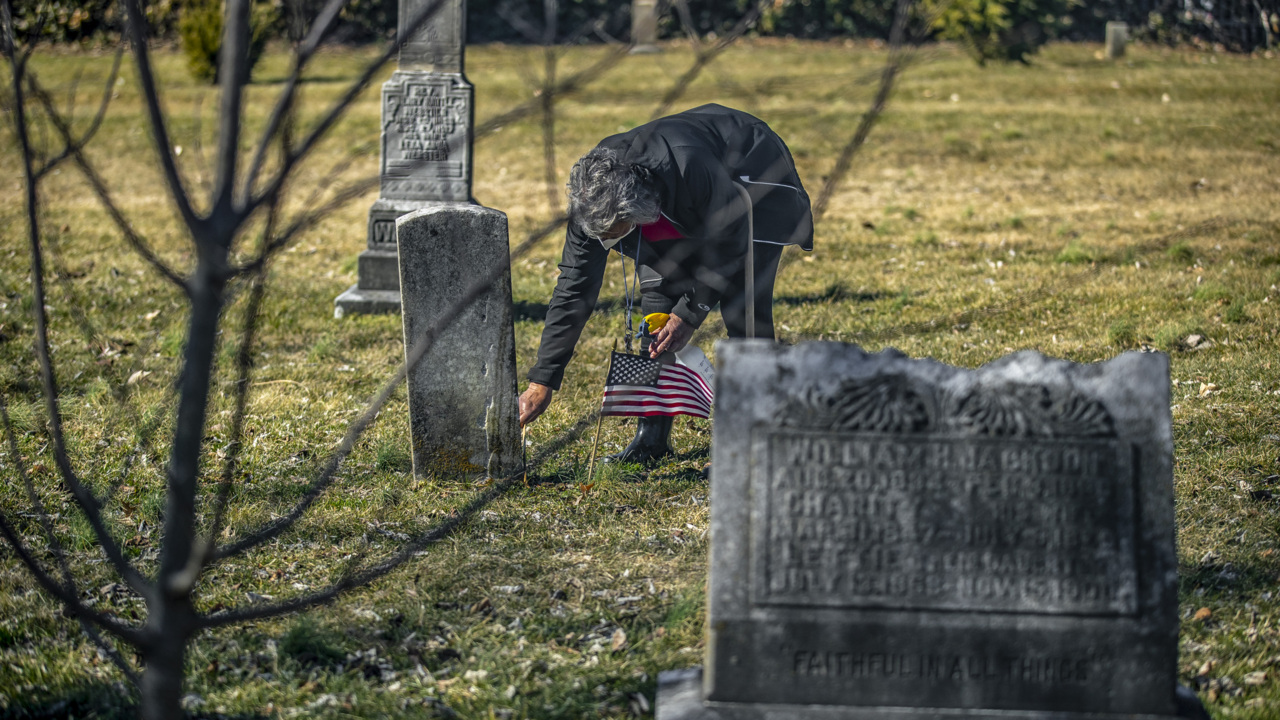
In the 1990s, several Lexington residents started to cut down weeds, and discovered the wealth of history buried there. Today, the African Cemetery No. 2 is a non-profit dedicated to keeping the graveyard in good physical shape so it can highlight the important Black history within.
As researchers Anne Butler and Yvonne Giles first discovered, the cemetery holds the remains of some of the most famous Black horsemen in history, those who dominated the early years. But as research continues, more and more is being discovered about other sectors of society represented there. As board president Mark Coyne noted, it’s one of the only cemeteries being showcased by the occupations of those buried there.
The late Anne Butler, a Kentucky State University professor and early volunteer, “started us on the whole idea of recognizing particular groups of individuals and people who were unique to this location,” Coyne said.
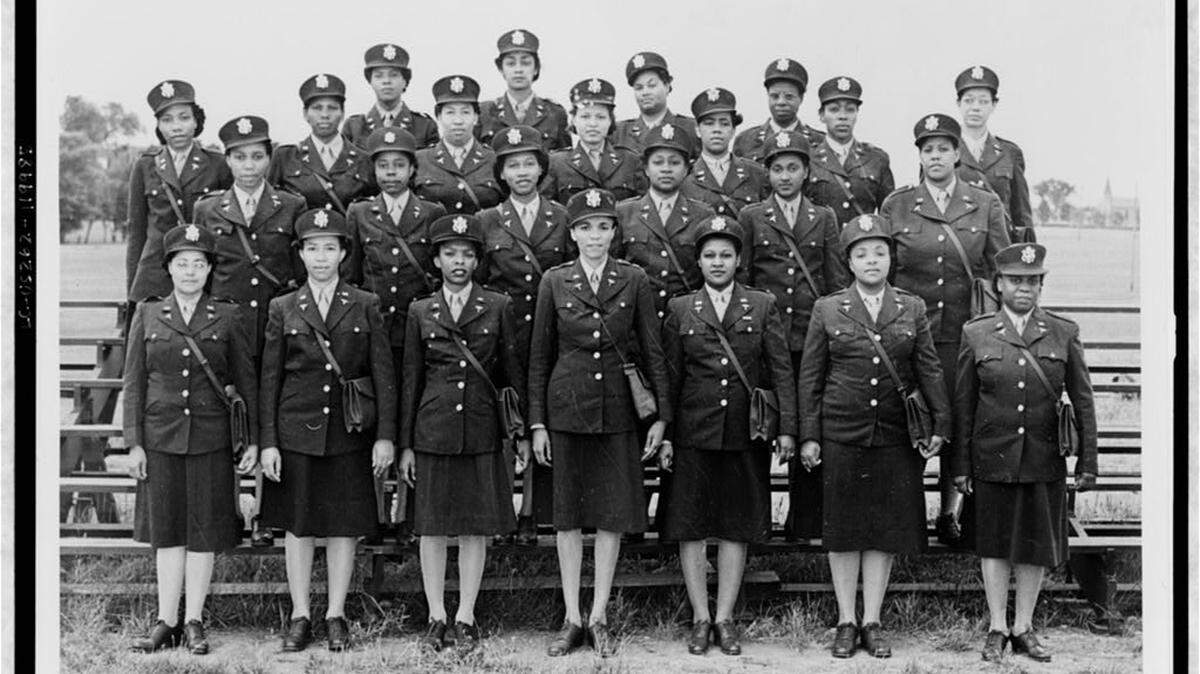
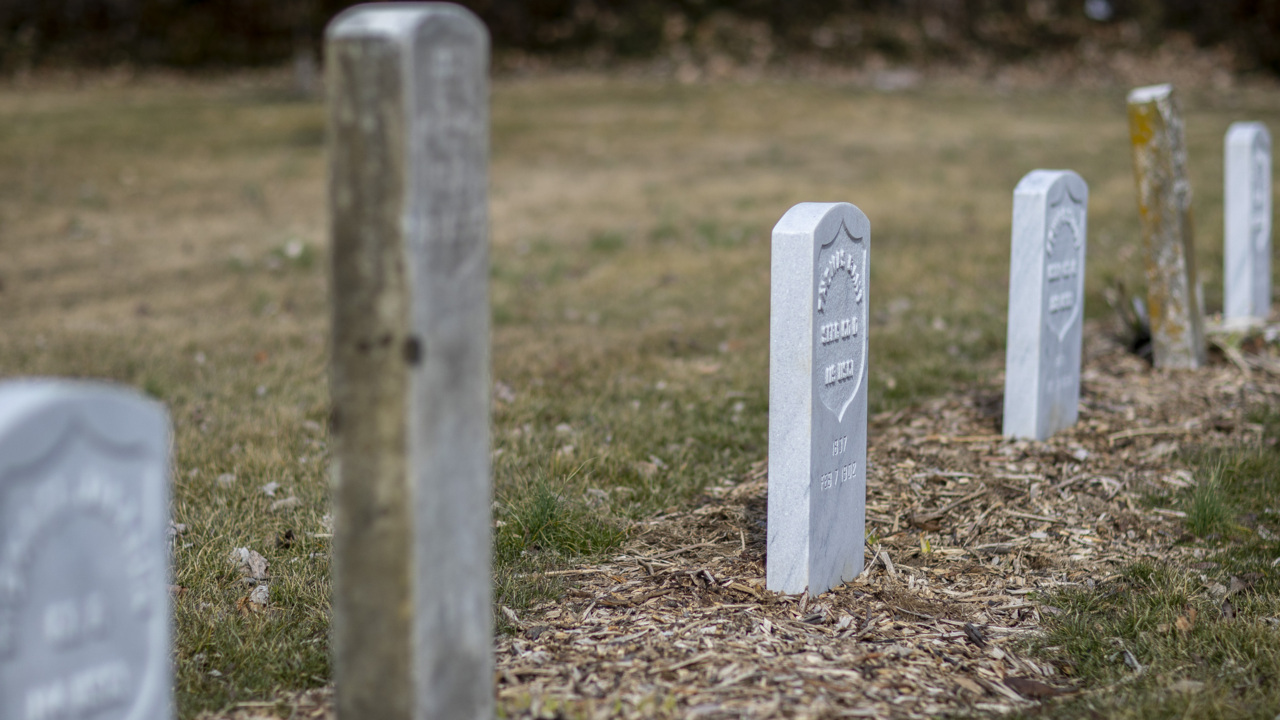
Local historian Yvonne Giles has continued the work with military veterans. Next, she says, she will focus on the women buried there.
Some of the most famous people buried there include:
▪ Isaac Burns Murphy: winner of three Kentucky Derbies, two of them back to back, and first African American inducted into the National Museum of Racing and Hall of Fame in 1955. His 44% winning percentage is still unbroken, according to the Notable Kentucky African Americans database at the University of Kentucky.
▪ Oliver Lewis: the jockey who won the inaugural Kentucky Derby in 1875. Other horsemen buried there include Abraham Perry, the trainer of Joe Cotton, winner of the Kentucky, Tennessee, Coney Island and five other derby races in 1885 and James “Soup” Perkins, who tied a record as being the youngest jockey to win the Kentucky Derby in 1895.
▪ Robert Charles O’Hara Benjamin: Journalist, author, lawyer civil rights activist. In 1900 Benjamin was shot in the back and killed in Lexington’s Irishtown precinct by a white Democratic precinct worker because Benjamin objected to Black voters being harassed while attempting to register to vote. The shooter, Michael Moynahan claimed self-defense and his case was dismissed.
▪ George Prosser: He joined the 54th Massachusetts Infantry Division, featured in the film “Glory,” and fought in the battle of Fort Wagner in South Carolina. He was missing in action, but survived to become an African Methodist minister, which eventually led him to Lexington.
▪ Nathan Caulder: At 18, Caulder joined the Army and was later part of Troop K of the 9th Cavalry, deployed to protect federal employees who were removing illegal fencing in Wyoming and other Western states. He served in the Phillipines, and later in France during World War I. Although he returned to the U.S., later in the war he returned to France as a volunteer, where he died of disease. In 1920, his remains were buried at African Cemetery No. 2.
This story was originally published February 27, 2022 at 5:00 AM with the headline "African Cemetery No. 2: A treasure trove of Black history for Lexington and Kentucky."