See details of 3 proposals for Lexington’s new city hall — and how 1 rose to the top
.png "See the details of the three proposals the Lexington-Fayette County government considered for its new city hall building, approved in December.")
AI-generated summary reviewed by our newsroom.
- City will lease and remodel Truist building, cost $152 million.
- Alternate proposals included new construction but raised costs, utility risks.
- Deal includes 278-space garage, $30M cash & city ownership after 35 years
Editor’s note: This story has been updated to reflect 2024 city hall proposals after the city of Lexington initially provided the Herald-Leader with older versions of the RFPs. A 2023 rendering has also been removed.
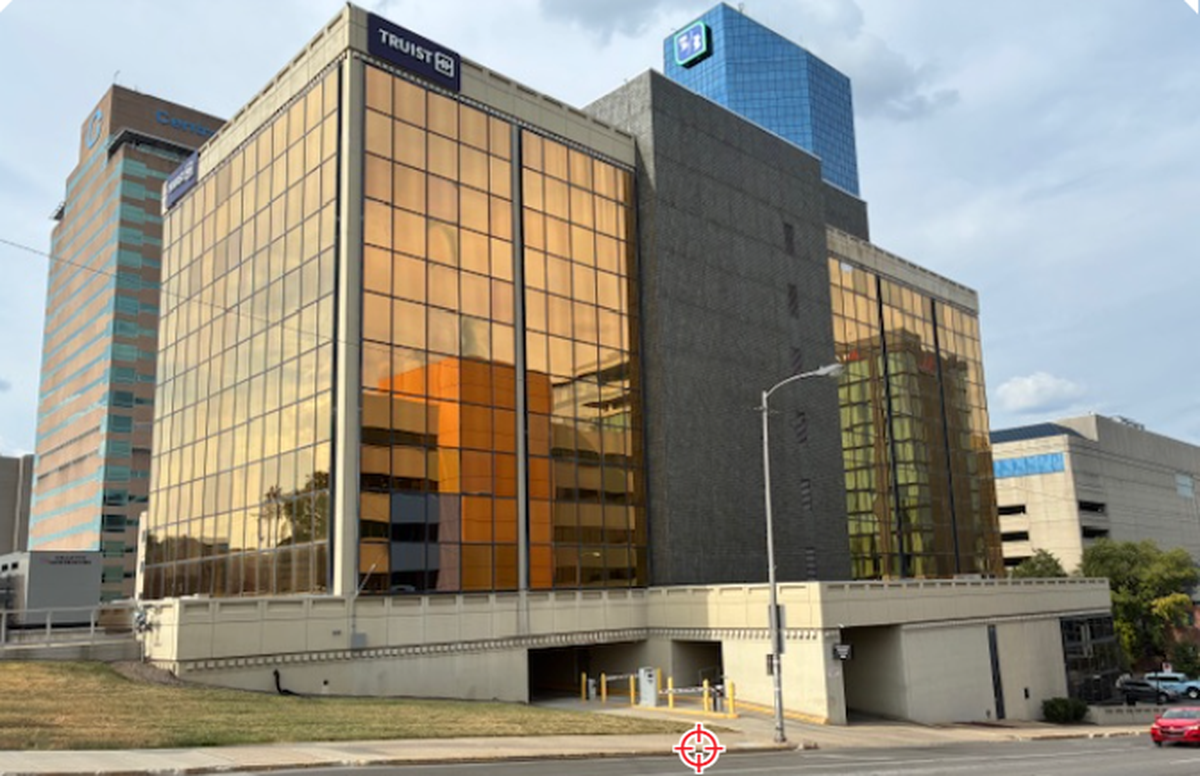
The city of Lexington is in final negotiations with the Lexington Opportunity Fund for a renovation and overhaul of the Truist bank building at 200 W. Vine St. for a new city government building.
After approval by the Lexington-Fayette Urban County Council in early December, those negotiations and final lease agreement should be completed in the next few weeks, city officials said last week.
But the $86.6 million overhaul of the bank building, built in 1972, was not the original proposal for the building, records obtained by the Herald-Leader through an Open Records Act request show. The total cost for a new city government building, including interest payments over 35 years, will be $152 million.
Originally, the Lexington Opportunity Fund, which includes the Webb and Greer companies, proposed razing the former BB&T building and constructing a more than 106,456-square-foot, five-story building for more than $120 million. That figure only includes construction costs.
But city officials knew the price was too high, said Tyler Scott, chief of staff for Mayor Linda Gorton.
The city issued a request for proposals from developers in late 2024 after a prior RFP process in 2023 resulted in options that were too costly. In April, it entered into exclusive negotiations with the Lexington Opportunity Fund.
After discussing the site and the building, the Lexington Opportunity Fund and EOP Architects returned with the proposal to remodel the building and add a 10,000-square-foot addition, which shaved millions off the cost of the project, Scott said.
As part of the deal, the city will pay $30 million in cash upfront from money it had set aside in a capital reserve fund. That figure includes $23 million to purchase the building and the garage.
An independent June appraisal the city provided to the newspaper shows the building is worth $8 million, but the parking garage is worth more than $15.6 million.
It was recently rebuilt after partially collapsing in 2021. The parking garage was valued at nearly twice the building because the building’s value is determined by comparable sales, or sales of similar buildings in downtown Lexington. Because so few parking garages are for sale in downtown Lexington, the value of the garage was determined based on cost to construct it, said Chris Ford, commissioner of general services, who helped oversee the city’s request for proposals for a new city government building.
The city received two other proposals for a new city government building, both for new buildings on city-owned land. One was less expensive than the Lexington Opportunity Fund proposal, records show.
A city hall between MLK Jr. viaduct
A group that included Cowgill Inc., a Lexington-based developer, had proposed a seven-story building on a Lexington-Fayette Urban County Government-owned parking lot that sits between Water and Vine streets behind the current city government building at 200 E. Main St. The proposal included a large lobby on the side of the parking lot closest to the city-owned Phoenix building on the north side of the Martin Luther King Jr. Boulevard viaduct. A walkway would go underneath the viaduct to connect to the seven-story building containing city offices.
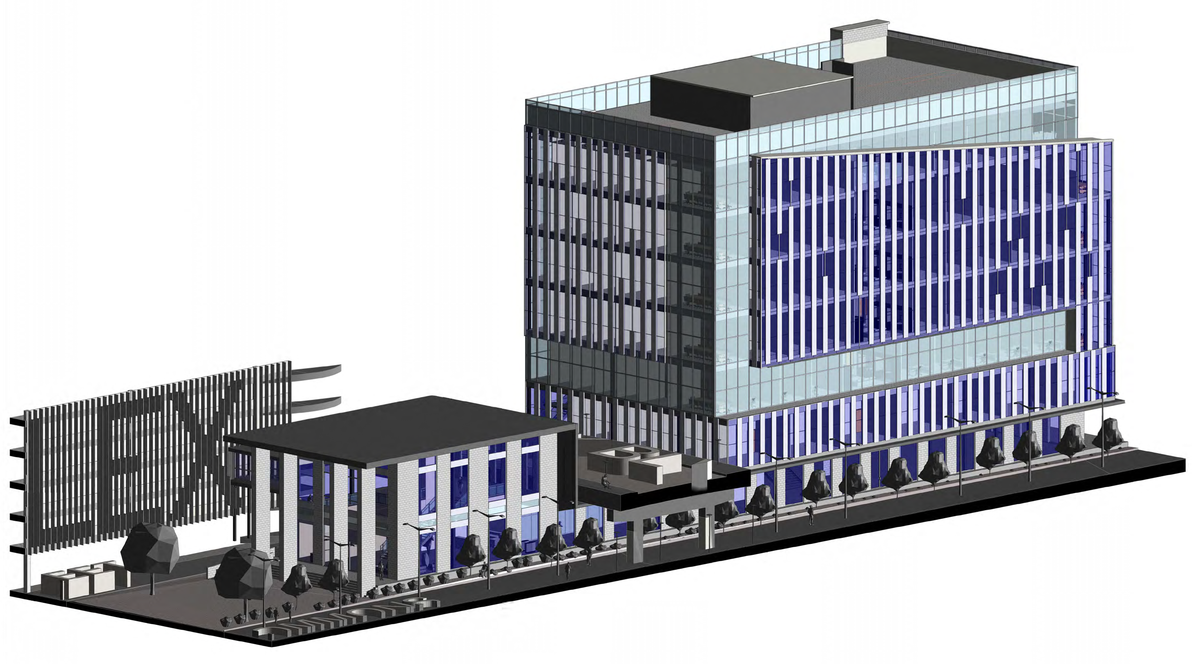
The total cost, not including interest payments on bonds or loans, would be $75 million with an annual lease payment of $3.9 million, city officials and documents obtained through an Open Records Act request shows. The lease payments would also be for 35 years.
Still, there were concerns with the proposal, Scott said.
There is a lot of infrastructure underneath that current parking lot, including the buried Town Branch creek. It would take additional money to relocate utility infrastructure and redirect Town Branch. The plan also would require the demolition of the current parking garage behind the city’s building at 200 E. Main St. for a staging area for construction. If the city demolishes the parking garage, it will devalue its current main government center, the former Lafayette Hotel.
The city wants to sell that property in the future to help offset the costs of the new city hall, Scott said.
Traffic could also be a problem, he said.
To possibly relocate all the utilities and deal with the buried Town Branch, “we would also have to close down two lanes on Vine Street for two years,” Scott said. That would mean traffic would be diverted to one lane on Vine Street for an extended period of time, creating traffic backups on one of the city’s main downtown streets.
Building a new city hall on LexPark parking garage
Pillar, a group that includes Brandstetter Carroll as architects, developer Jack Schirmer and Trace Creek Construction, proposed a new five-story building on top of the Vine Street LexPark parking garage on the corner of Vine Street and Martin Luther King Boulevard Jr.
The Pillar proposal was the priciest at more than $103 million with an annual lease payment of $6.2 million over 35 years. The city could not afford those annual lease payments, Scott said.
There was also concerns about building on top of the LexPark transit garage. There have been questions in the past on whether those garages were constructed to handle additional loads or weight on top of those parking structures, Scott said.
“Ultimately, we knew the city could not absorb those costs,” Scott said.
In 2023, Pillar had proposed tearing down and building a new city government center on the Fayette County Clerk’s site on Main Street and Martin Luther King Jr. Boulevard.
Parking, public access and control
During negotiations, the city was able to talk to the Lexington Opportunity Fund about how to lower costs by keeping the existing building.
Access to an attached parking garage with 278 spaces was one of the reasons why the site and the proposal was the most attractive to the city, Ford said.
Also, motorists and pedestrians alike can get to 200 W. Vine St. easily. The parking garage can be accessed via Upper, High and Mill streets. Current plans also indicate there will not be a dramatic impact to traffic during construction.
But more importantly, at the end of the 35-year lease, the city will own the property, Scott said.
City officials knew a new city hall was a hard sell. It has spent more than 40 years trying to find a new home. Buying a building, tearing it down and building a new one was not something taxpayers would accept, he said.
Scott said the remodeled Truist building will be functional, but it will not be fancy. Renderings are not yet available.
“This is not going to be a Taj Mahal. This is not going to be gold-plated and have the nicest ballroom you’ve ever seen,” Scott said. “It’s going to be functional. It’s going to be efficient.”
The annual lease payments of approximately $3.5 million — largely to pay off a construction loan for the project — is less than 1% of the city’s overall budget of a little more than $540 million, Ford said.
The other plus to the property was the city could expand on the parking garage at a later date, Scott said.
Questions linger about future costs
Lexington-Fayette Urban County Councilman James Brown, who chairs the council’s Budget, Finance and Economic Development Committee, said the city’s budget can absorb the $3.5 million annual cost. Brown was one of eight council members to vote in favor of the new city government center at a Dec. 4 meeting.
Seven council members voted against the proposal, and many said they were concerned the city could be facing additional costs in coming years for things like homeless services or a new homeless shelter.
The city sets aside 1% of its annual general fund budget for the funding of nonprofits, called extended social resources grants, and 0.3% for homeless services. Brown said the city has to fund those services at that level because it is set by council ordinance. That means social services and homeless services have to be funded first, Scott said.
The council would also like to see the current main government building turned into more housing, preferably affordable housing, Brown said. Because it was completed in 1920, the former Lafayette Hotel would be eligible for state and federal historic tax credits for private redevelopment and renovation.
Still, there could be additional costs for the new building.
As part of the agreement, the city will take over maintenance for redeveloped Truist building, Ford said. Scott said they are working with the Lexington Opportunity Fund for warranties on mechanical and other aspects of the building, so the city won’t be hit with a huge bill for a replacement of the HVAC system or a new roof after it moves into the building.
Ford said the current building has at least $55 million in deferred maintenance. The city recently spent more than $2 million replacing the aging elevators. Unexpected costs just to make the building safe keep popping up, he said.
There also could be some cost savings. The city currently spends about $500,000 on parking fees for employees in nearby LexPark garages. Some of those employees could now park in the new building’s 286-spot parking garage. The current building has no public or employee parking.
Interim Law Commissioner David Barberie said the agreement still has to go to a state oversight committee that reviews public-private partnerships. A date for that meeting has not been set.
Ford said the goal is for the city to be in the newly remodeled building by 2028.
This story was originally published December 18, 2025 at 5:00 AM.