Crystal Rogers trial: Witness says she overheard men discuss moving a body
READ MORE
Crystal Rogers trial
A decade after the disappearance and presumed death of Bardstown mother Crystal Rogers, a jury will hear evidence against two men charged with killing her.
Expand All
The former girlfriend of a man convicted in the murder of Bardstown mother Crystal Rogers testified Friday she heard one of the suspects on trial this week discuss moving a body with a skid steer.
Heather Snellen, the former girlfriend of Steven Lawson, also told jurors she found needles, tourniquets, a Louisville Slugger baseball bat and “sour-smelling, wet” clothes in the back of a car she shared with her then-boyfriend the day after Rogers disappeared.
The explosive testimony revealed several pieces of new evidence in the joint trial of Brooks Houck, 43, and Joseph Lawson, 34. Houck is charged with complicity to commit murder and Lawson is charged with conspiracy to commit murder and tampering with physical evidence in the presumed death of Rogers, 35.
Steven Lawson, Joseph’s father, was convicted of conspiracy to commit murder last month in a separate trial.
Snellen told jurors Friday morning she overheard the father and son talking about moving Rogers’ body while living with the men in 2017.
Defense questions witness, cites police pressure
Defense attorneys countered that Snellen was an unreliable witness.
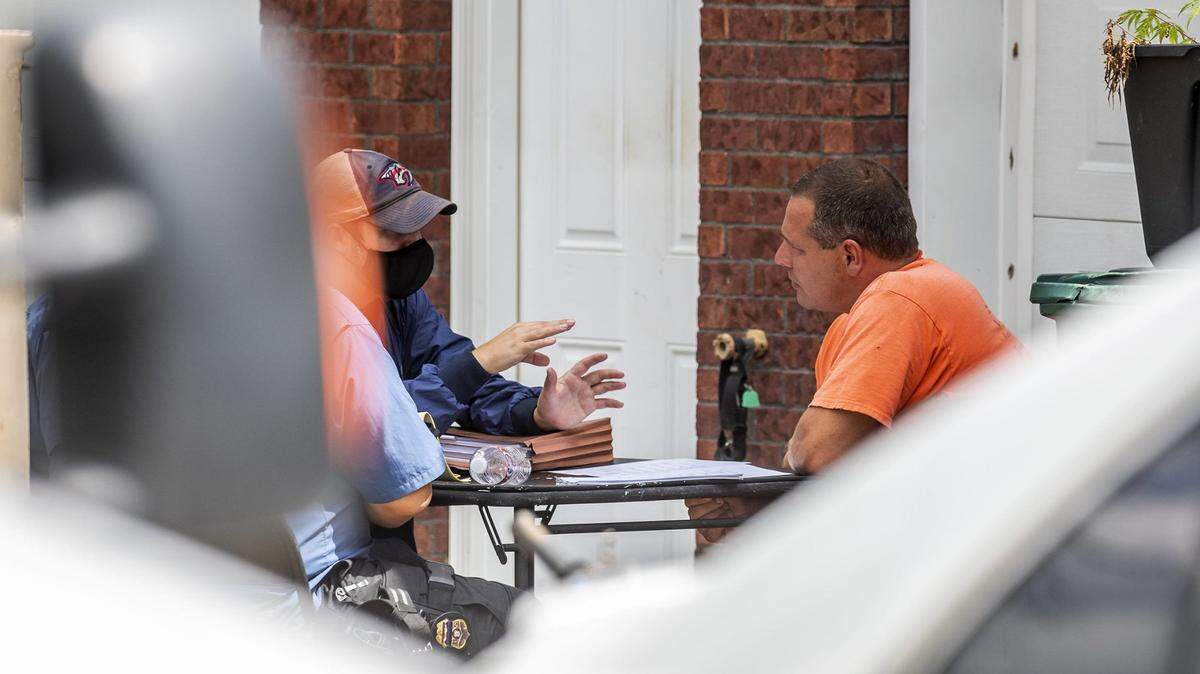
Houck’s lawyer, Brian Butler, noted Snellen came forward with the new information only during her fourth interview with investigators, after state police threatened to take her son.
Snellen admitted to jurors that in 2015, the year Rogers went missing, she regularly used methamphetamine provided by Joseph Lawson.
She said she didn’t report what she knew during her first three interviews because “drugs were her main focus,” and she was nervous to speak with law enforcement.
Snellen was interviewed by the FBI in 2021 and 2022, and again by Kentucky State Police in 2023.
Then, in April 2023, Snellen testified, Joseph Lawson texted her asking where he would have been July 3, 2015 — the last day Rogers was seen.
She then went voluntarily to be interviewed again by police, she said.
During that interview, state police began to pressure Snellen, who was on probation and facing an investigation from Child Protective Services.
Before the interview, she deleted text messages about her previous drug use.
Snellen told Detective Chris Miller twice she didn’t know anything else other than the texts she received from Joseph Lawson and the contents of the car, which she had told investigators about earlier.
Investigators didn’t buy it. They threatened to charge her with tampering with physical evidence — a felony.
Just 14 minutes into the interview, Miller said, “Your life is pretty good; it can stay that way if you tell us everything you know,” transcripts showed.
At 35 minutes into the interview, Miller said, “Your life might be ruined if you don’t remember more.”
He said the case was the “highest profile case in Kentucky history,” and Snellen needed to reflect on “whether she wants to raise her little boy.”
An hour and 37 minutes into the interview, Snellen told police for the first time about the statements she overheard. Despite this, Miller banged on the tables and screamed at her, causing her to have a panic attack.
Miller and another detective, Brian Luckett, continued to interrogate her for three more hours.
Snellen told jurors what she heard was the truth — and only withheld the information for so long because she did not want to get involved.
Phone records contradict Houck’s statements
Phone records presented during Friday’s testimony also contradicted Houck’s statements to police about where he was in the hours before Rogers’ disappearance.
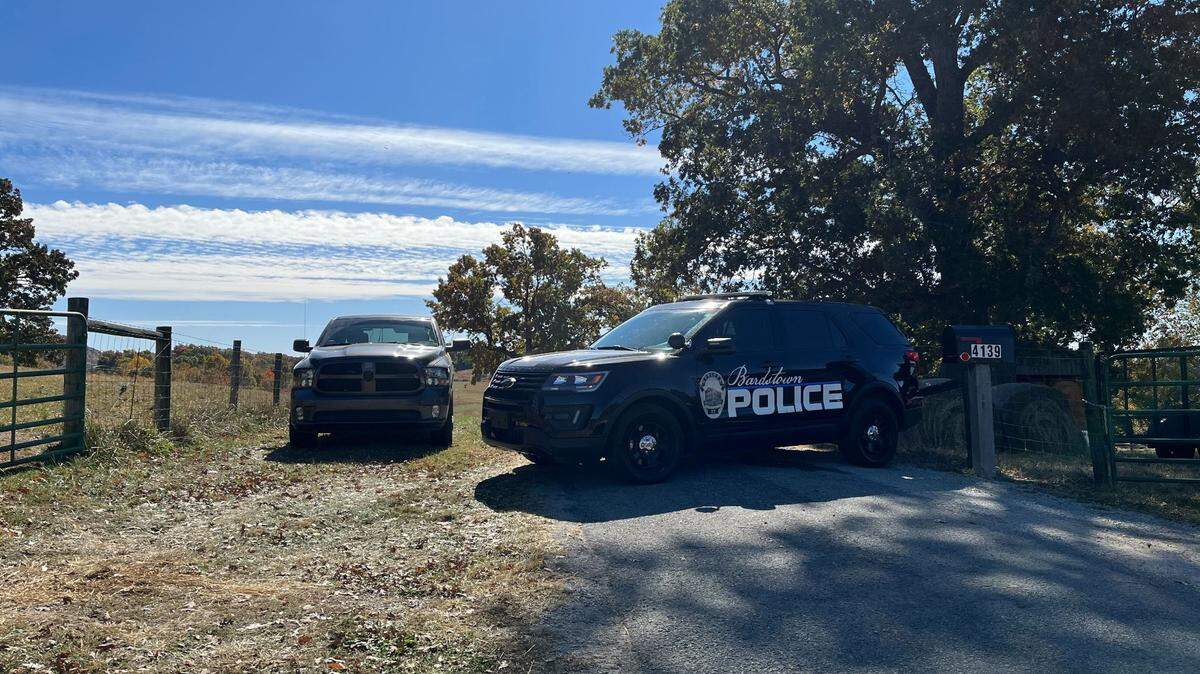
Location data presented by Tim O’Daniel, a digital forensics and homicide detective with the Louisville Metro Police Department, showed Houck at his family’s farm on Paschal Ballard Lane the morning of July 3.
Houck never told police he visited his family’s farm that morning. Instead, he told them he was out running errands for his construction and rental companies.
He told police he and Rogers visited his family’s farm later that night, which his cellphone records confirmed. But he made a list for investigators of errands he said he’d run earlier that day, while his phone records showed he was at his family’s farm from 9:30 a.m. to 4 p.m.
Detectives called seven witnesses who further contradicted Houck’s claim that he was running errands that morning and afternoon.
The witnesses, owners and workers at businesses Houck said he’d visited, denied having seen Houck that day. Several said they weren’t even open July 3 because of the holiday the following day.
Houck’s lawyers argued that Houck provided police with more of a to-do list for that day, rather than a recap of his activities.
O’Daniel also conducted a report on Joseph Lawson’s phone, but it had not been presented as of 12:30 p.m. Friday.
This is a developing story.
This story was originally published June 27, 2025 at 12:42 PM.

.jpeg)