Experts rush to preserve 14 ancient rubber balls used in Mesoamerican ritual game
Archaeologists are racing to stop the deterioration of 14 ancient rubber balls— the oldest of their kind — that were part of the ritual “ball game” played in Mesoamerica.
The balls, discovered in 1988 in Veracruz, Mexico, are of Olmec origin and believed to be between 3,200 and 3,600 years old, according to a Sept. 15 news release from the National Institute of Anthropology and History.
An analysis of the artifacts showed they are made of rubber “extracted from the Castilla elastica plant, a tropical species once common in Mesoamerica,” experts said.
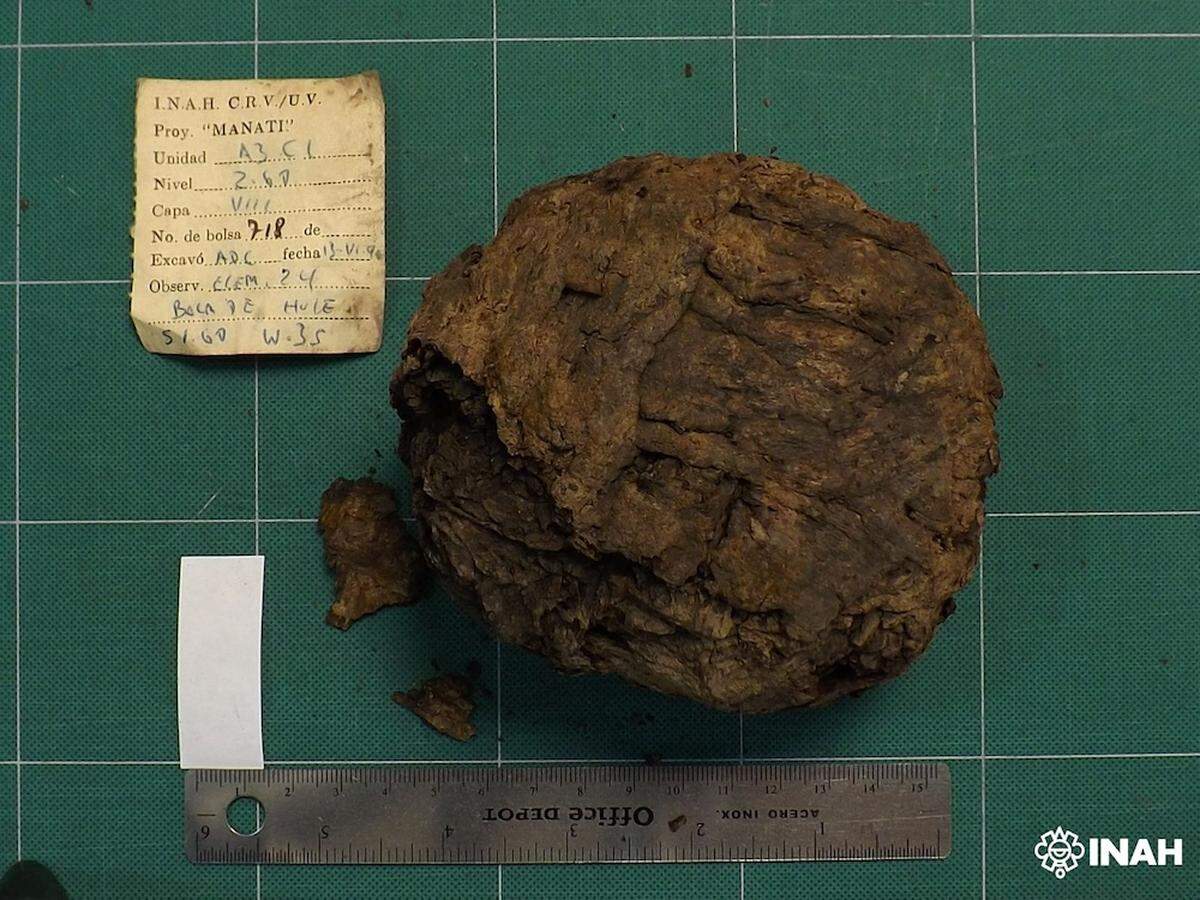
While the stable conditions of the site preserved the rubber balls for thousands of years, their extraction has led to their deterioration, according to a study published Jan. 18, 2024, in the journal Archaeological and Anthropological Sciences.
According to experts, the manufacturing techniques of the balls and the factors that influence their deterioration have been monitored and studied, but no definitive formula for their preservation has yet been found.
Experts said they are working develop an anoxia system, or a way to preserve them without any oxygen, according to the release.
In many ancient Mesoamerican cultures, “the ball game” was a common ritual practice, repeatedly referenced throughout historical texts from the region, according to researchers.
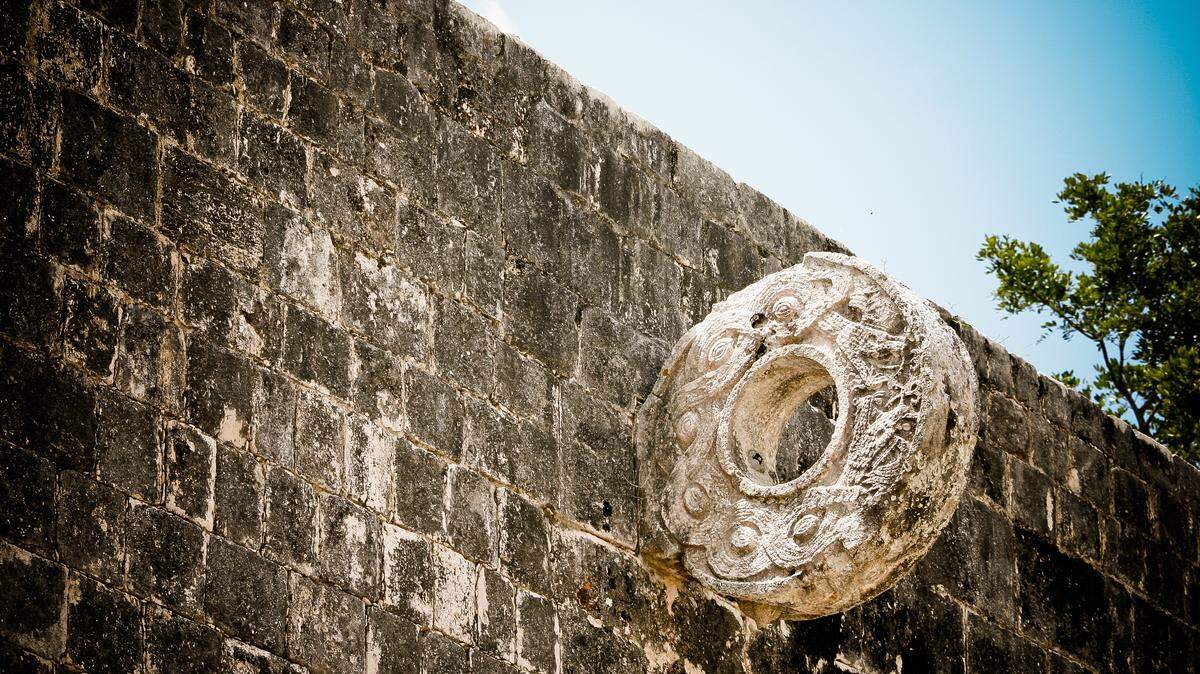
While the rules are not known for certain and likely varied by culture, the objective was the same: get the rubber ball through a stone ring mounted to the side of stone wall without using your hands.
“Variants of the ball game are still practiced today in various parts of Mexico, such as Pok-ta-Pok in the Southeast or Ulama in the North, each with its own rules and variations,” the study said.
Even today, “the fabrication of the ball with rubber from the Castilla elastica tree is a main feature” of the game, researchers said.
The game was a source of entertainment and sport filled with symbolism and ritual practices, according to the Metropolitan Museum of Art.
Some scholars believe the movement on the court was representative of the sun’s movement across the sky. In Mayan cultures, “ballgame was the setting for mythological battles between the forces of life and death,” experts said.
Google Translate was used to translate the news release from the National Institute of Anthropology and History.
This story was originally published September 16, 2025 at 2:26 PM with the headline "Experts rush to preserve 14 ancient rubber balls used in Mesoamerican ritual game."