How unregulated competition from ‘gray slot machines’ could hurt Kentucky nonprofits
READ MORE
Gambling invaders
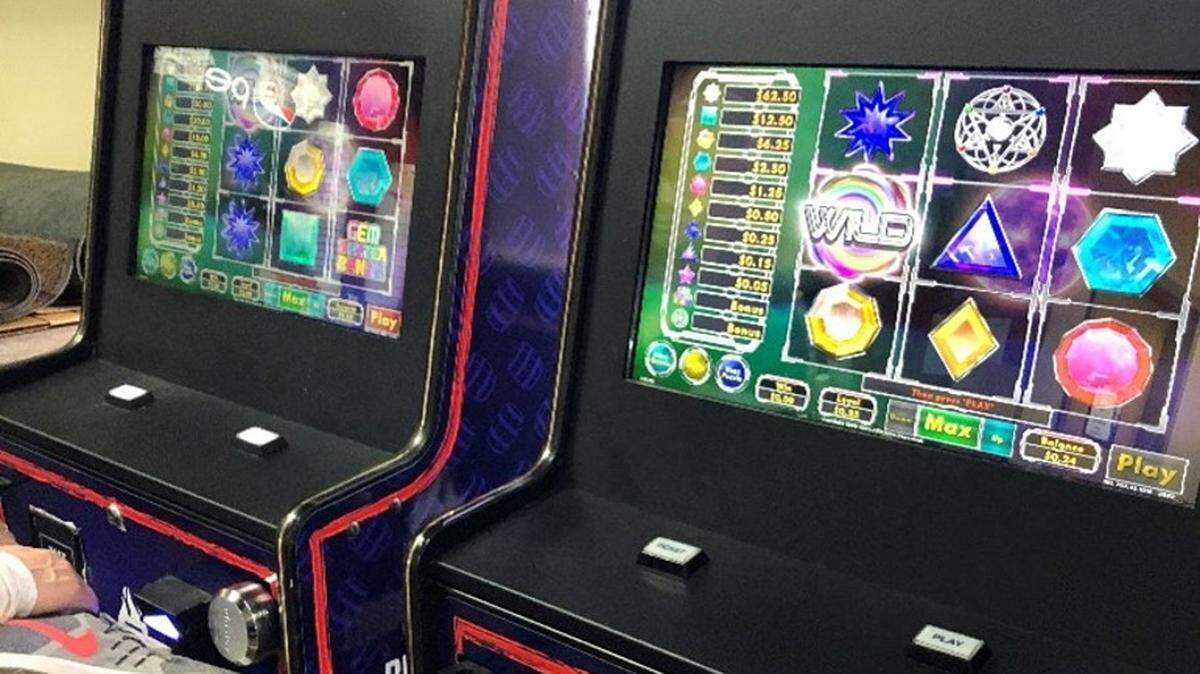
Slots are illegal in Kentucky, but the makers of these machines have found a loophole and games are pouring into the state without much regulation or approval from lawmakers.
Expand All
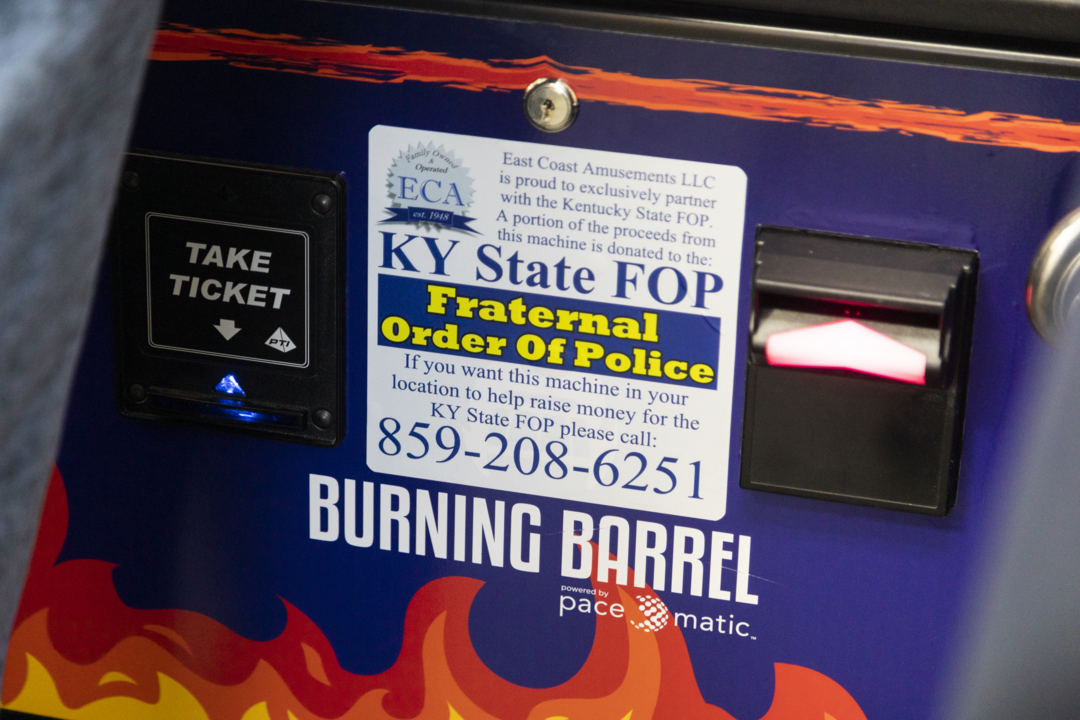
Hundreds of nonprofits across Kentucky rely on charitable gaming — bingo, pull tabs and electronic pull-tab machines — to raise money for Catholic schools, military veterans, churches, school bands, sports programs and more.
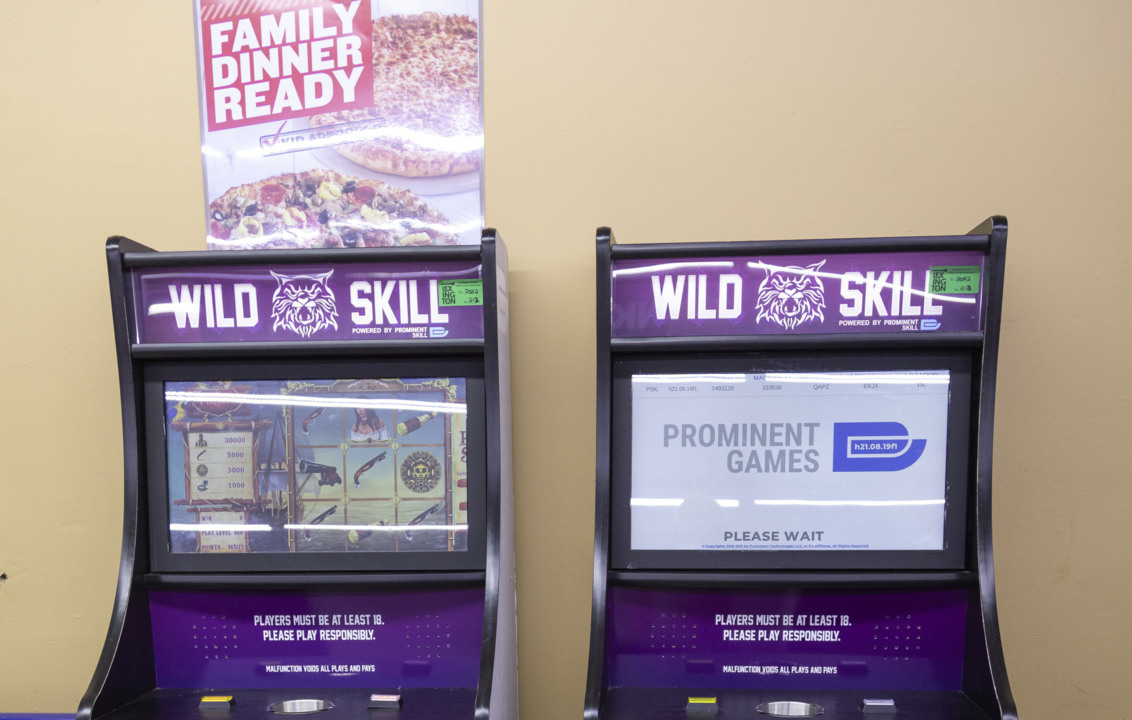
But the groups say the new “skill games” or unregulated “gray slots” flooding the state pose a threat to all of that fundraising.
“They’re everywhere. We’ve got them in bars, in convenience stores, in bowling alleys, in places you go eat. They’re putting them in everywhere,” said Jim Manley, who is the CFO of the Bowling Green American Legion Hall. “And any play they get is cutting into our business.”
His nonprofit has had about 15 electronic pull-tab machines for five or six years to raise money.
“What worries me is we’re a nonprofit, helping homeless veterans and people, (Western Kentucky) tornado victims now, and these places are not nonprofit. We don’t know where their money’s going. They’re taking away from the help we’re giving people.”
Nonprofits ‘highly regulated’
In Louisville, Mike Mulrooney operates Shirley’s Way Charitable Gaming, named for his mother, who died of cancer.
His nonprofit has given away more than $1.3 million to people who need financial support when they are going through medical treatment for cancer or other diseases.
“Charitable gaming has been a huge part of what we do,” Mulrooney said.
His location has 35 gaming machines, the maximum allowed under the state regulations.
“We’re highly regulated,” he said, with quarterly reporting, regular audits and fees paid on every dollar played. There are limits on everything from the screen size to the payouts, he said.
Still, he said, it is worth all the work to raise money for a worthy cause.
“Then we got word that these other machines are being pushed into the market.”
He said friends who have bars were approached by representatives a few weeks ago. One let him listen to the sales pitch.
“They are telling people these are legal ... that they are dropping 50 machines on Dixie Highway, did they want their three,” Mulrooney said. “It just seems shady and dirty.”
Even though some bars have questioned how the machines can be legal, he said, “I know three or four that are doing them. They’re taking the risk.”
Mulrooney also is concerned that the new machines appear to offer bigger payouts.
One bar, Louisville Billiards Club, posted to its Facebook page in September a photo of a patron in front of a Wildcat Skill machine holding a fan of cash, saying, “Skill slots paid tonight. Congratulations Cody Morris. $3666 winner.”
Mulrooney’s machines are only allowed to pay out up to $599, he said.
“Bigger payouts bring in more people,” Mulrooney said. “I’m not scared of competition, so regulate them too.”
How nonprofits reacted in other states
Madge Vail, vice president of compliance and regulatory affairs for Lancaster Bingo Co. in Ohio, gave a committee of Kentucky lawmakers a synopsis of what happened in her state to charitable gaming.
“In the early 2000s, the charitable gaming industry in Ohio has gross receipts of $1.4 billion. At this same time, the same games you’re seeing here in Kentucky were taking hold in Ohio,” Vail told the Interim Joint Committee on Licensing & Occupations in November. “They were being placed in store fronts and other retail locations, around the corner from successful bingos or VFW clubs. It was clear the industry wanted to attract the same players who frequented the charitable bingo locations. And they were successful in doing so. They also had letters ... suggesting the games were not gambling.”
In 2015, the Ohio legislature acted, moving the industry under the casino control commission, she said.
The regulatory scrutiny “resulted in the games you now seeing in Kentucky moving out of Ohio,” she said.
“But not without leaving a mark. Charitable gaming receipts in Ohio had dropped by half at this point.”
This story was originally published January 30, 2022 at 12:00 AM.