‘Gray machines:’ How they differ from other games; What gambling is legal in Kentucky?
READ MORE
Gambling invaders
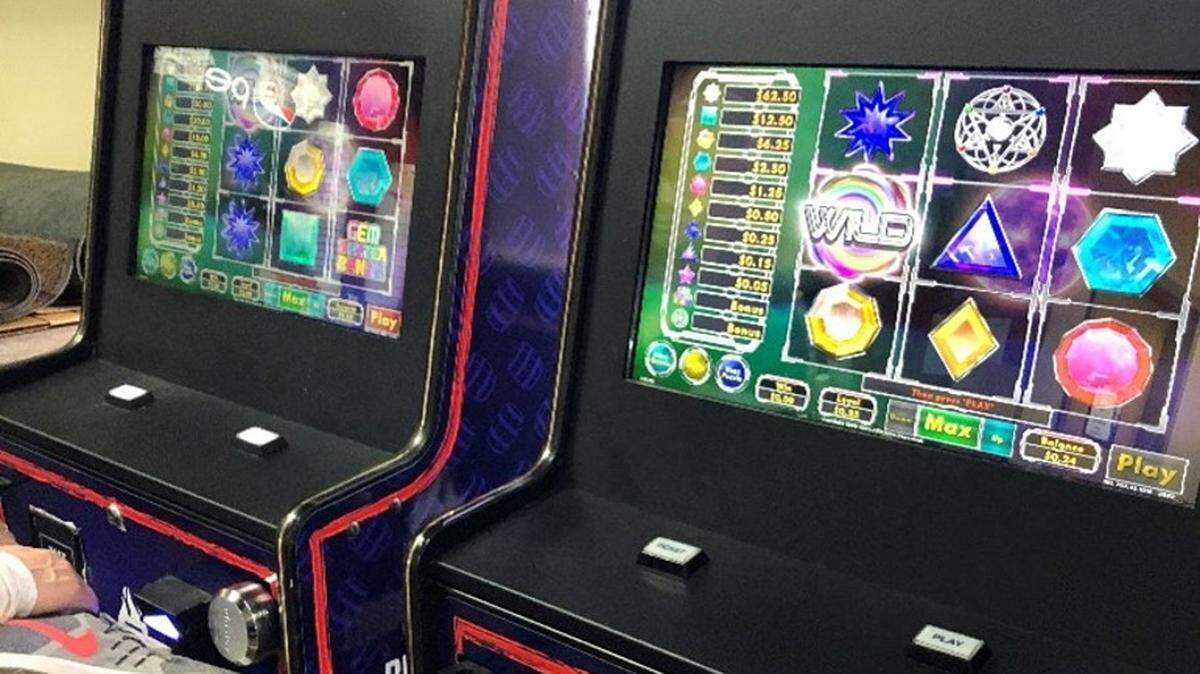
Slots are illegal in Kentucky, but the makers of these machines have found a loophole and games are pouring into the state without much regulation or approval from lawmakers.
Expand All
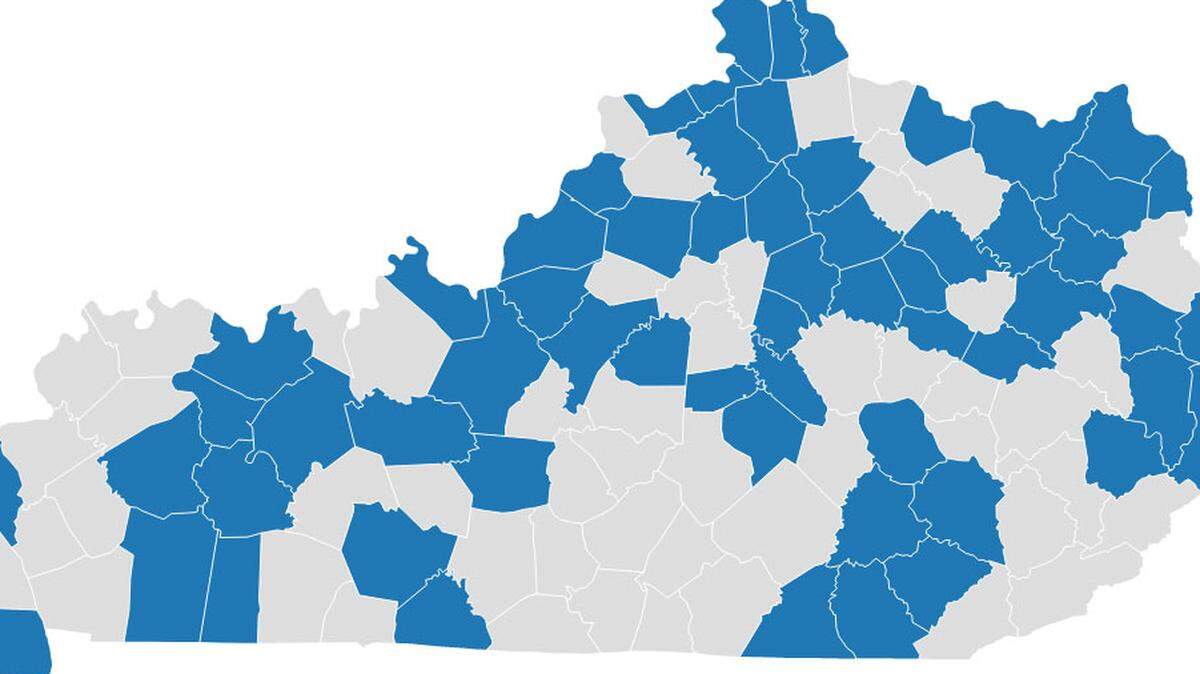
While questions swirl around the legality and possible regulation of so-called “gray slot machines,” the games themselves have already cropped up in hundreds of businesses across Kentucky.
Patrons and potential players can learn more about legal gaming in the commonwealth, as well as specifics on games of chance with the guide and highlights below.
What kinds of gambling are legal in the state of Kentucky?
While slots and casino games are illegal in the Bluegrass State, some types of gambling are allowed.
Lottery – which includes Powerball and Mega Millions, as well as a variety of games, chief among them scratch-off tickets – grossed nearly $1.6 million in fiscal 2021, according to the Kentucky Lottery’s annual report. Lottery games have been legal in the commonwealth since 1989, with 35% of sales headed to the general fund. The purported beneficiaries of lottery proceeds include early childhood education, scholarships and housing initiatives. Sales, including internet sales, have continued apace in recent years, even amid the initial pandemic slowdown.
Perhaps the most high profile of Kentucky gambling is parimutuel betting. Besides betting at the racetrack on horse races and on simulcasting, in 2021 after a 10-year legal battle the General Assembly legalized historical horse racing, or HHR. The legislation expanded the commonwealth’s definition of parimutuel to include gambling parlors with slots-like machines, but only at racetracks and track-owned facilities. Kentucky now has seven, with almost 5,500 gambling terminals, and more in the works.
The state also allows charitable gambling as a means of fundraising, mostly for non-profits. Regulated by the Department of Charitable Gaming, such gambling can include things like bingo, raffle ticket sales, pull-tabs and electronic pull-tab terminals. Kentucky licenses organizations participating in charitable gaming and regulates the games and the payouts.
How are gray slot machines different than historical horse racing games?
Proponents of the new machines claim they are games of skill, rather than chance, therefore not illegal in Kentucky. Specifically, that players can reach a successful outcome each time they play if equipped with the proper knowledge and skills to master the game.
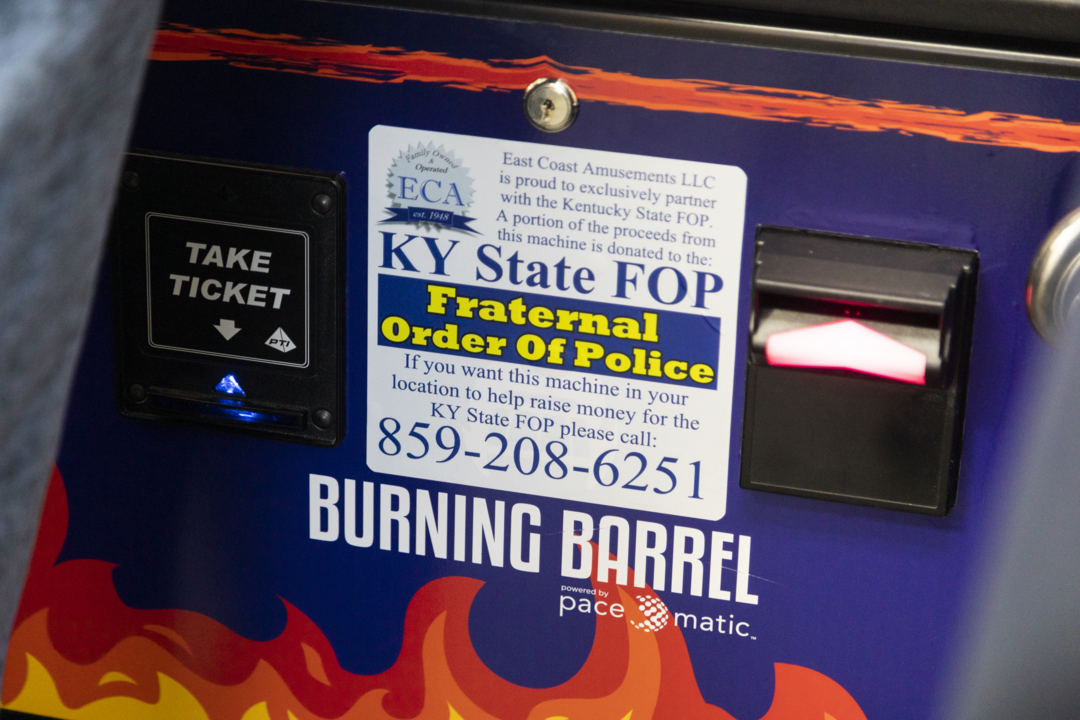
Pace-O-Matic, one of the gaming device companies with machines in Kentucky, specifically markets its product as “vastly different” from gambling.
“Our games provide legal entertainment to players and the opportunity to use their skills and strategies to win every time!” the company’s website says.
Games of chance can and often do include elements of skill, but also an overarching randomized component.
Legal tests on the question of skill versus chance include the material element test (does chance play a meaningful role?), the dominant factor test (is outcome determined more by skill?) and any chance test (does chance play a role in determining outcome?).
The “skill” in these games currently flooding Kentucky comes in when players have to line up (or nudge) an icon to create three in a row like tic-tac-toe or Candy Crush, tap the screen on specific images for “bonus” points or successfully repeat a pattern, like the classic electronic game Simon.
Machines like legalized historical horse racing games already have a predetermined winner based on past races. No skill is involved and players can push a button every few seconds for a play.
As purported games of skill not currently subject to regulation, things like age restrictions and payout amounts aren’t being monitored for gray machines, Kentucky Lottery president and CEO Mary Harville pointed out in a November legislative hearing. There’s also no framework for machine placement, leading to the gray machines competing with Kentucky Lottery games at convenience sites like gas stations and grocers.
While touted by gamemakers as compliant, no Kentucky court has ruled on this yet. A bill to deal with the games is expected to be filed soon.
This story was originally published January 30, 2022 at 12:00 AM.