House GOP scales back controversial bill to impose new rules on KY’s public benefits
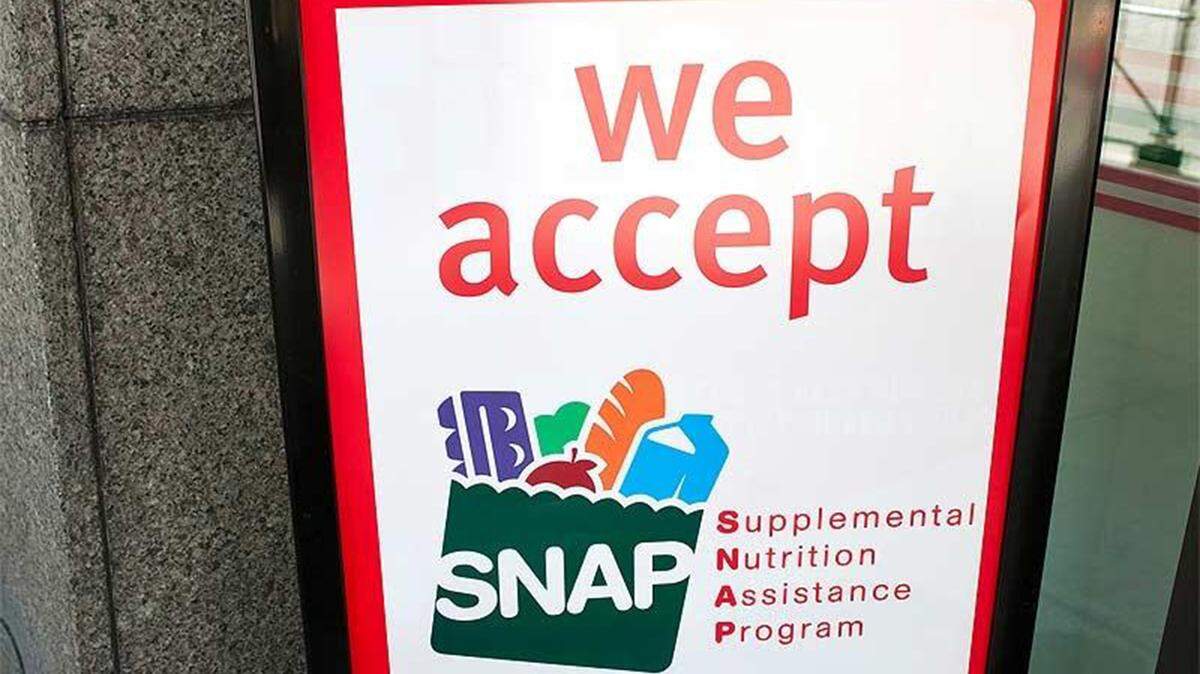
Facing criticism, Republican lawmakers say they’ve scaled back their plan to set stricter eligibility rules on Kentucky’s public benefits for the poor, chiefly food stamps and Medicaid.
On Monday, the Senate Health and Welfare Committee approved a modified version of House Bill 7 and sent it to the Senate floor, where it could be acted on as soon as Tuesday.
Rep. David Meade, the bill’s sponsor, told the committee that he and House Speaker David Osborne agreed to drop several parts of the bill that were controversial and, in some cases, potentially expensive, because they would have required additional record-processing staff to be hired at the Kentucky Cabinet for Health and Family Services.
Most of what’s left are tougher penalties for public benefits fraud and a “community engagement” program for able-bodied adult Medicaid recipients without dependents, the details of which would be left to the cabinet, said Meade, R-Stanford.
There are roughly 544,000 Kentuckians who receive food stamp benefits and 1.6 million enrolled in the state’s Medicaid program.
House GOP members simply want to protect the integrity of public benefits programs, Meade said.
“The goal is to make sure that folks who truly need these benefits are receiving them, and that we are cutting down on fraud and cutting down on those that are ineligible,” Meade said.
%20.jpg "Meade, David (12-04-12) .jpg")
“I think we can all acknowledge that these programs are incredibly important to those that rely on them,” added Osborne, R-Prospect, in his own committee testimony.
“I think we can probably also agree that there’s never going to be enough money to truly provide that very necessary safety net underneath the most vulnerable,” Osborne said. “And I think to acknowledge that there isn’t enough money means we also have to acknowledge that we can’t allow fraud to continue unchecked.”
Among the changes between the previous and new versions of HB 7 are:
- Reducing the proposed penalties for benefits fraud, such as changing the punishment for a third violation from up to a five-year ban from the programs to up to a one-year ban.
- Deleting a requirement to reroute different cash-assistance programs through electronic benefit transfer (EBT) cards, which the cabinet had warned would require installing thousands of EBT card scanners at different facilities, such as child care centers, at a cost of millions of dollars. EBT cards are currently used for food stamps. Instead, the cabinet would be instructed to study the possible costs and benefits of using a single card for several different programs and report back to the legislature by Dec. 1.
- Deleting specific mandates on where food stamps can be used to purchase food and replacing it with assistance to encourage food stamp recipients to shop at local farmers markets.
- Scaling back how frequently benefits recipients would have to report changes in their life circumstances, such as income or address. Instead of making beneficiaries report within 10 days of a change or risk losing their benefits, the cabinet would have different options, including less frequent quarterly reporting. Critics said requiring regular updates about changes in income, for example, would be a burden for people with unstable sources of revenue, such as farmers, independent contractors and workers in the food-service industry with unpredictable schedules.
- Keeping a “community engagement” program requirement for able-bodied Medicaid recipients between the ages of 18 and 64 who have no dependents, but dropping the bill’s previous requirement that it be 80 hours monthly. The cabinet would be left to establish details of the program, with no specific time requirements set in the bill. Former Gov. Matt Bevin repeatedly attempted, with his Kentucky HEALTH Initiative, to get Medicaid recipients working or enrolled in school or vocational training. However, the federal courts kept blocking Bevin’s efforts.
- Giving the cabinet the authority to waive work requirements for food stamp recipients in counties when the unemployment average hits 10% or higher or statewide if Kentucky’s jobless rate does the same.
- Keeping a ban on the state Medicaid program’s use of the shortcut called “presumptive eligibility” to more easily enroll Kentuckians in sudden need of health insurance, unless federal law requires it. Kentucky hospitals could use presumptive eligibility for patients they are treating, although the patients would need to formally apply for Medicaid coverage later.
Health and Family Services Secretary Eric Friedlander told the Senate committee he appreciated the changes made, but he still has concerns about additional “red tape” in the bill that could create obstacles to Kentuckians in need. And Cassidy Wheeler, a former school teacher who now works for the nonprofit Feeding Kentucky, testified that children will be hurt if the adults in their lives have a harder time accessing public benefits.
“If this bill passes, families and kids will lose food assistance, and schools will be the ones expected to fill the gap,” Wheeler said. “As a former Kentucky teacher, I can say definitively, many students already are going hungry, in spite of even having school feeding programs.”
Opponents of HB 7 say the cabinet tracks benefits fraud through state and federal data reporting and complaints from external sources, and overall, it reports a fraud rate of about 1% of beneficiaries, which is not enough to justify an overhaul of the programs.
Even with the changes made to the bill, the nonprofit Kentucky Youth Advocates said after Monday’s meeting that it still has many questions.
The newest version does not have a fiscal note showing its cost or how many new staff, if any, would need to be hired at the cabinet, the group said. It does not make clear if community engagement would be mandatory to keep Medicaid coverage, or if pregnant women or former foster youth would be exempt, the group said.
“We urge Senate leadership to consider these questions and concerns as HB 7 advances towards a floor vote,” the group said in a statement.
This story was originally published March 29, 2022 at 10:50 AM.