Gov. Beshear plans pay raises to fill jobs at KY’s beleaguered juvenile justice centers
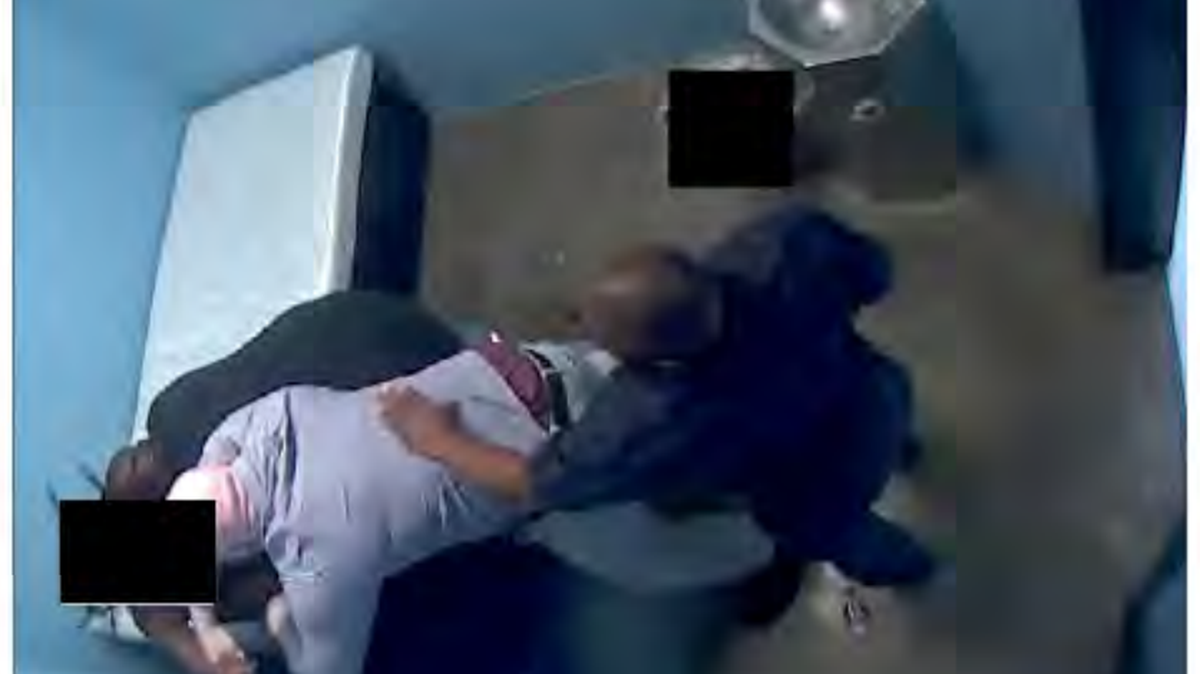
Gov. Andy Beshear on Thursday said he plans to spend tens of millions of dollars raising the pay of youth workers at the Kentucky Department of Juvenile Justice, where under-staffed juvenile detention centers have been plagued by riots, assaults and escapes.
At a news conference, Beshear said he will raise the starting salary for youth workers in detention centers to $50,000 a year, which would be a $10,000 to $15,000 increase from current levels. The cost for providing the raise was not provided.
Staff at the DJJ have gotten other raises in recent months, but the Beshear administration has been unable to convince many people to apply for the stressful, sometimes dangerous jobs at facilities holding youths in state custody. Vacancy rates for those positions approach 40 percent, Beshear said Thursday.
Apart from higher wages, Beshear said the DJJ will provide “defensive equipment” to youth workers to allow them to protect themselves, including pepper spray and tasers.
The DJJ named Larry Chandler, a retired warden from the Kentucky Department of Corrections, as its newly appointed director of security, to tour its facilities and recommend improvements to prevent future violent incidents, he said. And the state would like to begin the early construction phases of two new juvenile detention facilities to replace badly outdated facilities, he said.
“I hope what people see is that nobody’s running from this,” Beshear said. “This is a challenge and a problem that needs to be fixed. These facilities need to be safe. The juveniles need to be getting the services that they should be getting. But to do that has required real serious and significant changes.”
Beshear said his administration will ask the 2023 General Assembly — on break until Feb. 7 — for funding and regulatory assistance to support the changes he wants to make to the juvenile justice system.
Rebecca Ballard DiLoreto, a longtime children’s rights attorney in Kentucky who has clients in DJJ facilities, on Thursday said she has concerns about arming youth workers even with non-lethal weapons like pepper spray.
Typically, DiLoreto said, corrections officers inside a secured facility don’t carry weapons because they can’t be sure they can control those weapons when they get into a struggle with inmates.
“Pepper spray is as likely to get grabbed from someone as it is to be used as intended,” DiLoreto said. “And when you do use it, it’s going to spray everyone in the vicinity, it’s not just going to hit your target.”
Replying to this concern at his news conference, Beshear said it’s nonsensical to not arm youth workers for fear that they might be overpowered and have their defensive weapons used against them. The point of giving them an item like pepper spray, he said, is to prevent them from being overpowered in the first place.
The larger problem, DiLoreto said, is that Beshear and others have been describing the youths in juvenile detention centers as dangerous predators, which makes it easier to suggest tougher security as the only solution. Instead, the DJJ should offer more mental health counseling and get youths out of their cells more frequently for programming, she said.
Assaults, sex offenses, riots and escapes have become almost commonplace at juvenile detention facilities around the state. Many of the facilities are dangerously under-staffed. The Beshear administration says the youths held in these facilities have become more violent in recent years and, in some cases, gang-affiliated.
This public safety problem has become a political liability for Beshear in a re-election year.
Republican lawmakers in the General Assembly are creating a work group to study the troubled juvenile justice system and propose changes And shortly before leaving office last fall, Chief Justice John Minton Jr. sent Beshear a letter expressing “grave concerns,” given that his court system sends youths into the detention facilities.
Beshear recently announced changes in how the youths are housed. Teen girls will be held by themselves in one detention facility in Campbell County, Beshear said, while teen boys will be segregated based on the severity of their offenses, with those facing the most serious felony charges held in maximum-security centers.
Until now, youths typically were housed at the nearest detention facility.
This story was originally published January 19, 2023 at 3:10 PM.