KY water pollution bill advances with changes, but it still worries environmental groups
.jpg "Senate Bill 89, requested by the Kentucky Coal Association, would weaken the state’s water pollution laws.")
To appease environmental groups, Kentucky lawmakers made minor changes Wednesday to a controversial bill that would benefit the coal industry and other polluters by making it easier for them to contaminate water sources without getting in trouble with state environmental officials.
The House Natural Resources and Energy Committee approved an amended version of Senate Bill 89 and sent it to the full House, where it easily passed by a 69-to-26 vote. The bill now returns to the Senate, which must consider changes made in the House.
The bill would reduce the regulatory power of the Kentucky Division of Water by narrowing the definition of the waters it protects to mirror a 2023 U.S. Supreme Court decision that weakened the U.S. Environmental Protection Agency’s ability to enforce the federal Clean Water Act.
Left unprotected, critics of the bill say, would be groundwater and “ephemeral headwater streams,” the small, temporary streams that flow into larger streams, creeks and rivers after a rain or snow melt.
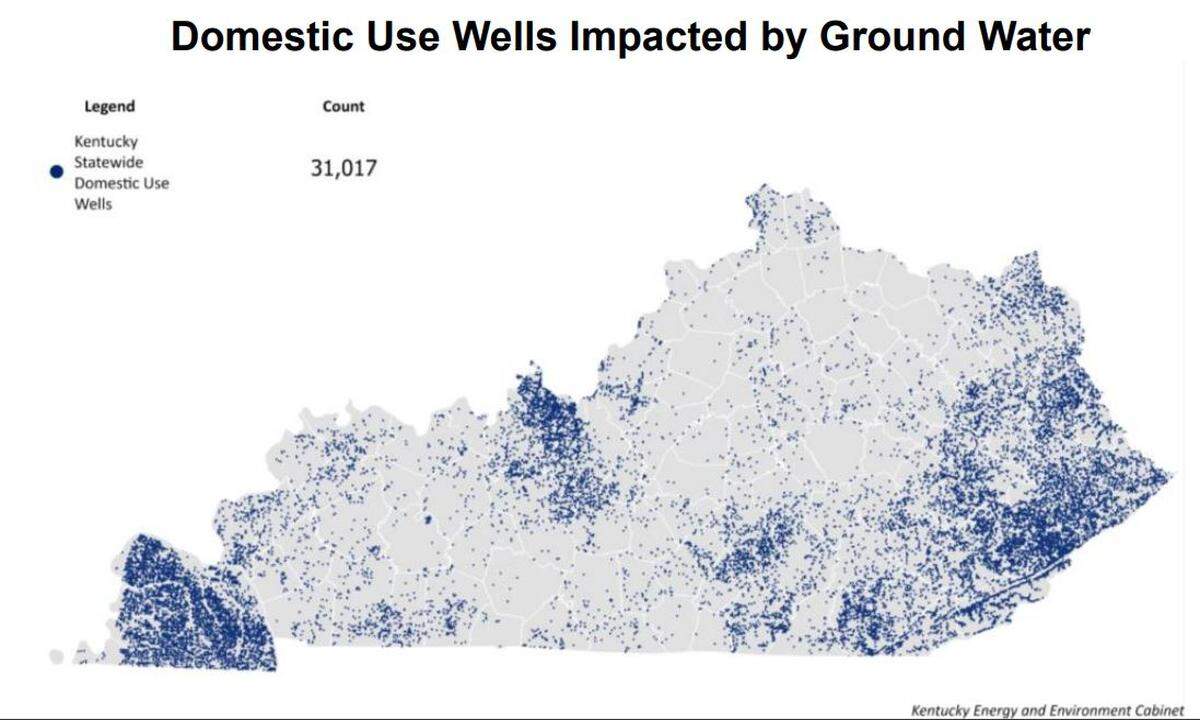
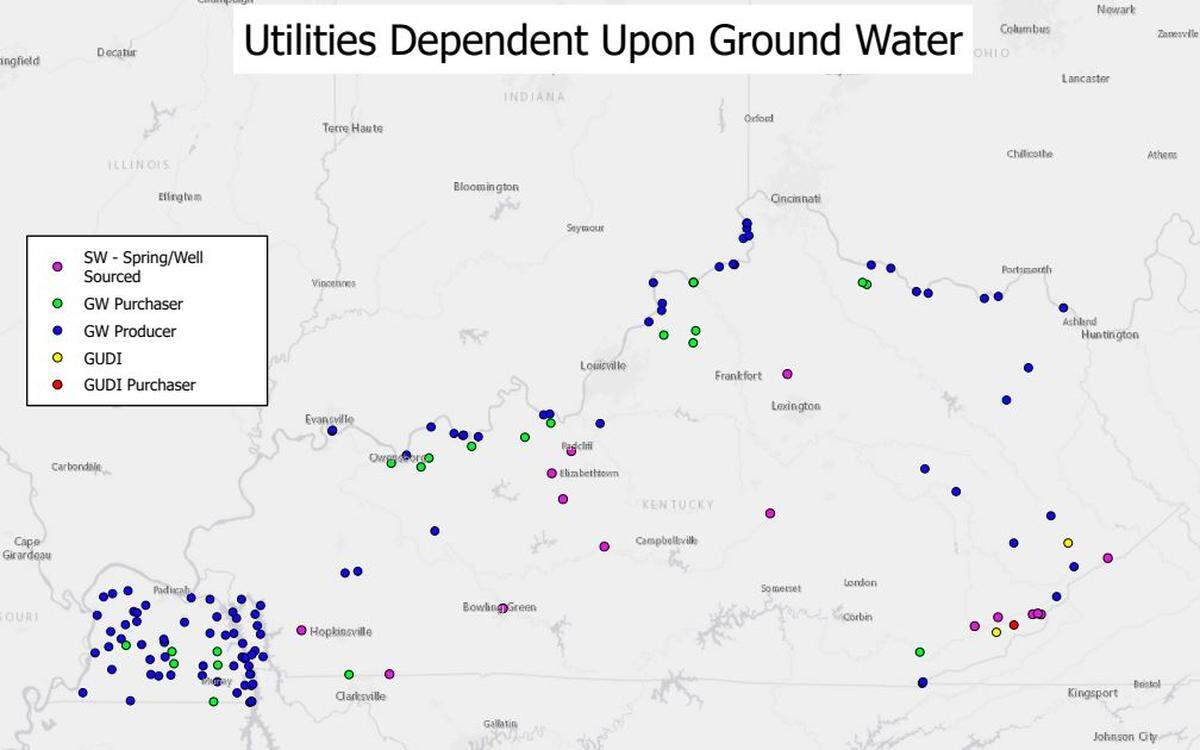
Kentucky Energy and Environment Secretary Rebecca Goodman has warned the bill could imperil drinking water quality around the state, both from underground wells and municipal water systems that draw from rivers.
In a letter sent to House members Wednesday, Goodman said the latest version of the bill “threatens the water quality of many Kentucky rivers, streams and tributaries and, as a result, would significantly compromise Kentucky’s groundwater, impacting the water quality of more than 31,000 private use wells and at least 156 public water systems.”
“The bill would require additional treatment for drinking and wastewater because fewer source waters would be protected, which would significantly impact water quality downstream,” Goodman wrote. “The increased costs of additional water testing would be passed down to Kentuckians through utility rate increases — an extra cost Kentuckians do not need to bear in the face of rising costs at the grocery store and the gas pump.”
On Wednesday, the House committee amended the bill in an effort to address groundwater concerns.
A committee substitute added sinkholes, naturally occurring artesian springs and wellhead protection areas to the waters that would remain protected by state officials. A wellhead protection area is the surface and subsurface area surrounding a well.
But environmental groups opposing the bill Wednesday said the amendment isn’t enough. It does not include the word “groundwater,” leaving many private wells drawing from karst aquifers at risk, and it does not mention the headwater streams that flow into 65% of larger streams and rivers across Kentucky, they said.
The current regulatory powers of the Division of Water should be left alone, they said.
“SB 89 is a free pass to pollution and a betrayal of Kentucky’s most precious resource, its water. The failure to address this concern is not an oversight. This is a deliberate choice to cater to the interests of the few at the expense of the many,” Audrey Ernstberger, attorney and lobbyist for the Kentucky Resources Council, told the House committee.
The committee chairman, state Rep. Jim Gooch Jr., R-Providence, interrupted Ernstberger at this point, saying lawmakers didn’t have time to hear “hyperbole.”
The bill’s sponsor, state Sen. Scott Madon, R-Pineville, said it enjoys the backing of business and development groups that want something “protecting our job creators from unnecessary government red tape.”
In particular, Madon told lawmakers, the coal industry likes this bill, and the Kentucky Coal Association has endorsed it.
In fact, attorney Clay Larkin of the Kentucky Coal Association sat beside Madon at the witness table as he explained the bill Wednesday.
“One of the reasons I ran for office was to protect our coal miners, our coal communities and to do everything I could to ensure we burn coal for as long as possible, despite the federal government trying to shut us down,” Madon said.
“So when I learned of the issues my constituents and others in the coal industry were experiencing from the Kentucky Energy and Environment Cabinet, I knew something had to be done,” Madon said.
The committee voted 16-to-4 to approve the bill.
Lawmakers who opposed the bill said they worried about its potential impact on drinking water.
State Rep. Adam Moore, D-Lexington, mentioned the crisis of the contaminated municipal water supply in Flint, Mich., 10 years ago, which occurred after the city switched its intake lines to a badly polluted river.
Republican state Rep. Bobby McCool, R-Van Lear, said he’s a former coal miner who cares about the coal industry. But he also represents an Eastern Kentucky House district, including Martin County, where drinking water has been polluted for many years.
McCool voted “no.”
“My concern is, I just cannot take a risk of hurting the water systems when I’m dealing already with public water and we can’t get that taken care of,” McCool said.
This story was originally published March 12, 2025 at 11:34 AM.