KY Auditor: Beshear’s new juvenile justice isolation rules don’t solve problems
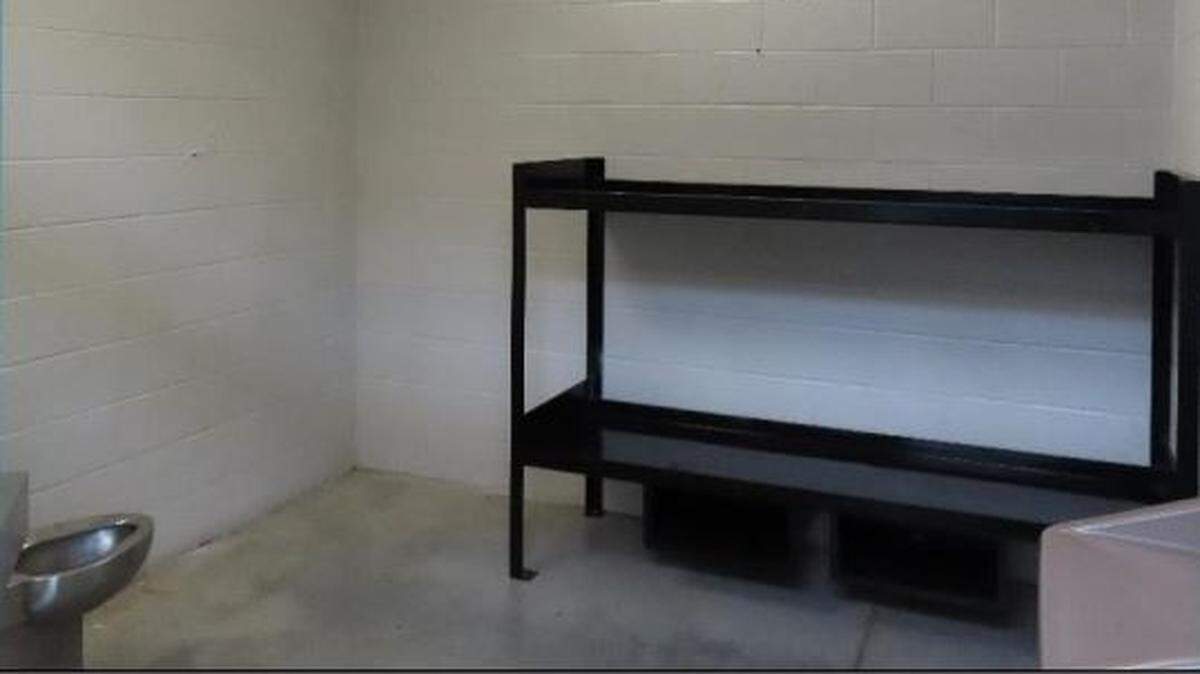
Gov. Andy Beshear’s proposed new regulations for youths held in isolation by the Kentucky Department of Juvenile Justice won’t do anything to improve conditions inside the state’s troubled juvenile detention facilities, the state auditor’s office said Tuesday.
Lorran Hart Ferguson, chief of staff to state Auditor Allison Ball, spoke at a public hearing on the regulations at the Justice and Public Safety Cabinet.
Ball has tracked problems at the juvenile detention facilities since she issued a report last year criticizing them for mismanagement, cruel isolation policies and high levels of extreme use of force.
Since the report was released, the news media regularly continues to report on the abuse and neglect of youths held at the facilities, Ferguson said Tuesday.
“Although our office provided many recommendations to DJJ to help solve the issue of the problematic and harmful use of isolation, it doesn’t appear the Beshear administration has followed any of them,” Ferguson said. “The regulations being proposed by the administration, being discussed today, do nothing of the sort, either.”
The Herald-Leader has reported in recent years that the Department of Juvenile Justice has made extensive use of isolation — locking youths alone in 80-square-foot concrete cells with few, if any, breaks for recreation, education or showers — sometimes as punishment and other times as a solution for under-staffing.
In a pending lawsuit, lawyers for a mentally ill 17-year-old girl say she spent much of the summer of 2022 locked — sometimes naked — in a filthy isolation cell in the juvenile detention center in Adair County, where security guards mocked her smell and ignored her cries for help.
Under existing state rules, isolation only was supposed to be used for limited periods if officials believed youths posed a specific threat to themselves or others.
Although staff are supposed to check on youths in their cells every 15 minutes to make sure they’re safe, the Herald-Leader has reported that staff routinely ignore that rule, skipping the safety checks and dishonestly filling in the gaps in their security logs at the end of their shifts.
Among the changes in Beshear’s proposed regulations:
- Isolation would now be called “restrictive housing.”
- It would add a new trigger to permit the use of isolation, apart from the existing list of specific violent offenses, like assault, escape and riot: “any other serious or violent behavior that compromises the safety and security of residents or staff.”
- It would allow youths to remain in isolation overnight, from 8 p.m. to 6 a.m., without the usual visual monitoring and assessments otherwise required to guarantee their safety and determine if they have calmed down enough to be released from isolation.
- For youths who are not calming down enough for release from isolation, a mental health professional would be contacted to determine if acute psychiatric symptoms are contributing to their behavior and need to be addressed.
The proposed regulations fall short in several ways, Ferguson said Tuesday.
Standards recommended by the Juvenile Detention Alternatives Initiative, a national reform group, say that no youth should be held in isolation for more than four hours, at risk of damage to their mental health, she said.
But the proposed regulations would allow isolation to be extended for up to three days with the approval of Justice Cabinet leaders.
It’s unwise to allow staff to refrain from checking on youths left in isolation overnight, or to leave them in isolation overnight in the first place, she said.
The language behind “any other serious or violent behavior” seems to create a “catch-all provision” that could justify the inappropriate use of isolation, putting too much discretion in the hands of staff, she said.
Finally, the auditor’s office noted in its written comments, by repealing the existing set of isolation regulations, the Beshear administration also repealed other rules interwoven with them, including rules governing the use of discipline and special behavior management inside juvenile detention facilities.
“So the fear is that DJJ’s eight juvenile detention facilities are now on their own to administer whatever kind of discipline they feel is appropriate in whatever way they want,” the auditor’s office wrote.
“This failure to give appropriate guidance to those facilities is the exact kind of marooning of DJJ by Beshear administration leadership that has contributed to and exacerbated the problems within DJJ over the last several years,” it wrote.
Nathan Goens, an attorney for the Justice Cabinet, said an emergency version of the regulations take effect immediately, to be followed later by an official version with the same contents. The legislature’s Administrative Regulation Review Subcommittee will get a chance to review and comment on the changes.