Coonhounds and hellbenders: Lawmakers name new ‘official’ critters of Kentucky
All dogs are good dogs, but only some get to be official state pups.
The Alaskan malamute, unsurprisingly, is Alaska’s state dog. Maryland chose the Chesapeake Bay retriever, and the Boston terrier represents Massachusetts.
In Kentucky, that lucky pooch might be yours, thanks to a bill passed by the legislature on the final day of the 2026 Kentucky General Assembly last week.
Senate Bill 37, sponsored by Sen. Robin Webb, R-Grayson, was originally filed in January to establish the treeing walker coonhound as the official state dog of Kentucky.
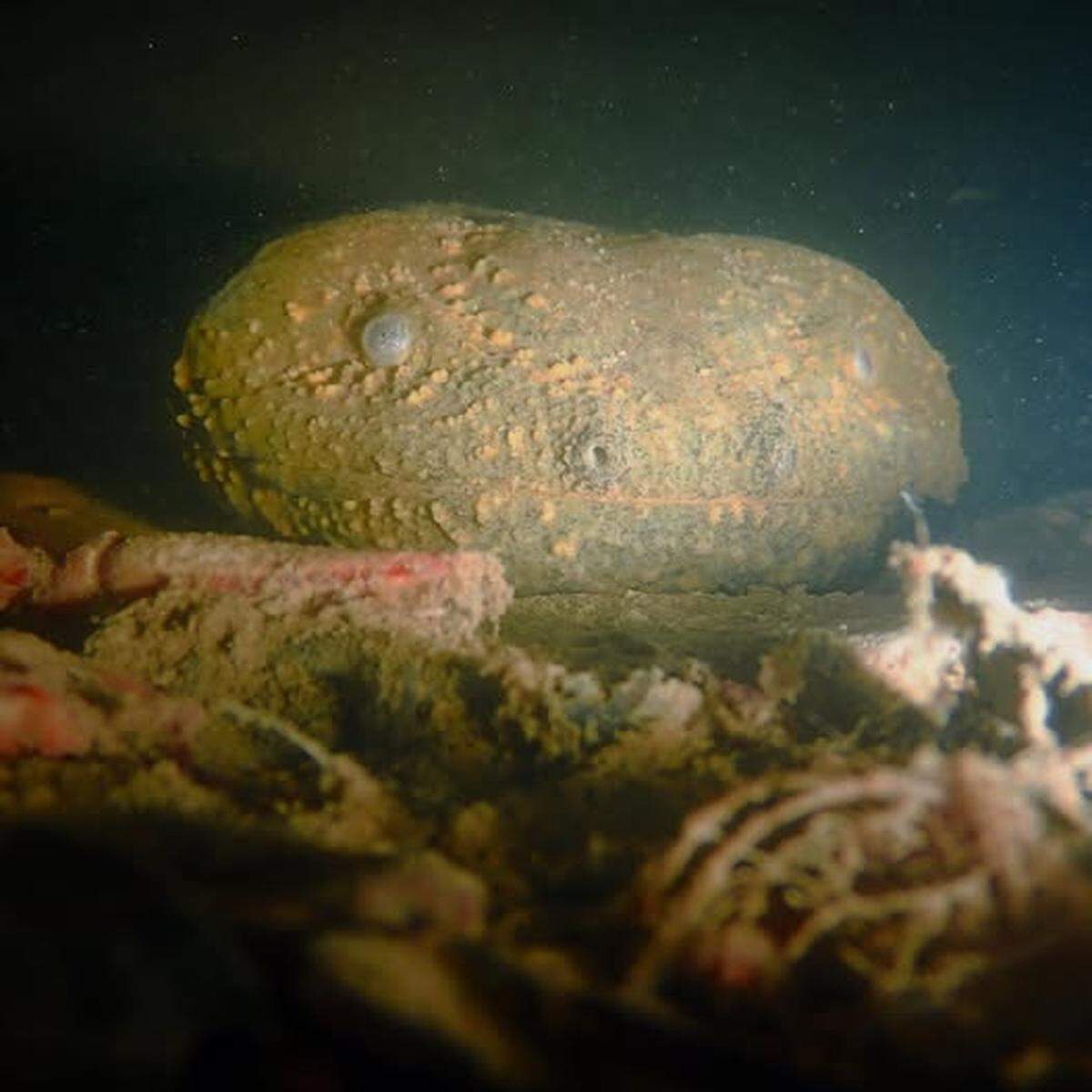
But the bill was amended in the House to add a few more creatures: shelter and rescue dogs and cats as official pets of Kentucky, the eastern spotted skunk as the official state nongame mammal, and the eastern hellbender as the state amphibian.
It cleared both chambers with bipartisan support on April 15.
Barring a veto from Gov. Andy Beshear, proud pet paw-rent to First Dog Winnie, the bill will become law this summer.
“As most Kentuckians know, Gov. Andy Beshear loves dogs, and Winnie — the labradoodle he and the First Lady adopted from a neighbor — is the star of their home,” Beshear spokesperson Scottie Ellis said in a statement to the Herald-Leader.
“However, when it comes to this session, the Governor would have preferred the General Assembly focus more on passing legislation to help Kentuckians with affordability, health care and pre-K for 4-year-olds rather than taking the time to name a state dog, pet and amphibian.”
As of Saturday afternoon, the governor had not acted on the bill. If he does not veto or sign it within 10 days, excluding Sundays, it will become law without his signature.
Kentucky has already added one other state symbol in 2026.
Senate Bill 19, sponsored by Sen. Scott Madon, R-Pineville, named the indigo milk cap as the official mushroom. Beshear allowed it to become law without his signature. In 2024, Beshear signed House Bill 378, which straightened out a mix-up between Kentucky’s state rock (now coal), mineral (now calcite) and gemstone (now agate).
Official pets of Kentucky: shelter dogs and cats
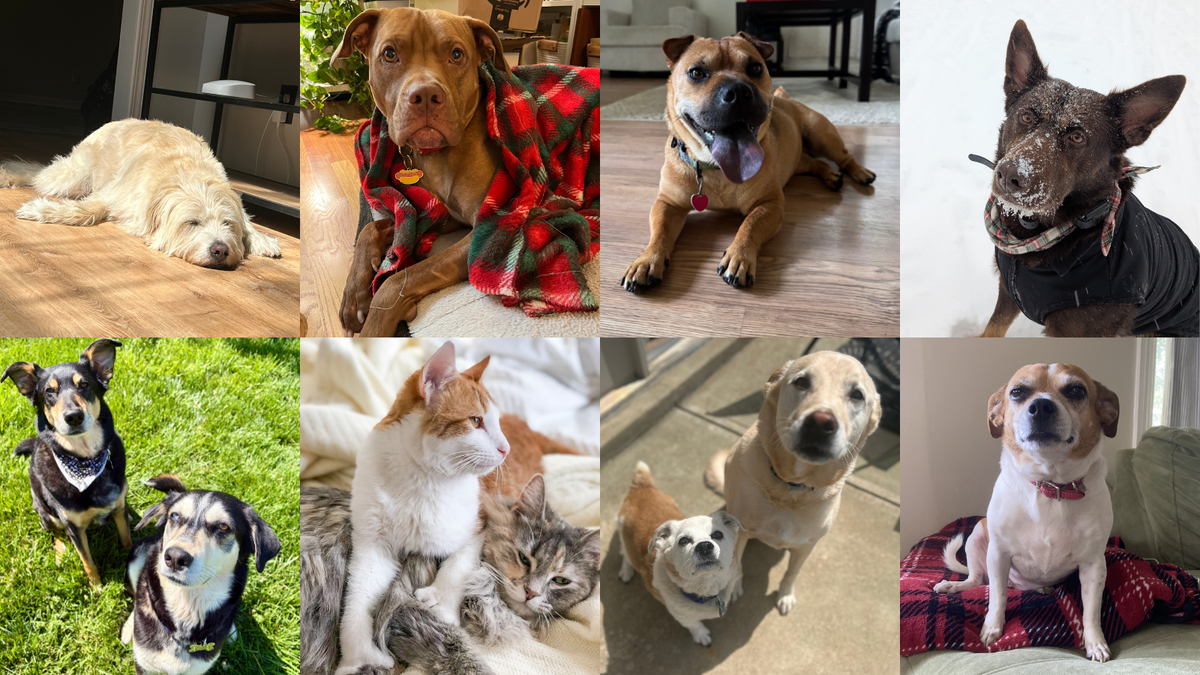
Domestic cats and dogs, whether they’re purebred or mixed breed, “that reside in or have been adopted from Kentucky animal shelters or rescue organizations” are named official pets, thanks for a floor amendment from Rep. Erika Hancock, D-Frankfort.
Hancock, a lawmaker in her second year, has filed bills during both sessions of the General Assembly she’s served in seeking to make shelter pets a new state symbol. The bills did not get committee hearings either year.
Shelters across Kentucky are struggling to keep up with the number of pets in need of homes, especially large dogs.
According to the bill’s language, more than 60,000 animals enter Kentucky shelters annually, “placing substantial demands on local communities and their fiscal resources.”
Find an animal shelter near you at kyspayneuter.com.
Official dog of Kentucky: treeing walker coonhound
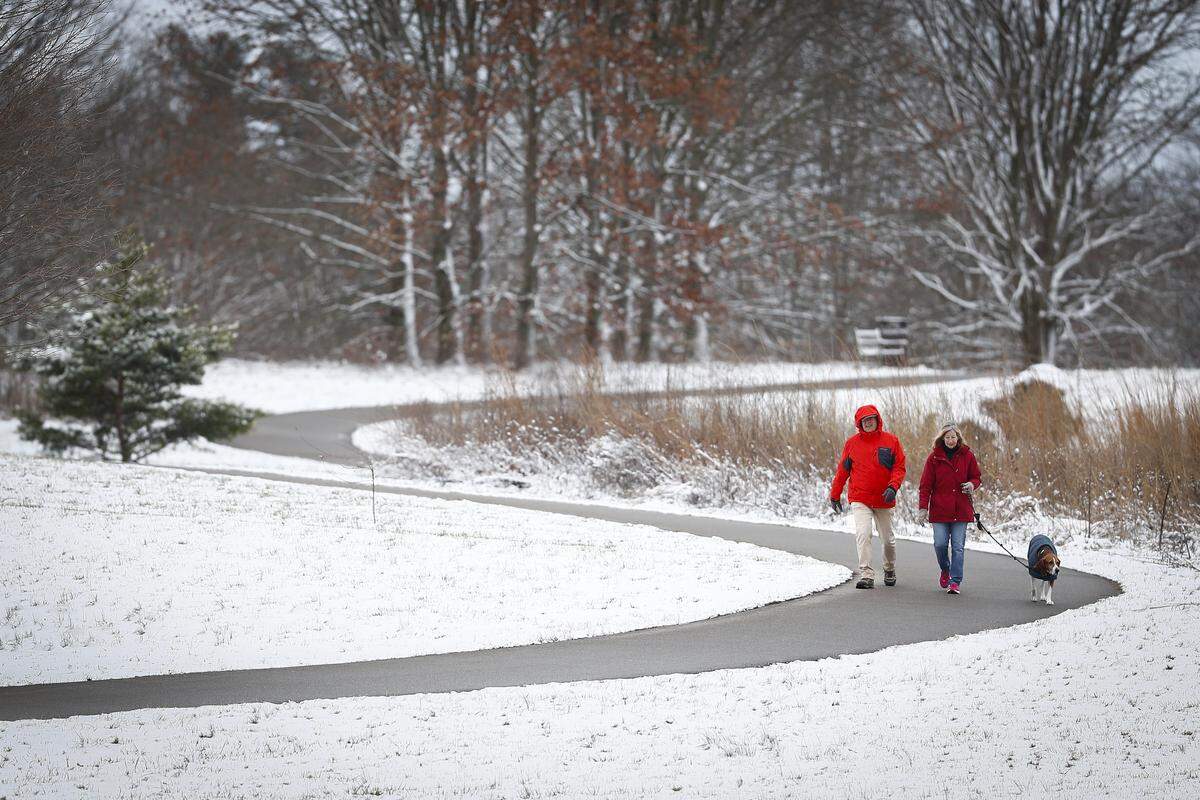
The treeing walker coonhound was developed in the 19th century by two Kentucky breeders, John W. Walker and George Washington Maupin, in Madison County, according to the bill.
The American Kennel Club describes the breed as a “smart, brave and sensible hunter.”
Averaging between 50 and 70 pounds, these hounds are generally affectionate with family and good with young children and other dogs, per the AKC. They’re also extremely trainable, high-energy and need a job or activity to keep their brains busy.
Official amphibian of Kentucky: eastern hellbender
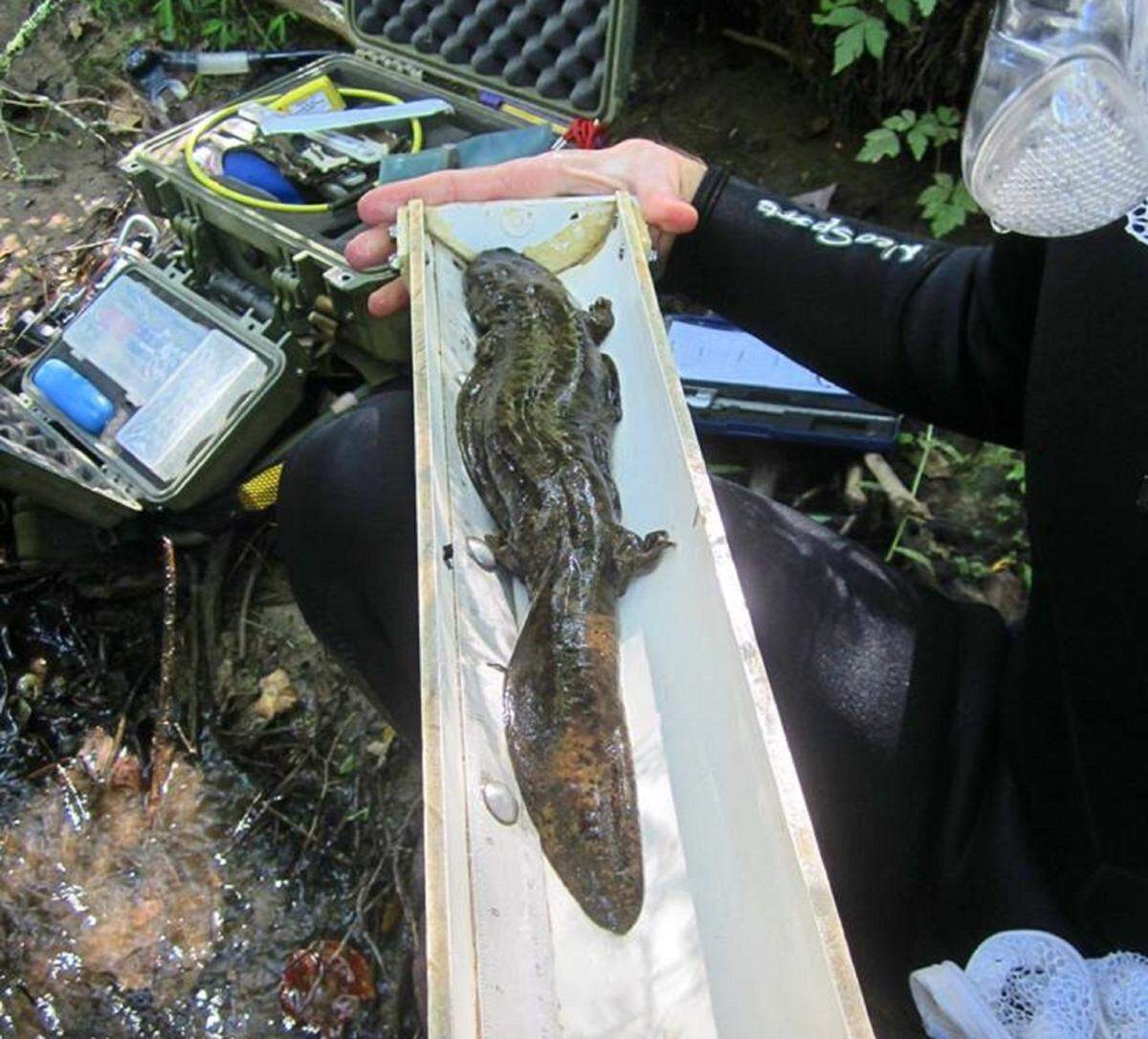
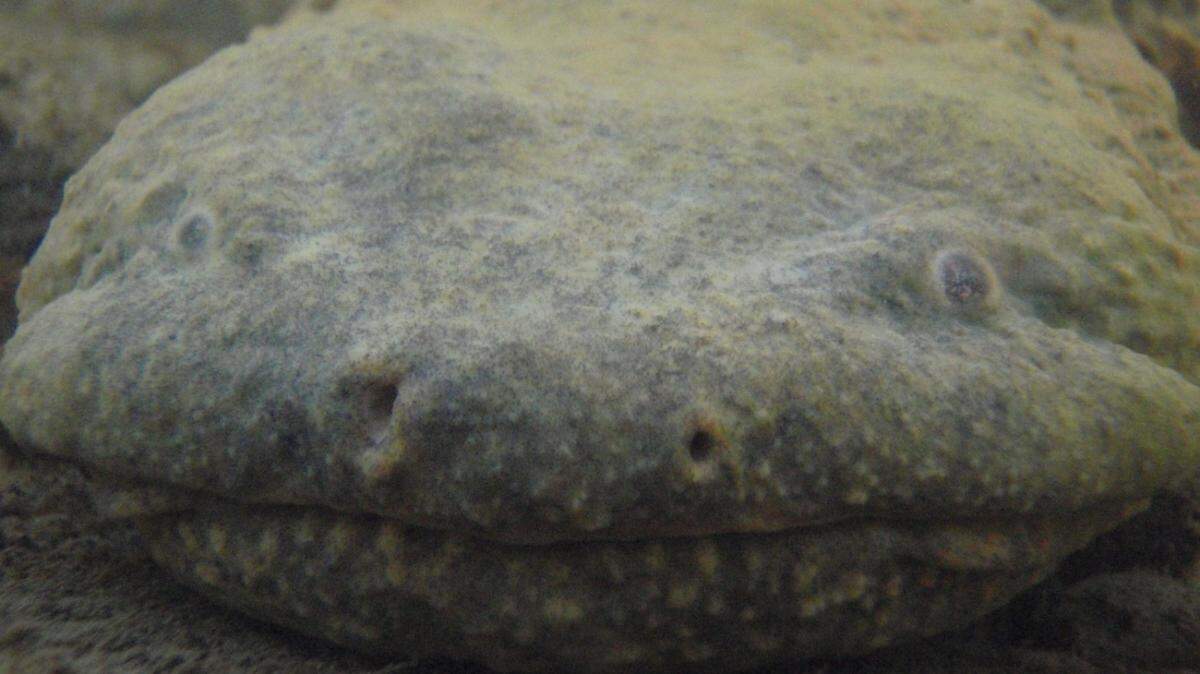
This rare, giant salamander is found in 15 states, including Kentucky, but has faced a declining population in recent years due to habitat destruction and worsening water quality, according to the U.S. Fish and Wildlife Service.
Eastern hellbenders are found as far north as New York and as far south as Mississippi, Alabama and Georgia. The largest salamander in the United States, they can grow to weigh more than 2 pounds and average about 17 inches long, though they can top 2 feet, according to the federal Natural Resources Conservation Service.
They live their entire lives in streams and rivers, spending most of their time lying motionless under large, flat rocks, per the USFWS.
In addition to their large tails and tiny eyes, eastern hellbenders have “numerous fleshy folds along the sides of their bodies,” which “provide surface area” because they breathe entirely through their skin. Because of this, clean water is extremely important for their survival.
The Kentucky Department of Fish and Wildlife Resources posted on social media about a hellbender sighting in Eastern Kentucky last July, noting they are often a “canary in the coal mine”️ for stream health.
“Because they require clean water and stable habitat, their presence can signal a healthy ecosystem — and their decline can be an early warning sign of environmental problems,” the department said.
Official nongame mammal of Kentucky: eastern spotted skunk
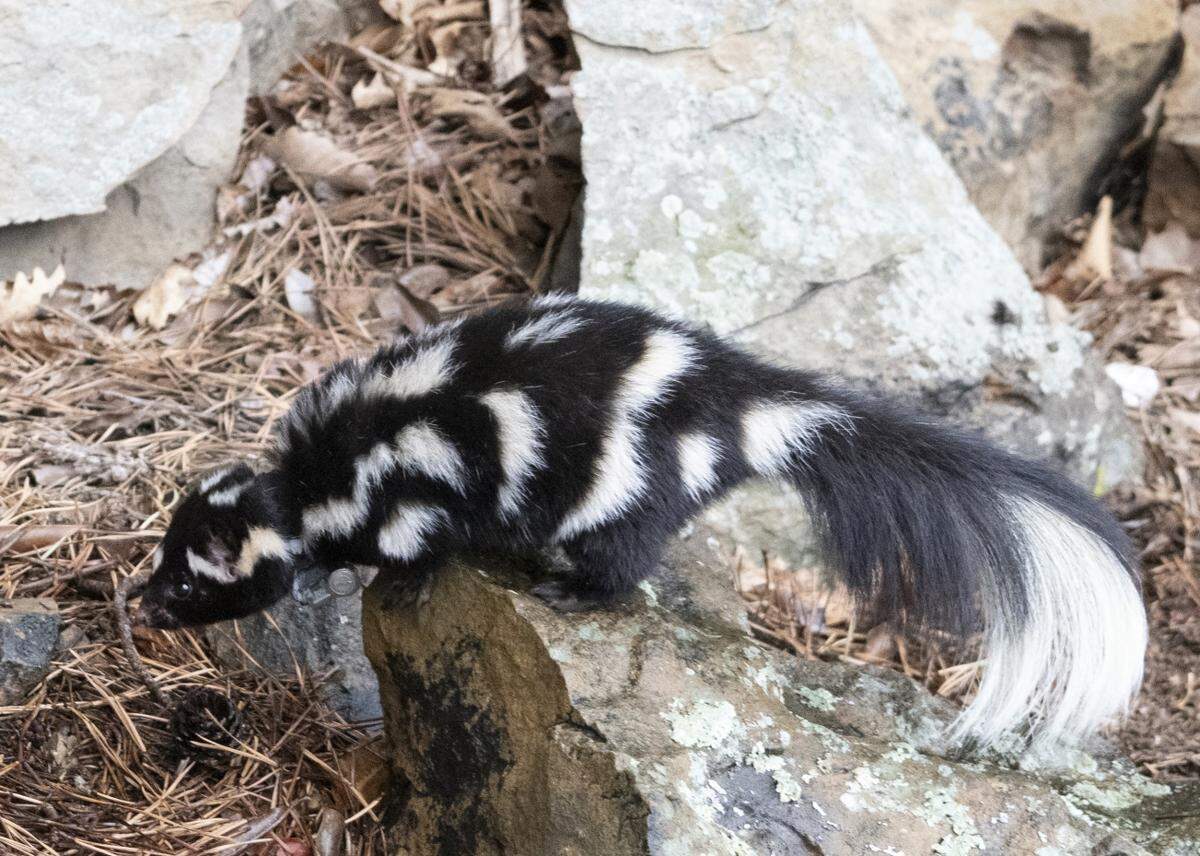
The eastern spotted skunk is one of the smallest skunks, according to USFWS. It has short legs and a long, bushy tail with a white tip.
Like the hellbender, this skunk is a native species in Kentucky.
These skunks are also facing population declines, according to the North Carolina Wildlife Resources Commission.
Spotted skunks can climb trees, and when threatened, they go into a “defensive posture in which they do a hand-stand on their two front legs, with their tail extended vertically into the air and their hind legs spread apart,” the NCWRC says. “While in this handstand position, they can move towards the threat, balancing themselves on their forelegs and directing their anal glands toward the danger.”
Other Kentucky state symbols
Kentucky’s many “official” designations are defined in Kentucky Revised Statutes Chapter 2.
Some other notable and lesser-known state symbols:
- Honeybee, agricultural insect.
- Viceroy, butterfly.
- Milk, drink.
- Gray squirrel, wild animal game species.
- Appalachian dulcimer, musical instrument.
- Corvette, sports car.
- Kentucky long rifle, gun.
- Fordsville (Ohio County) Tug-of-War Championship Contest, tug-of-war championship.