Lot of talk, little action: 5 high-profile KY bills that did not become law

During the legislative session, it’s not just about what becomes law. It’s also about what the Kentucky General Assembly didn’t have the appetite for.
The legislature’s top priority was to pass the next two-year state budget, a one-time spending bill for projects across the commonwealth and other funding-related bills. While lawmakers introduced more than 1,000 non-budget-related bills, most never become law.
From data centers to social issues, here are some of the notable bills the Herald-Leader followed during session that didn’t make it across the finish line.
Medical conscience
Senate Bill 72 would have codified health care providers’ “right to refuse to participate in any health care service which violates (their) conscience,” also referred to as “medical conscience” rights.
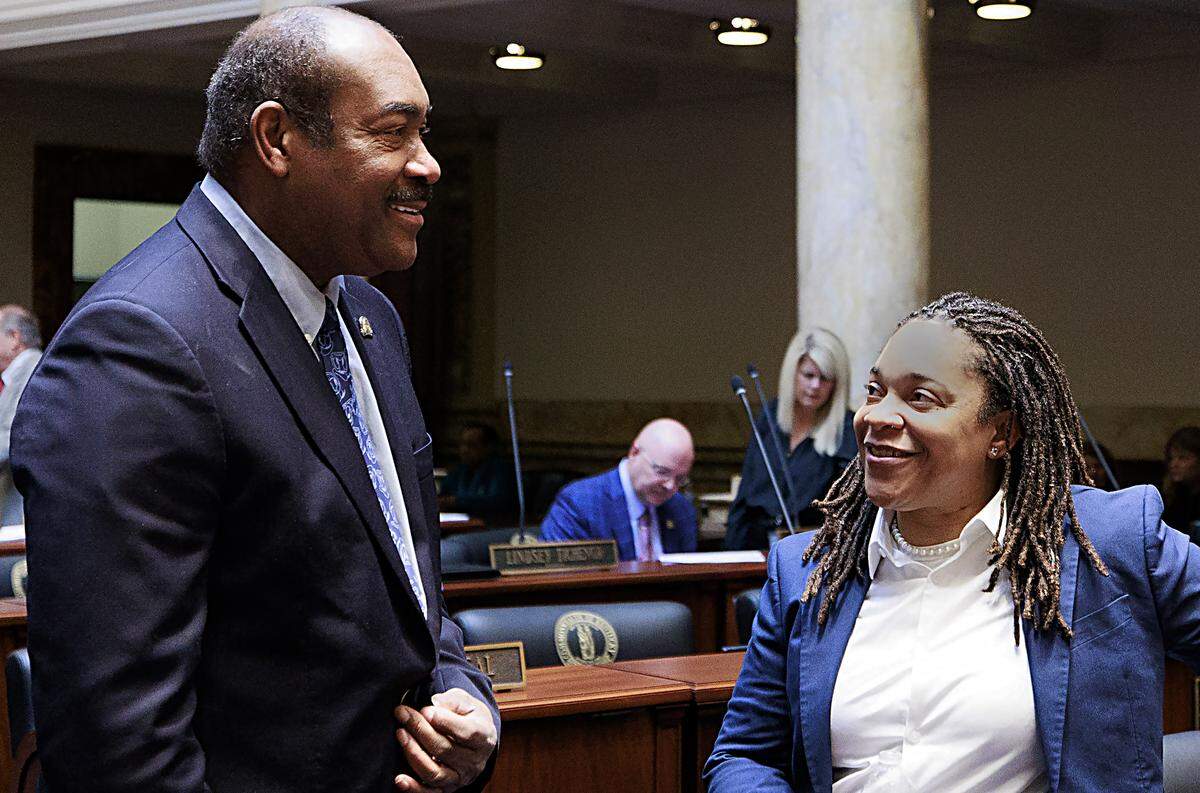
The bill, sponsored by Sen. Donald Douglas, R-Nicholasville, passed the Senate on partisan lines, but was never assigned to a committee in the House.
It defined conscience as “sincerely held religious, moral, or ethical principles held by a health care professional or a health care institution.” Douglas said at the bill’s committee hearing the legislation would be a tool to welcome health care providers and thank them for their dedication.
“Even though we’re going to continue to expect the highest level of professionalism from you, we will honor your individuality as a person and your values, just like we do everybody else,” Douglas, who is a physician, said.
Health care services that could have been denied under the bill included: referral; testing; diagnosis; dispensing or administering any drug, medication, or device; psychological therapy or counseling and more.
Critics of the bill said because it gives providers broad ability to decline care, it would hurt patients of all political and cultural stripes, particularly those in the LGBTQ community. That included Chris Hartman, executive director of the Fairness Campaign, who said the scope of the bill was too broad.
Charlie Kirk Day
Two Republican state lawmakers wanted to memorialize right-wing influencer Charlie Kirk in Kentucky.
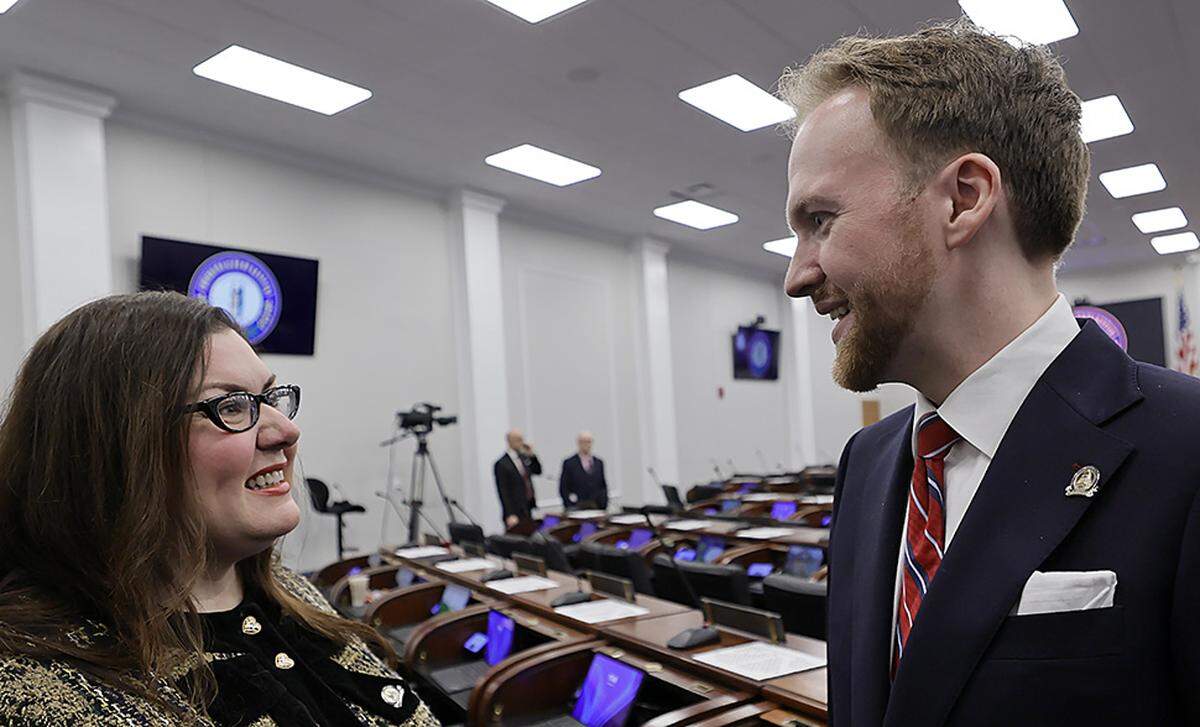
Rep. TJ Roberts and Sen. Steve Rawlings, both from Burlington, introduced legislation to designate Oct. 14, Kirk’s birthday, as “Charlie Kirk Day” to “honor his legacy as a martyr for truth and liberty,” according to the bill’s language.

Neither House Bill 87 nor Senate Bill 31 received a committee hearing.
Kirk founded Turning Point USA, a nonprofit student organization that advocates for conservative principles on high school and college campuses. In September 2025, Kirk was fatally shot at an event on Utah Valley State’s campus.
Roberts and Rawlings said after Kirk’s death they planned to file bills so that “Charlie Kirk Day” could serve as a renewal of the “commitment to uphold respectful dialogue, courage in the face of adversity and the conviction that faith and truth endure.”
While neither bill became law, lawmakers passed, and the governor signed, a resolution to name a portion of a Kentucky highway in Boone County after Kirk. Senate Joint Resolution 139 also honors dozens of other Kentucky figures by naming sections of road after them.
Interfering with a religious service
A bill that would have made it a crime to interfere with a religious service was assigned to the House Judiciary Committee but never received a hearing.
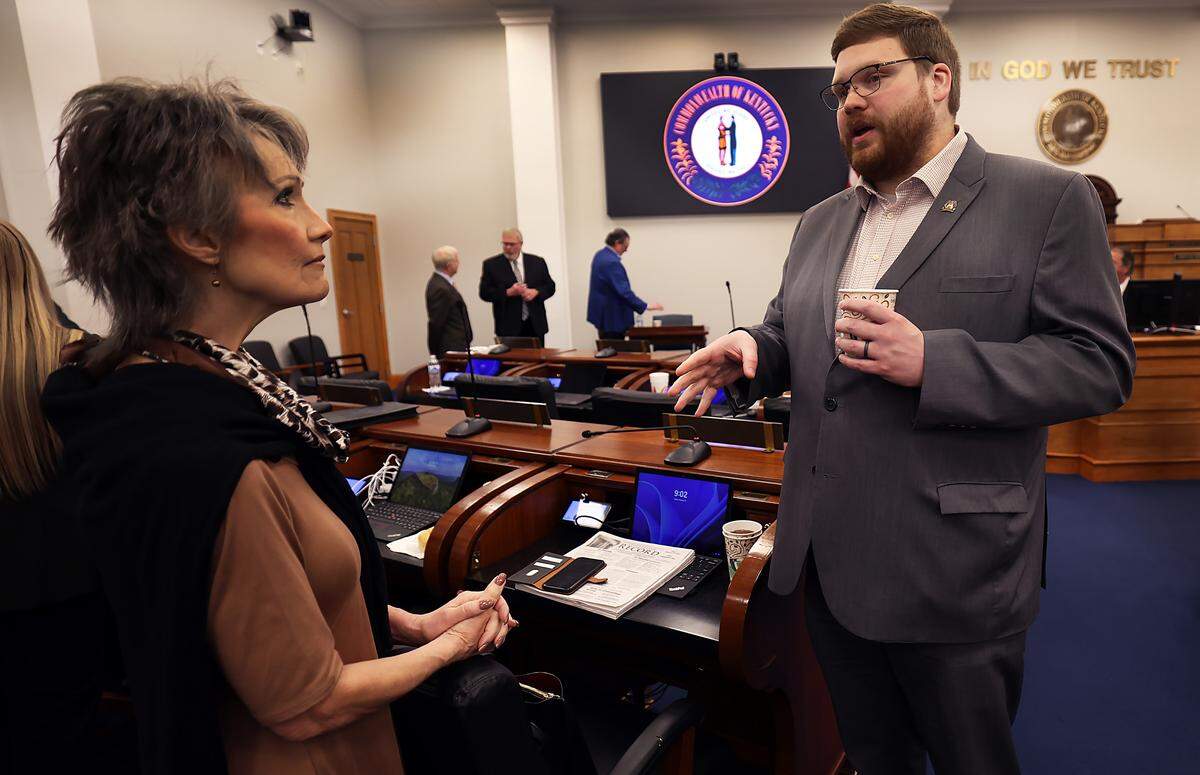
Rep. Mitch Whitaker, R-Fleming-Neon, filed House Bill 540, which would have made it a Class A misdemeanor to disrupt or prevent participation in a religious service.
A person would be guilty of disrupting service when they commit any act intending to “obstruct, or physically or audibly interfere” with access to the service, attempt to damage or destroy any of property of the religious organization or “injure, intimidate, or interfere.”
The bill was filed in response to a controversial January church protest in Minnesota against the Trump administration’s immigration policies. Thousands protested following the death 37-year-old ICU nurse Alex Pretti and Renee Good, a 37-year-old mother of three, who were fatally shot by federal agents in separate incidents.
One protest occurred at Cities Church in St. Paul where protesters said one of the pastors was in immigration enforcement official. After the protest, two journalists were arrested for covering the protest at the church and face federal charges, a development that alarmed free speech advocates and press freedom groups.
Whitaker said Kentucky law falls short in protecting religious services, but critics of the bill said there were plenty of safeguards in place.
“Destruction of property and other items mentioned in the bill are already considered criminal,” said Angela Cooper, communications director for the ACLU of Kentucky. “Drafting new legislation based on a single event that took place in another state is a poor use of time when Kentucky has so many existing laws.”
Data centers, ratepayer protections
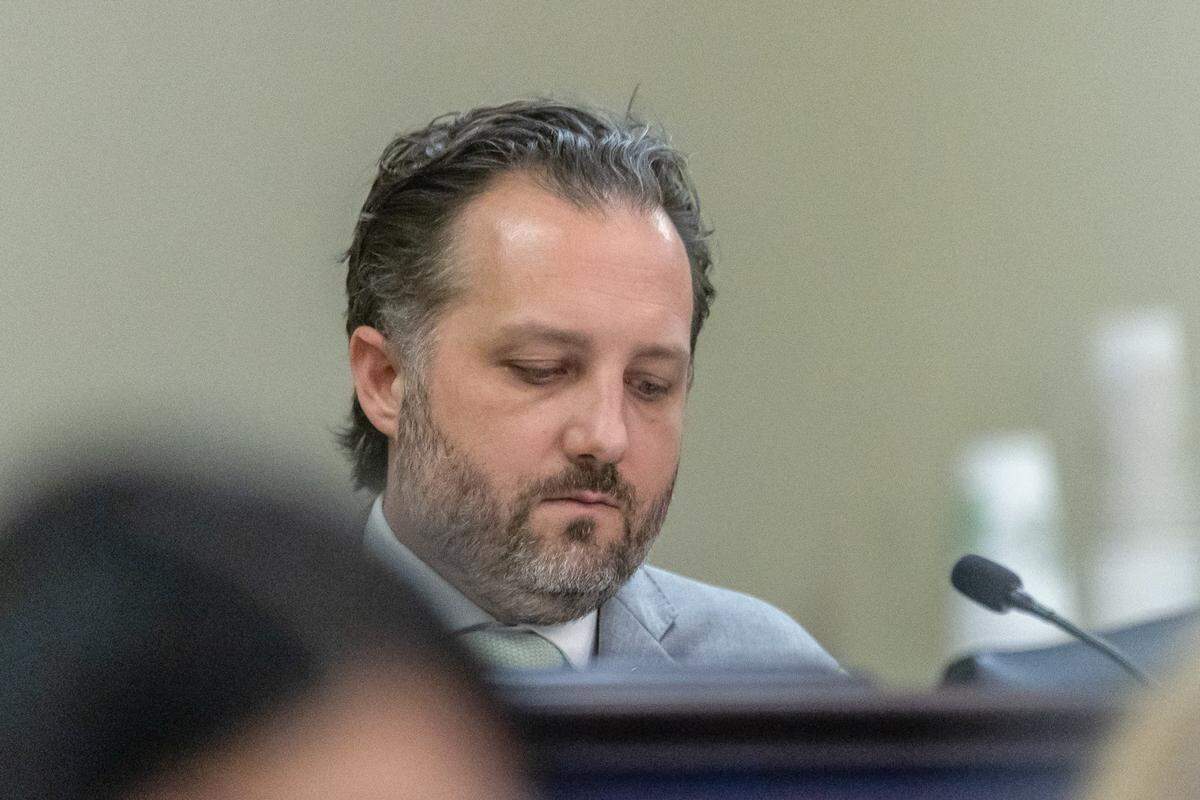
House Bill 593, sponsored by Rep. Josh Bray, R-Mount Vernon, would have let data centers use public utilities, but only if they agree to cover transmission and infrastructure costs related to their facility’s operations. Those contracts would make sure costs incurred by building or running data centers would not be passed onto existing utility customers.
If a company did not enter into a power purchase agreement, the bill would mandate it generate its own electricity and donate the excess to a local utility. The proposal also would have added a $75,000 application fee for companies seeking connection to utilities for a data center project and made sure tax breaks could only be guaranteed upon compliance with local rules.
The bill had near unanimous support in the House but stalled in the Senate before provisions were revived and added to a different bill before it was stripped on the final day of session.
Bray said companies like Amazon and Google that are building data centers were supportive of the policy, but the state’s largest, private utility company, Louisville Gas and Electric Co. and Kentucky Utilities, was not.
The utility companies have been intent on working with the state’s utility regulator, the Public Service Commission, rather than the legislature on setting rates for customers that bring a large load.

Last year, the commission gave the companies the green light to spend $3 billion on gas power plants LG&E said it needed for future data centers. The company also asked the commission if it could require its data center customers to sign contracts that ensure they pay for at least 80% of the power they say they plan to use — even if the data center uses less — an attempt by the company to guarantee data companies cover their fair share.
Out-of-state abortion and abortion medication
Democrat-sponsored legislation filed this session to protect medical privacy and prevent criminalization of those who seek reproductive health care outside of Kentucky was also among those that did not pass.
House Bill 23, sponsored by Rep. Lindsey Burke, D-Lexington, followed the indictment of a Campton woman on a count of first-degree fetal homicide, concealing the birth of an infant, abuse of a corpse and tampering with physical evidence after she used mail-ordered medication to abort a pregnancy at home. The prosecutor later moved to dismiss the fetal homicide charge, citing state statute that said the charge does not apply to “any acts of a pregnant woman that caused the death of her unborn child.”
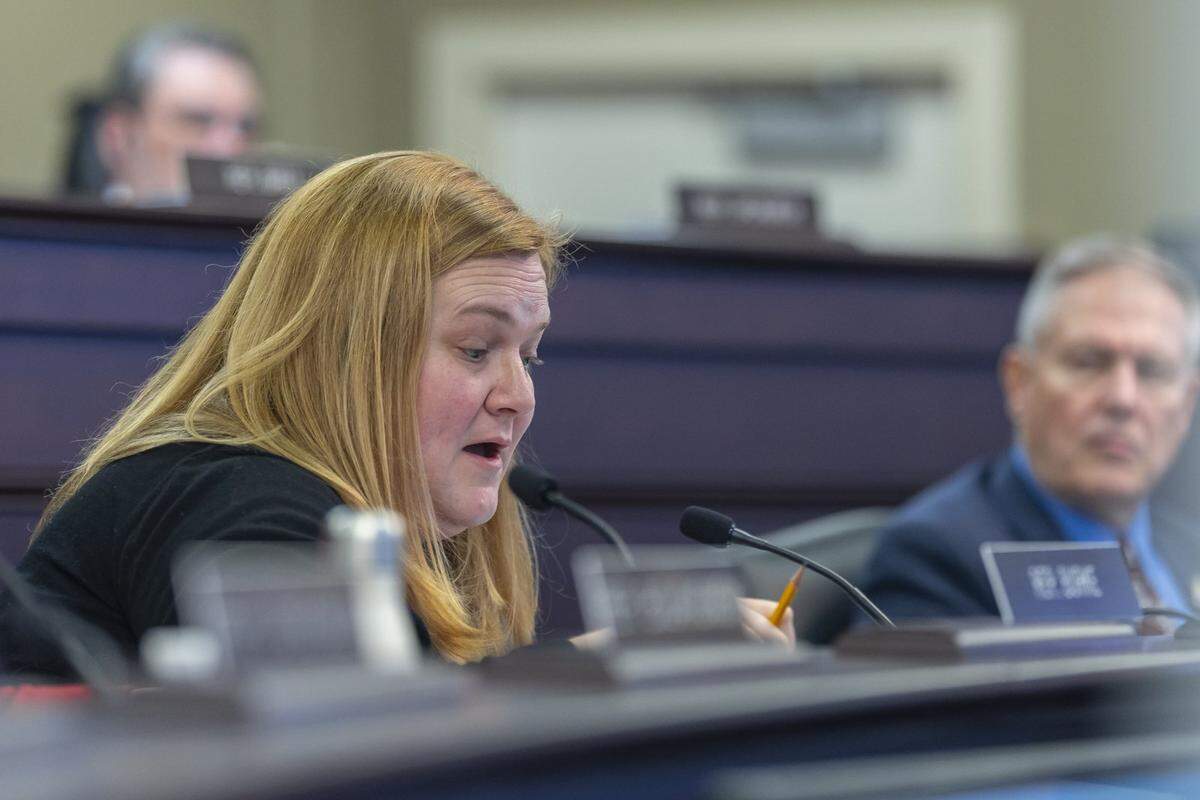
Burke said the bill would not change Kentucky’s abortion laws, but rather would ensure “we do not further weaponize those laws to create a climate of fear.”
Language in the bill would have made it so researching abortion care, assisting in travel to or for care, and offering medical support related to reproductive health care could not be grounds for any type of punishment. It also would have protected licensed professionals from disciplinary action and would have prevented state agencies from interfering with a person’s planned interstate travel.
“As escalating federal threats could impose even more restrictions on crucial reproductive care, this legislation acts in fierce defense of patients, providers, and the sanctity of private medical information,” said Tamarra Weider, Kentucky State Director for Planned Parenthood Alliance Advocates. “We refuse to stand idly by as politicians chip away at our basic freedoms.”
Kentucky Right to Life, which is part of an anti-abortion coalition, did not support the bill it said was “designed to shield actions that facilitate the termination of human life from accountability.”
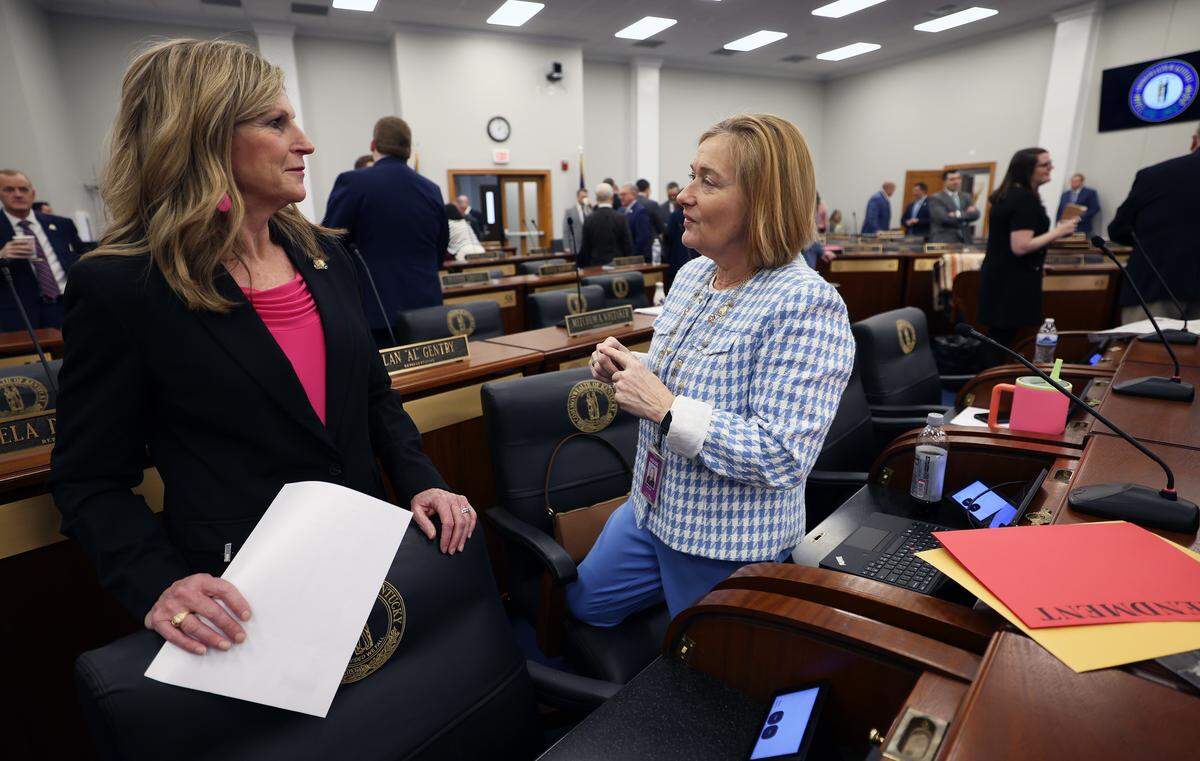
The group advocated during session for House Bill 646 that would have criminalized the importation of pills that induce abortion. That bill, sponsored by Rep. Nancy Tate, R-Brandenburg, also did not pass.
.JPG)