‘I’m weary.’ UofL chief doctor calls on lawmakers to enact stronger gun regulations
READ MORE
Louisville Old National Bank shooting
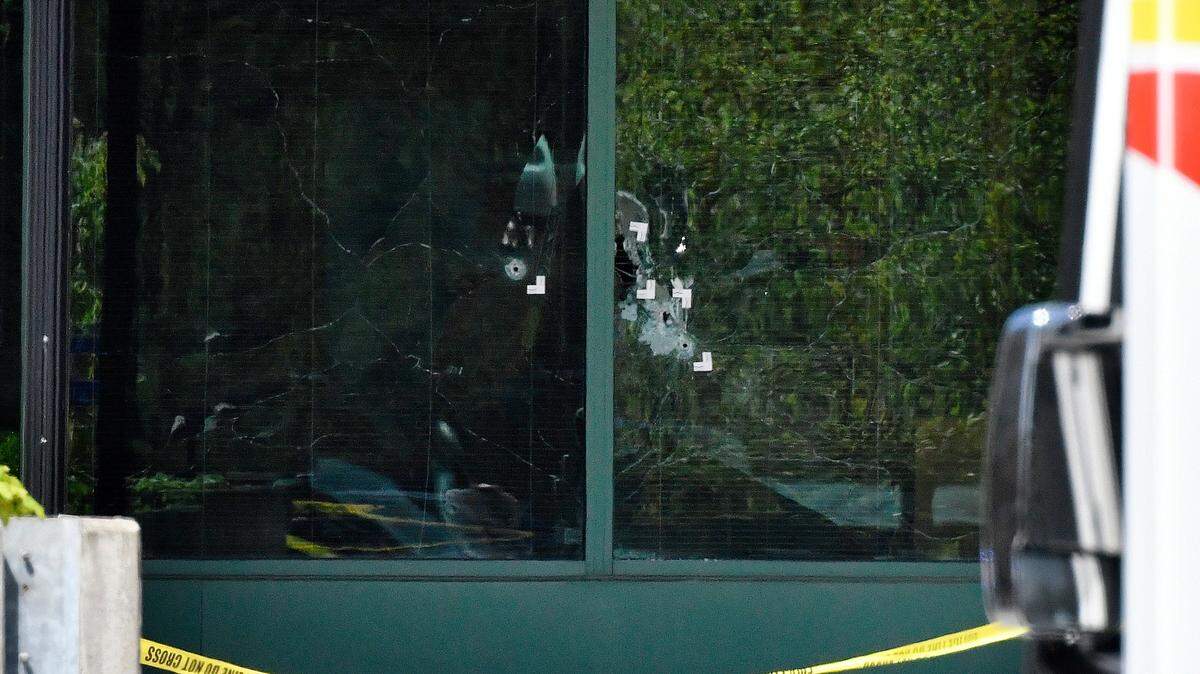
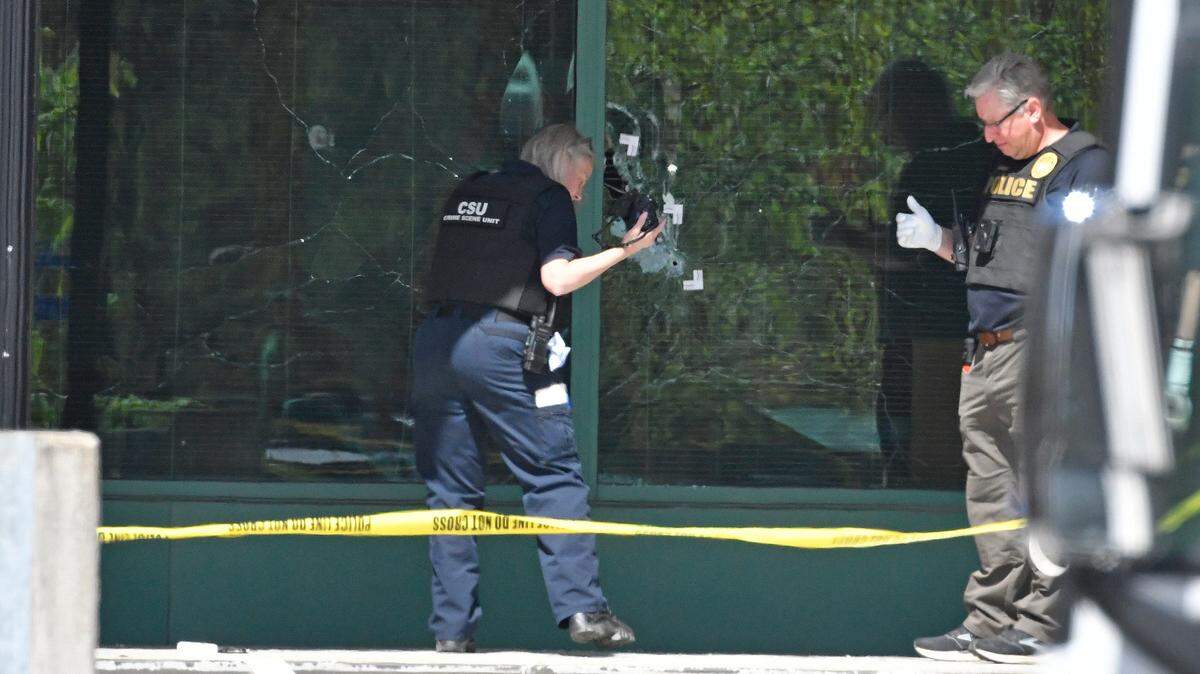
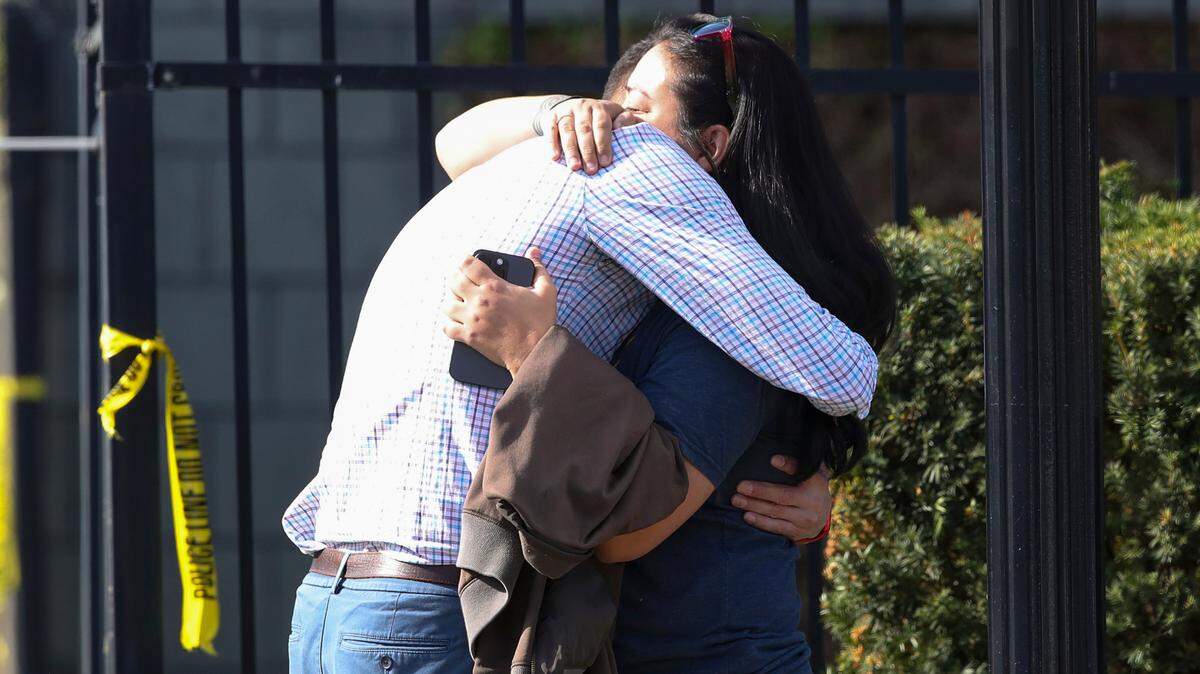
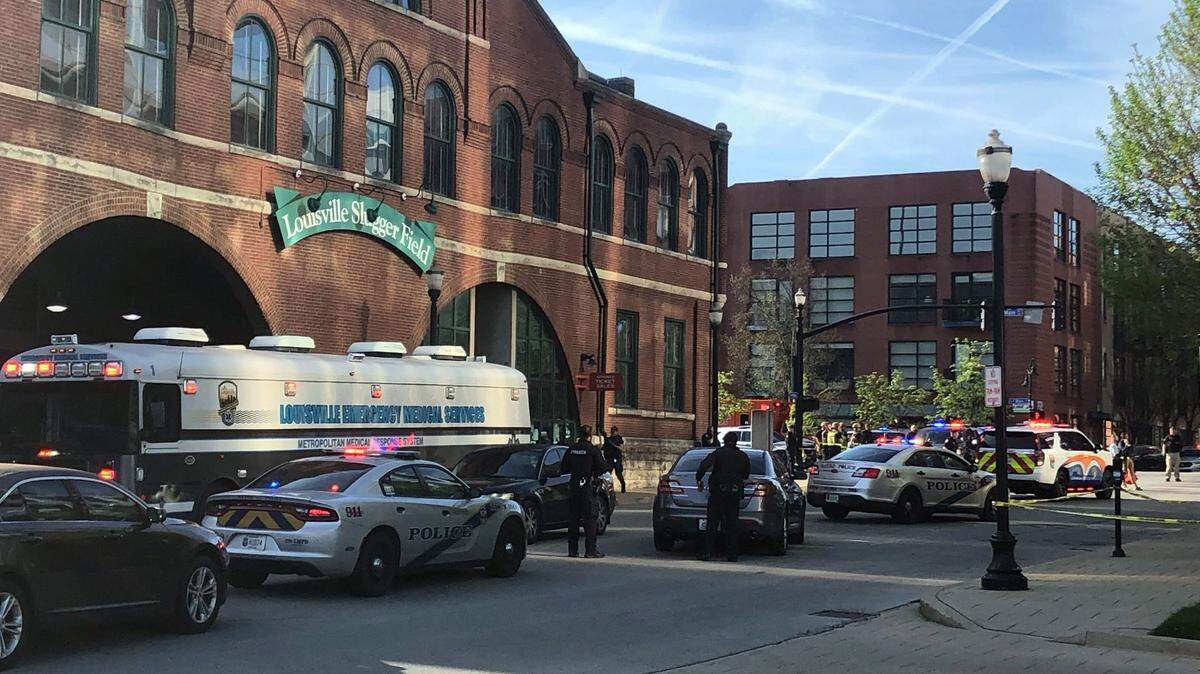
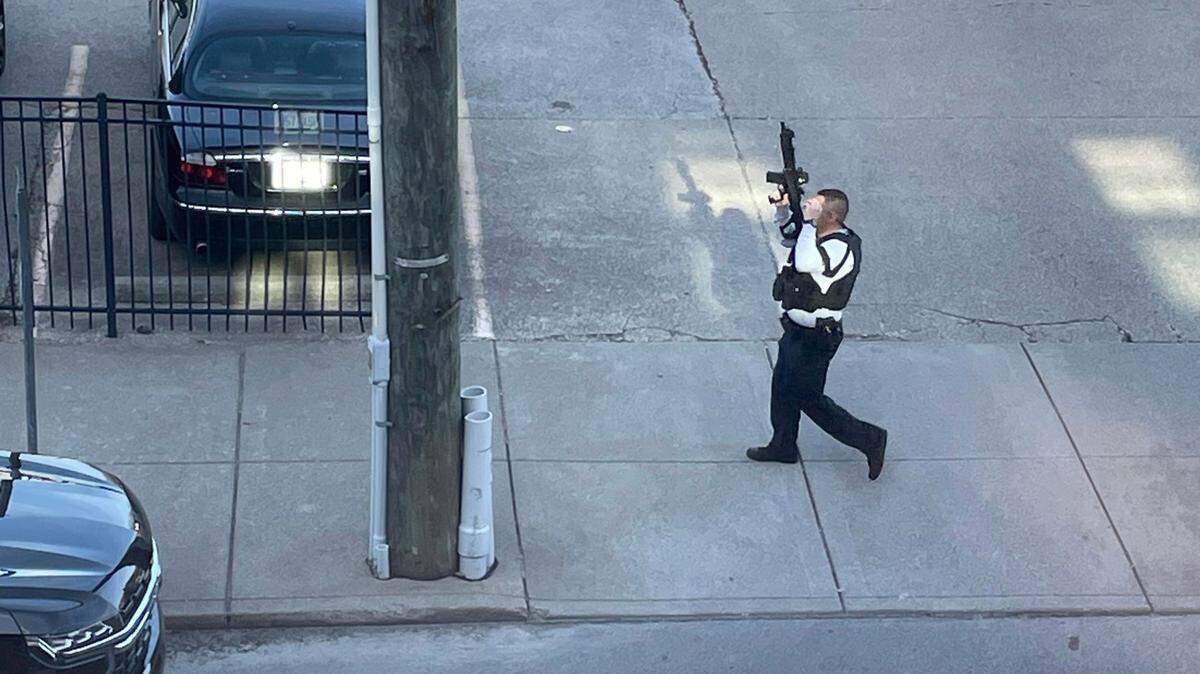
Six people are dead and nine people were hospitalized after an active shooter opened fire in downtown Louisville on April 10.
Expand All
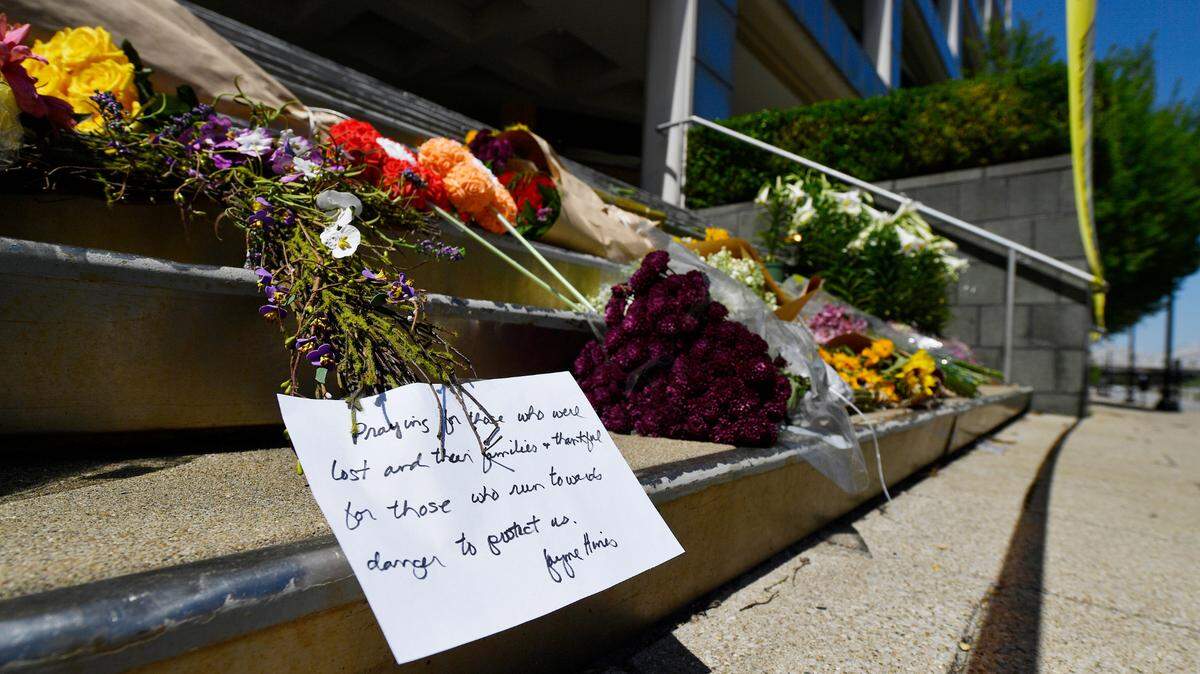
University of Louisville hospital’s chief medical officer joined Mayor Craig Greenberg Tuesday in calling for stricter regulations on firearms a day after a mass shooting killed five people and injured eight others in Kentucky’s largest city.
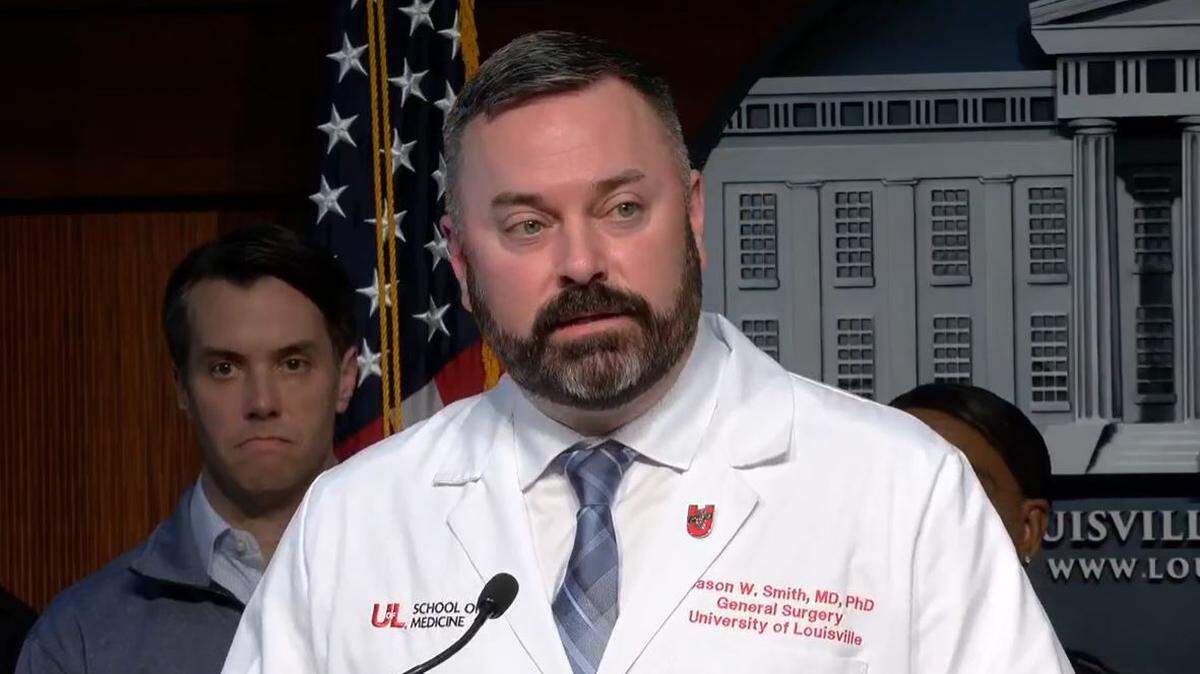
“To everyone who helps make public policy, I would simply ask you to do something, because doing nothing, which is what we’ve been doing, is not working,” Dr. Jason Smith said in a Tuesday morning news conference.
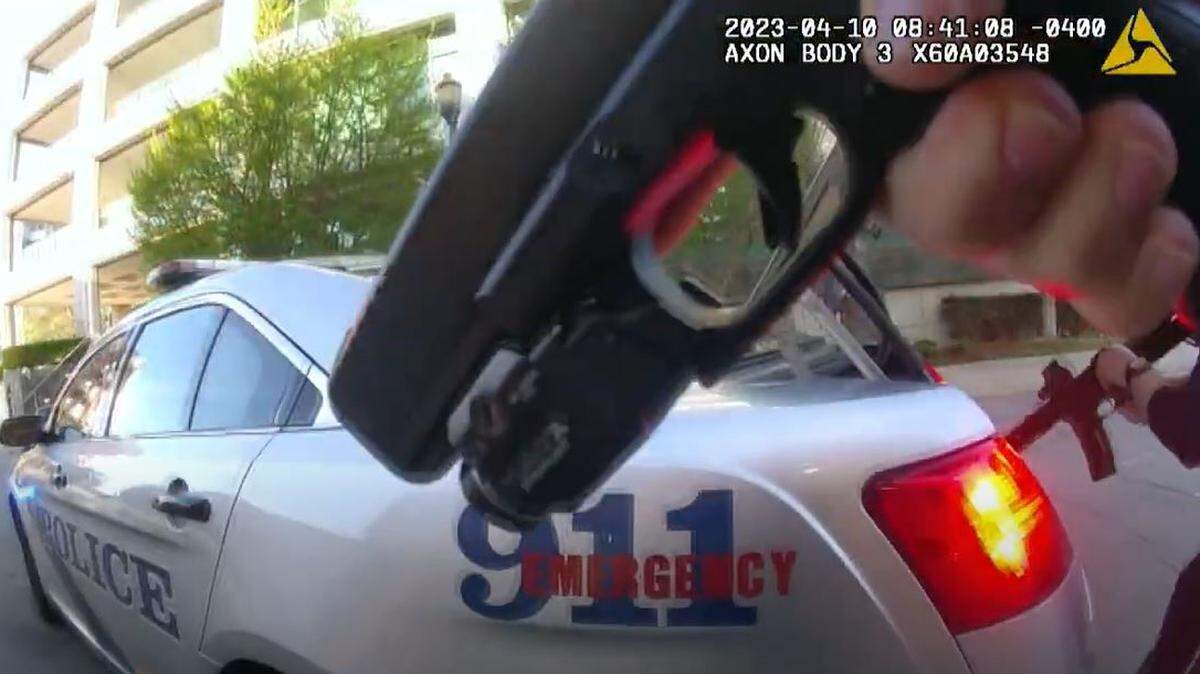
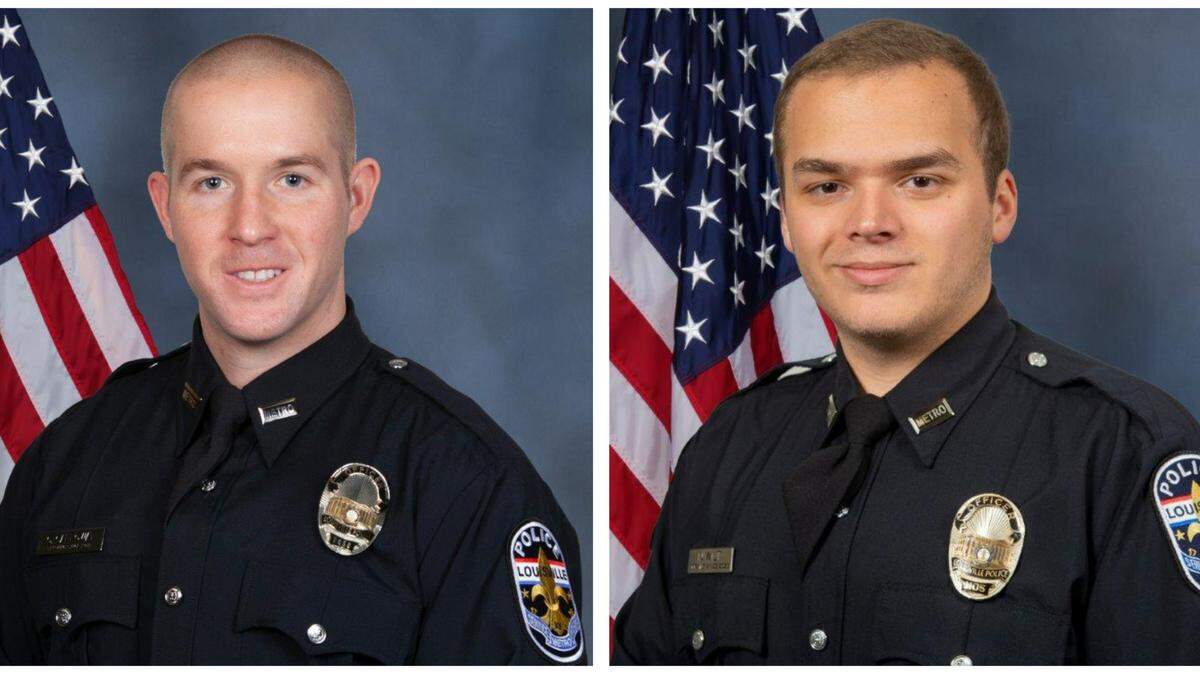
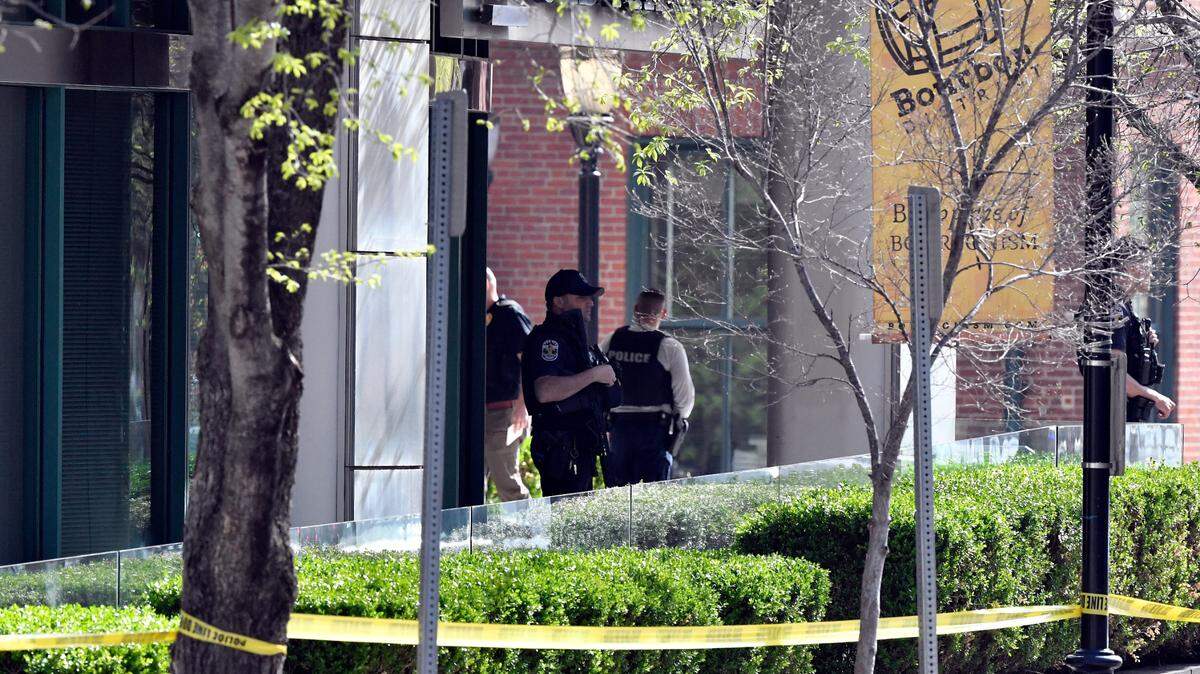
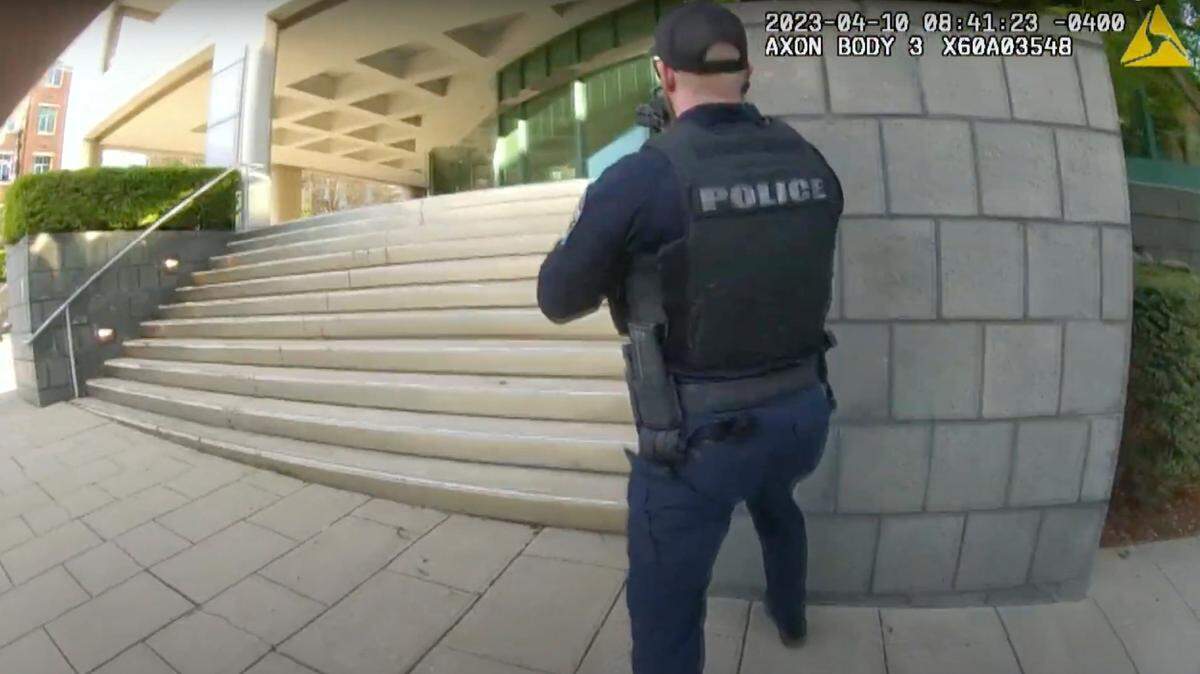
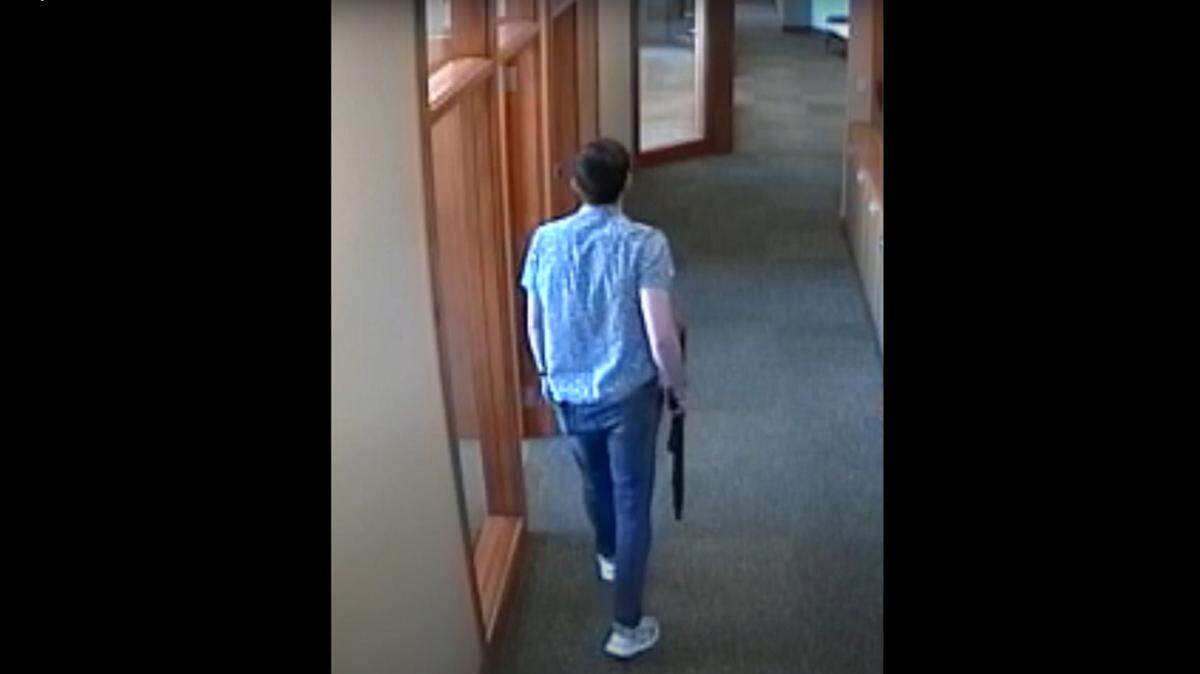
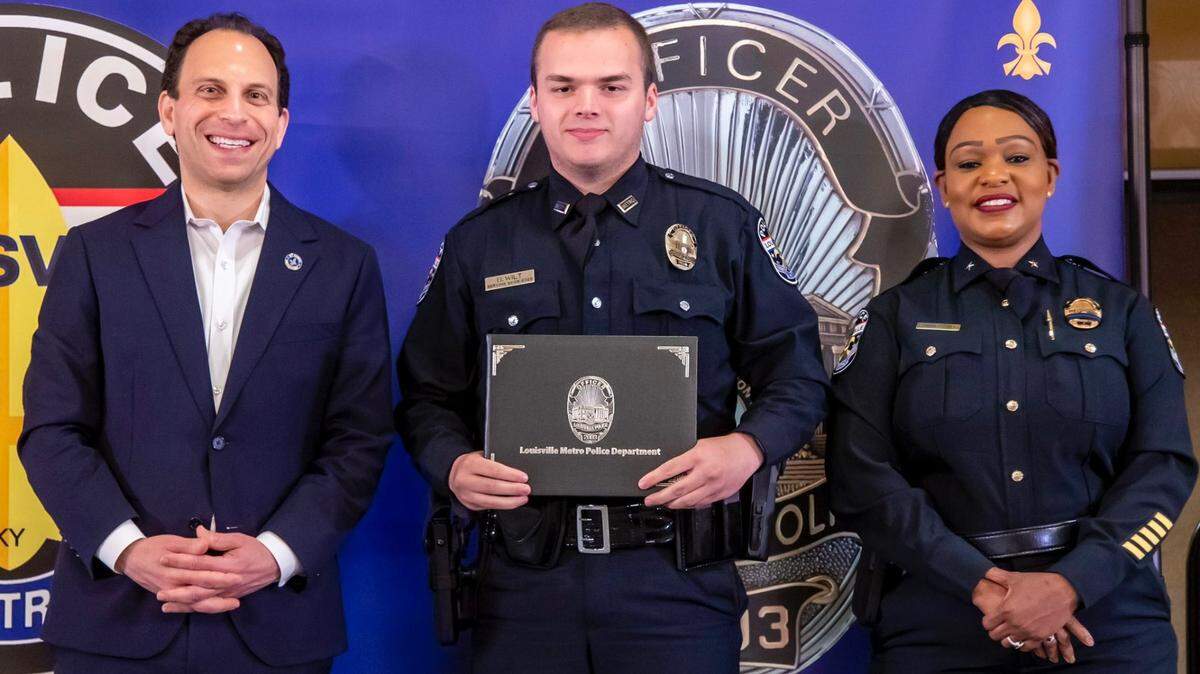
Four of the people injured in Monday’s deadly downtown shooting at Old National Bank in the 300 block of E. Main Street were still being treated at UofL Health Tuesday morning, Smith said. Two remain in an intensive care unit, including Louisville Metro Police Officer Nickolas Wilt, who had been on the job 10 days when he was struck in the head Monday morning by a round from an AR-15 the gunman was wielding. Six people died in the mass shooting, including the gunman.
Nine people were hospitalized with injuries from the shooting, and the hospital used more than 170 units of blood to treat those victims — an amount Dr. Smith said “far outstrips” what the hospital typically has on hand. To acquire what was needed, the hospital pulled from the American Red Cross’ supply.
Though the day was frenzied and the hospital treated multiple people injured from the same incident, it actually wasn’t an atypical day at the hospital, Smith said — the proliferation of gun violence injuries are unfortunately just that common.
“I’ll be honest, caring for three shooting victims plus the other that came in is not an infrequent day for us,” Smith said. “We barely had to adjust our operating schedule to deal with (it). That’s how frequent we are having to deal with gun violence in our community.”
Emotional, Smith, who has worked at UofL Health for 15 years, said he wasn’t “just tired” of providing emergency care to gun violence victims.
“I’m weary,” he said, his voice cracking. “There’s only so many times you can walk into a room and tell someone they’re not coming home. It just breaks your heart when you hear someone screaming, ‘Mommy,’ or ‘Daddy.’’’
“Sooner or later, it catches up to everyone. You just can’t keep doing what we’re doing. You can’t keep seeing all the people with these horrific injuries coming through the door without doing something (larger) to try and help them,” he said.
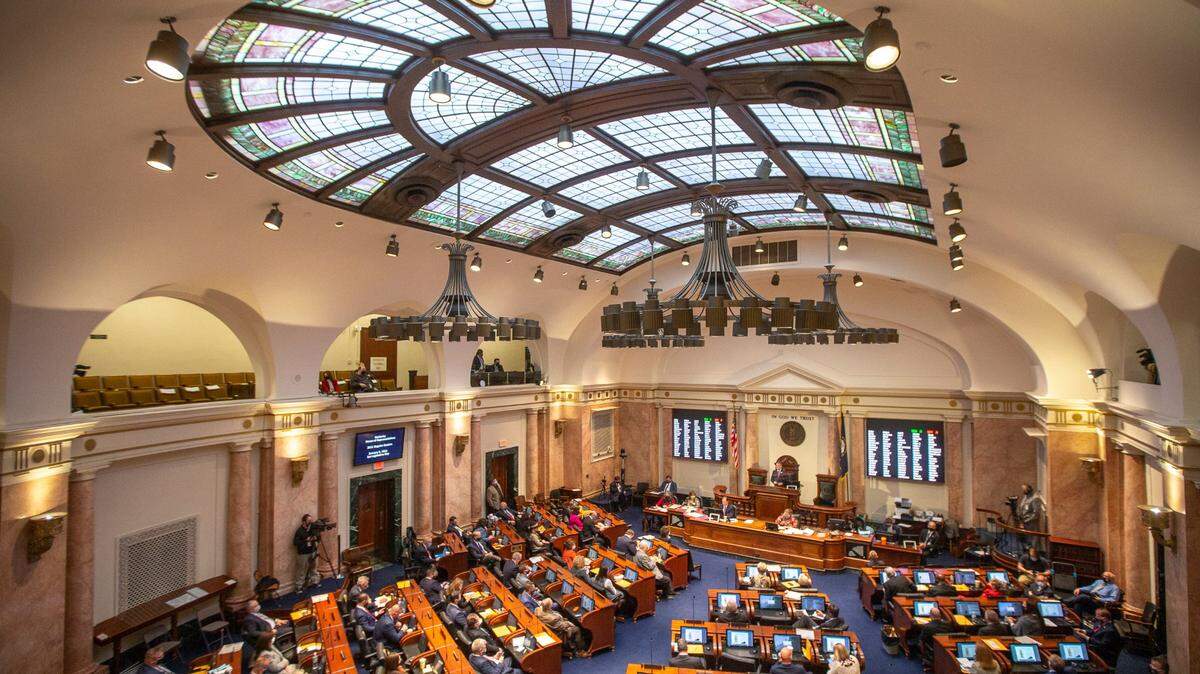
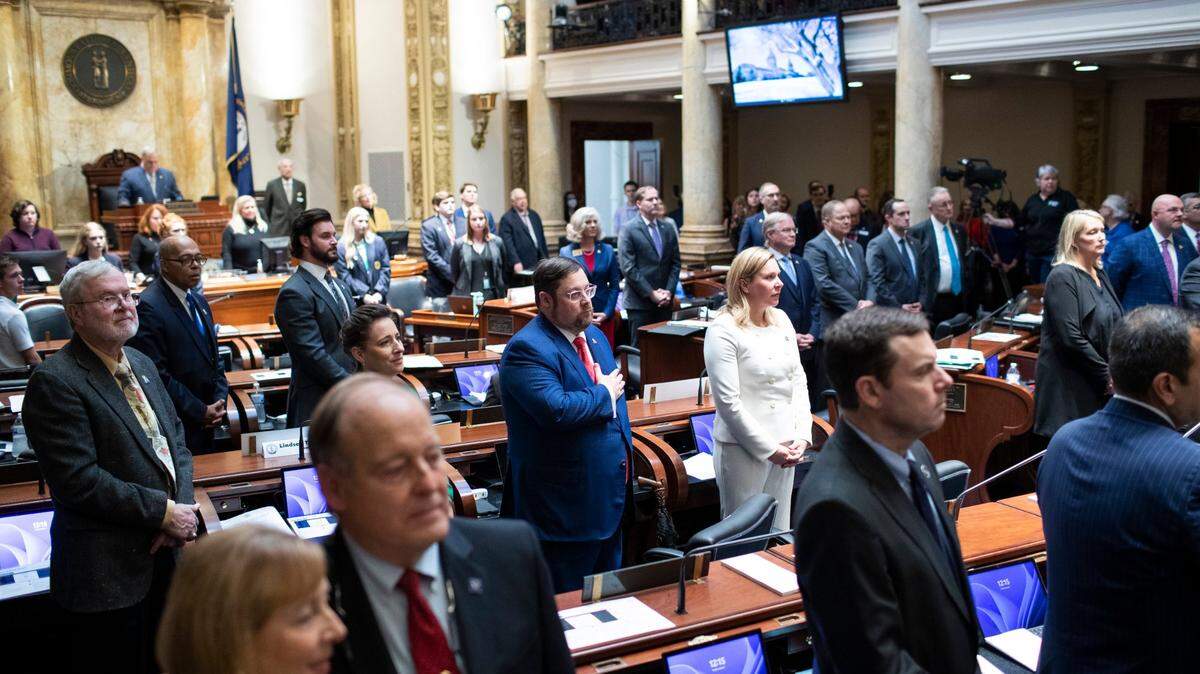
Kentucky’s Republican-supermajority Legislature has historically bristled at proposals to tighten regulations on guns and has worked hard to keep them accessible. This legislative session, for instance, Kentucky’s lawmakers passed a “2nd Amendment sanctuary state” law, banning enforcement of any federal firearms regulations, should any be handed down. That bill became law this week. Notably in 2019, Kentucky made it legal to carry a concealed weapon without a separate permit or training. In 2012, the Legislature also passed into law a provision barring cities and counties from passing “local firearms control ordinances.”
Greenberg pleaded with Kentucky Republicans to change this law, and grant cities like Louisville the ability to regulate guns locally.
“If you support police officers (and) local decision-making to address local issues . . . please give Louisville the autonomy to deal with our unique gun violence epidemic,” Greenberg said. “Let us make our own choices about how we reduce gun violence in our city.”
This story may be updated.
This story was originally published April 11, 2023 at 2:48 PM.