
Where do KY’s copperheads, other snakes go in the winter? You’ll want to clean your yard
Temperatures have cooled in Kentucky, and while that means you’re less likely to encounter snakes while enjoying the outdoors and taking in fall foliage, the probability isn’t zero.
Though it may sound counterintuitive, there’s actually a good amount of snake activity in the fall, even as temperatures drop.
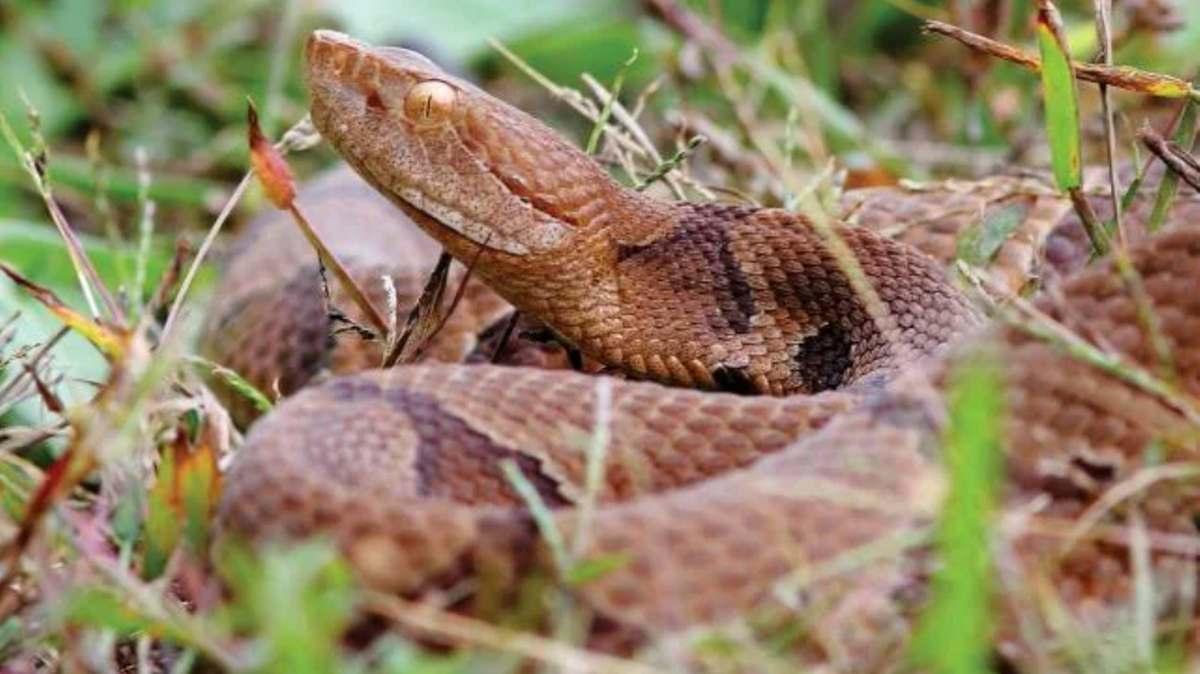
Many snakes are on the move this time of year, either returning to their favorite spot to wait out the winter or searching for a new one. In the case of copperheads, the venomous snake Kentucky hikers are most likely to encounter, they’ve just given birth to babies who have to fend for themselves.
We asked University of Kentucky herpetologist Dr. Steven Price what snakes are up to this time of year around the commonwealth, including what might draw them near your home and convince them to stay.
Where do snakes go when it gets cool in Kentucky?
In the fall, when the days get shorter and temperatures drop, snakes generally begin to pare back their activity to daylight hours only, given they are ectothermic (cold-blooded) creatures that rely on the sun’s warmth.
But that doesn’t necessarily mean they have nothing to do.
Fall is a particularly eventful time of year for the copperhead, which gives live birth to its young from eggs that hatch within the mother’s body. The babies don’t have time to waste, either. They’re left to fend for themselves and find a place to spend the winter, and they must do it without becoming a meal for a predator.
According to Price, snakes are single-mindedly focused on one thing this time of year: where they’re going to spend the winter.
“Sometimes that’s why you see a lot of movement and activity” this time of year, Price told the Herald-Leader in an interview Monday. “They’re moving to a particular spot that they like to overwinter in.”
Do snakes prefer to move around or use the same spot to overwinter?
Snake denning practices can vary by species. In the case of the copperhead, they tend to return to the same shelter each year knowing if they successfully hibernated there before, why change?
If the shelter is otherwise unavailable, snakes follow their excellent sense of smell. Picking up on the pheromones of other snakes, they can find out where ideal den sites are. They’ll travel up to a mile or more to reach one.
So what makes an ideal overwintering site for a snake? According to Price, that could be a south-facing slope in Kentucky’s Red River Gorge, for example. The foundations of old homes can also be attractive places for a snake looking to pass the winter.
What can attract snakes to my yard or under my home?
When Price hears from people who have snake problems near their home, one of the first things he asks about are the environmental factors.
Is there a lot of vegetation nearby? What about piles of wood or junk? These things offer shelter and sometimes prey for a snake if they happen to draw in rodents too, Price said. On warmer days, the herpetologist has found snakes under roofing tin, which can offer enough insulation for them.
If you don’t want snakes near your home and happen to have these types of things lying around, you might want to consider removing them. Just make sure to wait for colder temperatures, such as in mid-November in Kentucky, when snakes will be less active and more sluggish if you encounter one.
Can you still see a snake out of its shelter in the winter?
You absolutely can encounter a snake outside of its den in the winter provided it’s warm enough outside.
Price said he wouldn’t be surprised to find one active on a sunny day with the temperature at about 65 degrees Fahrenheit. Price has seen water snakes and queen snakes active on New Year’s Day, even.
What should you do if you find one near your home?
Non-venomous snakes are part of a healthy ecosystem, and if you find one in your yard, you’ll likely want them around to hunt rodents or insects.
Venomous snakes, while they do have a place within ecosystems, can be removed if you find one in your yard or home. That doesn’t mean the snake has to die, however.
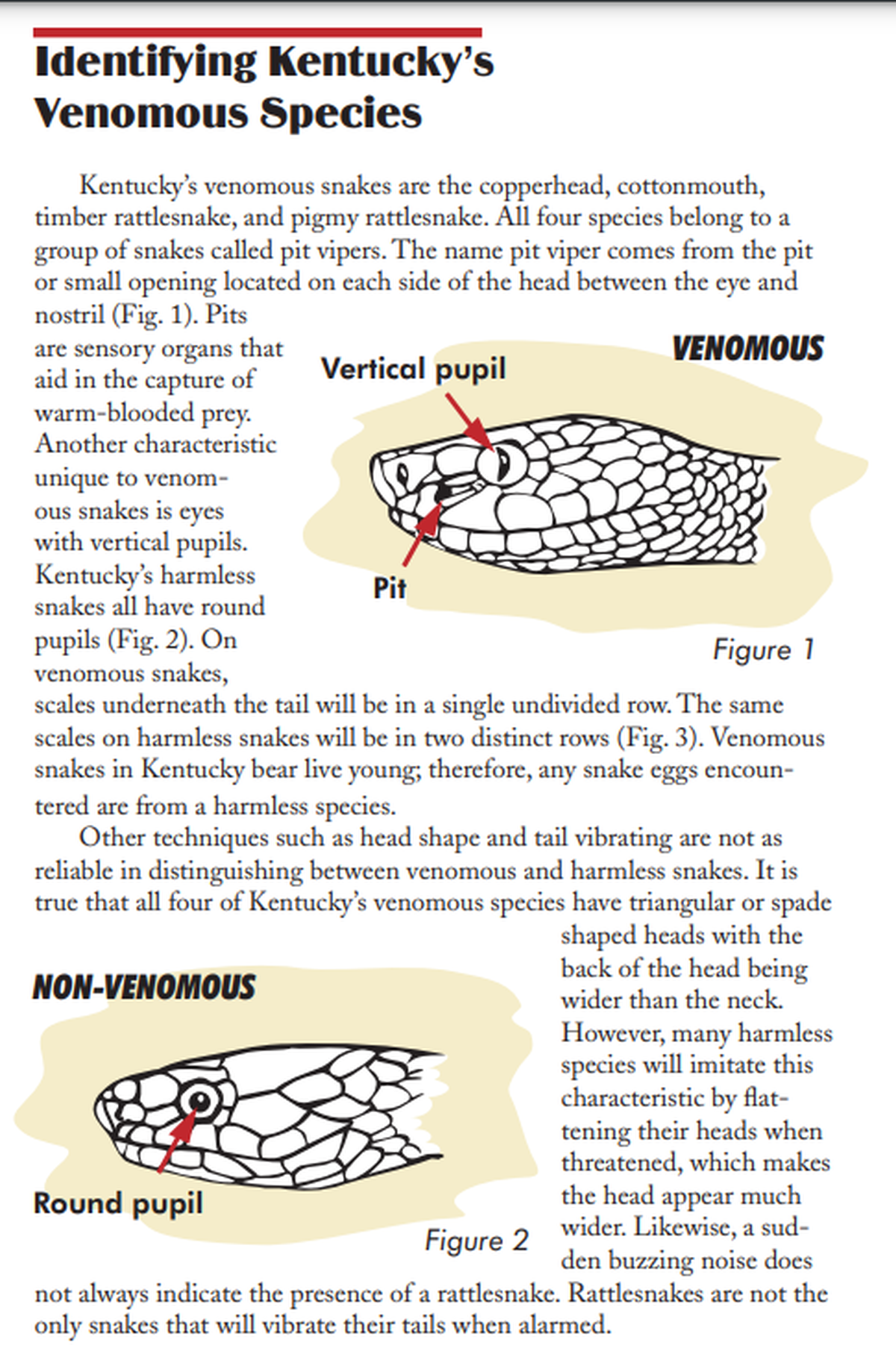
Following the advice from the Humane Society of the United States, you should contact a professional to remove it for you or call a local animal control office that offers wildlife exclusion services. There is such a service available in Lexington.
While waiting for a professional to arrive, keep your distance from the snake. Don’t try to capture it, Price warns.
“That’s basically how most people get envenomated by these animals,” Price said.
Do you have a question about wildlife in Kentucky for our service journalism team? We’d like to hear from you. Fill out our Know Your Kentucky form or email ask@herald-leader.com.
This story was originally published October 17, 2023 at 11:43 AM with the headline "Where do KY’s copperheads, other snakes go in the winter? You’ll want to clean your yard."