
Where do KY’s copperheads go for winter? Their hiding spot may be closer than you think
AI-generated summary reviewed by our newsroom.
- Most Kentucky copperheads enter brumation and shelter in dens or rocky crevices.
- They sometimes share hibernacula with other snakes but prefer quiet sites.
- Homeowners reduce encounters by clearing woodpiles, sealing tunnels and clutter.
Copperheads are the most common venomous snake Kentuckians are likely to encounter, with a range that spans the entire state.
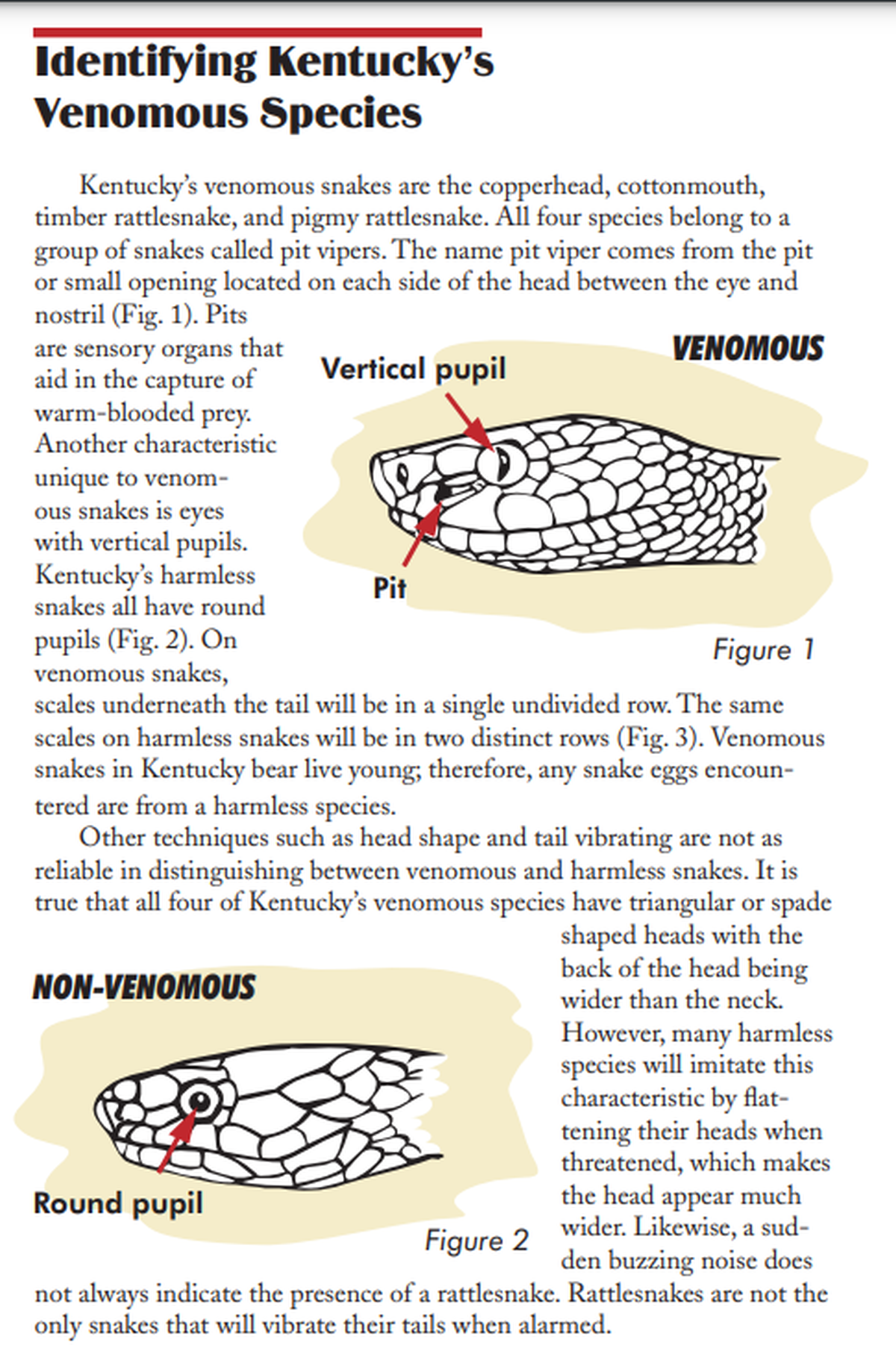
The red-brown pit vipers with distinct hourglass-shaped patterns along their bodies are most active from mid-April to late October, but what about in the winter months?
Copperheads slow down when the temperatures drop outside, but they aren’t completely inactive. This time of year, they’re seeking shelter from the cold in out-of-way places, and if your backyard offers that sort of habitat, it could be attractive for them.
Here’s what to know about copperhead habits during the winter, with insights from University of Kentucky herpetologist Steven Price.
Are Kentucky copperheads active during the winter?
By now, according to Price, most of Kentucky’s copperheads have likely entered a semi-dormant state called brumation. Snakes don’t hibernate in the way mammals do. During brumation, which is triggered by colder temperatures, reptiles become sluggish and less active as their metabolism naturally slows down to account for diminishing food sources.
On warmer days, they might venture out of their refuges for a drink of water or to bask in the sun, but otherwise, you won’t find them. Left exposed to freezing temperatures for too long, copperheads die.
So where do they shelter in the cold winter months? According to Price, their favored spots include underground dens or rocky crevices on southern-facing slopes that get more sun during the day.
While it’s more common in colder states up north, in some places in Kentucky, copperheads will seek winter homes with roommates. In hibernacula, multiple species of snakes gather by the dozens or even thousands in some places, all sharing each other’s body heat to keep warm.
If that thought terrifies you, take comfort in the fact it isn’t exceedingly common in Kentucky, which has relatively mild winters, but it does happen here, Price said.
Can you encounter a copperhead on a warm winter day in Kentucky?
There’s always a chance of encountering a copperhead, or any snake, on an unseasonably warm winter day, but according to Price, it isn’t very likely.
“Let’s say it’s in the lower 60s or upper 50s, they might emerge from that burrow and bask for a while,” Price said, adding they won’t be particularly active though. “The animal’s main purpose there is not to be actively searching for food or for mates.”
Should you encounter a copperhead this winter, it will be pretty sluggish due to the colder temperatures, Price said. Its first instinct will likely be to either flee or camouflage. Should you step on one, there’s a good chance you could get a “dry bite” with no venom from an adult. Baby copperheads aren’t much of a threat either.
Copperheads, and snakes in general, typically want as little to do with humans as possible, especially on a cool winter day when they’re feeling groggy. If you do run into one, leave it alone and give it plenty of space. Back away from it slowly. Always be cautious where you step or put your hands, especially in rocky or wooded areas.
How do you know if a copperhead is using your home as a winter den?
Snake denning practices have been known to vary by species. In the case of copperheads, they tend to prefer the same shelter each year, knowing it’s reliable. If snakes are using your home as a den, you could expect to find shed skins and droppings around.
Really though, it’s unlikely a copperhead would choose to overwinter in your basement, Price said. They much prefer out-of-the-way areas that don’t see a lot of human activity, like wood piles in your backyard.
“Those things are attractive because they can access tunnels underground or use mammal tunnels that are already there, and they can avoid freezing,” Price said. “I look for them there because they have attributes that snakes like.”
If you’re concerned, it may be as simple as tidying up your backyard, Price said.
Do you have a question about wildlife in Kentucky for the Herald-Leader? We’d like to hear from you. Fill out our Know Your Kentucky form or email ask@herald-leader.com.