
Invasive flying pest found in 5 more KY counties. Why winter is a good time to squash them
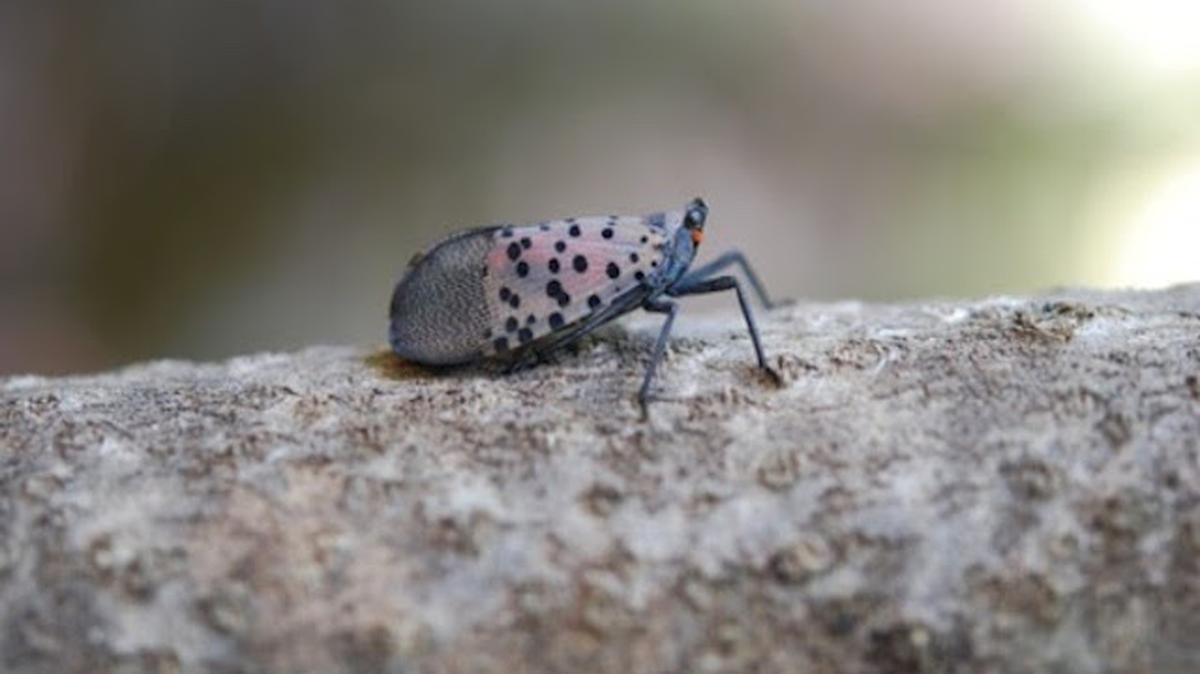
In the warmer months, you might find the invasive spotted lanternfly on your fruit trees creating a sticky mess in your backyard, but you shouldn’t believe this aggressive pest is idle just because the temperatures have dropped.
The spotted lanternfly already has a foothold in several northern Kentucky counties, and it’s possible, perhaps evenly likely, it’s waiting to be discovered in other parts of the state. Like many insects, the spotted lanternfly survives the winter by laying eggs that hatch in the spring. So even if they’re not currently in your area, that doesn’t mean you won’t find them next summer.
Here’s how to keep an eye out for their eggs in the winter and what you should do if you find some, plus the latest on the pest’s spread in the Bluegrass State.
Where is the spotted lanternfly in Kentucky?
The spotted lanternfly threatens Kentucky’s agriculture and native trees, and it’s quickly spreading throughout the northern part of the state.
That’s according to a recent announcement from the Kentucky Office of the State Entomologist, headquartered at the University of Kentucky, which revealed sightings in five additional counties in early December. Those counties are Owen, Grant, Henry, Campbell and Carroll, according to a Facebook post from the office.
“If you see this insect, please take a picture and send it to us with location information at ReportAPest@uky.edu,” the post reads.
The spotted lanternfly, which hails from parts of East Asia, was first found in the U.S. in 2014. It was first discovered in Kentucky in 2023 in Gallatin County, and has also been sighted in Boone and Kenton counties.
What is the spotted lanternfly?
Known for its distinctive spotted and striped wings, the spotted lanternfly sucks the sap from plants, weakening and sometimes killing off trees, such as willow, maple, apple, walnut, pine, poplar and stone fruit trees.
The spotted lanternfly also threatens several of Kentucky’s agricultural industries, including wine and hops production. Apart from being a nuisance to farmers, spotted lanternflies can also create a sticky mess in your backyard with their honeydew fecal secretions.
Adults are active from July to November, but the insect’s eggs are capable of surviving Kentucky winters until the spring, when its babies hatch and the life cycle begins again. Up to 50 spotted lanternfly nymphs can hatch from a single egg mass, which look like smears of clay on trees.
How to hunt for spotted lanternfly eggs
According to a guide from the Virginia Department of Forestry, spotted lanternfly eggs masses can sometimes prove tricky to find. Tree of heaven, another invader choking out local wildlife, is the spotted lanternfly’s preferred host plant, so look for the insect whenever you see tree of heaven in abundance.
The egg masses themselves are only about an inch long, are found on sheltered areas on trees and can be confused for tree lichen, given the two look quite similar.
You’ll know you’re dealing with spotted lanternfly eggs if you find them laid in little rows. The eggs are shaped like ovals, and they are covered with a white, glossy casing that turns gray or brown when dry. The casing cracks and fades in color over time.
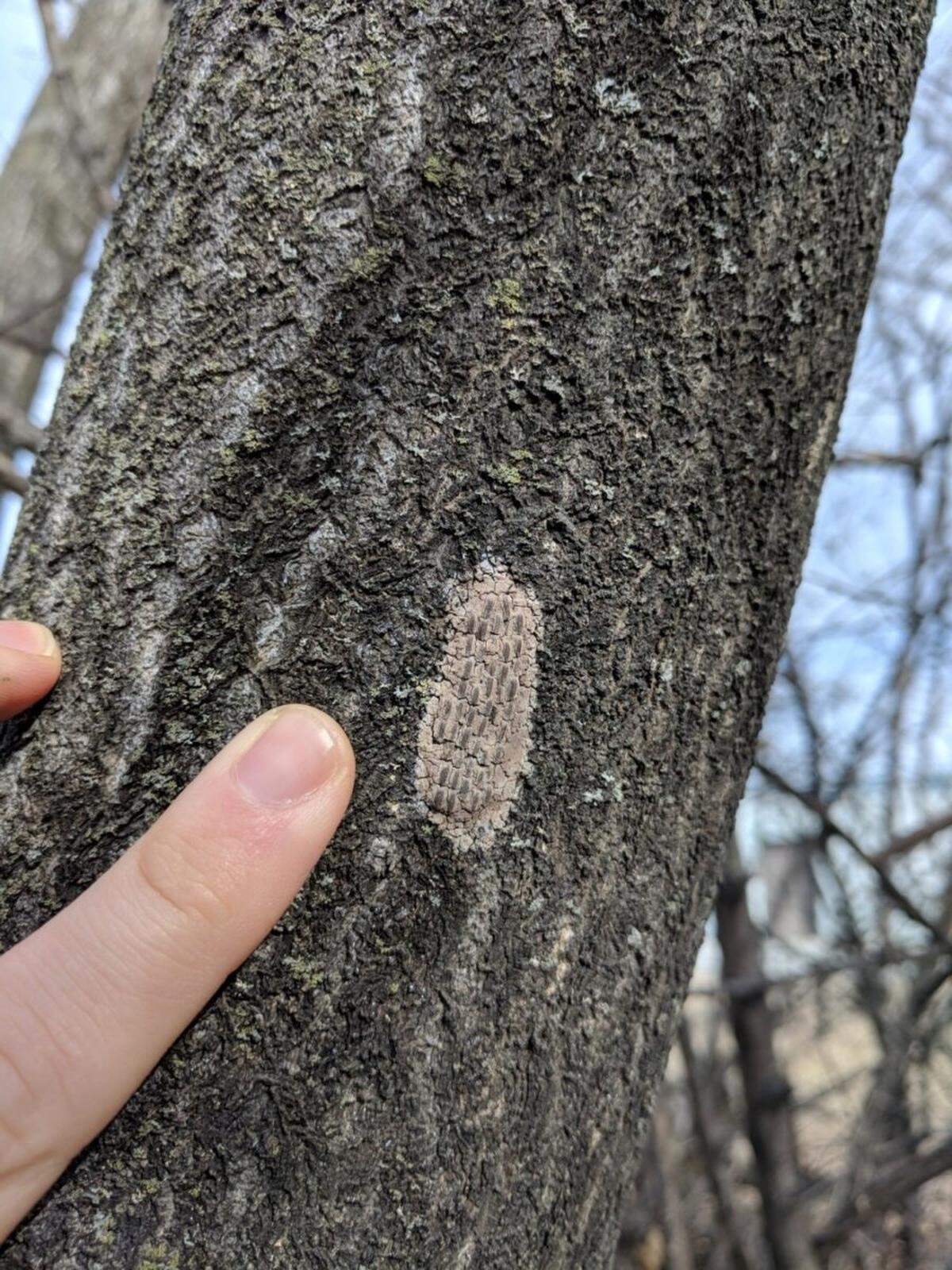
By contrast, tree lichen looks more patchy and spotty compared to neatly organized spotted lanternfly eggs.
Look for egg masses on the undersides or in the crooks of tree branches. They can also sometimes be found under patio tables.
What should you do if you find spotted lanternfly eggs?
If you find spotted lanternfly eggs outside of where they’ve already been discovered snap a good-quality photo and send it to ReportAPest@uky.edu.
You can then thoroughly smash the eggs. Grab a nearby stick and make sure to apply firm pressure as you break open the individual eggs. Once squashed, feel free to pat yourself on the back as you’ve helped slow the spread of an invasive pest disrupting Kentucky agriculture and ecosystems.
Do you have a question about the great outdoors in Kentucky for our service journalism team? Let us know through the form below or by emailing us at ask@herald-leader.com.