
Are fireflies going extinct, are there more? We asked a KY insect scientist
AI-generated summary reviewed by our newsroom.
- Firefly populations face decline from habitat loss, pesticides and light pollution.
- Climate change and local weather shifts affect firefly habitats and abundance.
- Reducing herbicide use and light pollution helps support local firefly populations.
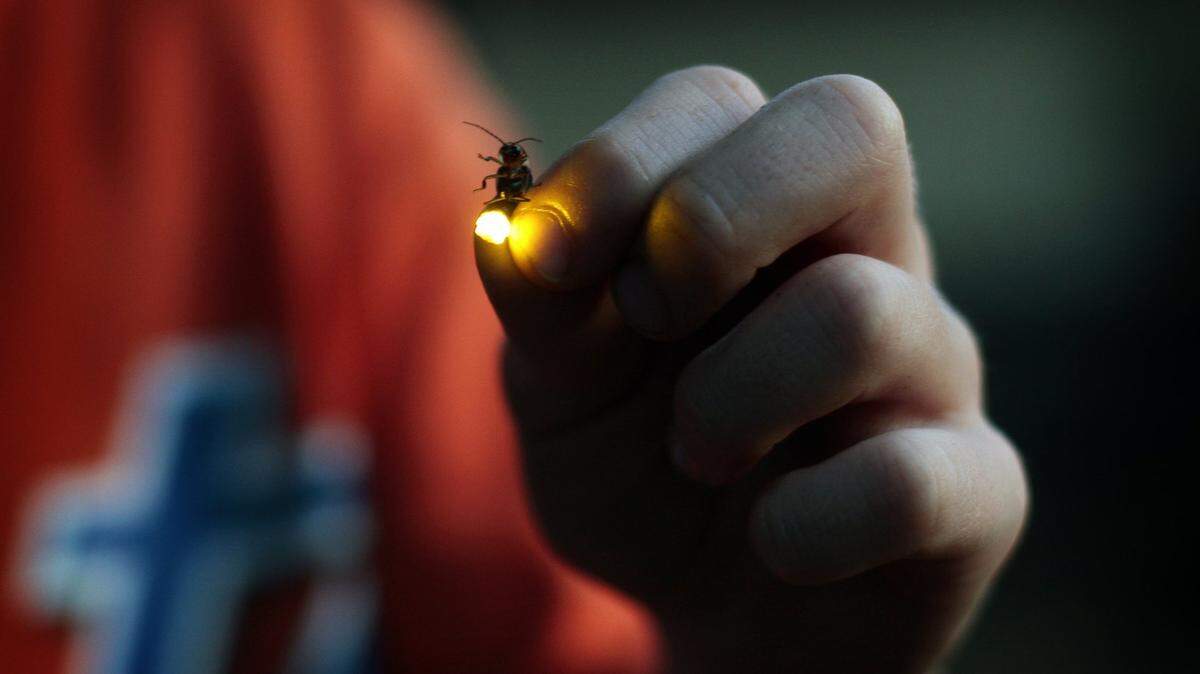
Fireflies are a staple of summer in Kentucky, diving and drifting through the night with bioluminescent flashes that light up childhood memories and nostalgia for many.
But if you’ve spent any time on social media, you’ve likely seen claims they’re “going extinct” due to a variety of factors hurting their numbers, from habitat destruction to light pollution and climate change. As with many claims on social media, the reality is more nuanced.
While firefly populations are threatened, there’s much the public can do to support them. To get at that, we spoke with University of Kentucky entomologist Jonathan Larson for insights into what’s really going on with the Bluegrass State’s fireflies.
Are fireflies going extinct?
Claims of fireflies, also called lightning bugs, going extinct or the current generation being the last to see them often circulate on social media, and while their populations are in decline like most other insects, the reality is more complicated.
As Larson explained, there isn’t a firefly census to turn to. Quantitative data on firefly populations is lacking for most species, as researchers noted in one 2024 paper. While he couldn’t speak to local firefly populations or year-to-year changes, Larson does feel like he’s seeing more of them lingering about.
“I feel like I’ve seen quite a few fireflies, and for an extended period of time this year,” Larson said, adding he was still able to find a few locally as of July 14. “Generally speaking, that’s a little late in the season to still be seeing the numbers I am.”
While that’s encouraging, Larson stressed firefly conservation efforts must continue.
The 2024 paper, which names UK researcher Darin J. McNeil as its lead author, drew data from citizen science project Firefly Watch. It found many factors influence firefly populations, from soil conditions, to land taken up by agriculture and impervious surfaces to climate change.
“Given the significant impact that climactic and weather conditions have on firefly abundance, there is a strong likelihood that firefly populations will be influenced by climate change, with some regions becoming higher quality and supporting larger firefly populations, and others potentially losing populations altogether,” the paper’s abstract states.
So while it’s possible fireflies may disappear from heavily developed areas, they could continue to thrive in rural areas, including in Kentucky, provided they get enough support. It’s also possible local conditions, such as an unusually wet spring, could help support firefly populations.
That said, fireflies can spend up to two years as larva, meaning conditions would have to be persistent to positively affect their populations, Larson said.
How to attract fireflies to your yard
According to Larson, the biggest factors contributing to firefly population declines include habitat loss, herbicide use and light pollution.
Herbicide use to tame overgrown areas eliminates spaces for fireflies to hover over and take shelter in. Efforts to control mosquito populations by draining wetland areas also end up harming firefly populations, Larson said.
“The male fireflies are flying and flashing, and they want to be over kind of a big open area that’s just grass where the females are down below, signaling back from that lower vegetation,” Larson said.
Light pollution, especially from security flood lights or decorative lighting, also contributes to firefly population decline, as it does for other insects. People often think of light pollution as a problem for stargazers, but it’s also a problem for fireflies that can’t glow brightly enough to overcome it, Larson said.
If you want to draw more fireflies to your yard, consider doing the opposite of what drives them away, such as:
Minimize light pollution. For security lamps, use motion-activated sensors rather than exterior lights that remain on all night.
Reduce your reliance on herbicides by learning about integrated pest management practices, such as plant selection or introducing beneficial predatory insects.
Cultivate a pollinator garden. A healthy pollinator garden that benefits bees and butterflies will also help fireflies, Larson said.
Do you have a question about critters or the outdoors in Kentucky for our service journalism team? We’d like to hear from you. Fill out our Know Your Kentucky form or email ask@herald-leader.com.