
Blood-sucking ‘kissing bug’ disease spreads in the US. Does KY have the insect?
AI-generated summary reviewed by our newsroom.
- Kissing bugs carrying Chagas parasite now found in 32 U.S. states, including Kentucky.
- Around half of tested kissing bugs carry the parasite; some species reach 70% infection.
- Conenose bugs in Kentucky rarely transmit Chagas but warrant pest-proofing and vigilance.
A blood-sucking insect known to carry the parasite that causes Chagas disease can be found in Kentucky, and it’s likely more common than you think.
Kissing bugs have been found in 32 states, including Kentucky, and a recent study argues the disease they spread should now be considered endemic, or regularly occurring, within the U.S.
More common in rural areas of Central and South America, Chagas disease has gained a foothold in the U.S., where the Centers for Disease Control and Prevention estimates 280,000 people have it, often without realizing they do.
In some individuals, Chagas disease can cause serious heart or digestive issues that can be life-threatening. Here’s what to know about kissing bugs, including how to avoid them and how to identify the disease they’re known to spread.
What are kissing bugs?
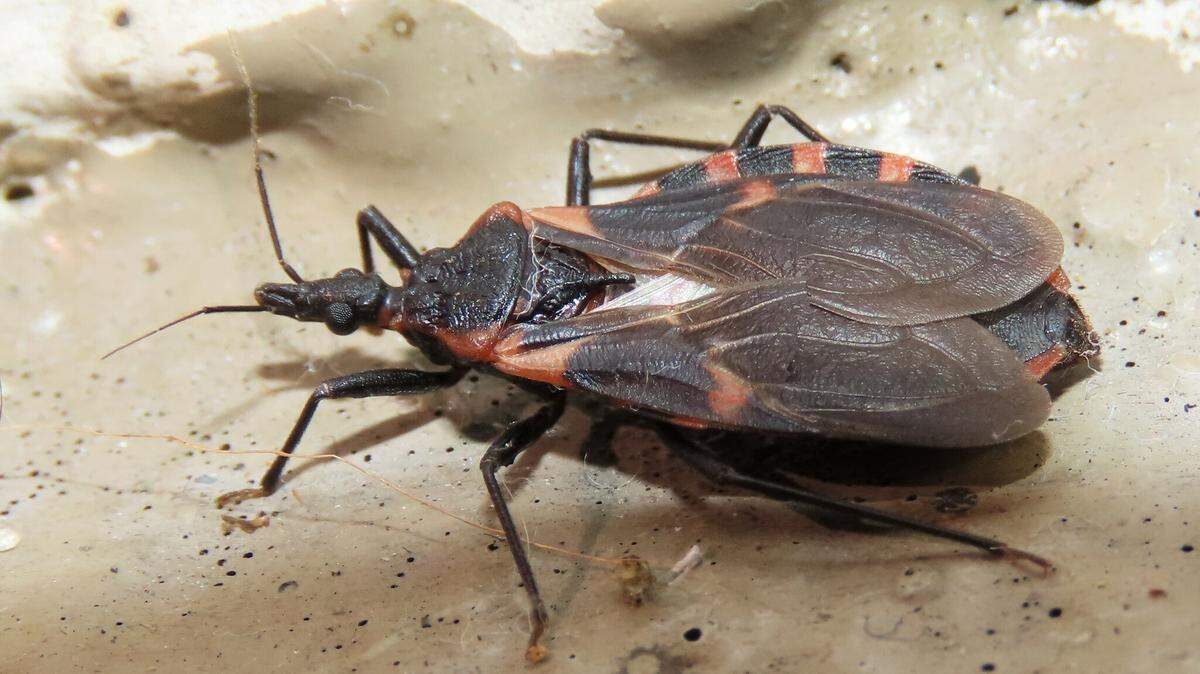
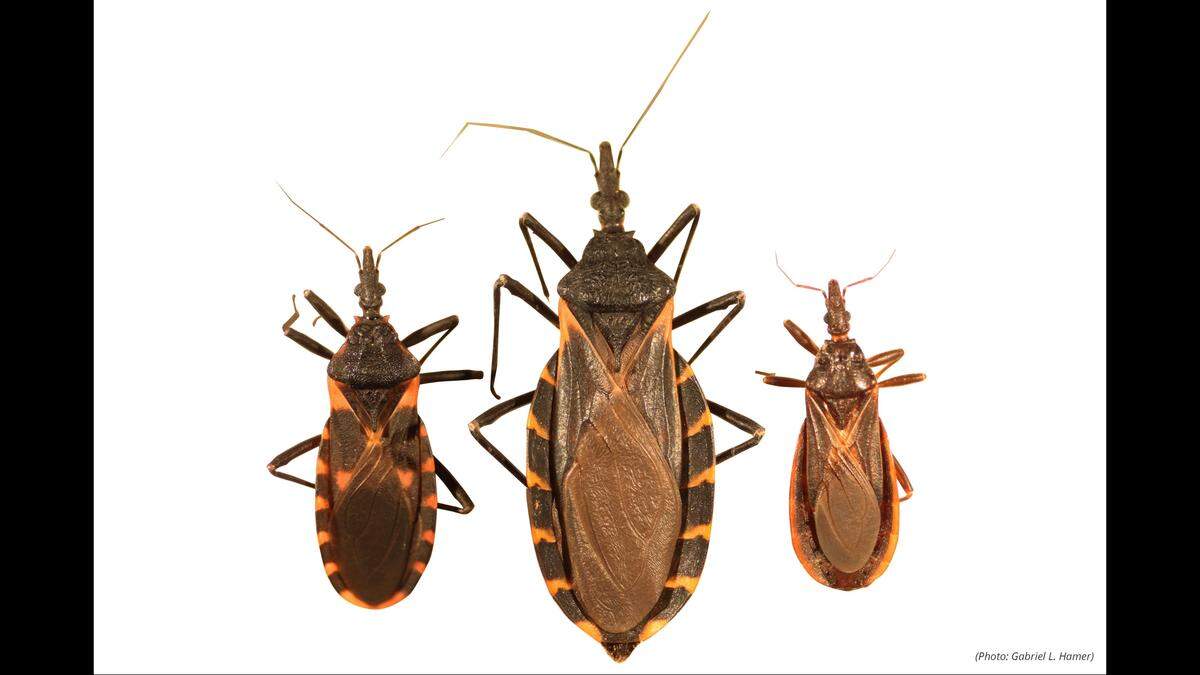
According to Texas A&M University, which has a long-running community science program to study the insects, kissing bugs are blood-suckers that feed on people or animals, particularly at night. In some places they are called conenoses or chinches.
Their name comes from the belief that they prefer to bite the face, around the mouth or eyes, but kissing bugs will bite anywhere on the body they can access.
While they do not embed like ticks and their bites do not typically hurt, kissing bugs can carry the parasite trypanosoma cruzi, which causes Chagas disease. It can lead to serious heart or digestive system issues in some individuals, according to the CDC.
Some types of kissing bugs defecate while they are feeding, and it’s their feces that spreads the Chagas parasite when it comes into contact with wounds they create.
According to laboratory testing at Texas A&M University, about 50% of kissing bugs are infected with the Chagas parasite. For some kissing bug varieties, the percentage is as high as 70%.
Kissing bugs have been found in 32 U.S. states throughout the southern half of the country, but according to Texas A&M University’s community science program, they are likely rare in several states.
Does Kentucky have kissing bugs?
Yes, Kentucky is home to the eastern blood-sucking conenose, which feeds on frogs, raccoons, rats, cats, dogs and sometimes humans.
According to Jonathan Larson, a University of Kentucky entomologist, the university receives several samples of them every year from the public.
“People find one on the side of their house, or maybe near a dog kennel,” Larson told the Herald-Leader in a previous interview July 15. “They feed very similarly to the kissing bugs that are more infamous the further south you go.”
Like their southern counterparts, the Kentucky conenose can carry the pathogen that causes Chagas diseases. That said, you can rest easy knowing it’s not considered a strong vector for the disease as they rarely defecate on their host after feeding.
The eastern blood-sucking conenose can look like the invasive brown marmorated stink bug or the Kentucky wheel bug as all three insects belong to the hemiptera order, commonly called “true bugs.” All three are sucking insects, but according to Larson, the eastern blood-sucking conenose went in a decidedly different direction with its evolution.
“They took their needle-like mouth part and went in a slightly different direction,” Larson told the Herald-Leader. “Instead of using it to slurp juices out of aphids or other things that they capture, at some point in their evolutionary history, there must have been pressure to become more parasitic.”
What is Chagas disease?
According to the CDC, about 8 million people globally and some 280,000 people in the U.S. have Chagas disease, often without ever realizing it. Without treatment, it can be life-threatening and lead to serious heart and digestive system issues.
It is not contagious, but it can be spread through blood transfusions, organ transplants and from pregnant women to their babies.
Chagas has two main stages: an initial acute phase that happens shortly after infection and a chronic phase that occurs over a long period of time. In both stages, some people may not feel sick at all, while others can have serious health problems.
One telltale sign of Chagas is Romaña’s sign, when one eyelid swells up. This occurs when the parasite gets into the eyelid, typically by accidentally rubbing kissing bug feces into the eye.
Other acute phase symptoms can be easy to miss or confuse for another illness, but they include:
- Fever
- Feeling tired
- Body aches
- Headache
- Rash
- Loss of appetite
- Diarrhea
- Vomiting
During the chronic phase, which can play out over several years or even a lifetime, about 20 to 30% of infected individuals can experience serious issues, such as:
- Heart issues, including an enlarged heart, heart failure, altered heart rate or rhythm and sudden death.
- Digestive problems, like an enlarged esophagus or colon, leading to trouble eating or going to the bathroom.
The good news is Chagas can be diagnosed with a blood test and treated with an antiparasitic drug that kills the parasite. Other options can treat the symptoms and signs of the infection. Most people don’t require a hospital stay for treatment, according to the CDC.
If you believe you have Chagas disease, seek out a health care provider that can test for it.
Are there ways to keep Kentucky’s kissing bugs away from you?
According to Larson, it’s possible a conenose could end up in your home if you have other pest issues, particularly raccoons.
“We do talk about wildlife remediation. Sometimes people will have, like, a raccoon infestation they didn’t know about, and these could be feeding on those,” Larson said.
If the raccoon infestation is resolved, it’s possible a conenose could search for a blood meal elsewhere in the home, Larson said.
UK’s Department of Entomology recommends a few other general pest-proofing strategies to deter kissing bugs, including:
- Sealing up cracks and gaps around windows, walls, roofs and doors. Repair broken screens and windows and seal up any holes in attics or crawl spaces.
- Conenoses are known to be attracted to lights and will fly — yes, they can fly — at homes with outdoor lighting. Get rid of any flood lights that stay on all night long and opt for motion-activated lights instead. Bug-repellent lightbulbs will also help.
- If you have indoor/outdoor pets such as dogs or cats, keep an eye on where they sleep or rest. Kissing bugs are attracted to dog houses, kennels and other outdoor places where pets sleep.
- If you live near a wooded area in particular, be aware and proactive. You may need to perform preventative pest-proofing against raccoons, rats and other critters known to host conenoses.
- Insecticides are generally not necessary, but pyrethroid products applied as dusts to cracks and crevices can be used to treat infestations.
Do you have a question about the environment or critters in Kentucky for our service journalism team? We’d like to hear from you. Fill out our Know Your Kentucky form below or email ask@herald-leader.com.