We know racism hurts both Black and white people, because we see it here in Lexington
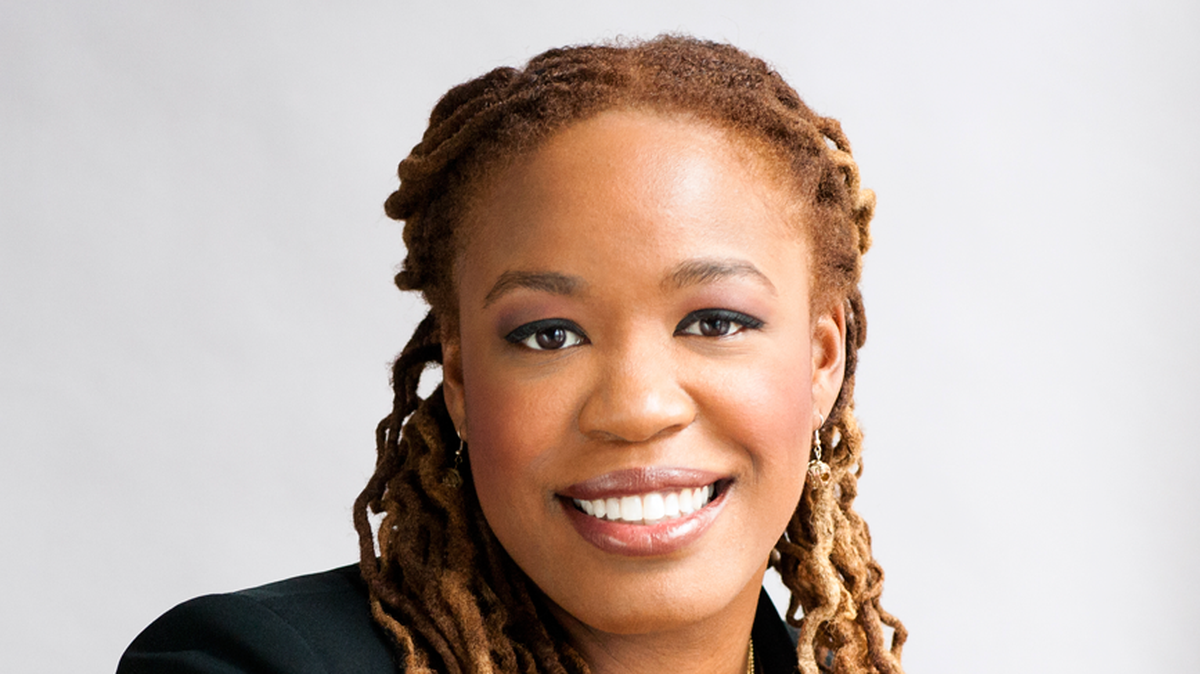
Back in 2017, economist and social policy expert Heather McGhee went to Northern Kentucky to meet with Kentuckians for the Commonwealth. One of the members handed her a copy of Wendell Berry’s “The Hidden Wound,” first published in 1968, about how racism, and white Americans’ denial of it, had created a falsified version of American history that protected them from “the anguish implicit in their racism,” the hidden wound.
She read the entire book that night, an experience that was one of many she recounts in her groundbreaking work, “The Sum of Us: What Racism Costs Everyone and How We Can Prosper Together.”
McGhee is not the first person to point out that racism hurts everyone; also in the 1960s James Baldwin noted that white Americans “are dimly, or vividly, aware that the history they have fed themselves is mainly a lie, but they do not know how to release themselves from it, and they suffer enormously from the resulting personal incoherence.”
But she is one of the first writers to lay out so explicitly the backdrop of history, facts, economics and feelings behind the multiple ways racism against people of color can hurt white people too. Her famous example is how after segregated facilities were ruled unconstitutional in 1954, many communities drained their city pools rather than let Black children swim in them, thereby ending a valuable public resource for everyone. But she also offers evidence of the real costs of housing discrimination and school segregation, and offers plenty of policy prescriptions for us to improve. Here in Lexington, we can see how de facto segregation in our schools and neighborhoods continue to play out in harmful ways.
McGhee will speak in Lexington on Thursday, April 28 at 6:30 p.m., in UK’s Gatton Student Center Ballroom. McGhee will speak first, then take part in a conversation with KET’s Renee Shaw. The event is free and open to the public but registration is required. Click here for more information.
UK and the Blue Grass Community Foundation are hosting the event. BGCF President/CEO Lisa Adkins said the foundation has been continuing to explore racism and how to close racial equity gaps in the region.
“We wanted our work to resonate with a broad cross section of the community and knew a data driven approach would help us do just that,” Adkins said. “When we discovered Heather McGhee’s compelling research, it provided the paradigm shifting analysis of racism that we wanted to share with anyone looking to join us in helping build more equitable and inclusive communities. We hope her unmistakable conclusion—that racism costs all of us—will serve as a powerful catalyst for action.”
Her appearance is tied to a community read along, with the foundation and the Lexington Public Library, which both provided hundreds of free copies and digital versions of the book as part of the One Book, One Lexington Community Reads “The Sum of Us.” In addition, several community members who read the book provided essays for the paper about their reactions to the book. As DeBraun Thomas and Russell Allen point out, McGhee’s concept of a “Solidarity Dividend” pays off when groups listen to each other, for example when Lexington listened to Black leaders and took down its Confederate statues and banned no knock warrants. “The Solidarity Dividend teaches that when we all come together, across racial, gender, religious, and socioeconomic identities for the greater good, we all can prosper,” they write. “By following this principle, we can continue to dismantle the systems that cost everyone and cost others even more.”
This story was originally published April 22, 2022 at 8:35 AM.