Roe is just the beginning. Leaked decision shows a slippery slope for Kentuckians.
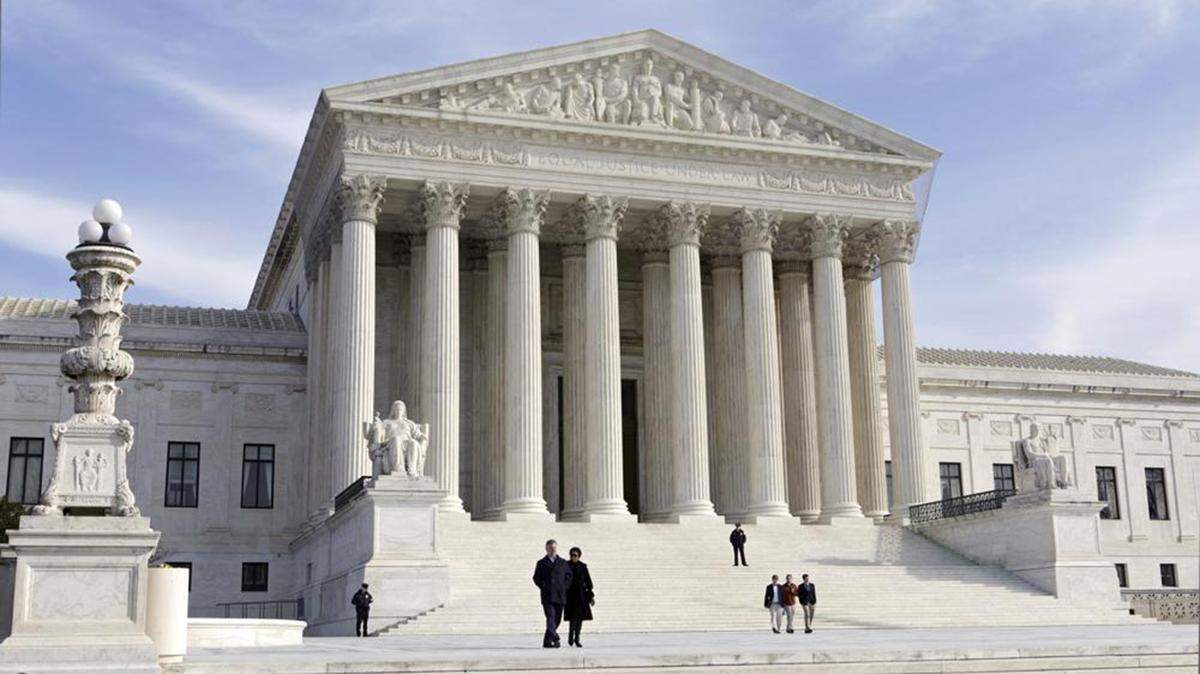
As I wrote last week, none of us should be surprised that Roe v. Wade is about to be overturned, and that in Kentucky, the decision will immediately trigger a complete shutdown of abortion in our state. We’re practically already there, thanks to House Bill 3. It’s only on a slight hiatus because of court proceedings.
So if we’ve got our heads around living in a state without any abortion rights, let’s think about what might happen next.
In the leaked version of the Supreme Court decision released last night by Politico, Justice Samuel Alito argued that abortion rights must be handed back to states because one, Roe was a terrible decision, and two, “The inescapable conclusion is that a right to abortion is not deeply rooted in the Nation’s history and traditions. On the contrary, an unbroken tradition of prohibiting abortion on pain of criminal punishment persisted from the earliest days of the common law until 1973.”
Here are some other things “not deeply rooted in the Nation’s history and traditions” — integration, voting rights, gay marriage, interracial marriage, and even birth control. Those were all grand and important legal decisions that took the basic promises of the Constitution and applied them to more modern times.
So if those decisions were overturned, and the legality of those issues were returned to the states, what do you think Kentucky’s elected officials would do? Think they’d let the Obergefell decision, which legalized gay marriage, stand here? Or even Lawrence v. Texas, which overturned sodomy bans.
Attorney Joe Dunman was co-counsel for the Kentucky plaintiffs in Obergefell v. Hodges. He said that a ban on gay marriage is still in Kentucky statute; all it would require is a governor to tell county clerks to stop issuing marriage licenses to same sex couples to trigger a lawsuit that could end up at the Supreme Court.
“If precedent doesn’t matter any more, they can do whatever what they want,” he said.
What about birth control? Griswold v. Connecticut is interesting — in 1879, Connecticut banned any contraception, including for married couples. In 1965, the Supreme Court decided that a right to privacy can be inferred from several amendments in the Bill of Rights, and this right prevents states from making the use of contraception by married couples illegal. It was not laid out in our founding documents, so should it be overturned too?
University of Kentucky law professor Jonathan Shaub said the “history and tradition” argument was first made by Chief Justice William Rehnquist as a way to address the “unenumerated rights” mentioned in the Constitution.
“The problem with that approach is that for groups like women who historically had no rights, then you’re saying we’re going to preserve the status quo,” Shaub said. “This history and tradition test would basically undo all the court’s protections for groups that were marginalized or who didn’t have rights historically. Interracial marriage is another right— the right to marry is not enshrined in the constitution but the court has protected it.”
Numerous commentators even wonder if Loving v. Virginia, which overturned the ban on interracial marriage, would hold in some states. In 1958, Mildred and Richard Loving were found guilty of violating Virginia’s anti-miscegenation ban. In lieu of prison, they were forced to leave the state. Not until 1967 did the Supreme Court find that Virginia’s law violated the Equal Protection Clause of the Fourteenth Amendment.
Back then, interracial marriage was as abhorrent to many people as gay marriage still is to some. Do Justice Clarence Thomas and Kentucky Attorney General Daniel Cameron think that the right to marry who you want was “deeply rooted in our Nation’s history and traditions?” It wasn’t.
The larger point is that we keep telling ourselves terrible things can’t happen — that our legislators won’t try to destroy public schools, that Trump won’t get elected, that women won’t become second class citizens again — and they just keep happening. I’m sure there are plenty of Kentuckians who think banning abortion access is worth losing any number of other liberties. If you’re not one of them, however, you’ll probably have to move. Or start fighting back.
This story was originally published May 3, 2022 at 9:25 AM.