Ky’s ‘willful ignorance’ and hostility to women is on display in Frankfort every day
READ MORE
A Boys Club
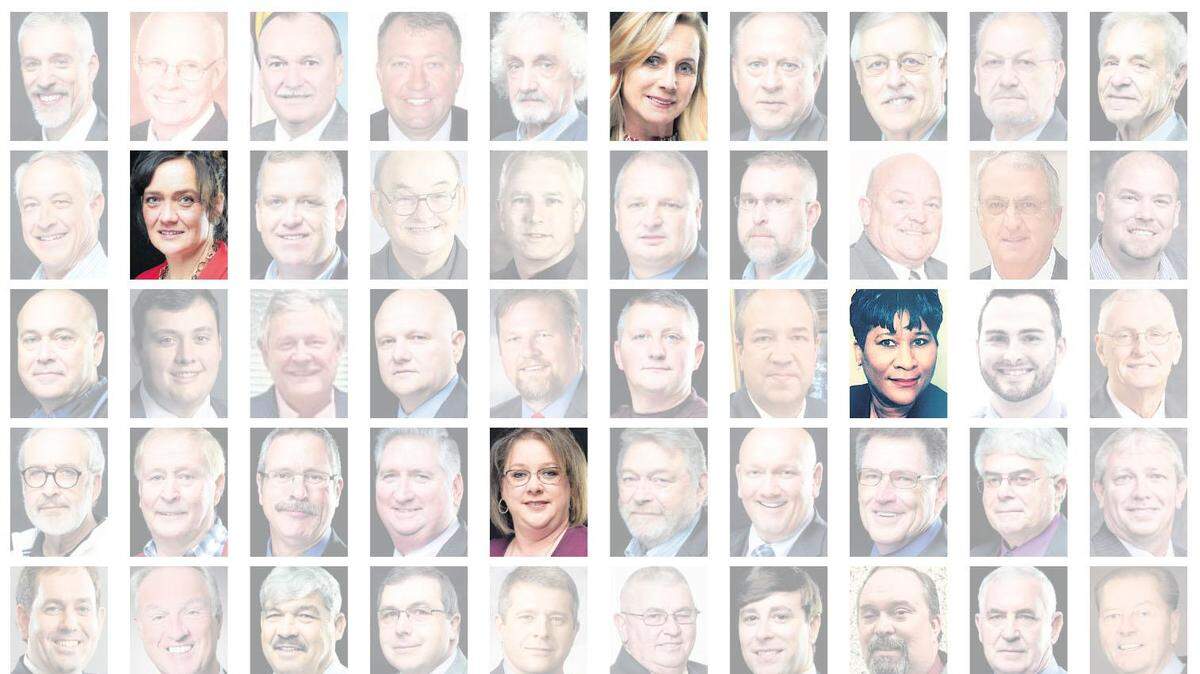
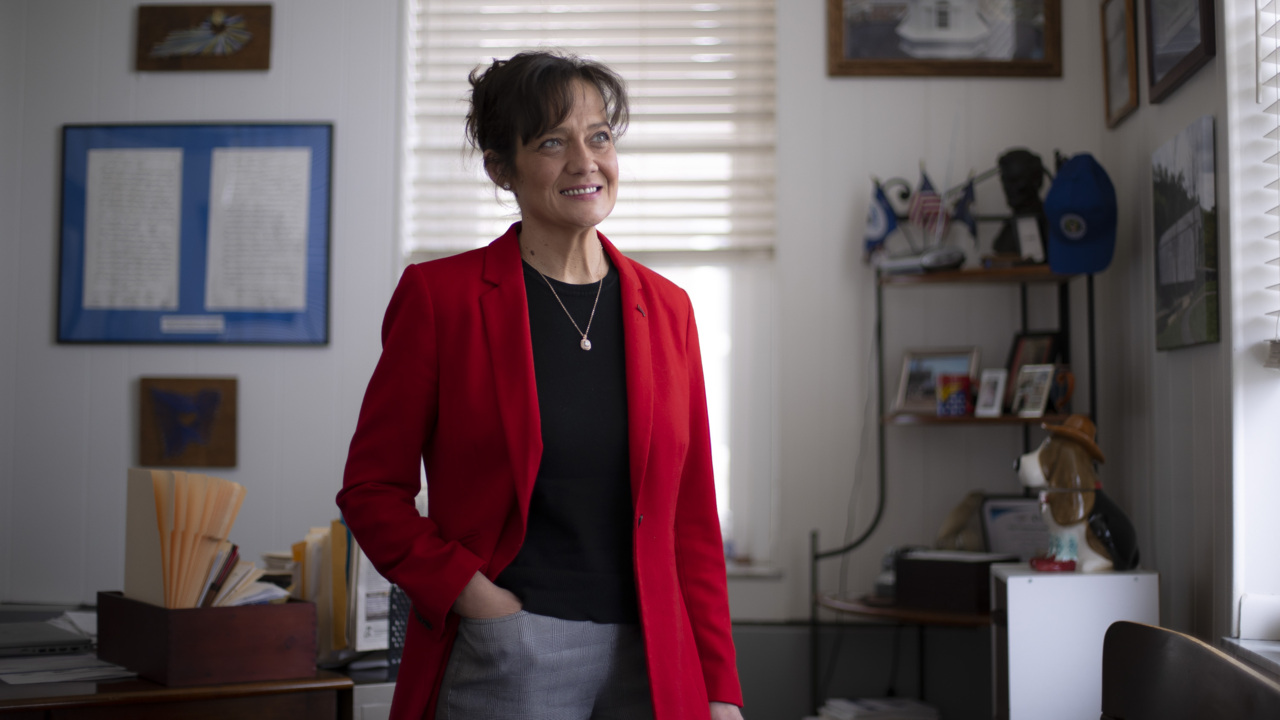
Kentucky’s judge-executives are overwhelmingly male. Meet three women who lead their counties and others who are running for a shot at the office.
Expand All
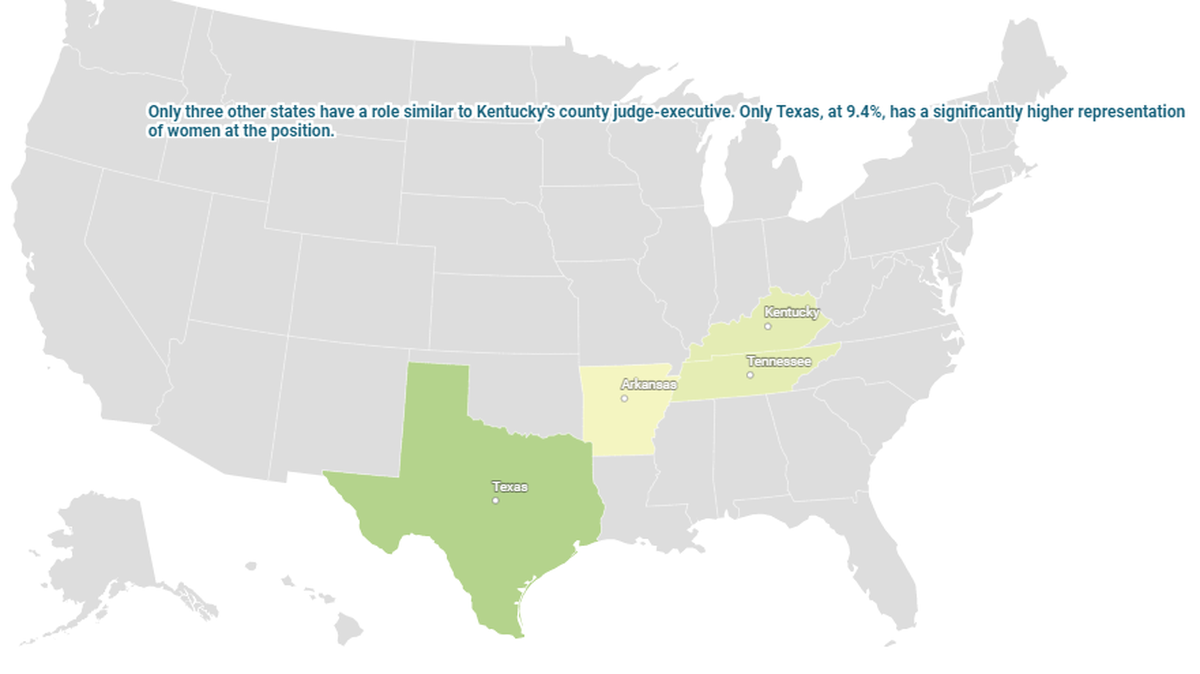
If not exactly shocking, the numbers are sobering. In Kentucky there are only four female county judge-executives out of 120, as compiled by Austin Horn in this Sunday’s paper.
Historically, only county sheriff’s offices have had fewer women in charge. It’s not like the number of women in leadership positions elsewhere is that great but at least it has improved. One in five mayors is a woman, and the number of women in the state legislature has grown from its really abysmal numbers just a few years ago to about a third of total membership.
The problems, most conclude are cultural, a vestige of bygone days when women were seen but not heard, when they followed but did not lead.
That’s a sensible conclusion, but there are other cultural forces at work here in Kentucky, happening in real time from our elected leaders, a cultural wind that blows down on women with near constant hostilities. The most obvious, of course, are recent and pending abortion laws that look like something out of “The Handmaid’s Tale” that invade women’s privacy and take away all choice or agency in healthcare matters. (That the recent abortion omnibus bill was sponsored by a woman is a different kind of problem.) As I’ve written before, if our elected officials truly cared about women or the babies they bear, they would make sure they have better parental leave, childcare, and mental health access. They could also pass bills currently sitting in legislative limbo that require all health insurance plans to cover birth control because preventing unwanted pregnancies is surely the best way to prevent abortion.
Then there are all the other legislative bills from the superdupermajorities in both houses that hurt poor people in general, disproportionately women, many of them single and trying to raise children. The Federal Reserve Bank of St. Louis recently calculated that a little over 30% of mothers aged 24-55 years old with small kids are out of the workforce because they either can’t afford or don’t have access to childcare. Here in Kentucky, it’s probably worse. Instead of addressing that problem, the House is sailing two bills, House Bill 4, which will cut unemployment benefits and House Bill 7, which will make it harder to qualify for food and medical assistance.
(Insert here the obligatory disclaimer about Sen. Julie Raque Adams, R-Louisville, who consistently puts forward legislation that helps women and children and another thumbs up to Sen. Whitney Westerfield, R-Crofton who has just taken an important step in domestic violence prevention in a state that has frequently dragged its feet on those kinds of policies.)
And what do we make of the constant, open attacks on public education from those who should be holding it up, a sector made up largely of women? Women who work hard to educate our children, cook in cafeterias and drive buses, but mostly hear about what failures they are as public school educators.
“I think the attacks are specific to females in the work place,” said Nema Brewer, co-founder of 120 Strong, a public school advocacy group formed after legislators tried to cut teacher pensions. “It’s been easier to do these things because they’re using our natural inclination to work together and nurture and to sacrifice against us. Working women sacrifice everything — they take care of kids, take care of elderly parents, they don’t have the energy or time to fight back, and when they do, they say we’re just causing trouble and we don’t care about these kids.”
Republican redistricting has left several women without seats or battling each other, like progressive Democrat Rep. Josie Raymond who now faces progressive Democrat Rep. Mary Lou Marzian in Louisville. Raymond said she thinks because of recent gains in political representation, men tend to think women’s issues are no longer pressing.
“I’m not sure if it’s a war on women, but there’s an erasure or a dismissal or obliviousness,” she said. “There’s this notion that women are equal now so you’re just being hysterical. I feel a consistent willful ignorance about the issues facing women.”
When more people of different gender, race and background are elected to public office, the issues that affect them are more likely to be heard. But when that happens, the power structure tilts and those traditionally in power fight back. We are seeing those backlashes now in Kentucky, not just against women, but against people of color, LGBTQ people, and yes, poor people of every stripe. Sadly, it takes a lot more tilting for the backlash to stop, and in Kentucky we still have a long, long way to go.