Trading insults won’t make Fayette schools’ $16 million budget shortfall go away | Opinion
As usual, when it comes to the Fayette County school board, everyone needs to take a deep breath.
As someone who heard over and over again last fall how healthy the school district’s finances were, I, too, was surprised by the school district’s announcement that it needs to cut $16 million on top of 20% cuts from district departments as part of next year’s budget planning.
It seems that board member Amanda Ferguson’s suspicions were prescient when she voted against last year’s budget.
“How did we get here?” she asked Monday night.
Inflation, the end of COVID funds, and the compounding results of a historic 8% teacher raise in 2023 all contributed to this problem, according to district officials.
Unfortunately, this news resulted in yet another round of finger-pointing by various interested parties.
Also unfortunate was the school district’s decision to throw former Superintendent Stu Silberman and the school board under the bus for not raising property taxes back in 2010, which a press release called “politically expedient,” but a decision that “has cost the district more than $100 million in cumulative, unrecoverable revenue. That lost funding could have helped stabilize our budget and reduce the need for difficult decisions today.”
Weak sauce, Fayette County. It was politically expedient because the country was coming out of the 2008 Great Recession. Plus, it’s impossible to validate the claim that the money back then would have somehow saved the district now. Wait until the school board in 2040 blames you for those nice teacher raises.
But certainly budgetary decisions do have consequences. For example, Deputy Superintendent Houston Barber said in the last three years, they’ve filled nearly every teaching position in the county. Because Fayette County pays so well, they were able to hire 230 teachers with 20-29 years of experience on average. That cost the district $18 million, more than they had initially planned, but a cost officials felt was worth it to get the most experienced teachers on board.
Anyway, the important thing is what comes next. The $16 million prediction out of an $800 million budget is not a cash crisis, but it does mean that the school board will have to make some tough decisions. District officials have promised not to cut school-based programs, and apply extra scrutiny to the ever-controversial topic of travel, as well as professional development.
Barber told me they would save $1 million by not filling positions at Central Office.
Frequent school board critic Matthew Vied has said Fayette should not go through with a 1% raise for employees, a cost of about $4 million.
“FCPS does not have a hiring or retention problem,” he said in an email to school board members. “FCPS teacher salaries are already the highest in the state. 1% on top of the step increase is not necessary and certainly irresponsible in light of a $16m budget deficit. Actual leadership is being able to say so.”
Taking away a proposed raise would make school employees ... angry.
One idea? Back in 2015, when the district had a $20 million shortfall, then-Superintendent Tom Shelton took a 5% pay cut.
But that would be more symbolic than anything else. Many times shortfalls can be filled by attrition because a district always has numerous empty positions it can choose not to fill.
What hasn’t been mentioned is taxes. In September, the Fayette County school board could choose to raise property tax rates by a few cents. In recent years, they haven’t had to do that because Fayette’s real estate assessments keep rising on their own. So, even at the same tax rate, Fayette gets more money.
If they make changes to the tax rate, they can take the usual 4% of the assessment they take most years. But if a changed tax rate took in more than 4% of the assessment, it would be subject to recall.
Fayette voters in the past have been deeply supportive of public schools. The last time someone tried to get a recall on a tax hike for school safety in 2018, they couldn’t get enough signatures to get the matter to a public vote.
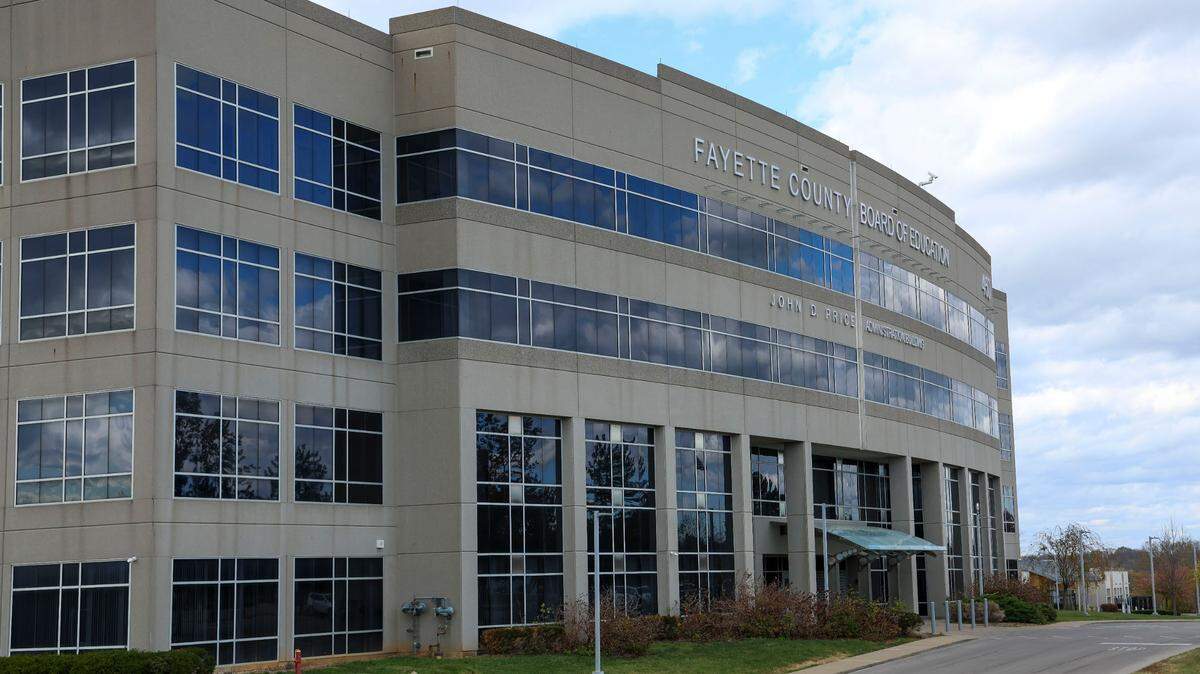
But voters are deeply tired of their property taxes increases, as well as the seemingly inexhaustible drama that emanates from the Price Building. So if I were a school board member, I’d be very careful about using an increased tax rate to fill this budgetary hole.
Because then the voters are angry, teachers are angry and parents are worried. I don’t envy the district’s budget officials, but they probably need to spend less time crafting angry press releases and more time on plans to solve this.
This story was originally published May 15, 2025 at 9:24 AM.