Agree to Disagree: Does FCPS need to cut magnet programs to ‘right size’ itself?

Welcome back to Agree to Disagree, in which I discuss topics with people on all sides of the political spectrum.
Parent and gadfly Matthew Vied and I agree on many more things about Fayette County Public Schools — especially in the past year — than we disagree, but he recently wrote a Facebook post that caught my eye. He wrote it in response to the school board voting to keep The Stables open and to temporarily combine two single gender STEM programs at a new location while finding a permanent home for the boys’ program: “What started as a difficult but necessary exploration of a fiscally responsible path forward for three special programs has ended with no change for two of them and a planned new permanent home for the third.
“Continuing with this ill-advised strategy of building expensive, dedicated buildings for special programs is fiscal INSANITY. We simply cannot afford to keep doing this. We should have never started doing it in the first place.
“This is likely going to upset and disappoint many of you, and for that I am truly sorry, but this is a difficult conversation that needs to be had. There are many, many reasons why FCPS finds itself in a budget crisis. Reckless spending and administrative bloat are two very big ones, and both must be addressed. But another is the District’s insatiable desire to stand-up special programs; programs that are functional charter schools, entrance to which is determined by lottery, application, and/or meeting specific demographic requirements, and limited by space constraints.” This is a provocative but true statement. I share Matthew’s concerns about the lack of a holistic plan to right size FCPS, and the way in which they’re doing it shows clearly that the squeaky wheels of committed parents and students will get what they want.
But I also think magnet programs add a great deal of vibrancy and enrichment to public schools. (Of my three kids, two were in magnet programs and one was in regular school.) Let’s keep in mind that magnets were created in the 1960s and 1970s in the wake of Brown v. Board of Education to keep the children of middle-class white parents in public schools without too much dependence on busing. They’re still there to attract and keep middle and upper income kids in the system. But they also provide some incredible opportunities.
Is there a way to “rightsize” Fayette County in finances and facilities without losing all magnets?
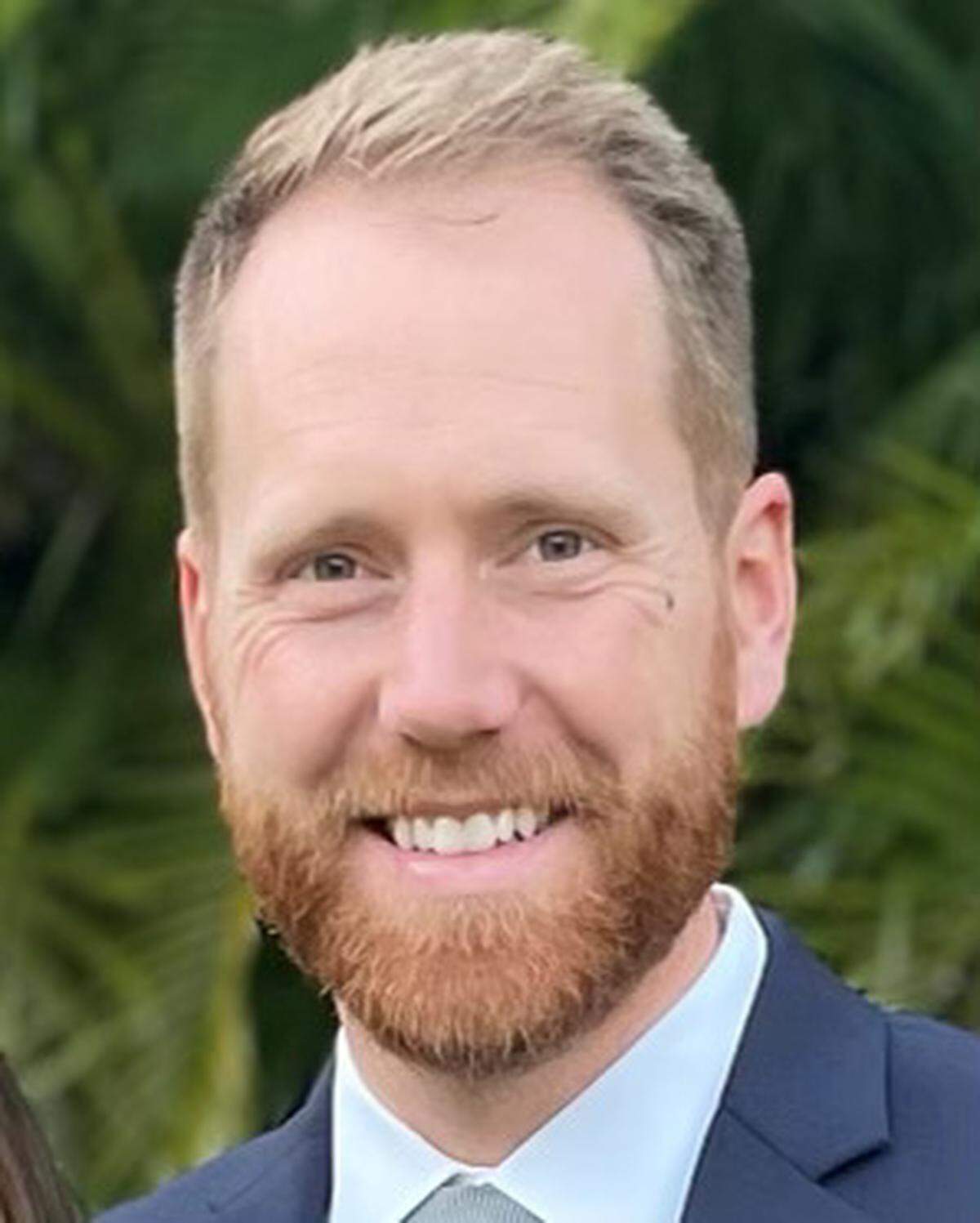
Matthew Vied: I do believe it’s possible, but it’s going to require deep work on the district’s part and understanding on the community’s part. I agree that there are many magnet and special programs that are of great value to students and the district, but not all programs are created equal and not every sacred cow can be spared. What I mean by deep work has a lot to do with studying enrollment and capacity models at a school-by-school level and asking: “Are we creating magnet programs to prop up neighborhood schools that are significantly under capacity instead of doing the difficult and painful work of redistricting?” A good example of this would be the new Visual, Performing, and Digital Arts magnet program created at Harrison Elementary. Prior to this new magnet program, Harrison Elementary was at only 52.5% capacity.
We’ll need a few years to find out how the new magnet program increases utilization of that building, but Dixie Magnet could provide a guide. Dixie Elementary has a capacity of 600 students, there are only 223 students living in the Dixie “neighborhood”, which would amount to only 37% utilization, but the actual enrollment is at 92% due to the draw of the magnet program. So, we are drawing students away from their neighborhood school towards Dixie (or Harrison or Maxwell or Breckenridge), and this system of student transfers within the District has immense financial implications.
Linda Blackford: Totally agree that redistricting is on the board, and it will be difficult. Redistricting does not bring out the best in people: Remember how folks reacted when they moved some Morton neighborhoods into Lexington Traditional Magnet School?
But I also think this is where specialized programming can be so good. For a long time, LTMS was an economically and racially segregated warehouse for downtown elementary schools. But now it’s an arts school that is enriching neighborhood kids and bringing in kids from the redistricted areas like Kenwick.
That’s the best case scenario. But we need to better understand how this Right Size committee is working, what data is it using, how is it bringing up “considerations?” Otherwise, we will see the recent chaos over and over again: Call for one program’s closure, watch parents freak out, and then reverse position. How can we get that information out more broadly?
MV: Parents freaking out about the potential closure of their student’s beloved special program is as sure as the rising and setting sun. And can you blame them? No, but hard choices still must be made.
As far as the process for making those choices, I don’t think it’s unfair to suggest that the Right Size Bright Future committee is little more than transparency window dressing. That’s certainly how it appeared to function in phase 1. As a practical matter, I’m not sure if you can reasonably expect it to be much more than that. Like I mentioned previously, this is deep, complicated work that can’t be done a couple of hours a month while the cameras are rolling. But we’ve got district leaders desperate to regain public trust, so we’re going through the motions with this committee.
To answer your specific question, getting a view into how the sausage is made would, I’m afraid, require a board chairman who could set clear and specific expectations and then drive accountability towards that end. Your list of questions would be a good start. I’m afraid, of course, because our board chair seems to have forgotten who works for whom.
LB: That’s the worst of the district’s year from hell. It’s hard enough to redistrict WITH the public’s trust; without it, you just can’t win. And so what will happen is the kids who don’t have squeaky wheels to advocate for them will get the worst deal. I think that before we start talking specific programs, we should a comprehensive report on student enrollment, where the growth and decline is expected to be now and in the future. So far, it seems, the district set out to close a program and ended up promising a new building instead. That’s just not going to work moving forward.
MV: When do we start disagreeing during this Agree to Disagree? You’re right, of course. Current district leadership has neither the trust nor the credibility to shepherd the community through what will be a difficult process. Regarding those kids without an advocate that you mention, I’m assuming you’re referring to kids currently enrolled in a magnet program that might come to an end. You know where my mind goes? The student(s) left behind in an underperforming neighborhood school. The underperforming neighborhood school that the more involved or discerning parents feel they need to funnel their student away from and toward a magnet program that seems tailor-made for that very purpose. The neighborhood school that could benefit from more resources and better funding, but extra help isn’t coming, because district attention and dollars are spread thin across an inordinate number of magnet programs. It’s that kid who may get the worst deal of all.
My wish is for a district that is fanatical about fostering a culture of neighborhood schools that neighborhood families want to attend. Not a district seemingly obsessed with offering a smorgasbord of magnet programs that may look great on a brochure but siphon limited resources away from neighborhood schools and only benefit the lucky few. FCPS should absolutely have programs that challenge the academically gifted (think MSTC at Dunbar), but all schools should have high quality STEM instruction. Because you know where you can find “economically disadvantaged girls of color?” Every single neighborhood school, not just RISE.
This story was originally published December 22, 2025 at 11:13 AM.