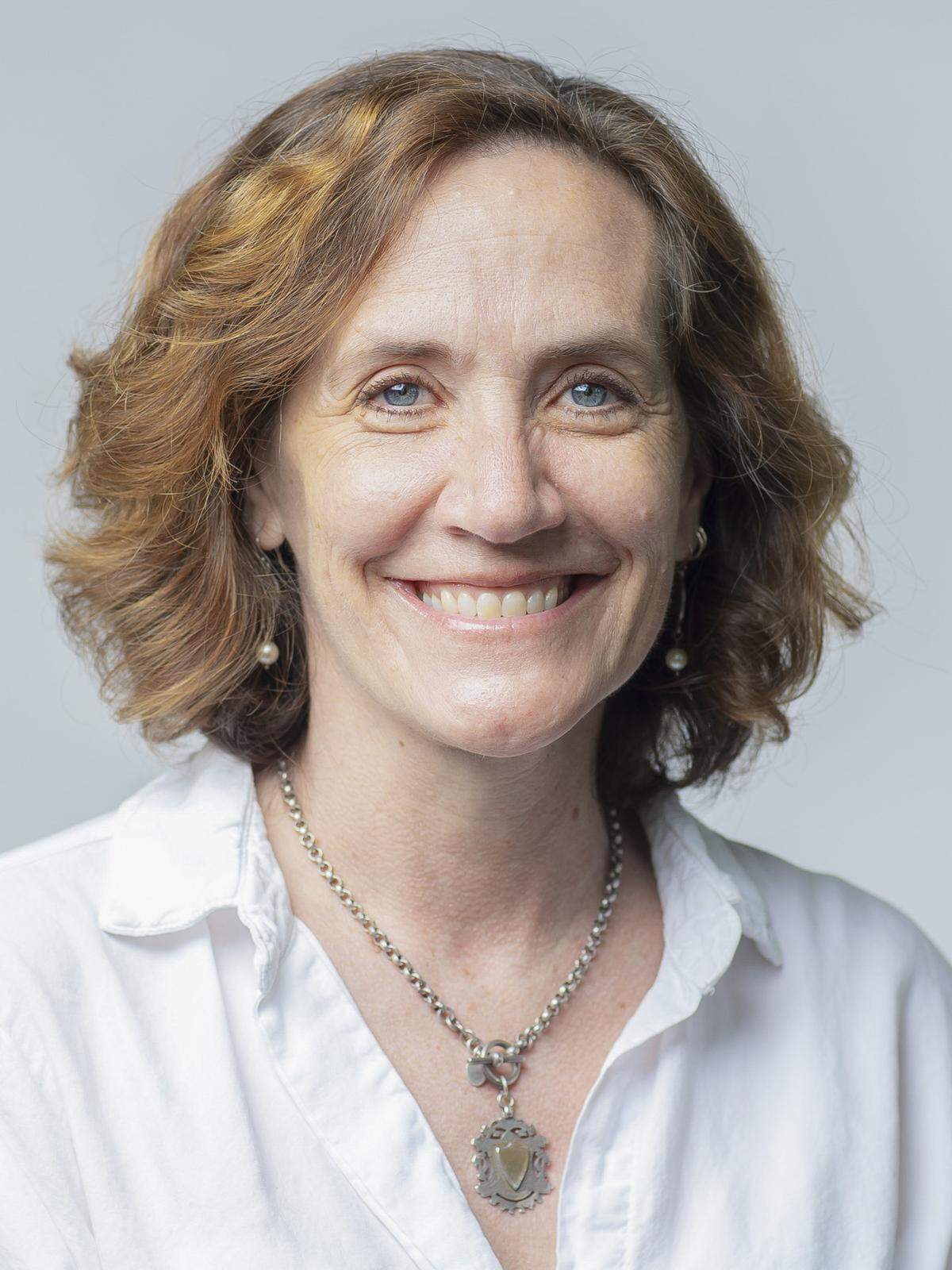
Teachers, historians, poets. Meet new inductees into KY Writers Hall of Fame | Opinion
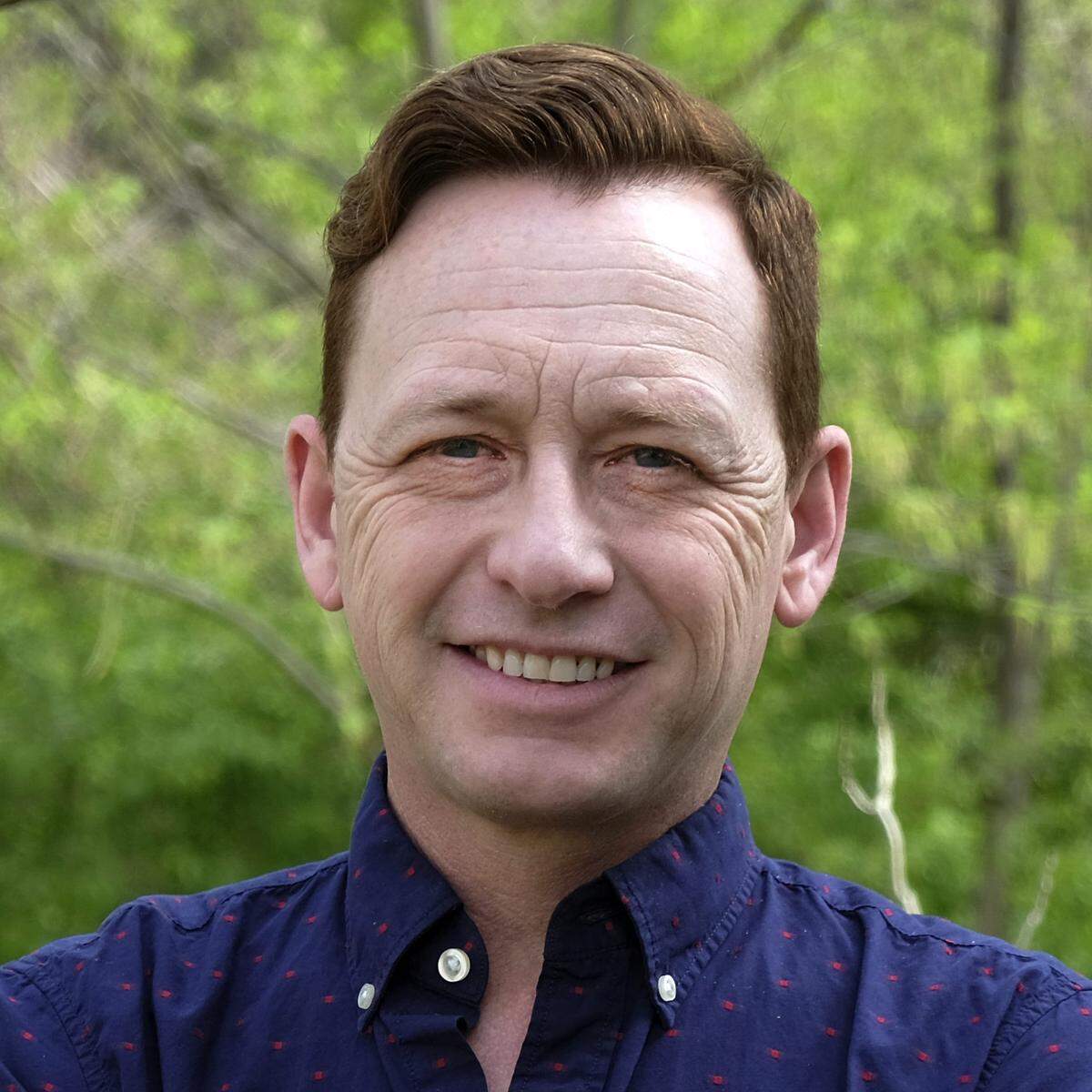
Kentucky author Silas House had a big 2025, publishing his first murder mystery (”Dead Man Blues”) and new book of poetry (”All These Ghosts”), that’s a finalist for the Southern Book Prize.
The new year also started off well, with a novel scheduled to be published in the fall, when House, a former Kentucky poet laureate, was notified he was the youngest inductee into the Kentucky Writers Hall of Fame.
“This is more important to me than to be recognized nationally, to be accepted by my people,” House said in a recent interview.
“I think being a Kentucky writer is so foundational for me,” he said. ”It’s like I don’t think I could have been a writer if I wasn’t also a Kentucky writer, just the way the Kentucky writing community has fostered me as an artist.”
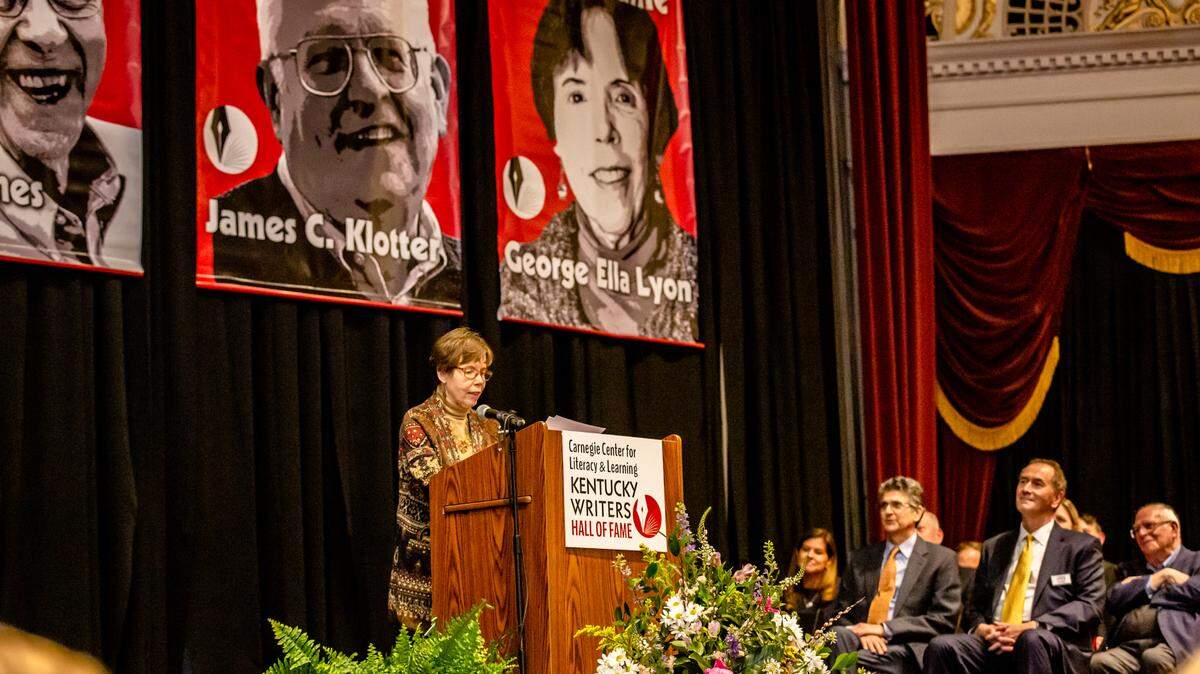
The Hall of Fame induction ceremony will be held at 7 p.m. Monday, March 30 at The Kentucky Theatre in Lexington. The event is free and open to the public.
House will be joined by three Kentucky writers. Two will be inducted posthumously.
They are:
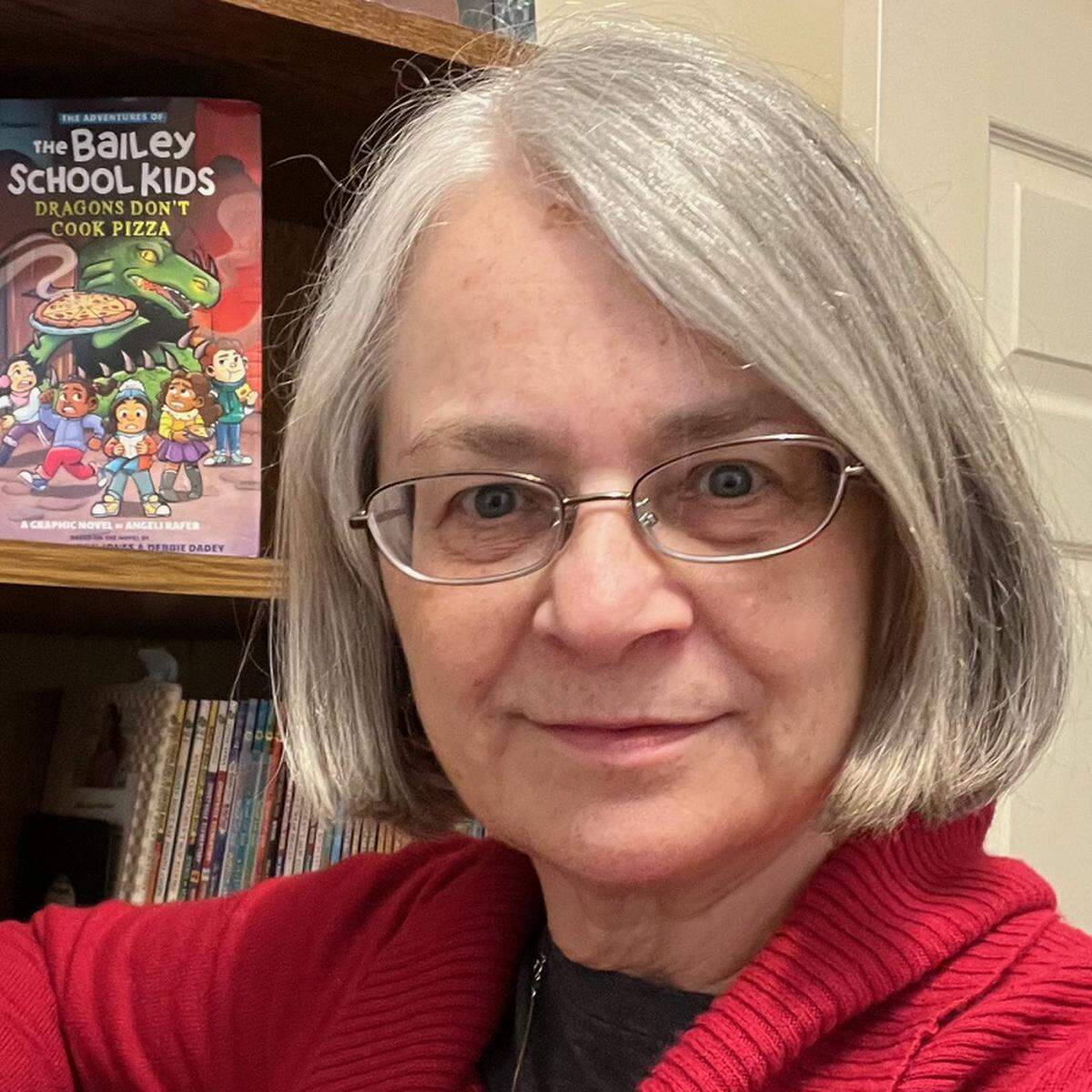
Marcia Thornton Jones and Debbie Dadey, two Lexington educators who decided to write children’s books on the side. Together, they’ve become a powerhouse in children’s literature, with an estimated 46 million books sold across the world.
.jpg "Debbie Dadey (2).jpg")
Jones and Dadey, who met while they were at Sayre School in Lexington, are best known for their Bailey School Kids series, in which Bailey students aren’t sure if their teachers are werewolves, vampires or dragons. They’ve also written numerous books as solo authors, and joined together for an adult primer on children’s literature: “Story Sparkers: A Creativity Guide for Children’s Writers.”
Jeff Worley served as Kentucky Poet Laureate in 2019 and 2020. A Kansas native, he’s published 10 books of poetry and more than 500 poems in journals and other publications.
In 2022, he published “The Poet Laureate of Aurora Avenue.” He was also the editor of “What Comes Down to Us: 25 Contemporary Kentucky Poets,” and was a longtime writer and later editor of Odyssey magazine at the University of Kentucky.
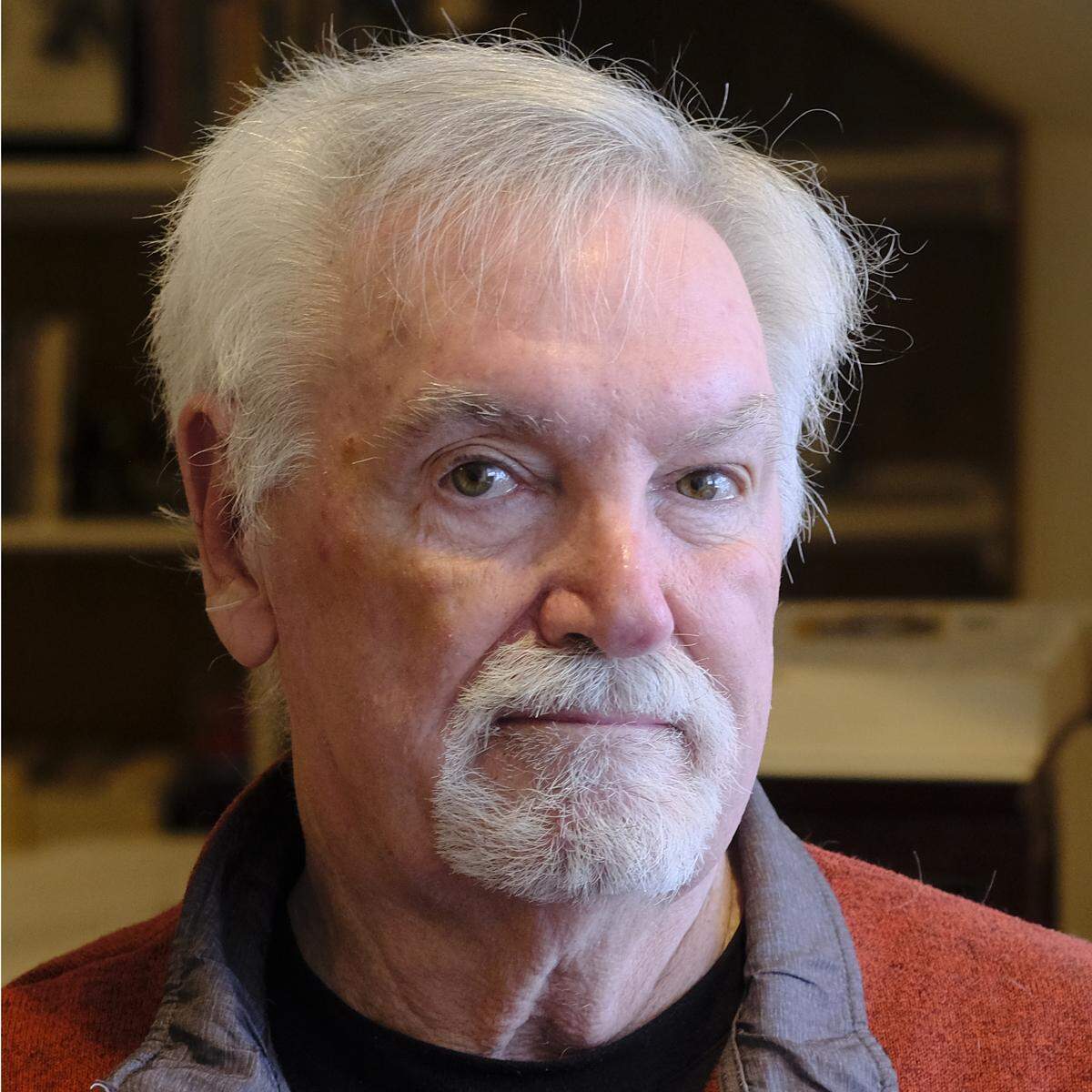
Posthumous entries:
Frederick Smock was also Kentucky Poet Laureate and a Bellarmine University English professor who co-edited the literary journal The American Voice with the late Sallie Bingham. He wrote 11 collections of poetry, including “Gardencourt,” “Guest House” and “The Blue Hour.” He also wrote two books of prose, two collections of essays and a memoir. Smock died in 2022.
.jpg "Frederick Smock (1).jpg")
Lowell Harrison was a Kentucky historian who wrote or edited 15 books and taught history at Western Kentucky University for two decades. His books include “The Civil War in Kentucky” (1975), “George Rogers Clark and the War in the West” (1976) and “Lincoln of Kentucky” (2000).
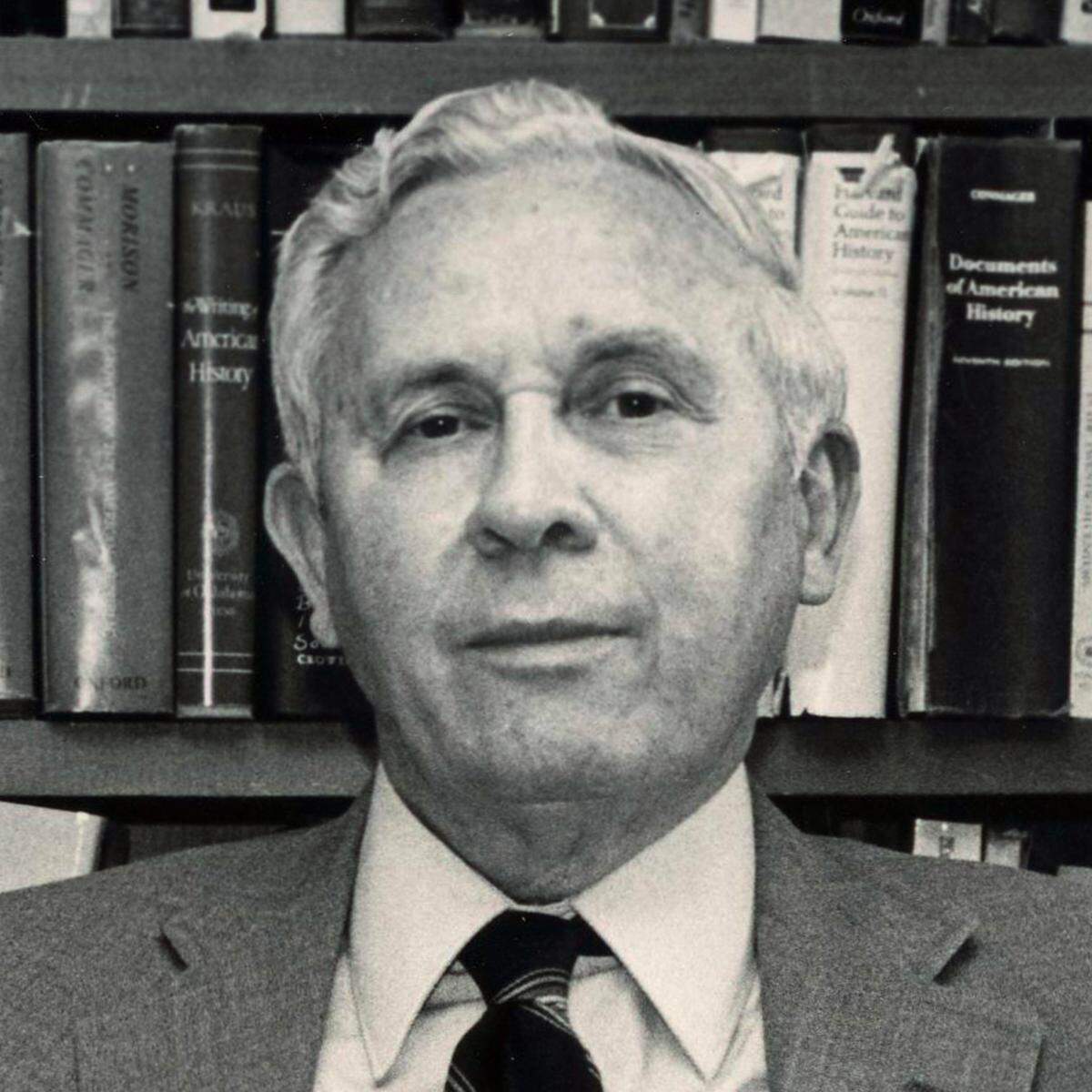
He co-edited The Kentucky Encyclopedia in 1992 with fellow historians Thomas D.Clark, James C. Klotter and John E. Kleber. Also with Klotter, Harrison wrote “A New History of Kentucky” (1997).
Harrison received numerous teaching and research awards, including the Thomas D. Clark Award for Excellence in Kentucky History from the Center for Kentucky History and Politics in 2001 and the Kentucky Historical Society Distinguished Service Award in 2010.
This year, the ceremony will also give the Kentucky Literary Impact Award to the late Pam Sexton.
.jpg "Pam Sexton (Lit Impact Award).jpg")
Sexton, a poet, writer, visual artist and community activist, helped found the Carnegie Center for Literacy and was a founding member of the Prichard Committee for Academic Excellence (which her second husband, Bob Sexton, later led). She was also a founding member of KaBooM, the Kentucky Book Mafia, and Mosaic, a group of women poets.
The award has been given only twice before — to Gray Zeitz of Larkspur Press and the late Mike Mullins, director of the Hindman Settlement School and the Appalachian Writers Workshop.
“Kentucky is blessed with literary talent in all genres, as this year’s class of Hall of Fame inductees shows,” said Tom Eblen, who manages the Hall of Fame process for the Carnegie Center. “These authors helped us learn to read, taught us our history, and continue to delight us with world-class stories and poetry. We hope everyone comes out on March 30 to help celebrate them.”