‘A unified voice.’ Lexington’s Black neighborhoods come together to fight | Opinion
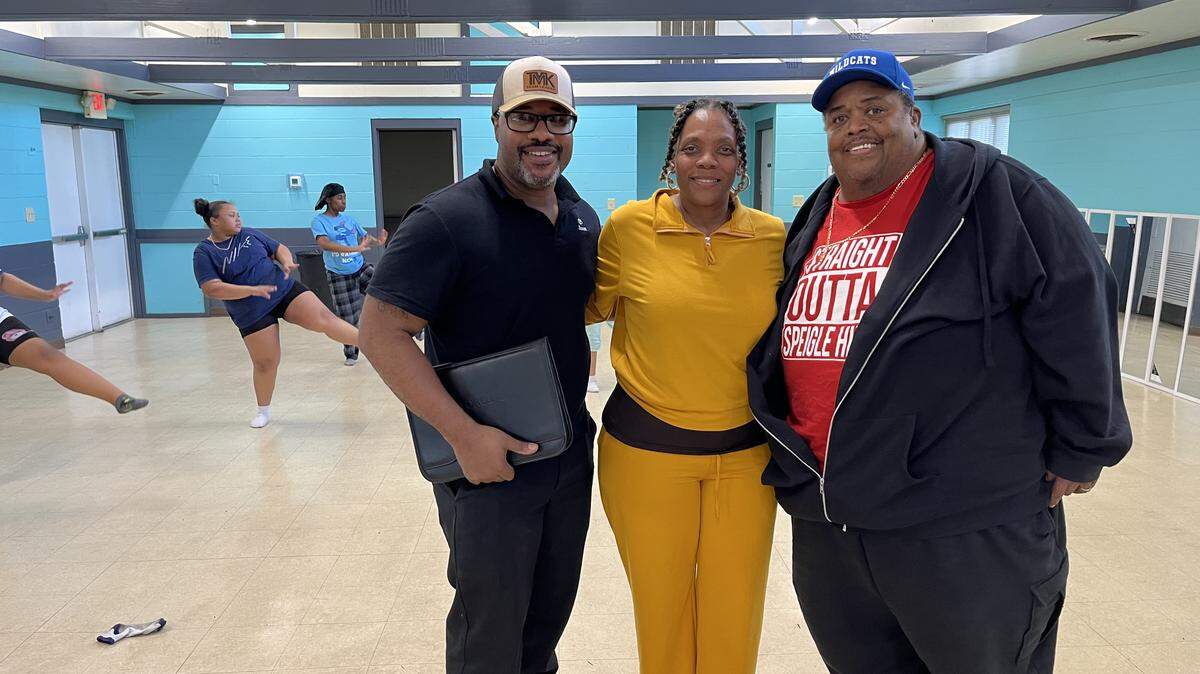
Inside the aqua blue walls of the Green Acres Park shelter, three preteen girls practiced their dance routine under the sharp eye of their coach, Mariah Shepard, as she sorted through new sequined costumes.
The Dis + Dat Dance Company is a new project to highlight African American dancing of all kinds, a way to teach the younger generation about their culture and history.
“That’s going to help them with self-confidence, knowledge, and all kinds of things,” Shepard said.
That’s the idea of everything involved with the new Lexington Historic Black Neighborhood Association Council, a group of 10 Black neighborhood associations and community associations across the city. It includes the Georgetown Street Area NA, William Wells Brown CA, Marlboro NA, Green Acres-Breckinridge-Hollow Creek NA, Spiegle Heights NA, Smithtown NA, Pralltown NA, Winburn NA, St. Martin’s Village NA, and Oakwood NA.
The group’s president, Vivian Hodge, said the different associations came together late in 2024 after a series of threats to Black neighborhoods appeared in short succession together: a luxury student apartment building that threatened to wipe out what little is left of Pralltown, a plan to put a mobile home park next to Lexington’s first Black suburban neighborhood of St. Martin’s Village, and the ongoing issues of displacement and gentrification amidst rising home prices in the city.
“We wanted to make sure we could come together and preserve the presence of these historic Black neighborhoods, uplift them so we can move forward together,” said Hodge, who grew up in the East End.
The group’s vice president, Kevin Cole, who grew up in and now lives in Spiegle Heights, said the threats are so pervasive, and the Black neighborhoods so outnumbered, that the associations felt they had to present a “unified voice.”
“People need to know who we are and what we represent in the history of this city,” Cole said.
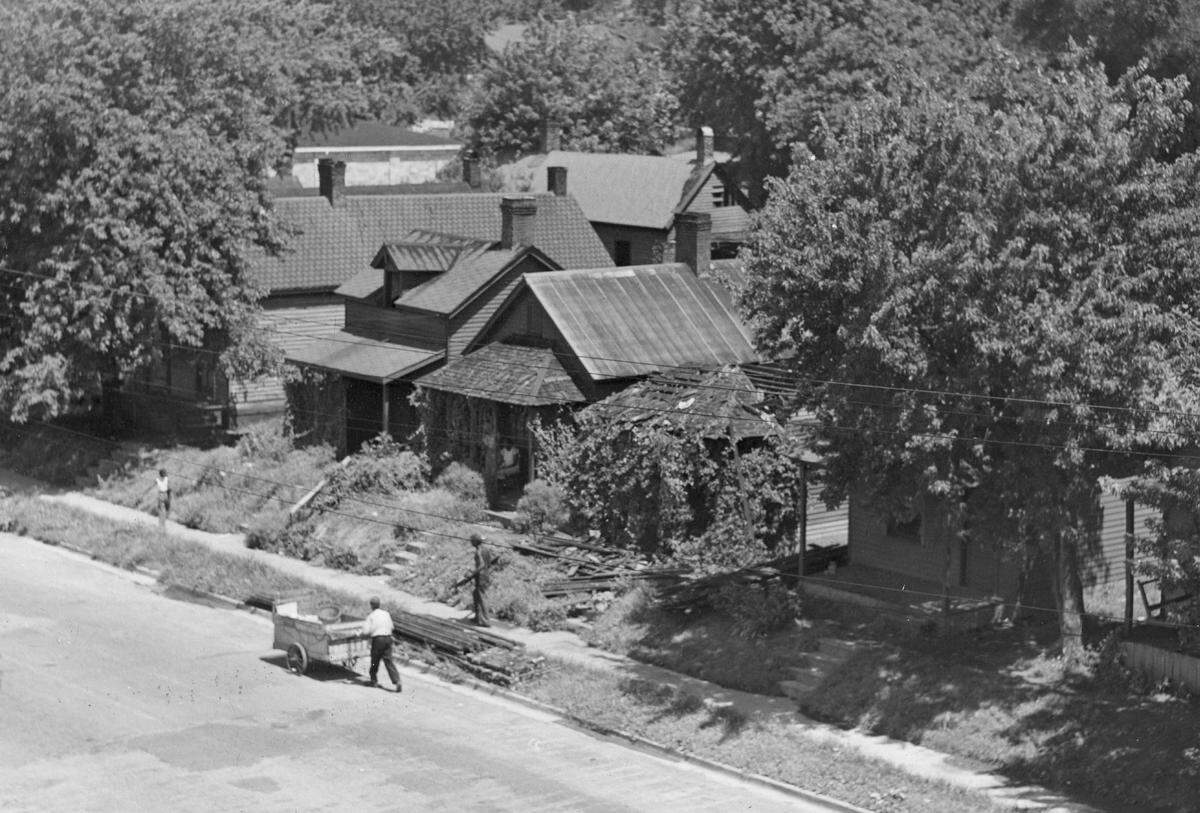
Like most American cities, Lexington has a history of structural racism and marginalization, starting with restricted deeds that kept Blacks out of many neighborhoods, to redlining that prevented widespread homeownership and kept many Black neighborhoods poorer.
Urban expansion flattened neighborhoods such as Adamstown, torn down for Memorial Coliseum, and South Hill, destroyed for Rupp Arena. Today, they are open to predation that plague poor neighborhoods, like gentrification and displacement in some neighborhoods, or an overwhelming number of unregulated sober living homes in others.
There has been some good news lately.
After pushback in Pralltown from its neighborhood association and others, the developer sat down with advocates and their lawyer, Bruce Simpson. The developer reached an agreement with the group on a smaller plan, along with a commitment to give $3 million for a new nonprofit focused on preserving the few remaining owner-occupied homes in the historically Black neighborhood.
An outpouring of protest from St. Martin’s Village led to the defeat of the mobile homes. Now single-family houses will be built on that land, although a fight over access roads is still brewing.
And the Lexington Urban County Council unanimously voted to establish stricter rules on sober living homes, requiring them to be licensed and certified by the state.
It’s good that both developers and city officials are listening to the needs of Black neighborhoods, said Simpson, so that compromises like the one in Pralltown might be replicated.
“I think this could be applied to African American neighborhoods,” Simpson said. “Lexington clearly has gentrification and displacement issues, particularly in poor neighborhoods. There’s a need for more housing and density, and more care needs to be taken in how it’s done.”
Plans to highlight ‘a rich history and culture’
The legal needs of Black neighborhoods are crucial. But the new council also wants to focus on the historical and cultural importance of folks who helped build Lexington, but were often left out of its history.
Hence, the new dance team, which will have its first showcase at the Black and Williams Cultural Center on March 14.
They’re exploring ways to fundraise. They want to help get more kids into trades, so there are more folks out there to help with routine maintenance. They want to set up financial literacy classes for people to help them better understand how to hang on to their houses. And they want to explore a directory of Black-owned businesses to help support locally owned establishments.
“We want to build our own economy within these neighborhoods,” Hodge said, hearkening back to the days when Deweese Street was the the center of the Black population here. “That way we don’t have to depend on others.”
In two weeks, the council will hold a meet and greet with all the primary election candidates, so the council members get to know their politicians and vice versa.
All in all, the new council hopes to become a force on all fronts — political, cultural and financial.
“I feel like a lot of these neighborhoods were written off,” Hodge said. “We’re trying to make sure Lexington knows we have a rich history and culture, that we’re just as valuable as any other neighborhood.”