
Compassion requires common sense in the Chevy Chase debate | Opinion
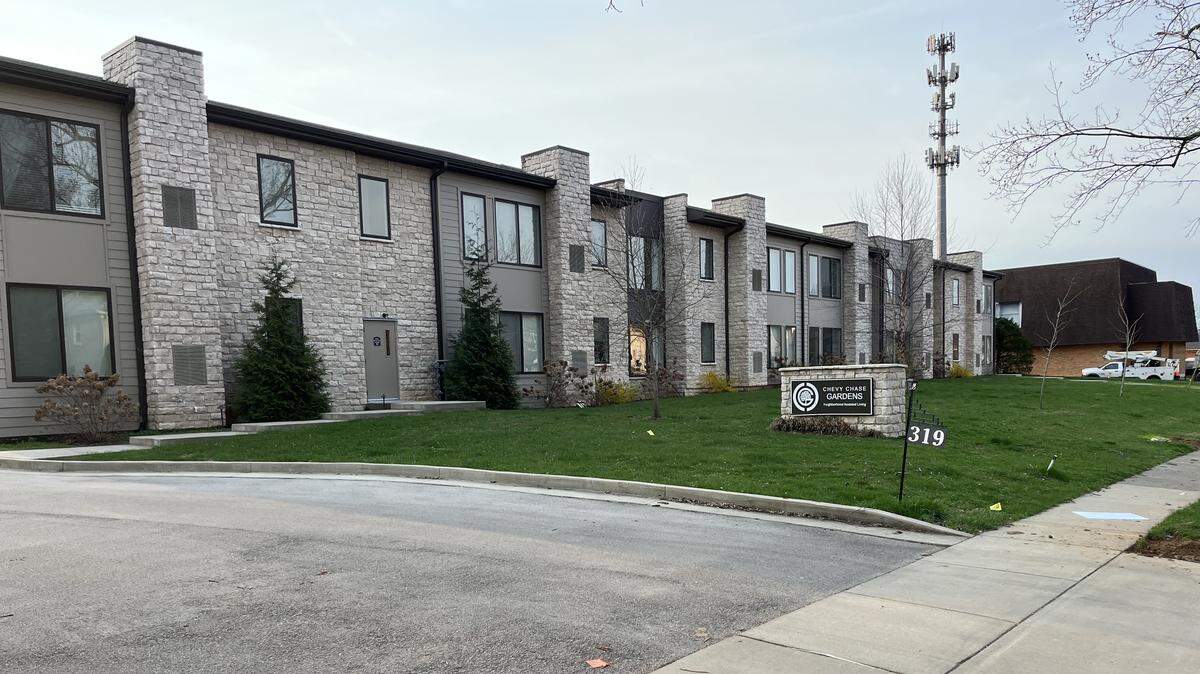
Two recent op-eds ask readers to see the fight over a conditional use permit at 319 Duke Road as a test of compassion. This misses the point. This is not just a Chevy Chase discussion, and it is not about whether treatment matters (unequivocally, it does). The question is whether an existing 24-bed assisted-living facility is an appropriate location for the proposed 60-bed “Rehabilitation Home,” and its broadly permitted uses, in the middle of an established neighborhood and next to three schools. The easiest way to avoid that question is to caricature Chevy Chase, using words like “pitchforks,” “fear,” and “misinformation”, and to dismiss the opposition instead of addressing the real concerns.
This is a location issue, not an anti-treatment issue. Lexington needs more treatment options. But not every needed use belongs everywhere. The property is zoned R-3, which is a medium-density residential zone. The applicant seeks approval of 60 beds, with as many as 20 employees present at one time. With visitors, delivery people, etc. that is more than 80 people a day – an incredibly large, intensive operation for a residential property on a local street in the heart of a neighborhood. Duke Road is already difficult to navigate, especially during morning and afternoon carlines, and increased traffic from the proposed facility will be problematic.
Scale matters. The facility only has 24 bedrooms. The current request is for 60 licensed beds, almost three times what the building was constructed to accommodate. Even under ordinary residential zoning principles, no one would expect a 1.3-acre R-3 parcel to support a 60-unit apartment building. So, it is entirely fair to ask why the city should approve a 60-bed residential treatment facility, with 24-hour staffing, and a density greater than Eastern State (195 beds on 30 acres) or Charter Ridge (110 beds on 10 acres) on such a small parcel. The applicant’s own materials say the program is medically supervised, structured seven days a week, and staffed around the clock. That describes a hospital-like setting, but it also underscores the scale of the proposed operation and why residents are rightly questioning it.
The permit, if granted, does not limit uses to the applicant’s described operation as “a residential mental health and eating disorder treatment program.” Rather, the zoning ordinance definition of “Rehabilitation Home” is much broader — it allows a supervised residence for persons recovering from drug or alcohol abuse, psychiatric disorders, or as a condition of parole or probation. That gap matters. The question is not just what the operator says it plans to do today. It is what the permit would allow tomorrow, and whether the limits now being discussed would be clear enough to enforce later.
Neighbors have justifiable reasons to ask whether future limits would really be enforced. The property currently has a conditional use permit for a personal care facility but has never been used for that purpose. Instead, the current owner is operating an outpatient mental health clinic. It raises a fair public question: if there is already confusion regarding what is allowed on this site, why should residents simply trust that future conditions will solve the problem? This is especially important as the proposed uses will be only hundreds of feet from three nearby schools.
Finally, this is not just about Chevy Chase. The real question is whether established neighborhoods across Lexington, from Bell Court to Blackford Oaks, Cadentown to Smithtown, ought to absorb high-intensity, and incompatible uses simply because they are described as morally worthy. Chevy Chase is not asking for special treatment. It is asking for the same thing every neighborhood should expect: common-sense land-use decisions that respect location, scale, traffic, and clearly defined permitted (and prohibited) uses that are enforceable.
All Lexington residents should pay attention to this case, because the rule applied here will not stay in Chevy Chase. If you believe neighborhoods across this city deserve thoughtful and clear limits on intensive uses, write the Board of Adjustment (planningmailbox@lexingtonky.gov) and show up at the public hearing on April 13 at 1:30 p.m. at LFUCG Council Chambers, 200 East Main Street. This is not about refusing treatment - it is about insisting that compassion be paired with common sense.

Nathan Billings lives in Shadeland East and is a land-use and real estate attorney.