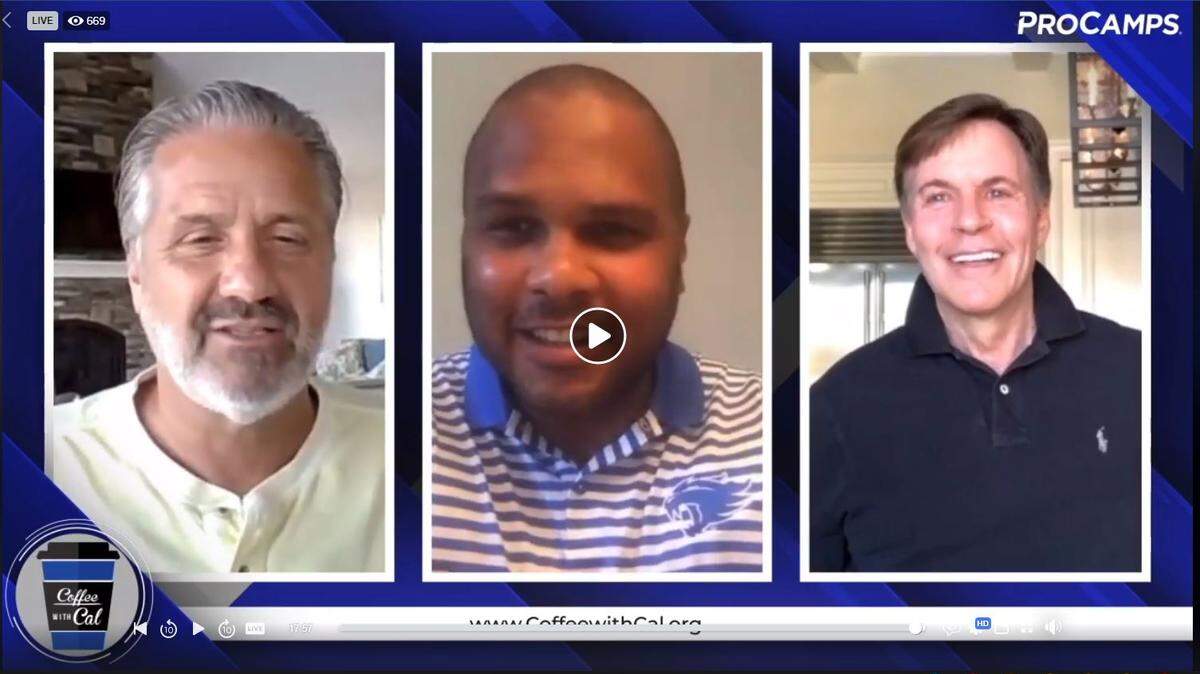
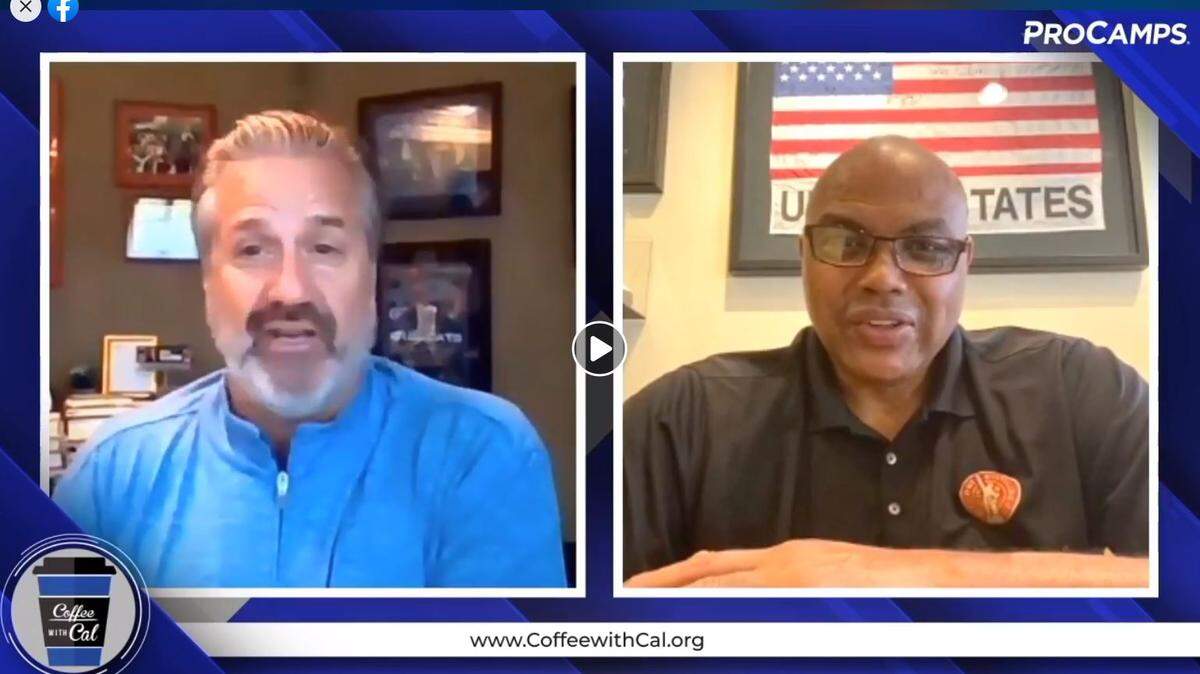
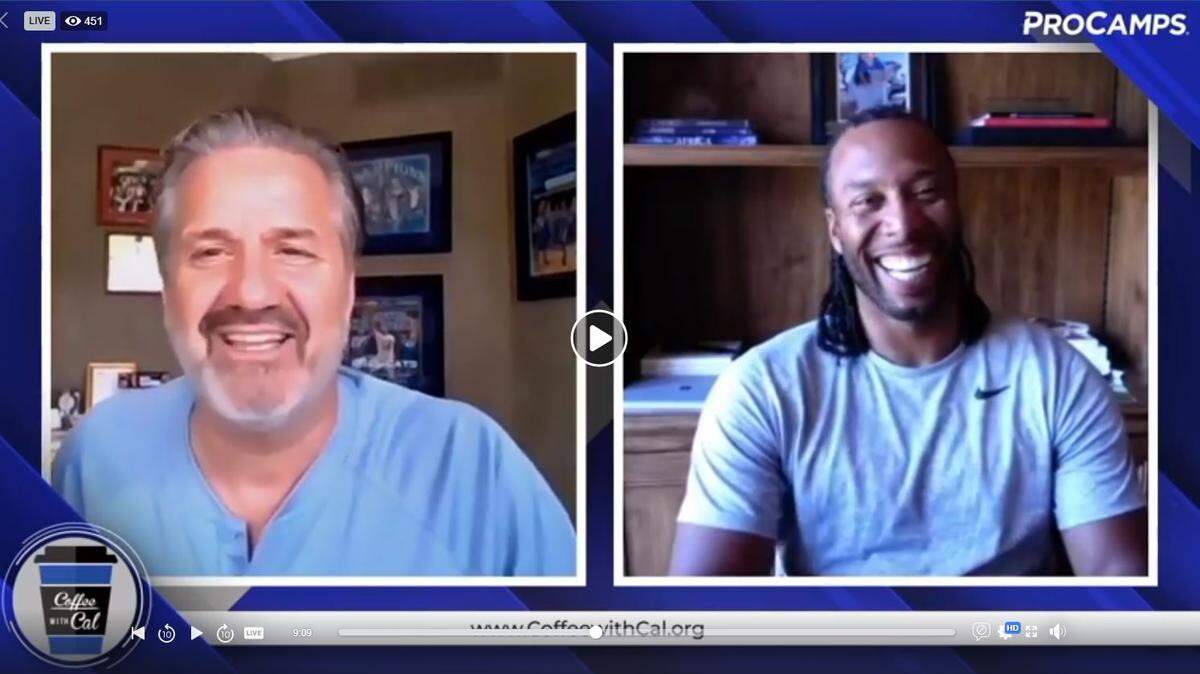
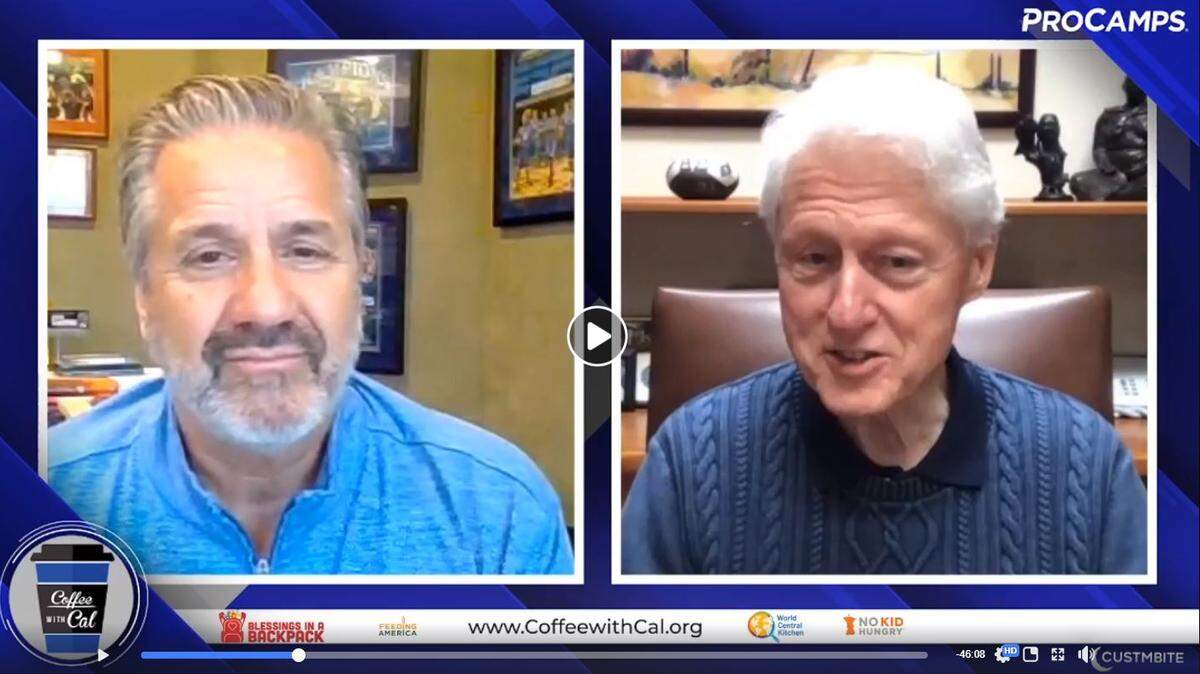
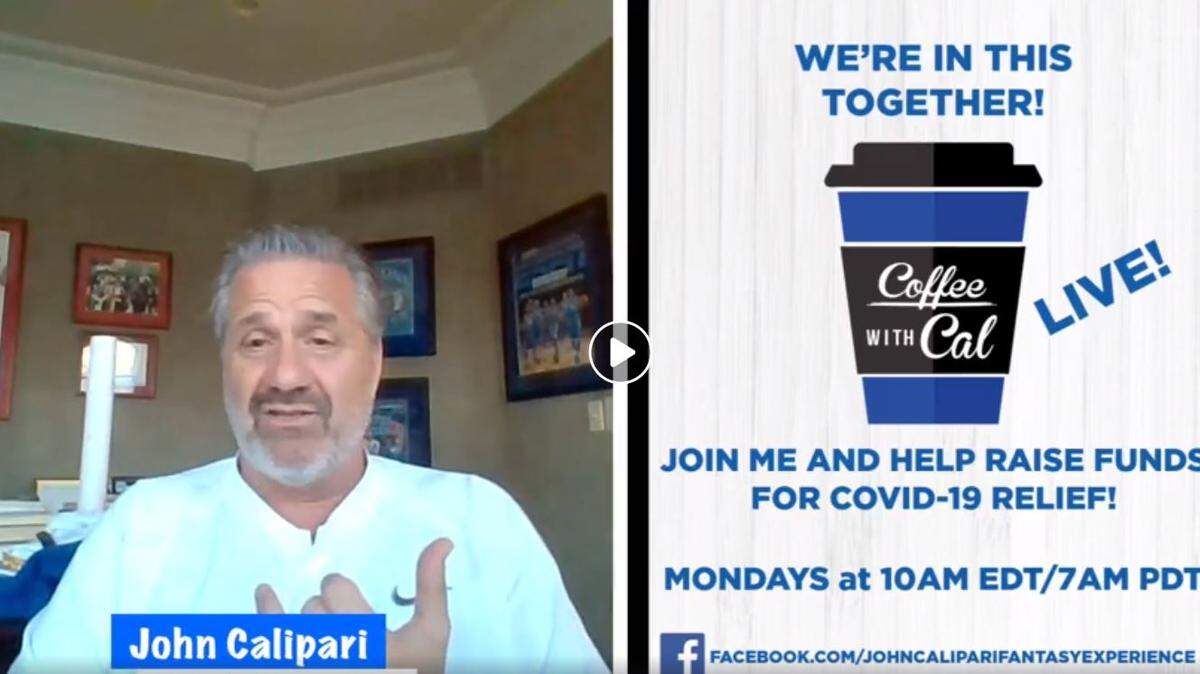
Calipari, Costas discuss return of sports, Derby and O.J.’s call from the Bronco.
READ MORE
Coffee with Cal
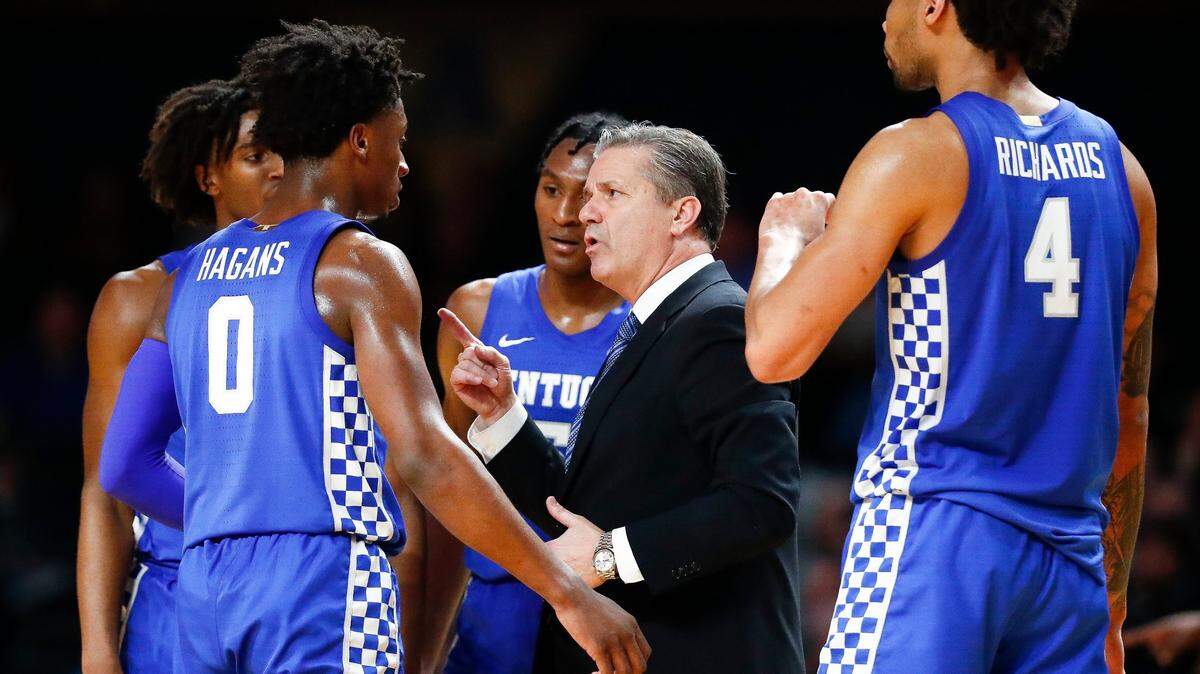
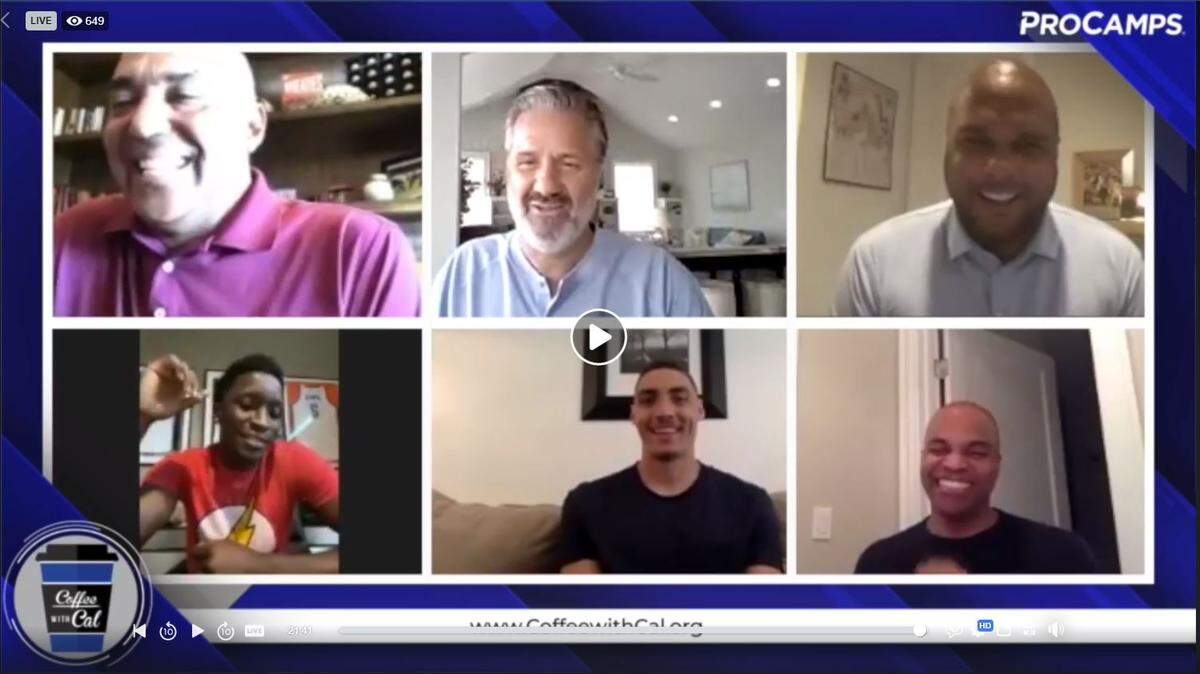
University of Kentucky men’s basketball coach John Calipari is hosting a weekly show on Facebook Live called “Coffee with Cal” in which he interviews influential individuals from the worlds of sports, media, politics and beyond. The shows are designed to benefit COVID-19 relief and draw attention to the Black Lives Matter movement. Click below to read the Herald-Leader’s stories recapping previous shows.
Expand All
The question on the minds of all sports fans was part of a wide-ranging conversation with noted broadcaster Bob Costas on the “Coffee with Cal” Facebook show Monday: When and how will sports return?
Kentucky Coach John Calipari acknowledged how the uncertainty caused by the ongoing coronavirus pandemic made a definitive answer impossible. The metaphorical ground could shift under college basketball as well as other sports.
“We are almost sitting back saying let’s learn, let’s watch, let’s see how this thing plays out,” Calipari said of what seems a tentative 2020-21 season. “My hope is — and I believe everybody’s guessing because we don’t know, but — you want it to happen. You’re hoping it happens. You’re hoping there are fans. But we just don’t know. But it changes, like, every week.”
Costas, the only person in television history to win Emmys for Sports, News and Entertainment broadcasting, asked a pointed question. What happens if there are no students on campus? What if classes are online?
“Some people will say, wait a second,” he said. “If there is not school, how are they student-athletes? . . . Doesn’t that feel not just weird? But maybe wrong?”
After pointing out that UK offers what it calls “lifetime scholarships” that enable players to finish degree work later in life, Calipari offered a positive spin on the possibility of an unusual school-year calendar. He said that during his time as UMass coach, the school had a semester break of nearly two months in order to limit the time during winter students lived in dorms.
Calipari said he used this period for team bonding.
“You had time to bring your team together because it was only us,” he said. “And they became unbelievable teams.”
Upon return to campus, the players will need to look out for each other by following guidelines set up by medical officials, he said.
Can football return?
Costas spoke warily of football returning at the customary time.
“Unless there’s a vaccine or the (pandemic) has receded substantially, how are you going to play football?” he asked.
Costas noted how offensive linemen are shoulder to shoulder with the defensive line hovering. A center yells instruction. So does the quarterback.
“People sweat on each other,” he said. “Bleed on each other. I don’t know how you do that.”
‘Tightrope walk’
Costas said the NBA and National Hockey League should attempt to complete their seasons.
But the decisions to resume play are not snap judgments.
“It’s a tightrope walk to get from one end of the ravine to the other,” he said of football’s return. “I think they should try. But I don’t think it’s guaranteed that they make it. And that’s true of all sports.”
Costas all but scolded baseball owners and players being at loggerheads about how to return. He placed a greater blame on players for baseball’s failure to resume.
“There’s so much mistrust (between players and owners) passed down from generation to generation . . . ,” he said. “You get some disgust people have with billionaires fighting with millionaires. . . . And the average person says, ‘Look, you all have your interests, but can’t you put winning 100-percent aside and realize that all of us in one way or the other have had to adjust?”
Bizarre
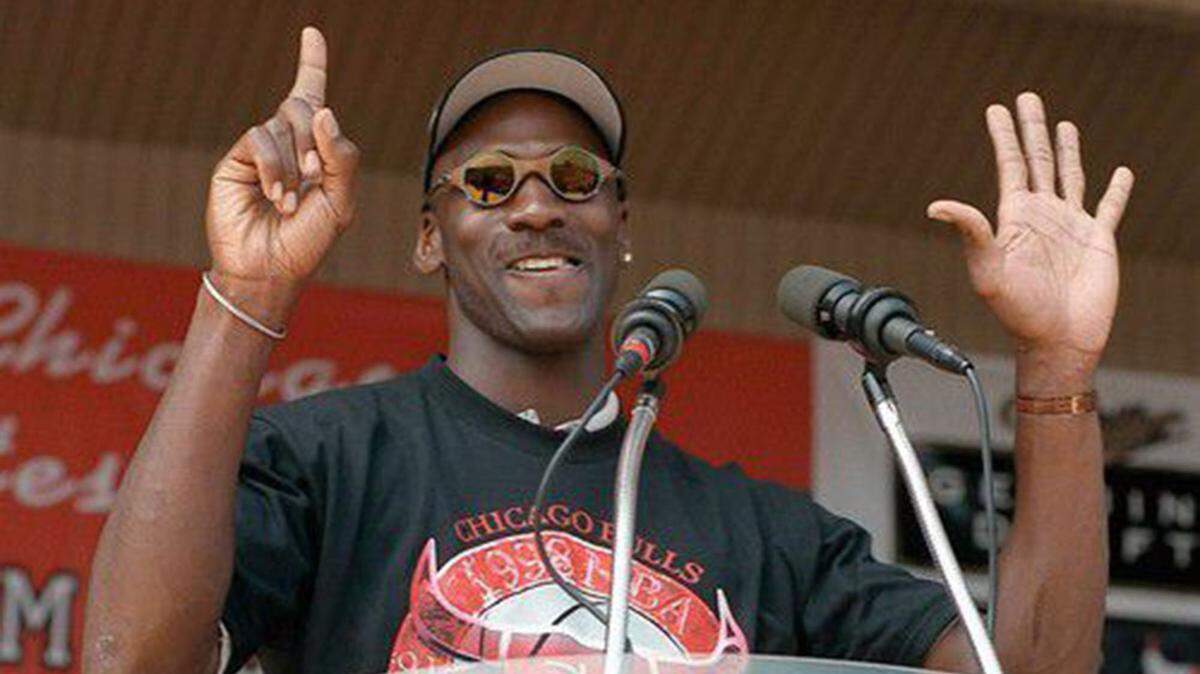
The telecast of the fifth game of the 1994 NBA Finals was an unforgettable experience. Not because of jump shooting or high-flying dunks. Because of the slow police chase of O.J. Simpson, who sat in the backseat of a white Ford Bronco.
As Costas recalled, the NBC broadcast team knew before the game that Los Angeles police intended to arrest Simpson for the murder of his wife and a restaurant waiter.
“But we didn’t know yet that there would be cameras following him in the slow speed chase down the 405 in the white Bronco. . . .
“It was my job to kind of transition between Marv Albert calling the exciting game and Tom Brokaw only a few blocks away at 30 Rock.”
Brokaw was anchoring the news coverage of Simpson.
In describing this broadcasting challenge, Costas said, “bizarre understates it.”
O.J. calling
While riding in the Bronco, Simpson, who formerly worked as a sports announcer for NBC, called Costas. No answer on the home phone.
Simpson then called the phone in the studio where he worked with Costas on pro football coverage.
A technician answered the phone.
Costas recalled the exchange as:
“Is Bob Costas there?” Simpson asked.
“No, he’s at Madison Square Garden.”
“I have to speak to Bob Costas,” Simpson said.
“He’s not here.”
“Well, I have to speak to him right now,” Simpson said.
“Who’s calling?”
“O.J. Simpson.”
“Yeah, right,” the technician said before hanging up the phone.
Later that year, Costas rode with Robert Kardashian and Al Cowlings to visit Simpson in the Los Angeles County Jail.
“‘They were dogging me, Bob,’” Costas recalled Simpson saying, “‘They were dogging me. I had to speak to someone who knew I was a good guy.’”
Costas interpreted this as “I guess he thought I’d be a character witness for him on the air.”
The Derby
Among Costas’ many assignments as a broadcaster, one was working the Kentucky Derby.
“I never try to pass myself off as a railbird or horse racing expert . . . ,” he said before adding a moment later, “You don’t need to know a furlong from a fetlock. You should go to the Kentucky Derby. It should be on your bucket list.”
This story was originally published June 15, 2020 at 3:31 PM.