Silent Cal? Kentucky coach listens as guests discuss systemic racism in America.
READ MORE
Coffee with Cal
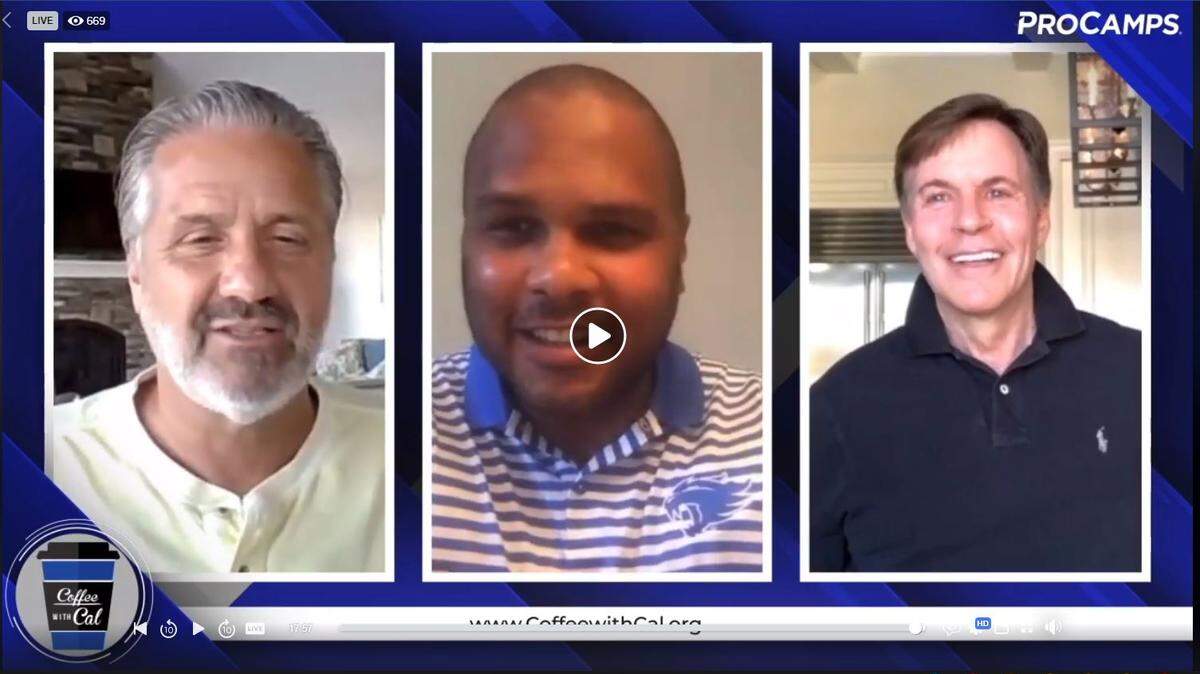
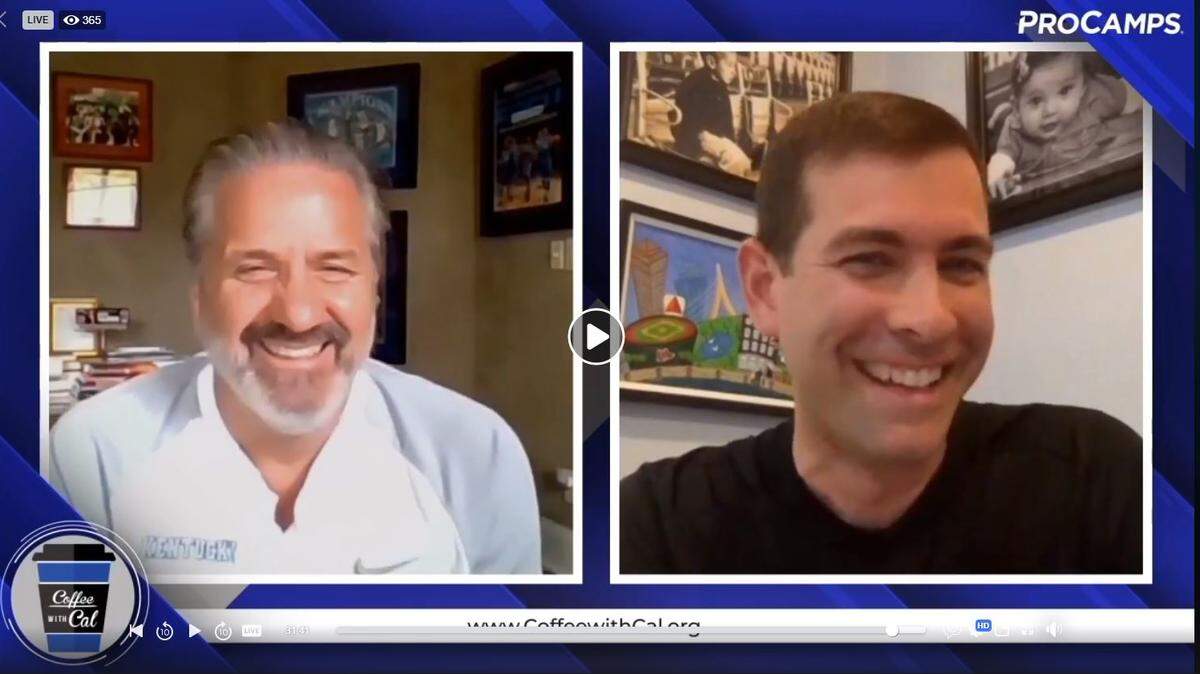
University of Kentucky men’s basketball coach John Calipari is hosting a weekly show on Facebook Live called “Coffee with Cal” in which he interviews influential individuals from the worlds of sports, media, politics and beyond. The shows are designed to benefit COVID-19 relief and draw attention to the Black Lives Matter movement. Click below to read the Herald-Leader’s stories recapping previous shows.
Expand All
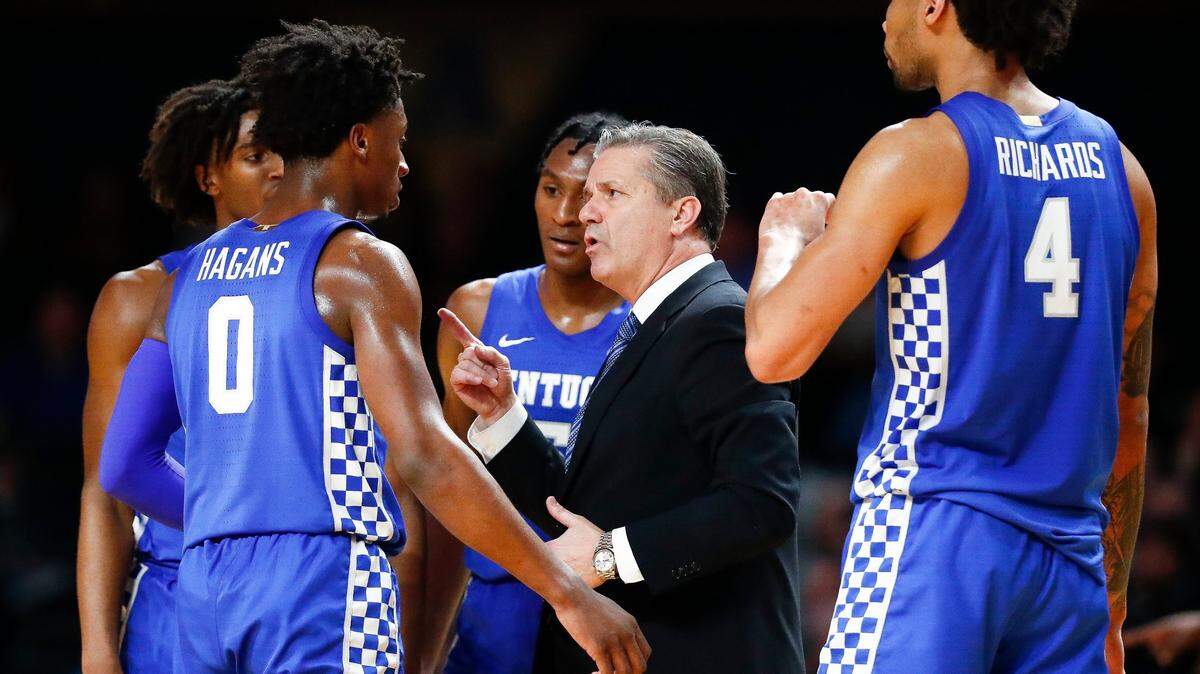
John Calipari, among the most loquacious of coaches, was mostly Silent Cal during Monday’s episode of his “Coffee With Cal” Facebook show.
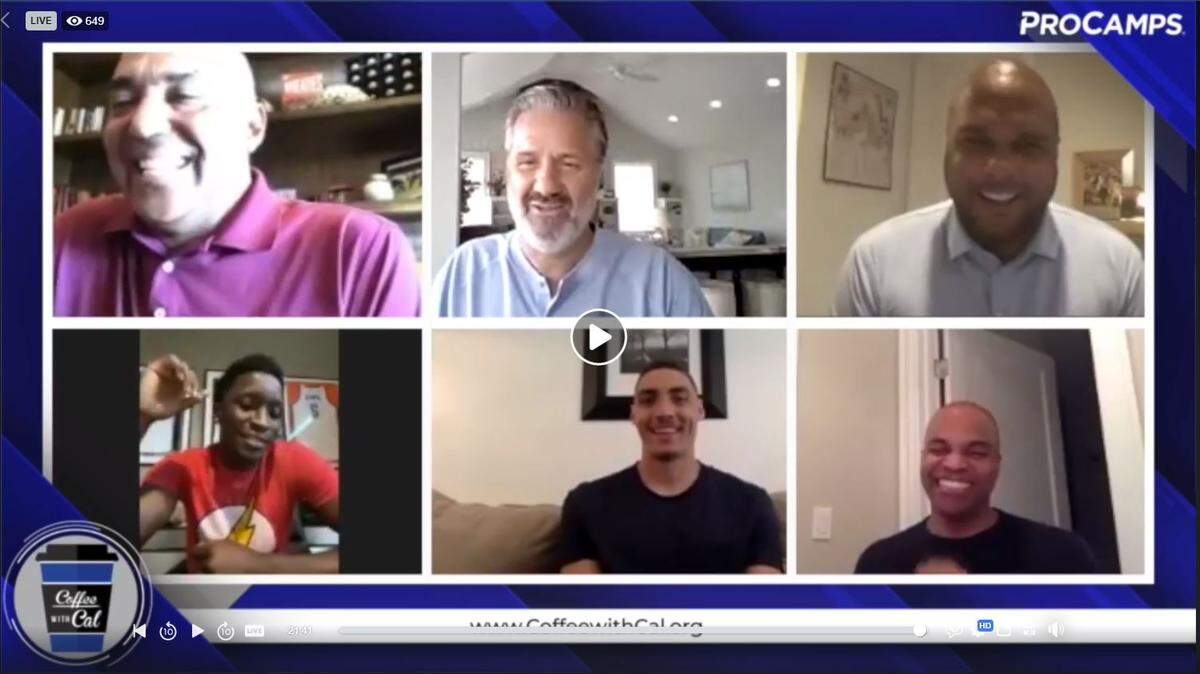
The Kentucky basketball coach yielded the floor to the four guests. He listened — perhaps sipping coffee off screen? — as former UK player Reid Travis, former Cincinnati Bengals coach Marvin Lewis, Harvard basketball coach Tommy Amaker and Indiana Pacers player Victor Oladipo held an hourlong discussion about the police killing of George Floyd, ongoing protests of this country’s history of systemic racism and where we go from here.
“I understand that I may never understand,” Calipari told his guests, “but I stand with you.”
Oladipo saluted Calipari’s willingness to help and deference to men more learned in American life for African-Americans.
“That is change right there,” the former Indiana Hoosiers standout said.
Of course, the killing of Floyd and subsequent protests hit home for Travis. Literally. He grew up in Minneapolis and said he had visited the site of Floyd’s death.
“Just a block away from where my dad grew up,” he said. “My grandmother had a business in that neighborhood. It’s a street I’m very familiar with. … It’s really just tough to wrap my mind around.”
Travis, who played for UK in the 2018-19 season as a graduate transfer from Stanford, noted that another former college basketball player from Minneapolis, Royce White, had organized protests.
“It’s cool to be part of something where basketball was able to bring us all together and unify us,” Travis said.
Travis, 24, and Oladipo, 28, said their generation can help lead the country to a better future.
“As far as not waiting around for somebody older or the older generation to step in and make change,” Travis said. “We have a voice. We have a platform. And I took a lot of pride in going back home and see a lot of friends that I went to school with, that I hooped with in the park that are personally on the front line of these protests. They are the ones organizing. They are the ones doing it peacefully, trying to make change. …
“That was cool to see.”
Olapido gave the present situation a historic perspective. He recalled the efforts of such people as Martin Luther King Jr., Rosa Parks and Harriet Tubman to create an equality of justice and racial harmony.
“They didn’t have the resources we have right now,” Oladipo said. “They did all they could to affect change. Now, I can sit at a table with my white friends and eat. Now, I can go down the street and go to a restaurant with my white friends. I can use the same bathroom as my white friends and eat. I can go on trips with my white friends and no one will think it’s weird or abnormal. …
“So, now it’s our turn.”
Amaker saw an irony in this hope for a pivotal moment coming in the year 2020.
“To me, 2020 stands for clear or maybe perfect vision,” he said. “We’re seeing all of this through clear vision.”
The Harvard coach — and former Duke player — credited the coronavirus pandemic for pausing the normal rhythms of life and allowing people to ponder racism. Of course, the searing image recorded on video of a policeman kneeling into Floyd’s neck for almost nine minutes moved people.
“How can one human being do that to another human being?” Calipari asked. “… What’s in their heart?”
Calipari took solace in the diversity of crowds protesting the killing and the country’s history of systemic racism.
“Young, old, white, black, women, males, brown, yellow,” the UK coach said. “Everybody. We have a chance right now if we keep the pressure on.”
As he did on a webinar sponsored by the National Association of Basketball Coaches last week, Calipari proposed UK launch an internship program for minorities as a means to create access and opportunity for careers in athletic administration. ESPN reporter Maria Taylor has volunteered to find candidates for the program, he said.
Travis said he had posted video of protests in Minneapolis. This led a former Stanford teammate to thank him for an educational experience. Rather than take a bow, Travis said the thank you made him regret not speaking candidly about race relations with teammates.
Lewis and Amaker said it was the responsibility of coaches to create an atmosphere where teammates can engage in such a conversation.
“One of the greatest things a leader can do is create an environment where you feel safe, comfortable and encouraged to share how you feel with each other,” Amaker said. “That’s the essence of things coming out and surfacing or being resolved.”
Without mentioning Silent Cal by name, Travis seemed to salute the UK coach taking a back seat on his own show.
“I think the biggest thing that’s given me a bright spot is people actually taking the time to educate themselves, to be patient, to listen instead of always talking about their own experiences,” he said. “To really take a step back and say there’s people really struggling. Let me hear what they’re going through. Then let me take strategic steps to help. Let them take the lead for once.”
This story was originally published June 8, 2020 at 4:25 PM.