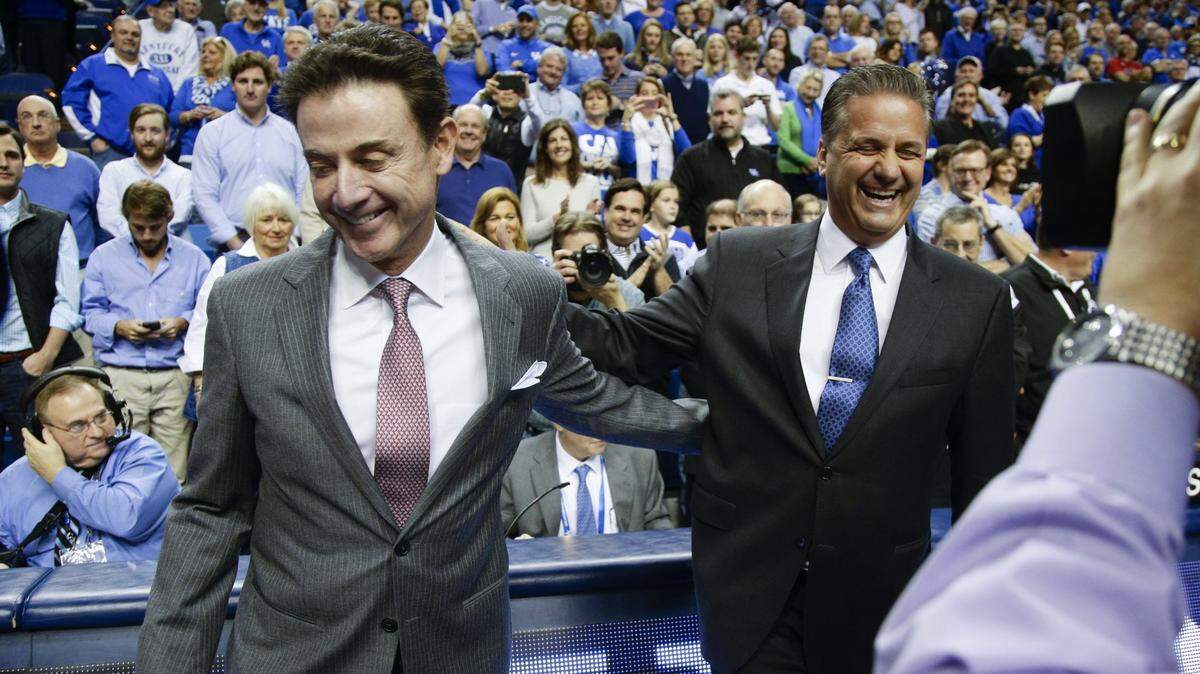
What happened to basketball coaches after they left Kentucky? Most took strange turns
READ MORE
Preview: No. 12 Kentucky vs. Arkansas
Click below to read more of the Herald-Leader and Kentucky.com’s preview coverage ahead of Saturday’s Kentucky-Arkansas game marking the return of John Calipari to Rupp Arena.
Expand All
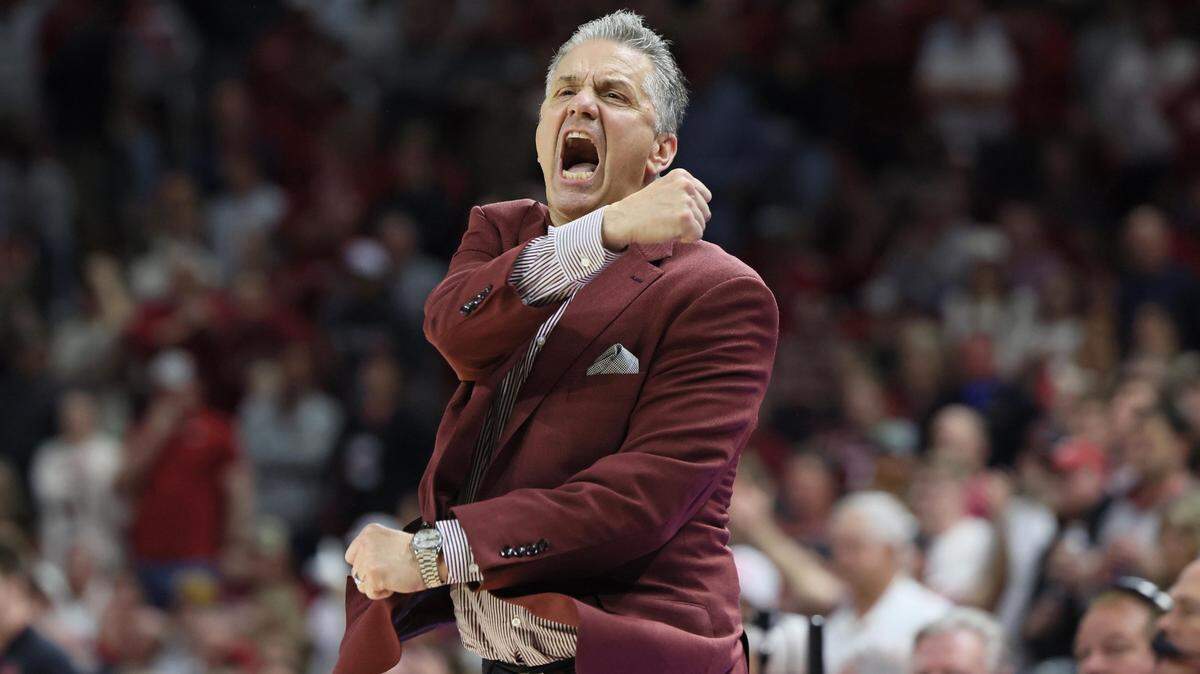
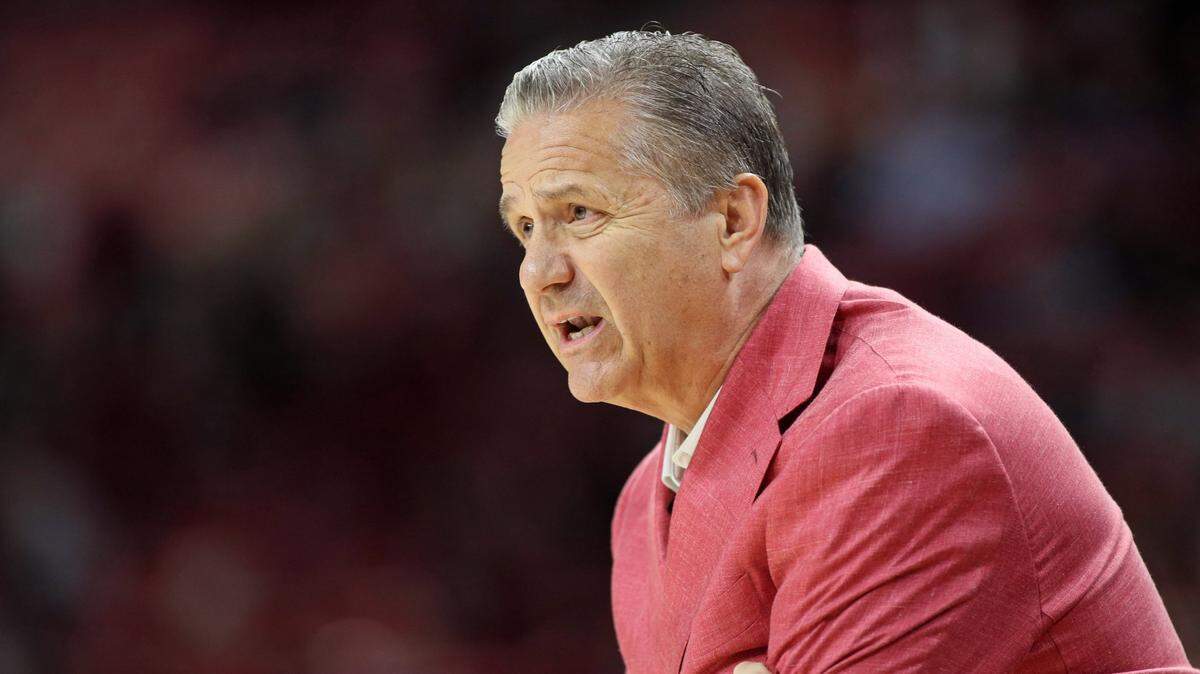
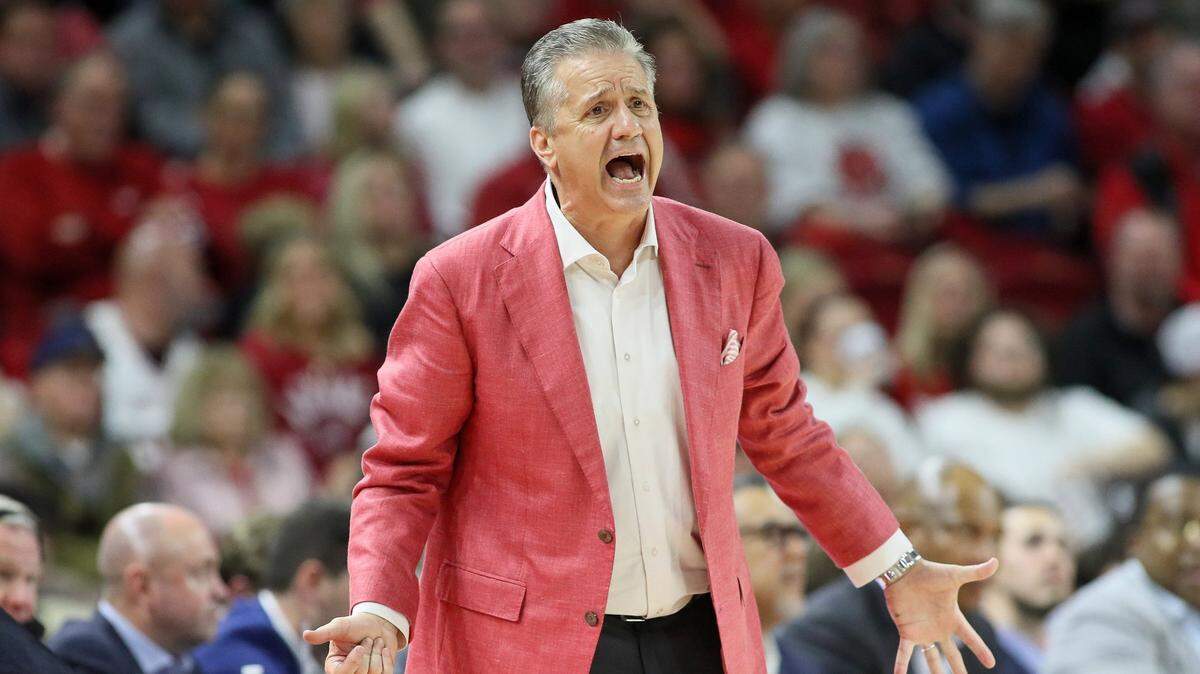
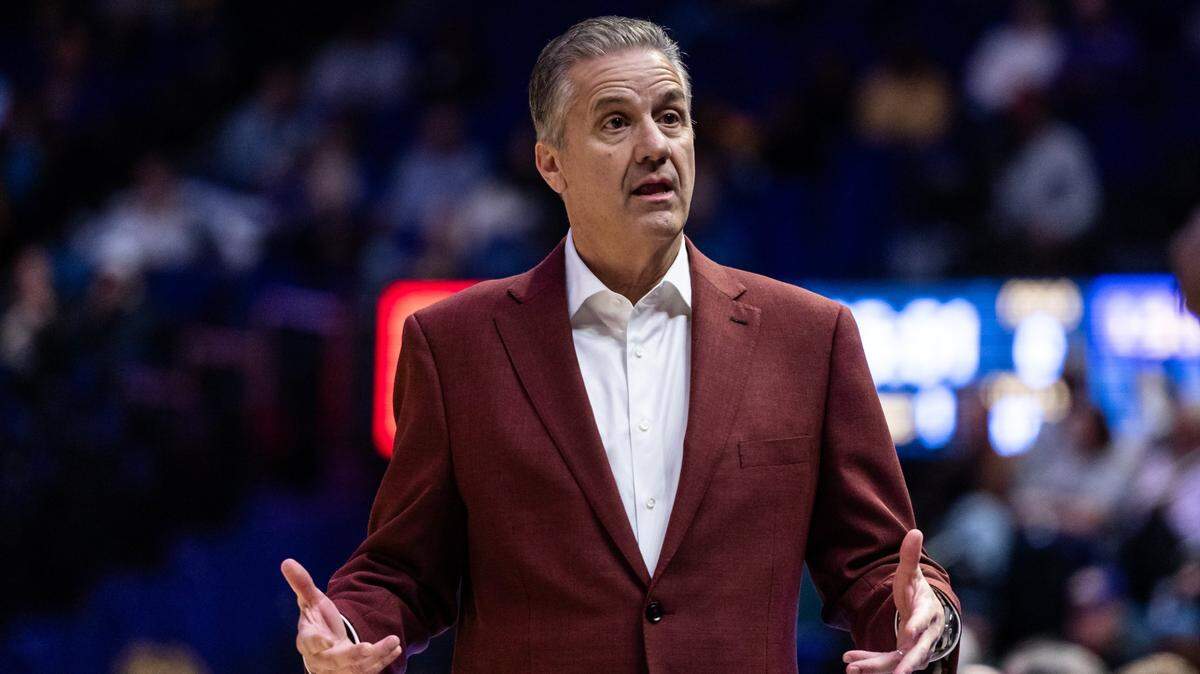
John Calipari’s return to Rupp Arena as the head coach of the Arkansas Razorbacks is a scenario that would’ve seemed unthinkable a year ago. It still doesn’t sound quite right.
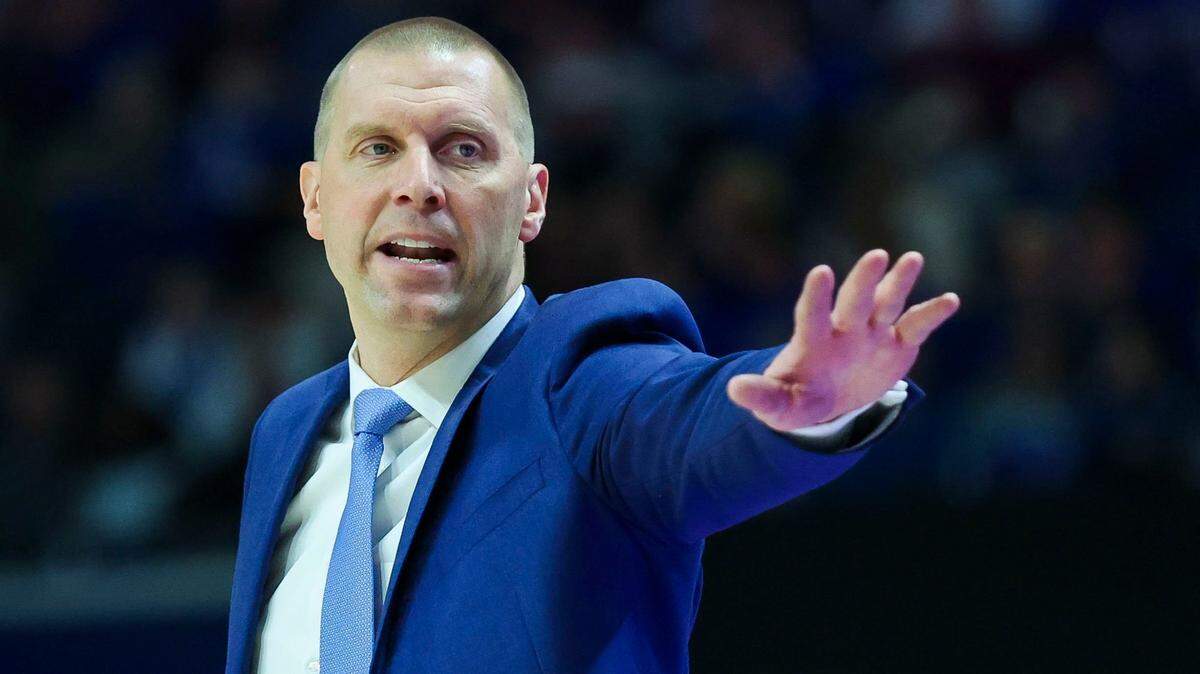
But Saturday’s game featuring Mark Pope’s Kentucky Wildcats playing to the home crowd with Calipari patrolling the visiting sideline won’t go down as the strangest moment in the building’s history.
Just about every former Kentucky men’s basketball coach has seen his career take an odd turn or two — with some of those paths winding their way back into Rupp — making Calipari just the latest in that long line of former leaders of UK’s program to see his time in Lexington end in a strange manner.
From the ABA front office, to enemy No. 1 status to the junior-college coaching ranks, here’s a look at where each of Calipari’s predecessors ended up after their tenure at Kentucky was complete.
.jpg "Untitled design (3).jpg")
Adolph Rupp
Years as UK coach: 1930-72.
Tenure at Kentucky: The architect of Kentucky basketball, Rupp is one of the most successful coaches in the sport’s history. He won four national titles — third on the all-time men’s list behind only UCLA’s John Wooden (10) and Duke’s Mike Krzyzewski (five) — and laid the foundation for UK to become one of the elite programs in the sport. Rupp retired as the winningest coach in history with 876 victories.
How it ended: Though Rupp wanted to continue as UK’s coach beyond the 1971-72 season, he was forced to step aside due to a university policy that mandated retirement at the age of 70 years old. Rupp’s “mandatory retirement” was a controversy at the time, with supporters rallying in his defense and arguing that the policy should be waived to allow him to continue as head coach. Instead, a UK Athletics board voted unanimously to follow the university guidelines and terminate Rupp’s employment.
What happened next: The longtime head coach had publicly expressed interest in running for U.S. Congress if he was not retained by UK, but such a campaign never materialized. Instead, Rupp, who wanted to stay in basketball, ended up taking over as president of the ABA’s Memphis Tams just two weeks after his “retirement” from college basketball. “I’m not retired, and I never will be,” he said at the time. Rupp held that position for a year before joining the board of the ABA’s Kentucky Colonels. The Hall of Fame coach lived to see the opening of Rupp Arena in 1976 and died on Dec. 10, 1977, the same day that UK defeated his alma mater, Kansas.
Joe B. Hall
Years as UK coach: 1972-85.
Tenure at Kentucky: Hall was selected as Rupp’s successor a couple of years before the longtime coach’s retirement and ultimately took over the program for the 1972-73 season. The Cynthiana native and longtime Rupp assistant led Kentucky to the national title game in 1975 — where the Cats lost to UCLA in John Wooden’s final game — then guided UK to the 1978 national title. Hall put the Wildcats back in the Final Four in 1984, his penultimate season as coach.
How it ended: Hall, who had been the subject of retirement rumors throughout the 1984-85 season, announced that he was stepping down during a postgame interview with longtime UK broadcaster Cawood Ledford immediately after an 86-70 loss to St. John’s in the Sweet 16 of the 1985 NCAA Tournament. Hall, who was 56 years old at the time, began his coaching career at Regis College in Denver, which was the location of his final game as the Wildcats’ coach. “I’ll always have a deep interest in the continued success of Kentucky basketball,” Hall said that night.
What happened next: True to his word, Hall remained something of an unofficial ambassador for UK basketball in the years following his retirement. He was especially visible after the hiring of John Calipari, who welcomed the former Kentucky coach as an adviser of sorts. Hall was a fixture at Calipari’s practices and was often mentioned publicly by the younger UK coach. Hall also hosted a radio show with rival-turned-friend Denny Crum, giving him a daily connection to Kentucky fans. The players’ lodge on UK’s campus is named in Hall’s honor, and a statue of the former coach sits outside. He died Jan. 15, 2022, at age 93, the same day that the Wildcats rolled to a 107-79 victory over Tennessee, his old SEC rival.
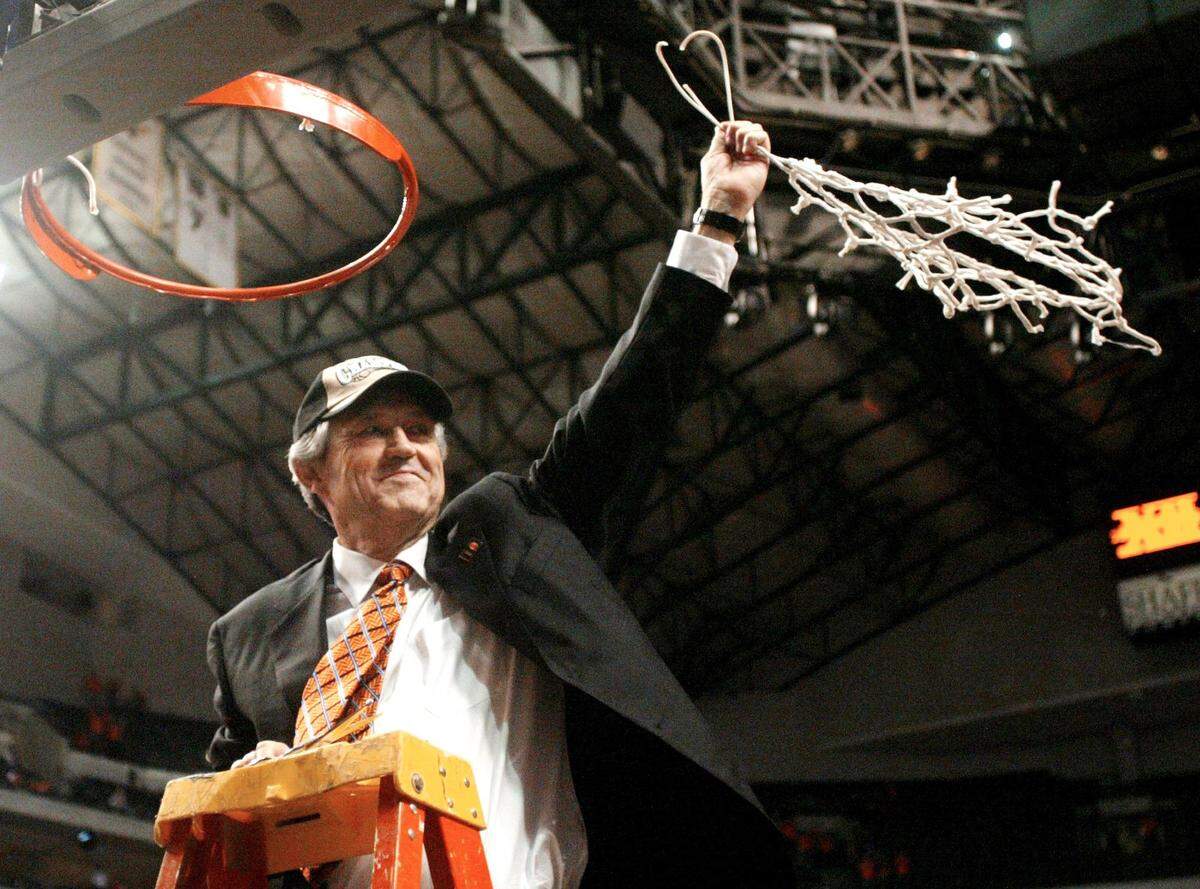
Eddie Sutton
Years as UK coach: 1985-89.
Tenure at Kentucky: Sutton left Arkansas after 11 years to lead UK’s program, earning national coach of the year honors in his first run with the Wildcats, who had a 32-4 record that season but fell one win short of the Final Four. It was Sutton’s best season at Kentucky. The Cats squeaked into the 1987 NCAA Tournament, lost in the Sweet 16 in 1988 and then finished with a 13-19 record in his fourth season, which was marred by an NCAA investigation into wrongdoing within the program.
How it ended: The result of the NCAA investigation into Sutton’s tenure resulted in vacated wins, a two-year ban from postseason play, and, ultimately, the head coach’s ouster. The Wildcats were featured on the Sports Illustrated cover that May with the headline “Kentucky’s Shame” — a low point in the program’s storied history.
What happened next: A year after his departure, Sutton became the head coach at Oklahoma State. (He replaced Leonard Hamilton — a longtime Joe B. Hall assistant at UK — in that position.) The Cowboys hadn’t won an NCAA Tournament game in 25 years before Sutton’s arrival, but he guided them to the Sweet 16 in each of his first two seasons. Oklahoma State made the Final Four in 1995 — losing to eventual NCAA champ UCLA — and again in 2003 under Sutton, who resigned in 2006, when he was succeeded as head coach by his son, Sean, a former UK player. He later coached the end of the 2007-08 season at San Francisco on an interim basis, eclipsing 800 career wins during that stint. The Hall of Fame coach died on May 23, 2020.
Rick Pitino
Years as UK coach: 1989-97.
Tenure at Kentucky: Pitino, at age 36, left his position as head coach of the New York Knicks to take over a program on probation. After a 14-14 season in year one, he returned UK to the top of college basketball, leading the Cats to the Elite Eight in 1992 — their first year of postseason eligibility — and the Final Four in 1993. The Cats won their first national title in 18 years in 1996, then returned to the NCAA title game the following season. Over Pitino’s final five seasons as UK coach, the Cats were ranked in the top 10 in all but one AP poll (and they were 11th in those rankings before returning to the top 10 the following week).
How it ended: A constant subject of NBA coaching rumors, especially toward the end of his UK tenure, Pitino finally made the jump back to the pros when the Boston Celtics agreed to give him complete control over the basketball side of the franchise, along with his duties as head coach. He remains the only person on this list to leave UK for another coaching job while remaining in the good graces of a clear majority of Kentucky fans (though those sentiments would change soon enough).
What happened next: Pitino never made the NBA playoffs in three and a half years with the Celtics, then returned to college as the head coach of the Louisville Cardinals, a move that obviously led to widespread animosity among many in the UK fan base. Pitino guided U of L to the 2013 national title, which was later vacated by the NCAA due to program violations, and he was ultimately ousted as a result of the federal investigation into college basketball corruption in 2017.
He coached professionally in Greece for a couple of years before returning to college as the head coach of Iona, leading that program to two NCAA Tournament appearances in three seasons. The Hall of Famer became the head coach at St. John’s in 2023, and the Red Storm are ranked No. 15 in this week’s AP Top 25 poll. New Kentucky coach Mark Pope welcomed Pitino back to Rupp Arena for Big Blue Madness in October, a surreal scene that drew a thunderous applause from the Kentucky fans in attendance.
Tubby Smith
Years as UK coach: 1997-2007.
Tenure at Kentucky: Smith, a former Pitino assistant at Kentucky, was the pick to succeed him as UK’s coach, and he immediately led the Wildcats to success, guiding the team to the 1998 national championship in his first season in charge. Kentucky was often ranked in the top 10 during Smith’s tenure — and finished the season ranked No. 1 in 2003 and No. 2 in 2004 — but the Cats never returned to the Final Four after their soaring success in year one. They lost in the Elite Eight three times under Smith, who didn’t get UK beyond the second round of the NCAA Tournament in either of his final two seasons.
How it ended: Amid growing fan angst over the direction of the program following another second-round NCAA Tournament loss, Smith abruptly left Lexington to take over as head coach of the Minnesota Golden Gophers, a surprise move and the first time a sitting Kentucky coach had left willingly for a “lesser” job.
What happened next: Smith took Minnesota to the NCAA Tournament three times in six seasons but won only one March Madness game there. He then coached three seasons at Texas Tech, two seasons at Memphis and nearly four seasons at High Point, his alma mater, stepping down from the position toward the end of the 2021-22 campaign. He made the NCAA Tournament just once across those three stops, losing in the first round with Texas Tech in 2016. Smith returned to Rupp Arena on Dec. 31, 2021, to see a jersey with his name on it raised to the building’s rafters, joining Rupp, Hall and Pitino as the only former UK coaches to receive that honor. He was inducted into the UK Hall of Fame in 2013.
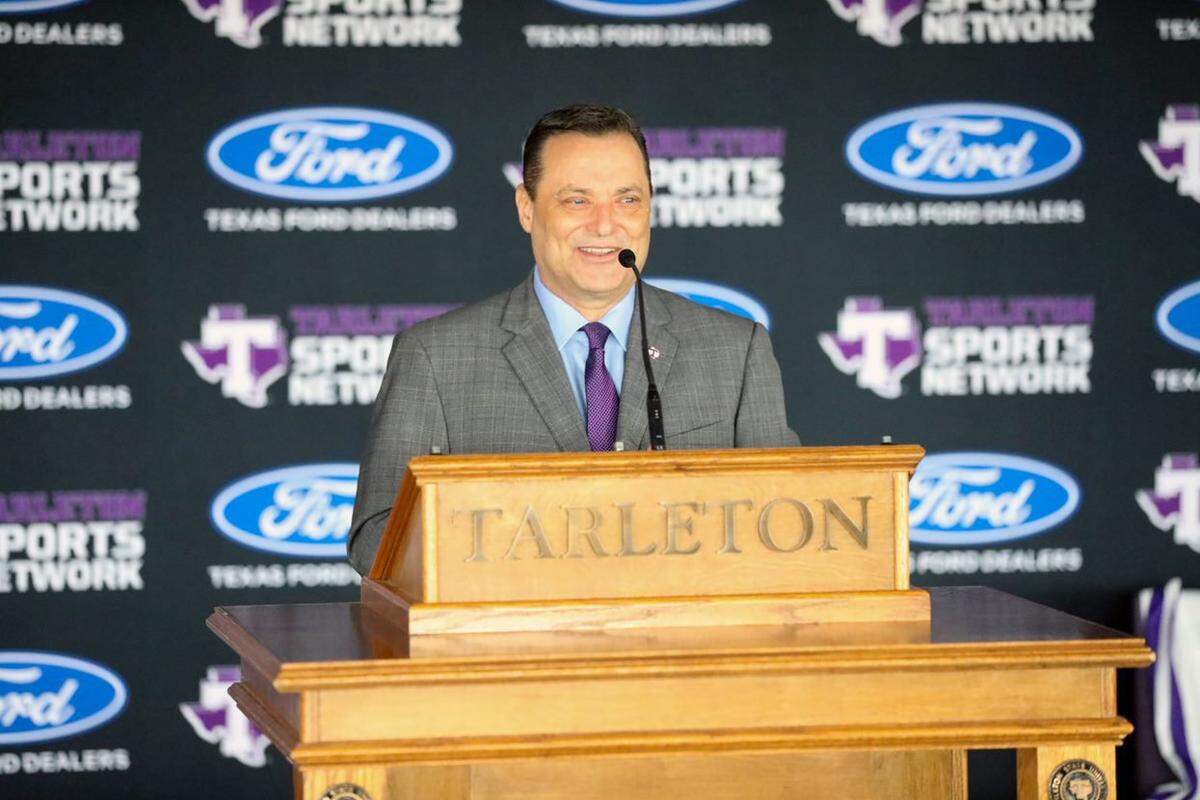
Billy Gillispie
Years as UK coach: 2007-09.
Tenure at Kentucky: Gillispie arrived to much fanfare, with Big Blue Nation hoping a new direction for the program would bring a return to greatness. That didn’t happen. Gillispie’s first team barely made it into the NCAA Tournament — losing in the first round as an 11 seed — and his second team missed March Madness completely, the first time that had happened in 18 years, when UK was still under a postseason ban.
How it ended: Gillispie was relieved of his duties, two days after the Wildcats’ loss to Notre Dame in the NIT quarterfinals. His tenure was marked by public battles with Kentucky’s players and fan backlash to his unorthodox approach to the job. “Unfortunately there are times when a situation and the people involved do not create the right chemistry or right fit,” said UK athletics director Mitch Barnhart. “It is our belief that is where we are and where we find ourselves with Kentucky basketball today.”
What happened next: Gillispie became the head coach at Texas Tech two years later but resigned after just one season — and an 8-23 record, with a 1-17 mark in the Big 12 — amid allegations of player mistreatment and his own health problems. Gillispie later spent five years as head coach at Ranger College — where he was once a player — and led that program to an appearance in the junior college national championship game.
Now 65 years old, Gillispie is in his fifth season as the head coach at Tarleton State University, which plays at the Division I level in the Western Athletic Conference. Tarleton has earned postseason berths the past two seasons — in the CBI and CIT — and entered this past week with an 8-13 overall record and 3-3 mark in the WAC.
John Calipari
Years as UK coach: 2009-24.
Tenure at Kentucky: Calipari came to Kentucky after leading Memphis to national prominence and immediately restored the Wildcats to their place atop the college basketball landscape. Aided by a group of five-star recruits — including John Wall, DeMarcus Cousins and Eric Bledsoe — the Cats won their first 19 games under Calipari and achieved the No. 1 national ranking. They lost in the Elite Eight that season, but he guided UK to the Final Four in 2011, the NCAA title in 2012, a national runner-up finish in 2014 and then almost completed a perfect, 40-0 season, losing in the Final Four in 2015. That start to his tenure was among the best runs in program history, but Calipari’s Cats never returned to the Final Four over his last nine years as coach.
How it ended: Following UK’s loss to Oakland in the first round of the NCAA Tournament — the second time in three years that Calipari’s team suffered a shocking defeat to a major underdog in March Madness — athletics director Mitch Barnhart made it clear that the Hall of Fame coach would be retained for another season. A vocal portion of the fan base wanted Calipari gone by that point — UK won just one NCAA Tournament game and zero SEC trophies over the previous four seasons — but the coach had a buyout of more than $33 million written into his contract, which still had five years remaining on it. UK and Calipari appeared to be headed toward a 16th season together before the coach unexpectedly entered into talks with Arkansas, accepted the role as Razorbacks head coach and resigned his position at Kentucky.
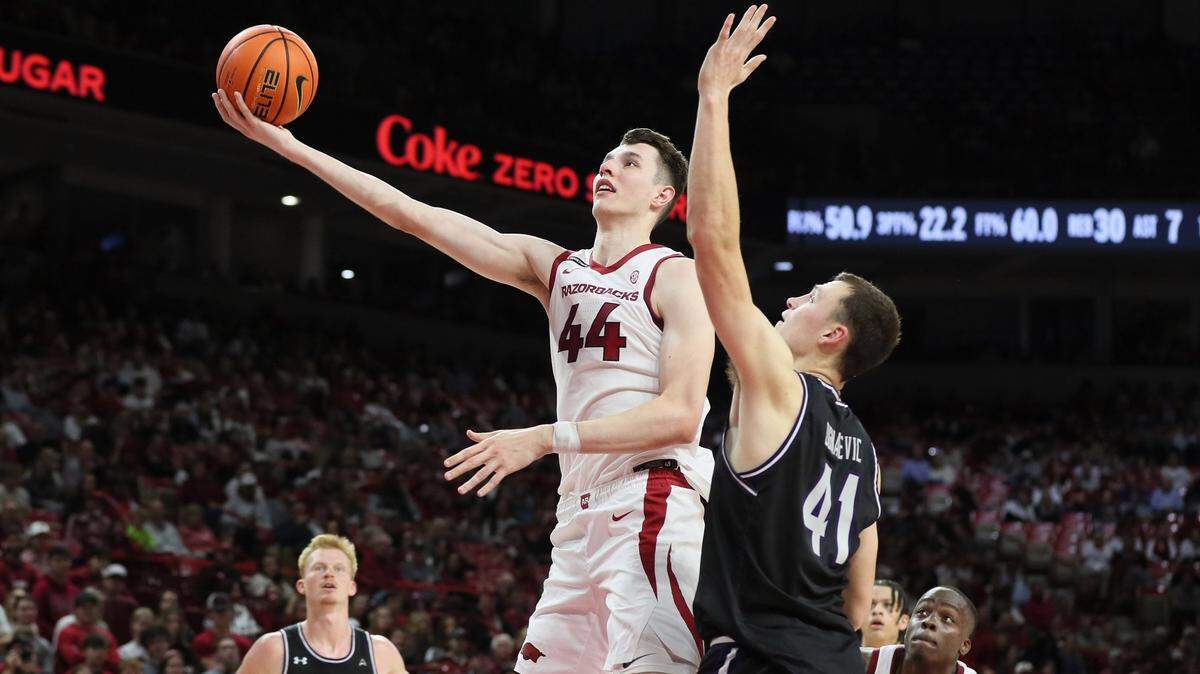
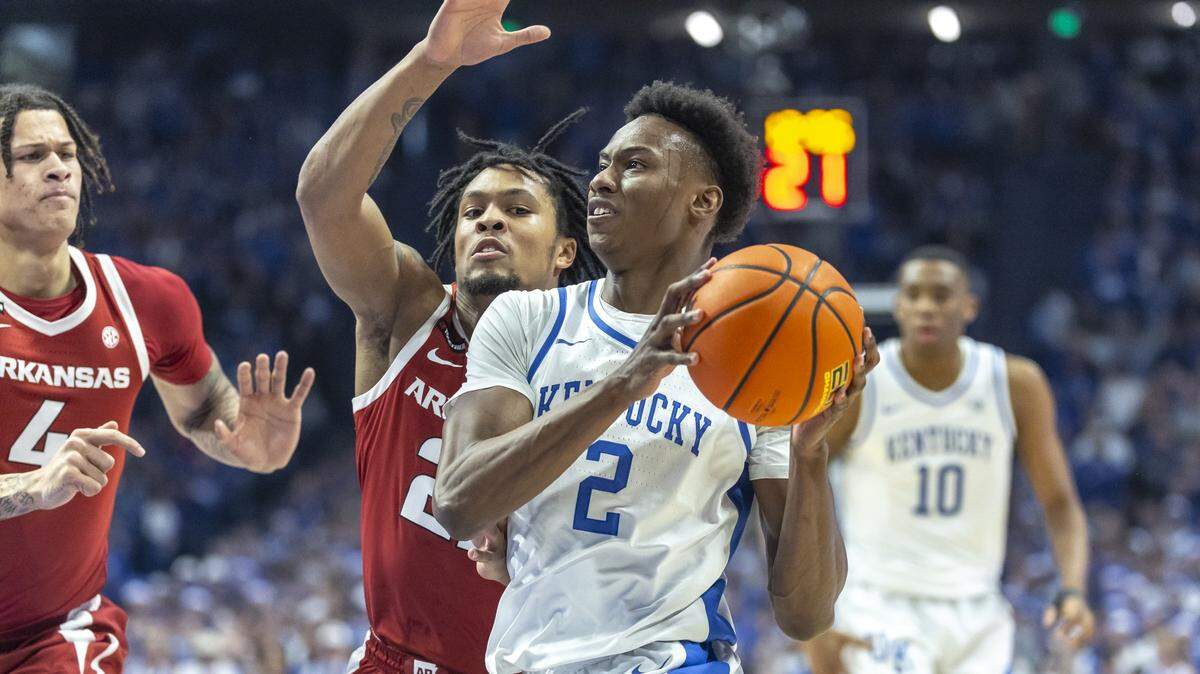
What happened next: Calipari’s first season at Arkansas began with the Hogs ranked No. 16 in the preseason AP poll and sky-high expectations among the program’s fan base. Instead, the season got off to a rough start, before going completely off the rails once the Razorbacks began league play. The team dropped its first five SEC games, then lost star freshman Boogie Fland — one of the many former UK players and recruits that followed Calipari to Arkansas — to what is expected to be a season-ending injury. The Hogs finally beat Georgia for their first SEC victory before falling to 1-6 in the league with a home loss to Oklahoma last weekend.
Going into Saturday night’s game in Rupp Arena, the team was on pace to miss the NCAA Tournament in Calipari’s first season in charge. The coach will turn 66 years old on Feb. 10 and signed a five-year contract — that included automatic extensions and other incentives — with Arkansas.
This story was originally published January 31, 2025 at 6:45 AM.

.JPG)
.JPG)
.jpg)