How Mark Stoops’ contract has evolved during UK tenure to include massive buyout
AI-generated summary reviewed by our newsroom.
- Kentucky extended Stoops in Nov 2022, raising salary to $9M and extending to 2030.
- Stoops’ buyout grew across seven amendments and would cost UK nearly $38M.
- Firing Stoops now would require a lump-sum payout within 60 days, straining budget.
READ MORE
Preview: No. 21 Texas at Kentucky football
Click below to read more of the Herald-Leader and Kentucky.com’s preview coverage ahead of Saturday’s Kentucky-Texas game at Kroger Field.
Expand All
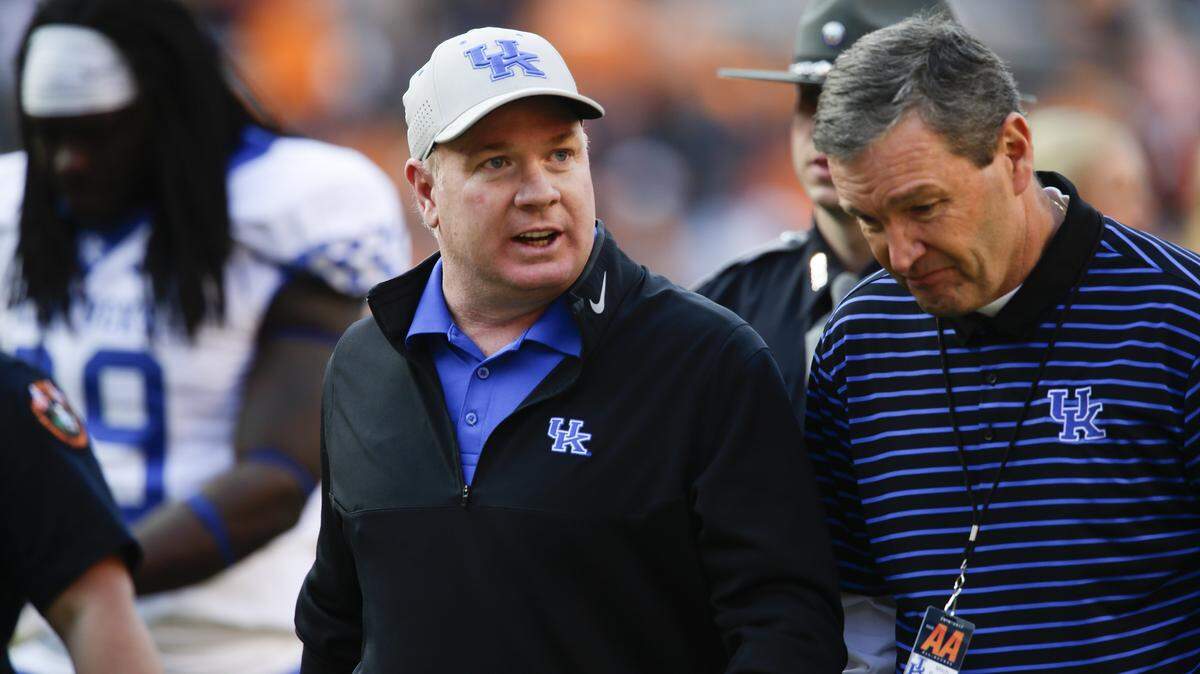
In hindsight, the timing of the contract extension that landed Kentucky football with the current burden of Mark Stoops’ massive buyout could not have been worse.
UK signed Stoops to the deal, which runs through the 2030 season, on Nov. 11, 2022. The next day, Kentucky lost at home to Vanderbilt, snapping the Commodores 26-game SEC losing streak.
Instead of celebrating Stoops’ commitment to remain in Lexington, Kentucky chose not to even announce the deal. Instead, the originally planned news release was quietly attached to the amended contract on UK’s Office of Legal Counsel website.
Kentucky is 14-20 since the deal was signed. It has lost nine straight games against power conference foes and has not beaten a power conference team at home in more than two years.
To fire Stoops at the end of this season, Kentucky would have to pay him just less than $38 million within 60 days. For an athletic department that is scrambling to find new revenue sources after the advent of revenue sharing with athletes, that number appears prohibitive.
But it would have been difficult to predict how dramatically the program’s fortunes would turn at the time UK athletic director Mitch Barnhart negotiated that extension with Stoops.
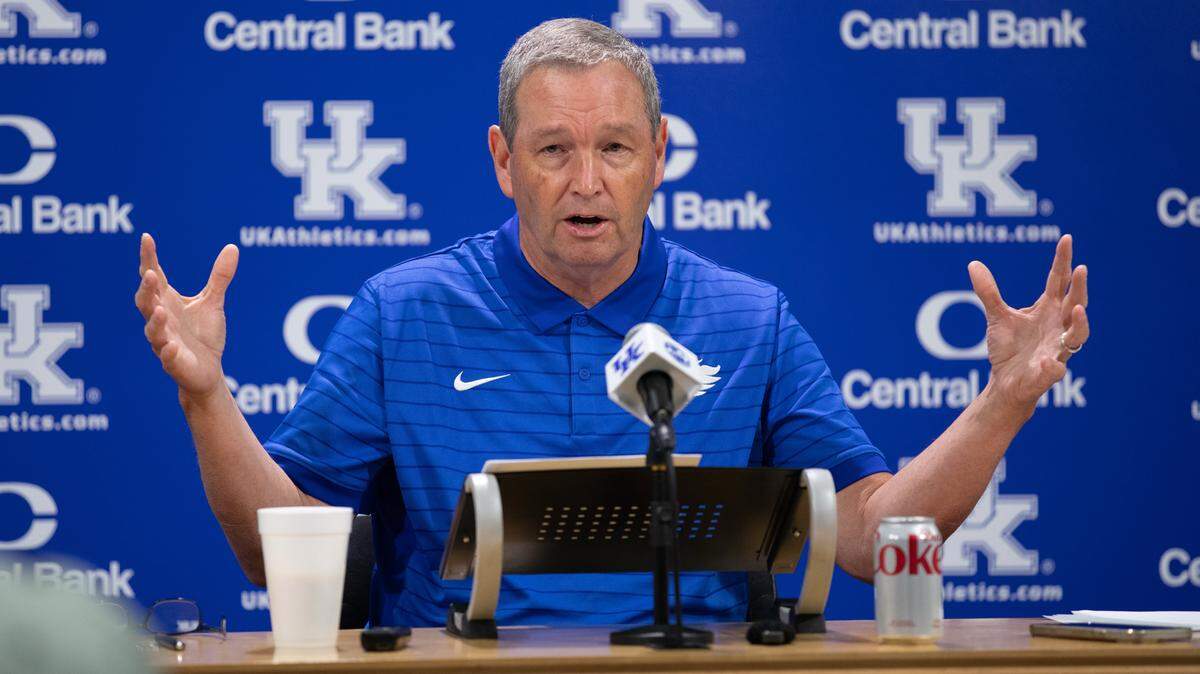
“We were 4-0 going into that, and there was a lot of talk around our program and a lot of talk around Mark (being in the running for other jobs),” Barnhart told the Herald-Leader Tuesday when asked about the impetus for that deal. “...Our fans wanted us to make sure we didn’t lose a guy that had been so beneficial to our program, and so we walked through that. We were thankful to be able to secure him as our football coach and keep him around and make sure that he was a Wildcat. And I’m still proud of that.”
While the November 2022 extension has gotten the most attention in the discussion about Stoops’ current contract situation, he had one of the most coach-friendly contracts in the country even before that. The process to reach his $38-million buyout took place over more than a decade and seven different contract amendments.
Here is a closer look at how Stoops’ contract has evolved during his Kentucky tenure.
The original deal
The contract Stoops signed with Kentucky upon being hired Nov. 26, 2012, guaranteed him $11 million over five years; he’s now paid $9 million annually. As a first-time head coach, Stoops agreed to a contract that would place him in the bottom half of the SEC in coaching salary, but the deal still represented an increase in investment for UK.
Former UK coach Joker Phillips was paid $1.7 million in his final season in Lexington while Stoops would be paid $2 million in his first year as UK’s coach. Unlike Phillips’ salary, which remained the same each year, Stoops’ contract included an automatic $100,000 raise in each of the first five years.
Stoops’ original UK contract included a series of performance-based incentives, including an additional $100,000 for each SEC win starting with the second conference win in a season. He could receive an additional $100,000 for winning five SEC games and winning the SEC East. Bonuses for reaching postseason play ranged from $50,000 to $200,000 depending on the stature of the bowl. A national championship would net him an additional $200,000.
If UK had fired Stoops before Dec. 1, 2015, without cause, it would have owed him his entire remaining salary on a monthly basis through the end of the deal. If it fired him between Dec. 1, 2015, and Nov. 30, 2016, the buyout dropped to 80% of his remaining salary, to be paid in one lump sum within 60 days of being fired. If Stoops were fired between Dec. 1, 2016, and Nov. 30, 2017, UK would have owed him 60% of his remaining salary within 60 days of his firing.
The first amendment
Stoops finished his first season at Kentucky with a 2-10 record — indentical to Phillips’ record in his last season before being fired — but the administration still saw enough promise from improved recruiting results and fan engagement to award him a two-year extension in May 2014.
Per the terms of the extension, Stoops would be paid $2.5 million for the 2017 season and $2.65 million for the 2018 season. The date ranges for the buyout structure were each pushed back a year, meaning he would be entitled to his full salary in monthly installments if he were fired before Dec. 1, 2016.
The second amendment
Less than six months after signing his first contract extension, Stoops was awarded another extension and raise after the Wildcats started the 2014 season 5-3. UK announced the extension in a hastily scheduled news conference just hours before the team was scheduled to leave for a game at Missouri.
“The success we’ve had so far this year has been encouraging, but that’s not what this is about,” Barnhart said that day. “It’s certainly moved us in the right direction. It’s about the general direction of the trajectory of our program, and so we’re really, really excited about that piece. We’ll continue to build on that and work on that through the rest of this season and over the next five and a half years.”
This extension erased the one signed earlier in the year and added an additional year to the deal. Stoops’ annual salary increased by more than $1 million per year. He would now make a prorated salary of $3 million for the rest of the 2014-15 fiscal year. That salary would increase each year, eventually reaching $4.25 million for the 2019 season.
The extension also changed Stoops’ incentive structure, awarding him an additional $250,000 for each win starting with win No. 7 in a season. The buyout schedule was pushed back an additional year again, meaning he would be entitled to his full remaining salary in monthly installments if fired before Dec. 1, 2017.
Kentucky did not win again in 2014, dropping all four games after the extension was announced to miss bowl eligibility by one win.
The third amendment
Stoops’ next extension and raise came two seasons later, after he led the Wildcats to the first bowl game of his tenure in 2016. On March 16, 2017, Stoops signed a deal that would keep him at Kentucky for an additional two seasons. His salary for the 2020 season would be $4.5 million, and the 2021 season would be $4.75 million.
Kentucky awarded Stoops another boon with an automatic extension clause that would grant him an additional year any time the team won seven games in a season. If the team won 10 games, the deal would automatically be extended two years. Each automatic extension came with an additional $250,000 in salary for the extension year.
The incentive structure was changed again to reflect the advent of the College Football Playoff. Stoops was now eligible for postseason bonuses ranging from $50,000 for a non-SEC-affiliated bowl to $500,000 for a national championship.
The March 2017 extension changed the structure of the buyout owed to Stoops if he were fired without cause to the current format. Now, Stoops would be owed 75% of his remaining salary in a lump sum payment within 60 days regardless of when he was fired.
For the first time, UK added a clause to the contract that would require Stoops to pay a fee to break the contract to accept another job. He would owe UK $1 million within 60 days of leaving the program.
The fourth amendment
In 2018, Stoops led Kentucky to its first 10-win season in more than 40 years, capping the historic run with a Citrus Bowl upset of Penn State. That season netted him another raise in an amendment that was signed just before the start of the 2019 season.
With seven wins in 2017 and 10 wins in 2018, Stoops had already triggered the automatic extension clause in his contract to extend the deal through the 2024 season. The latest amendment did not extend the contract any more years but increased his annual salary by $500,000 per year from 2019 to 2024.
The threshold for the $250,000-per-win bonus was moved from seven to nine wins. New bonuses for winning SEC Coach of the Year ($50,000) and National Coach of the Year ($100,000) were added. Stoops was also awarded up to 10 hours of private aircraft use for personal travel each year.
The amount Stoops would owe UK if he left for another job increased to $1.75 million if he left with five or more full years left on the deal. That payment dropped by $100,000 for each fewer year left on the contract at the time of his departure to $1.5 million with one year left.
“I just appreciate everything they’ve done for me and try to reciprocate by putting out a good product on the field,” Stoops said after the new contract was announced. “I’m just grateful for it.”
The fifth amendment
Three years later, Kentucky would win 10 games again. After a 9-3 regular season in 2021, Stoops was awarded another raise and extension prior to the Citrus Bowl win over Iowa.
The latest amendment added a year beyond the two automatic extensions Stoops had earned for seven wins in 2019 and 2021 and increased his annual salary by $1.25 million per year starting in 2022. Stoops now made more than $6 million per year, with his salary set to rise to $8 million in 2027.
Kentucky added a clause to the contract that would ensure it spent at least $6.5 million per year on assistant coach salaries.
“Everybody thought (the extension) was because maybe people were coming at us in different ways,” Stoops said. “It really wasn’t about that. It was mentioned, and I just simply had a conversation about what the expectations are. If we’re truly going to go compete for the East (division), if we truly want to go win SEC championships, then are we truly going to continue to grow this program? It’s as simple as that, and we all have a big commitment to do that.
“Once we agreed on those things and the things you’re talking about — building out the program, building out the support, then it was a done deal. It was over with then.”
The number of private aircraft hours for personal travel was increased from 10 to 30 per year.
The sixth amendment
Here is the extension that has drawn the most criticism as Stoops’ success has waned.
Kentucky opened the 2022 season with four straight wins, increasing speculation that Stoops might be a candidate for the open jobs at Nebraska and Auburn. Rather than wait for the season to play out and see if those searches actually resulted in an offer to Stoops, Barnhart chose to negotiate another extension in season, less than a year after the 2021 amendment.
The amendment, signed on Nov. 11, 2022, added three more years to the contract, extending Stoops’ stay in Lexington through the 2030 season. It increased his salary to $9 million per year beginning in 2023, making Stoops one of the 10 highest-paid coaches in the country at the time and increasing his salary above Hall of Fame men’s basketball coach John Calipari’s for the first time.
The automatic extension clause was deleted from the deal. The bowl bonuses in the amendment ranged from $100,000 for a bowl berth that included seven or fewer wins to $800,000 for winning a national championship.
The penalty for Stoops leaving for another job increased to $4.5 million prior to June 30, 2023, and dropped by $500,000 for each additional year he remained in Lexington.
The extension immediately backfired with the loss to Vanderbilt and a 1-3 finish to the 2022 season. Had UK not agreed to this extension, the buyout to fire Stoops at the end of this season would have been roughly $10 million less than the almost $38 million Stoops would be owed now.
The seventh amendment
Stoops has not received another raise or extension since 2022, but his contract incentives were changed in September 2024 to reflect the expanded playoff format.
Now, Stoops would earn $300,000 for reaching the playoff and losing in the first round, $400,000 for losing in the quarterfinals, $500,000 for losing in the semifinals, $650,000 for losing in the championship game and $800,000 for winning the national championship. He still would earn $250,000 per win starting with win No. 9 in a season. A first-round playoff bye would be counted as an additional victory toward that bonus.
This story was originally published October 15, 2025 at 7:00 AM.