What’s the economic impact of bourbon in Kentucky? Report says major growth still to come
READ MORE
LexGo Drink: Tips on how to find, enjoy bourbon, Kentucky’s signature drink
Click below to help you navigate all things bourbon, whether you’re a beginner or you want to know the latest releases or new bars to try.
Expand All
If you thought Kentucky whiskey was booming before, distillers have three words: “Hold my bourbon.”
The Kentucky Distillers’ Association on Feb. 6 released its latest economic impact study showing how much the $9 billion industry has grown in recent years.
According to the study, done for the KDA by University of Louisville economist Paul Coomes, the number of Kentuckians employed by distilleries in 2022 grew to about 7,000, paid $677 million, with another $153 million in fringe benefits, the report estimates. Thousands more people work in ancillary fields related to bourbon, including tourism, barrel making, and more.
Lawmakers including Gov. Andy Beshear, Senate President Robert Stivers and House Speaker David Osborne hailed the announcement at a Frankfort press conference on how bourbon has affected the economy.
The number of licensed distilling locations in Kentucky as of 2023 hit 100, with more in the pipeline. While small craft distilleries continue to pop up around the state, the large-scale distilleries are concentrated in the “amber triangle” of Lexington, Bardstown and Louisville, with a handful of outliers in Owensboro and Northern Kentucky, according to the report.
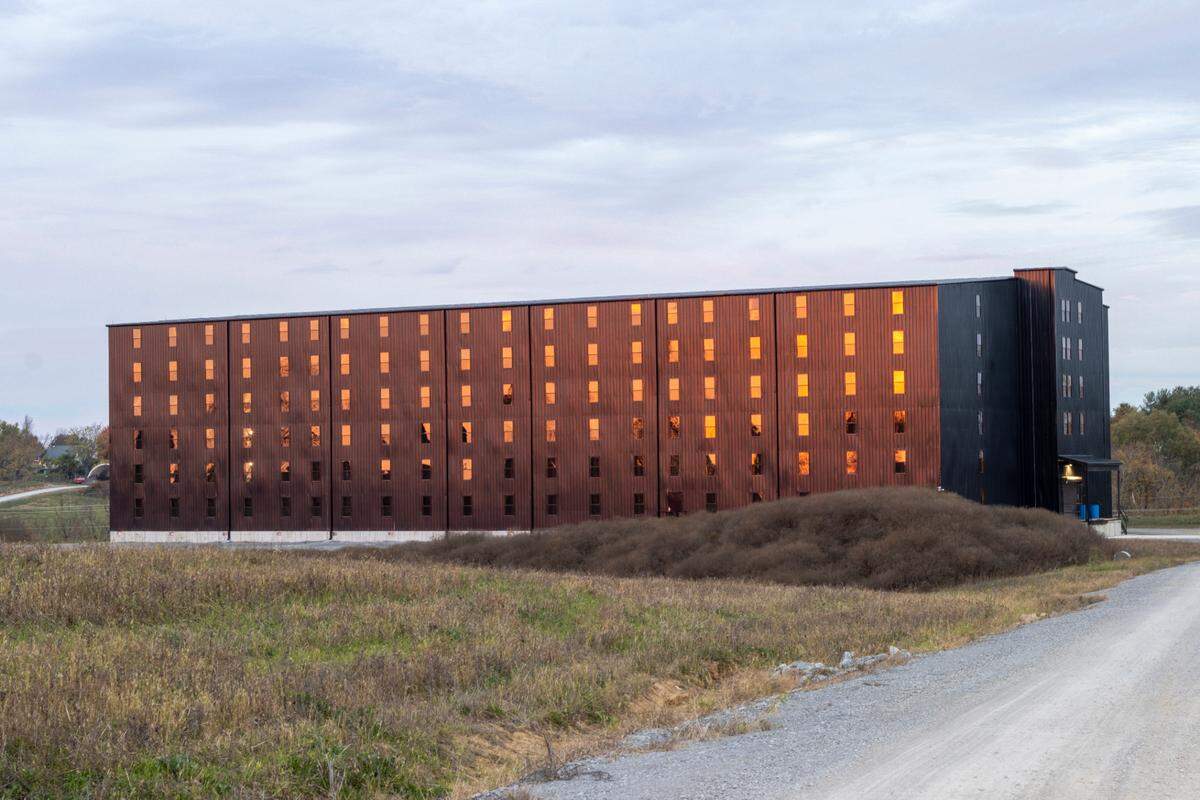
The industry is poised for even more expansion: KDA members reportedly spend more than $1.9 billion on capital projects over the last five years, with $3.5 billion planned over the next five, according to the report.
The KDA is a membership-based industry lobbying group and does not include all Kentucky distillers; Sazerac, which includes Buffalo Trace in Frankfort, 1792 Distillery in Bardstown and Glenmore Distillery in Owensboro, are not members and their ongoing expansion projects may not be included in the KDA’s total, so the real growth is even greater.
The economic impact study estimated that the new investment “would be associated with a total of 5,600 new jobs each year and $346 million in labor income.”
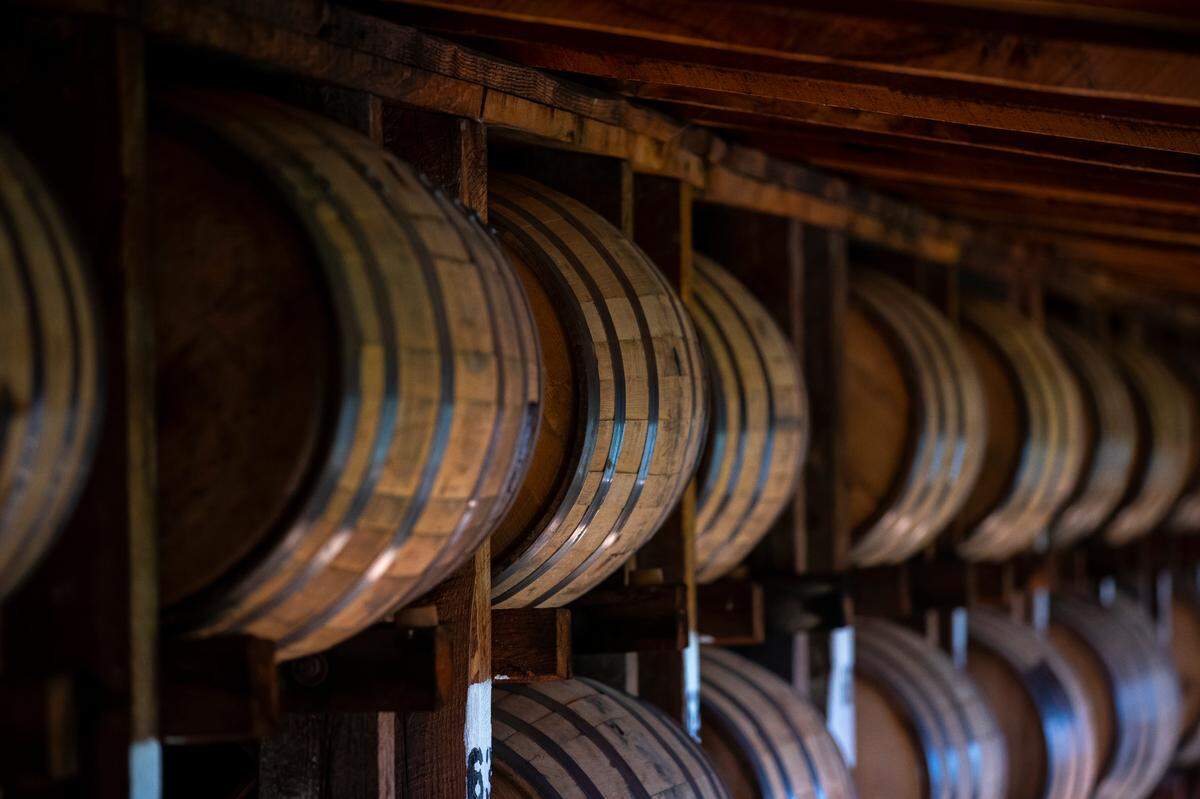
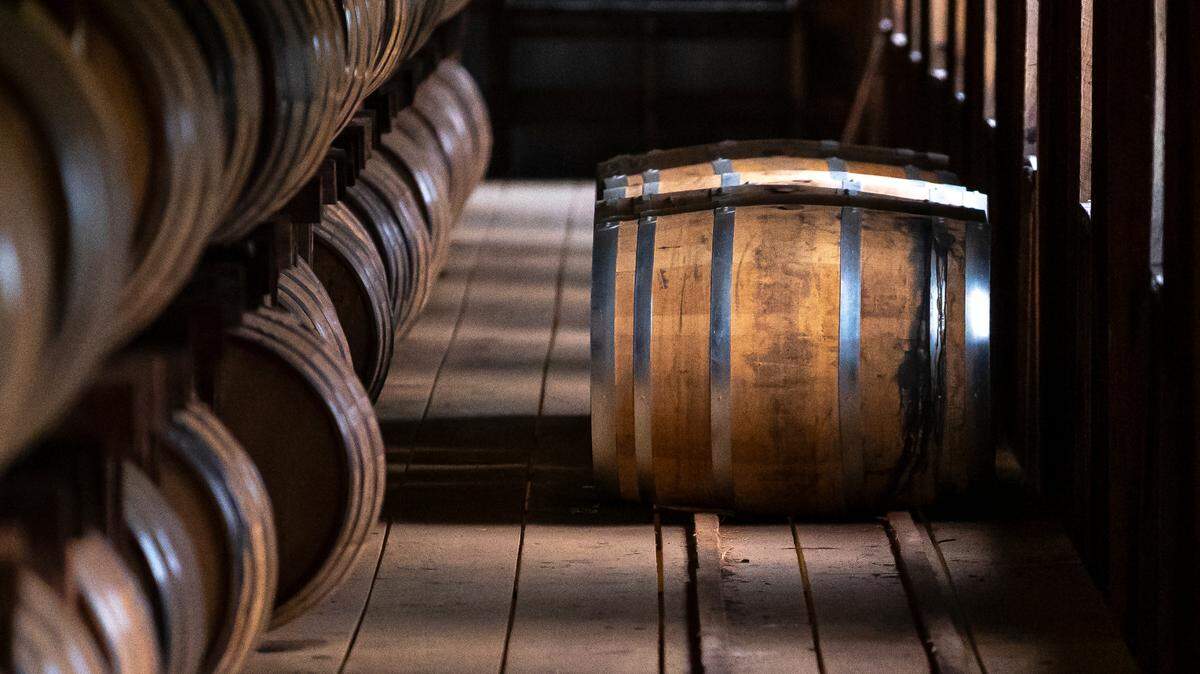
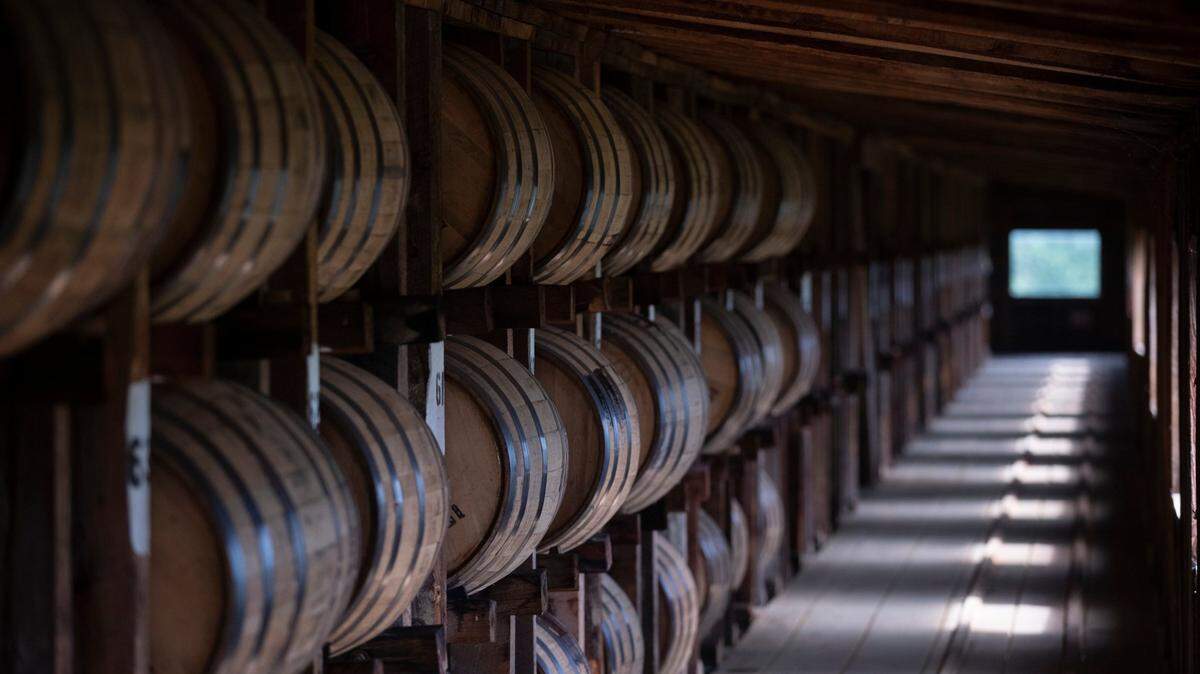
In 2022, those distilleries produced 2.7 million barrels of bourbon, hitting a record 12.6 million barrels stored in warehouses, worth an all-time high of $6.7 billion, according to the Kentucky Department of Revenue.
According to the report, Kentucky distilleries were responsible for about $226.8 million in state and local tax payments, if you also include income taxes paid by employees along with state and local property taxes, local occupational taxes and sales taxes. The report credits the industry with generating another $130.7 million in taxes from the consumption of spirits (paid, presumably by the consumer, not the distiller.)
State and local governments will receive an estimated $50.2 million in taxes on aging barrels in 2023 but last year the Kentucky General Assembly passed a tax break, which Beshear signed, over the objections of county and city officials, for the industry and those taxes will gradually sunset over the next 20 years.
The new report also shows that distilleries purchased about 19 million bushels of corn and about 2.6 million bushels of other grains from Kentucky farmers. That’s about 9 percent of the corn produced by Kentucky farmers in 2022, the report said.
The report estimates that if Kentucky’s bourbon boom continues at its present pace, by 2025 it will have an economic impact of $10 billion, with tax payments to state and local governments of $300 million from production.
This story was originally published February 6, 2024 at 3:28 PM.




.jpg)
.png)