Sale of distillery-owned Martha’s Vineyard house on hold? What the judge ordered
AI-generated summary reviewed by our newsroom.
- Judge halts $2.6M Martha’s Vineyard sale, orders appraisals and hearing
- Receiver seeks sale to repay creditors as Uncle Nearest faces $200M debt
- Court to appoint three appraisers; parties may object within set deadlines
The federal judge overseeing the Uncle Nearest case has ordered the $2.6 million sale of a disputed distillery asset put on hold, but not because of the objections of the distillery founders, who want to keep it in the family.
Instead, U.S. District Judge Charles E. Atchley Jr. said the legal requirements for a sale have not been met. On March 16, just days ahead of a hoped-for closing, the judge ordered the planned sale to be held in abeyance while appraisers are appointed, a process that will take weeks.
Uncle Nearest bourbon and whiskey brand and Nearest Green Distillery in Tennessee have been in receivership since August. They went into receivership after Kentucky lender Farm Credit sued, saying founder Fawn Weaver and her husband, Keith, defaulted on more than $100 million in loans.
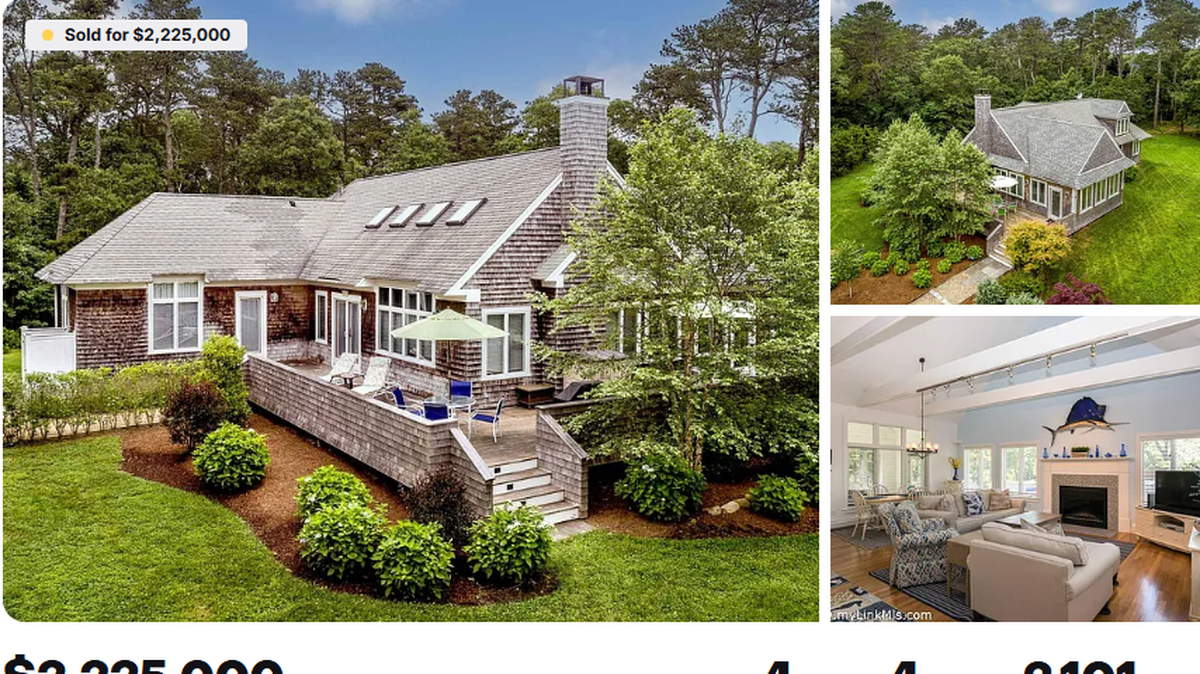
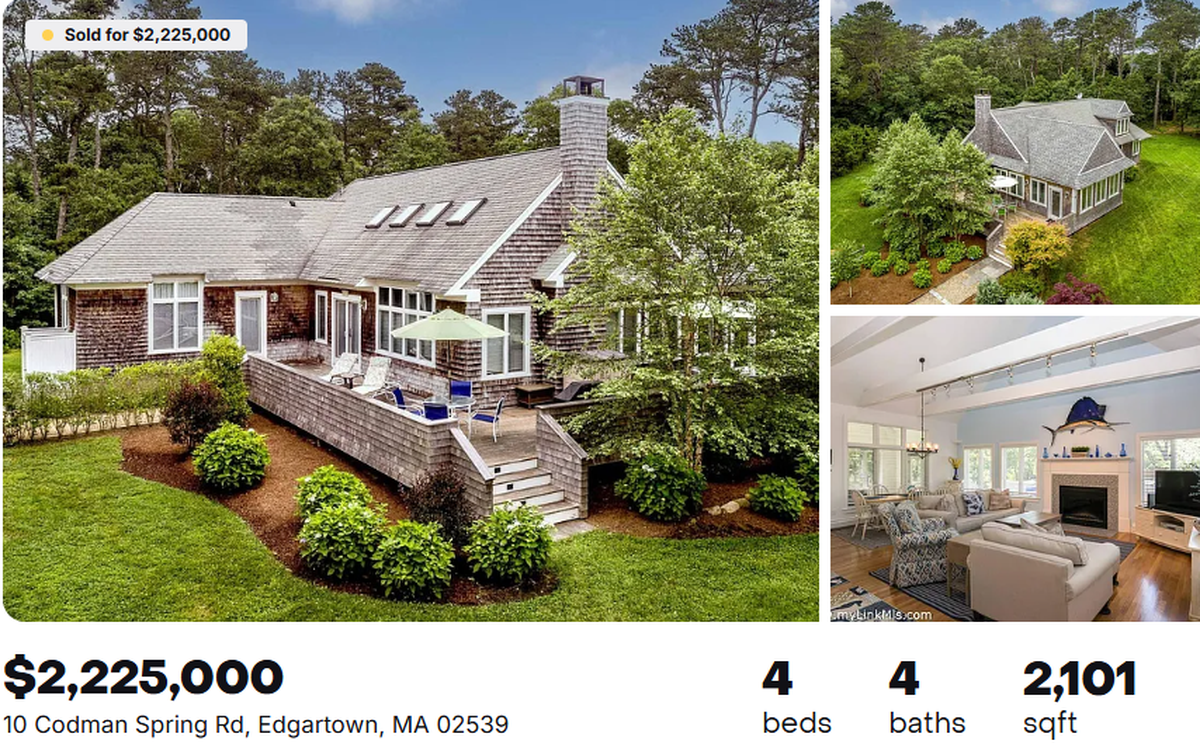
The receiver requested court approval to sell a home the Weavers purchased with money from Farm Credit. The house at 10 Codman Spring Road on Martha’s Vineyard in Massachusetts does not produce revenue and is a drain on Uncle Nearest’s assets, the receiver said.
According to the receiver, Uncle Nearest desperately needs the money: The whiskey brand is insolvent, with $200 million in debts, including $20 million owed to media mogul Jay-Z.
Fawn Weaver allegedly secretly took a loan from Jay-Z’s MarcyPen venture capital firm then fraudulently hid it from Farm Credit by shuffling the money through her accounts, according to the bank

After listing the house, the receiver accepted a full-price offer, pending court approval. But the Weavers have objected. They are seeking to arrange a sale to an Uncle Nearest investor, former NBA teammates Kevin Johnson and Mark West. According to the Weavers’ attorney, the investors were willing to make an equivalent offer of $900,000 to Farm Credit in cash plus assuming the mortgage for the rest.
The receiver, Phillip Young, would like to go ahead with the full-price offer he received from potential buyers listed as Jennifer Kaalund and Sekou Kaalund, who claim not to be insiders of Uncle Nearest, according to court filings. A closing date had been set for March 19, but the appraisals won’t be completed by then.
What happens now with Martha’s Vineyard house?
The judge said three independent appraisers must be appointed. The court also must conduct a hearing regarding the sale, ensure the proposed sale prices is no less than two-thirds the appraised value, and that there is no better offer — “a bona fide offer ... under conditions prescribed by the Court, which guarantees at least a 10 per centum increase over the price offered in the private sale.”
Judge Atchley ordered that the receiver will submit a list of at least five proposed appraisers in the next 14 days; Farm Credit and the Weavers will have five days after the list is submitted to file either written objections to the proposed appraisers or notice of no objections.
Then the court will appoint three appraisers (or order more proposed candidates if necessary). A hearing on the proposed sale will eventually follow.
Where does distillery’s receivership stand?
Meanwhile, the Weavers, Farm Credit and the receiver are waiting on the judge to rule on whether to continue the receivership and if so, whether to expand it. Fawn Weaver has argued Uncle Nearest’s sales have dropped under the receiver and the brand should be returned to her, but if that happens Farm Credit is likely to foreclose.
Both sides have accused the other of fraud, but no criminal charges have been filed.