
Belle Brezing: Did the Lexington madam inspire a ‘Gone with the Wind’ character?
AI-generated summary reviewed by our newsroom.
- Belle Brezing ran a prominent Lexington brothel frequented by the upper class.
- Debate continues on whether Brezing inspired Belle Watling in “Gone with the Wind.”
- Brezing earned praise for her local charity and compassion.
Editor’s Note: As Lexington celebrates the 250th anniversary of its founding, the Herald-Leader and kentucky.com each day throughout 2025 will share interesting facts about our hometown. Compiled by Liz Carey, all are notable moments in the city’s history — some funny, some sad, others heartbreaking or celebratory, and some just downright strange.
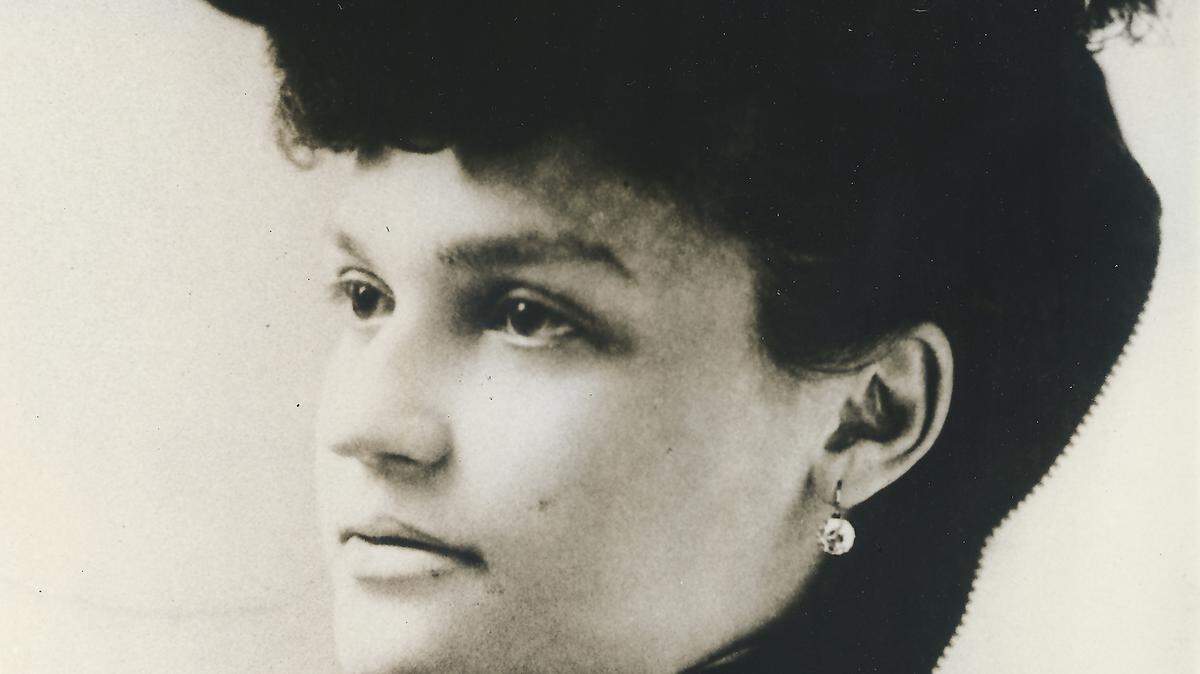
Lexington’s Belle Brezing was a nationally-known madam, but questions still linger about if she was the inspiration for a character in “Gone with the Wind.”
Brezing was born Mary Belle Cox in Lexington in 1860, the daughter of an unmarried dressmaker who moonlighted as a prostitute. Not long after her 15th birthday, Brezing found out she was pregnant.
She gave birth on March 14, 1876, to her daughter Daisy May Kenney. Just two months later, Brezing’s mother died of cancer. While she was at the funeral, her mother’s landlord padlocked the house, leaving her and her daughter homeless. Brezing left Kenney with a neighbor and turned to prostitution.
In 1879, Brezing got her first job in a brothel and quickly became its top earner. Bankers and politicians were among her clients.
Two years later, she rented a house on Upper Street to open her own brothel. She was determined to make her brothel the finest in the city. Her trips to Cincinnati and New York City helped her to furnish it with the best linens, furniture and clothes she could buy.
It made it more comfortable for the businessmen, bankers and politicians who frequented her “bawdy house.” When she was arrested for her profession in 1882, she was pardoned by Kentucky Gov. Luke Blackburn.
By 1883, she’d saved enough money to buy her own house at 194 North Upper Street.
In 1889, the Lexington Daily Press published a petition of citizens calling for her brothel, and others, to be closed, citing their addresses. Brezing, with the help of Philadelphia millionaire William M. Singerly, promptly opened another brothel at 153 N. Eastern Ave.
It quickly became one of the most stylish brothels in the city. Brezing used her business sense, and her affability with her customers, to propel the house to another level.
Some of her richest clients came from across the country to see horse races. One of them, wealthy Boston banker Allie Bonner, would rent the entire house out for the duration of the races when he was in town.
Brezing’s reputation spread from Kentucky to the east coast and to the wild West.
But Brezing wasn’t all business — she was also charitable. When a hospital in Lexington had a fire, Brezing allegedly bought all the linens in the city and sent it to the hospital. When a local prostitute was murdered, Brezing made sure she had a proper burial in the Lexington Cemetery.
“For every bad Miss Belle did, she did 500 good ones,” one Lexington resident said after Brezing’s death. “There were a lot of poor people in that neighborhood, and she helped many of them. There was an awful lot of stuff that went out that back door to them.”
Brezing’s brothel didn’t survive the temperance movement in Lexington, and in 1915 her brothel closed. She continued to live on the premises and was diagnosed with uterine cancer in 1938. She died in 1940.
Time Magazine published an obituary about her calling her a “famed Kentucky bawd,” while the Lexington Herald published a front-page eulogy. Her estate was auctioned off and her house was converted to apartments.
When a fire burned the house in 1973, bricks salvaged from the home were sold with the inscription, “Brick from the Belle Brezing home — the most orderly of dis-orderly homes.”
But her legacy didn’t end there.
Is Brezing a character in ‘Gone With the Wind’?
In 1936, Margaret Mitchell published her novel “Gone With the Wind.” Many believed then, and now, that Brezing was the model for the prostitute Belle Watling who comes to the aid of Capt. Rhett Butler in the book.
The similarities are striking. Watling is a prostitute with her own brothel financed by a millionaire (Butler). Watling was compassionate and generous throughout the novel, and donated money to the war hospitals.
Although the main character Scarlett O’Hara despises Watling and looks down on her, Butler ultimately thinks Watling is superior to O’Hara because of her warm-heartedness.
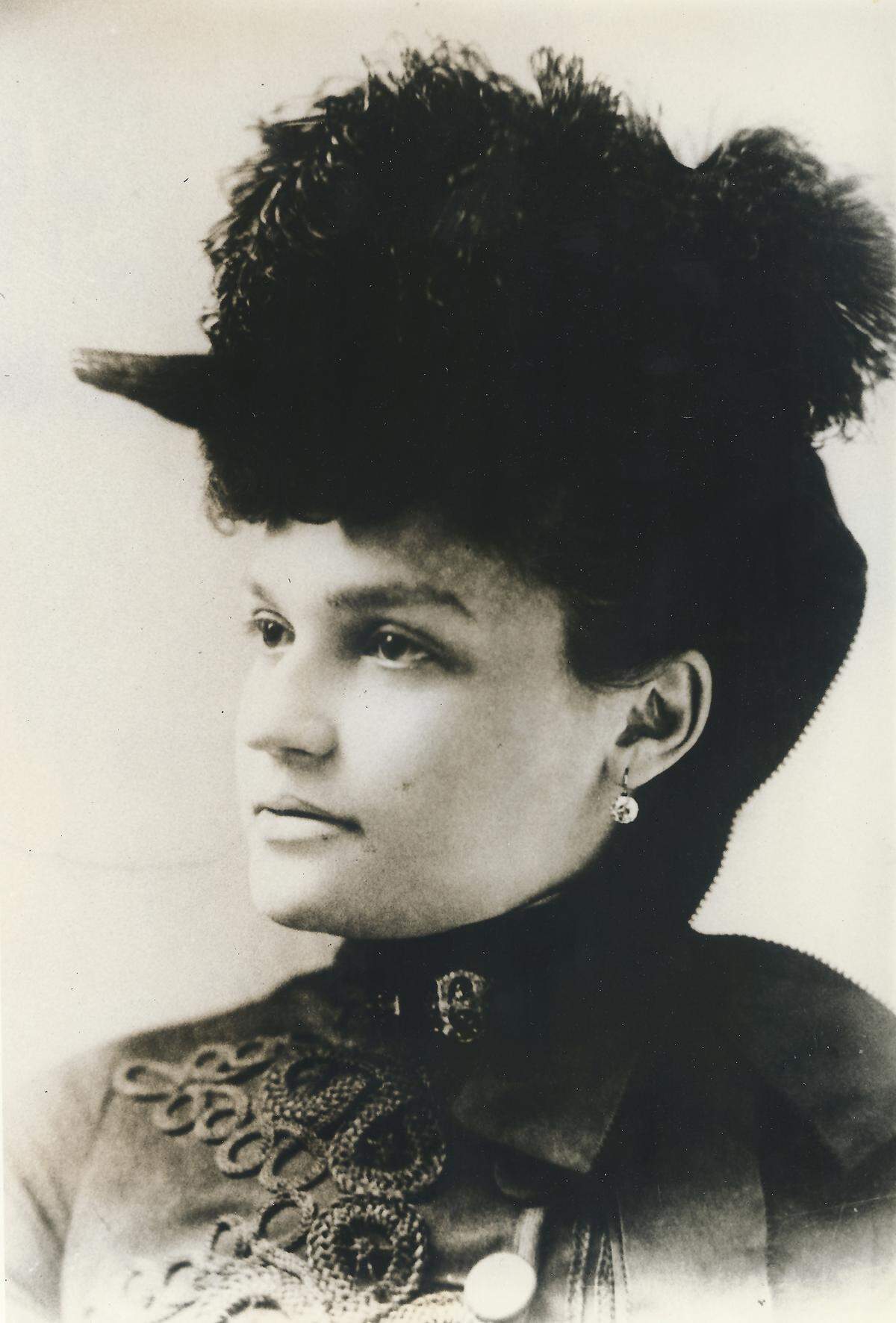
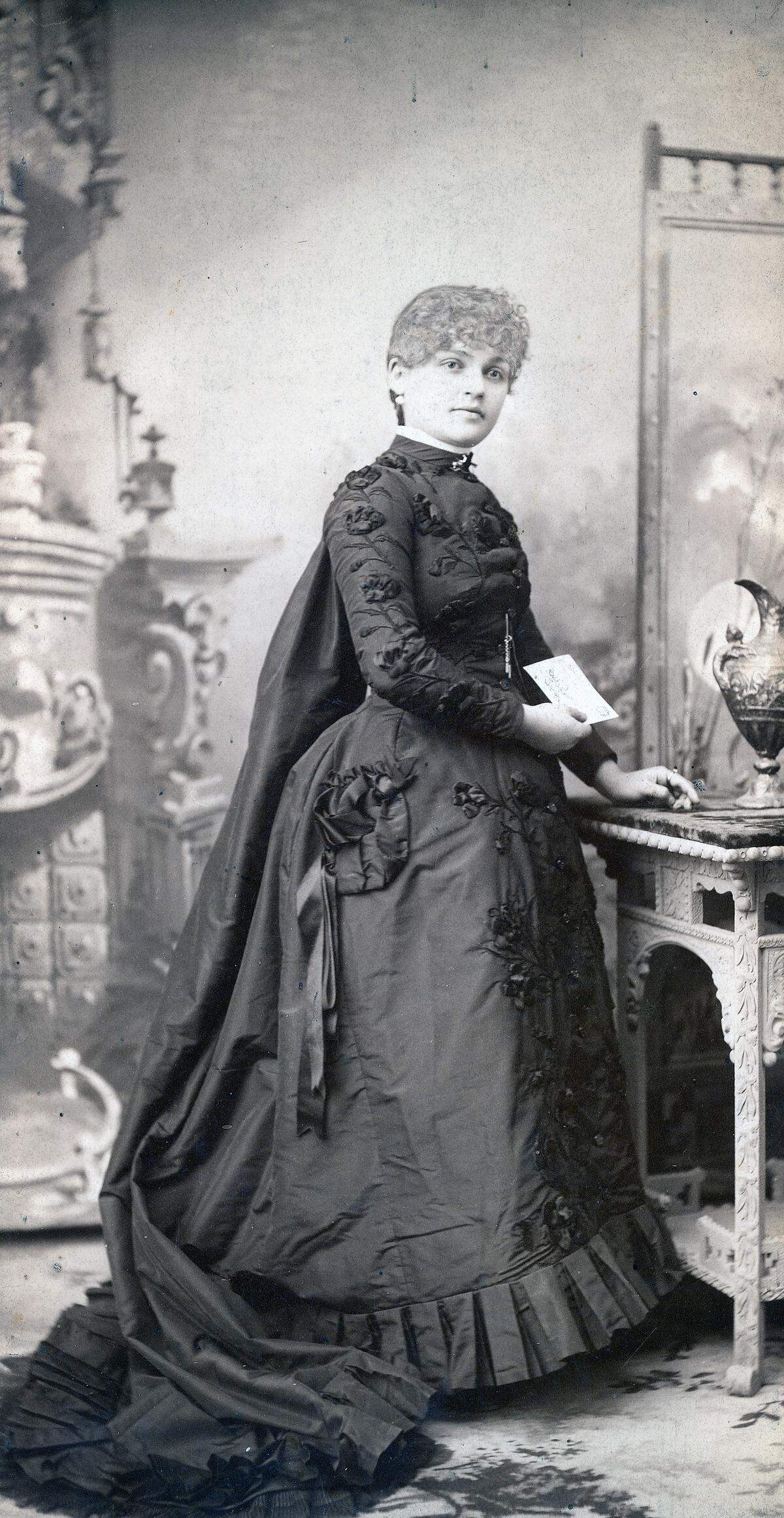
But there are differences too. Watling is a red-haired beauty with colorful clothes and a big personality. Brezing was a petite woman, with dark curly hair and a pleasant face, but not exactly pretty. She was also reserved and discrete, something Watling was not.
Mitchell swore that Watling was not based on Brezing.
Brezing died just six months after the release of the film adaptation of Gone With the Wind — the highest grossing film of all time when adjusted for inflation.
The film sold an estimated 202 million tickets in its initial runs, a record at the time. It is estimated to have earned a total adjusted gross of between $3.3 and $4.5 billion globally. But many suspect Mitchell’s husband, who had lived in Lexington, would have known about Brezing and told Mitchell about the nationally famous madam with the heart of gold.
Have a question or story idea related to Lexington’s 250-year history? Let us know at 250LexKy@gmail.com.