Violence in Lexington, bail policy among issues as 5 seek circuit court judgeship
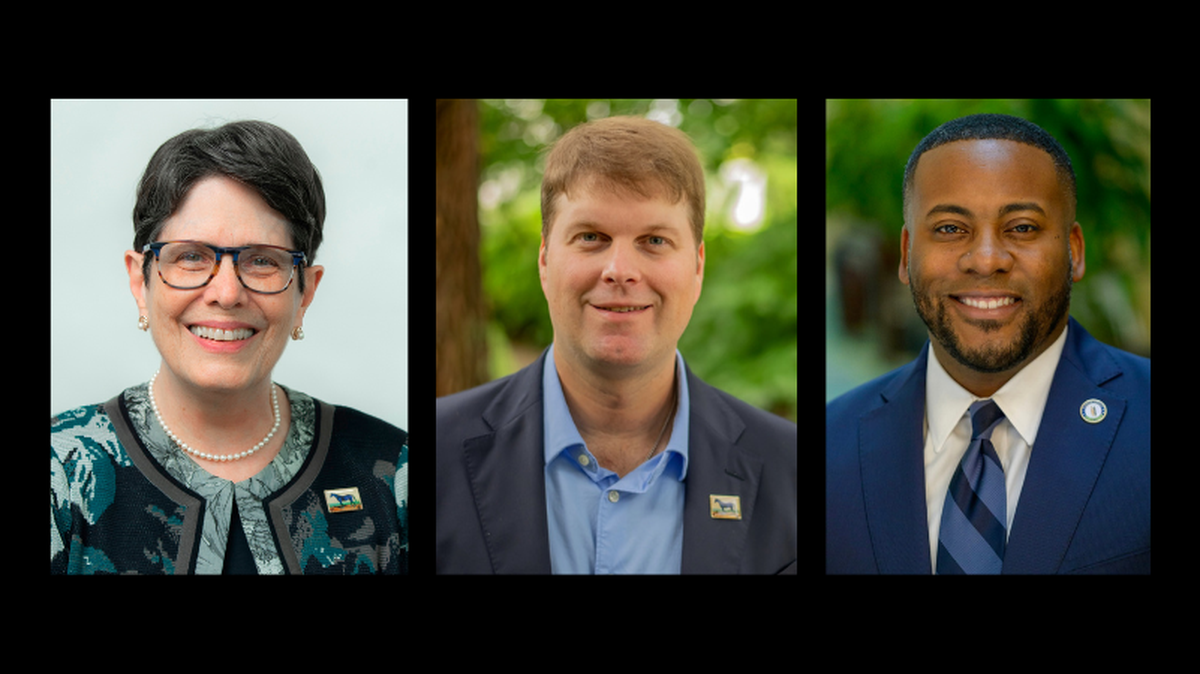
.jpg "Michael T. Davis, left, Kim Green, Diane Minnifield, Jeffrey A. Taylor and Kathryn Mattingly Webster are running for circuit judge in Lexington.")
READ MORE
May 2022 Kentucky Primary Election
May 17 is approaching and Fayette County voters soon will head to the polls and choose the next people to represent them, their needs and wants. Below you’ll find stories explaining voting, explanations of the major local races and candidates, and who the Herald-Leader editorial board is endorsing in city-wide seats.
Expand All
Issues surrounding bail and sentencing and ways to address violence in Lexington are among the topics five candidates in the nonpartisan race for circuit judge in Fayette County said they hope to address if elected.
Michael T. Davis, Kim Green, Diane Minnifield, Jeffrey A. Taylor and Kathryn Mattingly Webster are running for judge for the 22nd judicial circuit’s 7th division. Taylor is currently serving in the position, having been appointed by Gov. Andy Beshear after Judge Ernesto Scorsone retired late last year.
Here’s a sampling of what each candidate said are their goals for the office and what they’ll bring to the table.
Michael T. Davis
Davis said his years of experience as an attorney and his upbringing by parents who valued “fairness and a servant’s heart” have prepared him well to serve as circuit judge.
“I spent 20 years experiencing the impact a judge has,” he said. “I want to make sure that our entire community is served in the same way, no matter who they are, where they come from.”
He added later, “as far back as I can remember, I’ve had a real problem accepting unfairness and inequality and the rules changing depending on who you are to the rule-maker.”
He said that though judges should be different from other political positions, people “don’t believe that they are.”
“This perception that judges look down on folks from an ivory tower,” he said, is “a real obstacle to the community’s inherent faith in whether the system can work at all.”
To help repair that, Davis said he’ll be “100 percent committed to keeping that open mind” and will spend time out in the community “to try to close those gaps of misunderstanding” so people have a better understanding of the powers a judge has and where those powers are limited.
In terms of sentencing, Davis said judges are limited by the laws, but within the power judges do have, they must apply “the appropriate measure of mercy and grace” and identify the demographic situations “that make those ... fair for one person and not others.”
He said in setting bail, judges must make sure “it truly is proportionate to that person and that event.”
His background in civil cases would benefit him as a judge, Davis said, since he’s tried complex civil cases all over the state.
“My entire career has been based on coming into a case, learning a new area of law and applying it to the facts of the case.”
He said previous jobs have helped him learn to write about the law “clearly and concisely,” invest staff members “in the mission,” help them work as a team and manage his calendar in a way that gives him time to prepare adequately for a case.
“I already wear all of the hats that a strong circuit judge needs to be able to wear,” he said.
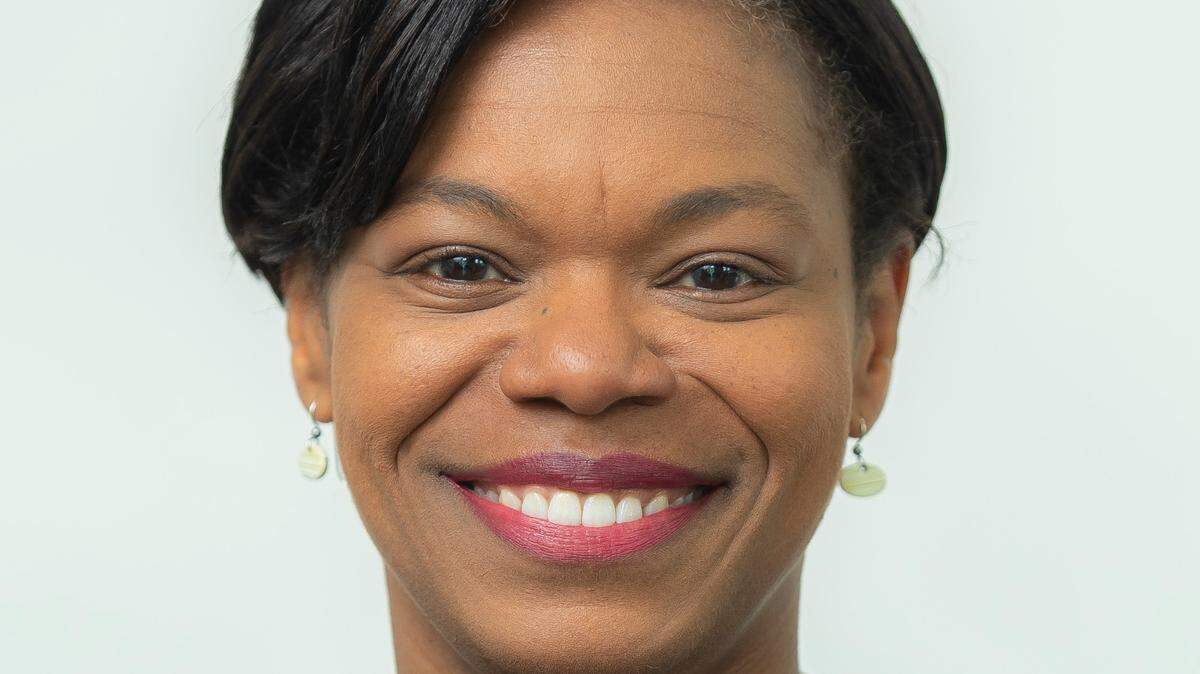
Kim Green
If she’s elected circuit judge, Green said one of her primary goals “is to find ways to deal with the implicit bias in the system and the disparate impact that we see off race.”
She said judges can play a role by working to address implicit bias and being aware of their own biases.
She said they also “have a role to play in trying to reduce recidivism” and can help address that by considering alternatives to incarceration, including drug court, veterans court and mental health court, to give people access to resources to help keep them from reoffending.
“There’s such a gap in our mental health services,” she said.
“There are a lot of a good community partners out there,” she said, but they aren’t always formally integrated into the legal system. Green said she wants to find ways to partner with them to help people.
Green said she also would work with commonwealth attorneys and public defenders’ offices, which are often lacking resources, to ensure that “people are getting their day in court without compromising their constitutional rights.”
After graduating from Harvard Law School, Green said she moved to Kentucky specifically because she wanted to become a public defender and had heard that the state’s Department of Public Advocacy had a good training program.
She’s been a public defender for more than a decade, and she currently supervises the Capital Trial Branch, which represents people facing the death penalty across the state.
“I have tried a number of capital trial cases to verdict,” she said. “I’ve had a chance to practice across the state and in front of many different judges.”
She said she’s had the opportunity to see how bond and probation decisions affect the lives of people.
“Right now, we don’t have anyone with a public defender background on the Fayette circuit bench,” she said. “That makes a big difference.”
Diane Minnifield
Minnifield has been practicing law in Lexington for about 36 years, and she said it’s given her the experience necessary to handle anything that comes her way in the courtroom.
She said she started out handling civil cases, became a hearing officer for the Lexington Human Rights Commission and since 1992 has been at the Fayette County Attorney’s office, where she spent years working on cases involving juvenile prosecution. She currently handles cases involving abuse and neglect.
In recent years, Minnifield said she had been feeling growing concern about increasing gun violence. Each instance, she said, has a devastating effect on two families, that of the victim and the perpetrator.
“A lot of it was juveniles,’”she said. “We’ve got to do something.”
When the seat in the 7th division came open, she said, “I thought, maybe I could do something.”
In her courtroom, she said, people would be treated as “more than just a number. They are a person.”
She said it’s important that the community feels that they are “part of it.” “You’ve got to feel like you are more than being ‘done to,’” she said.
“If somebody you come before looks like you ... it makes a difference,” she said, adding later, “Representation matters, and judges matter.”
She said she’s a fan of “specialty courts” that help offenders get drug and mental health treatment.
“We’ve got to go behind the act and get to the why,” she said. “If we don’t get to the why, just dealing with the problem doesn’t fix the recidivism problem.”
Minnifield said that besides bringing years of experience and racial diversity to the bench, she has also learned life lessons as a mother and wife.
She said 35 years of marriage “requires some patience, some selflessness, ability to compromise.”
And she said that as a mom, she can understand the emotions families bring with them to the courtroom.
She said she also ran a mentoring program for girls for years.
“I come with a lot of experiences and exposures that can deal with real people,” she said, noting that she has “family members that have been on both sides of it,” including family members in law enforcement.
Jeffrey Taylor
In four months on the bench, Taylor said he’s become more aware of a big problem with drugs and guns in Lexington, particularly heroin and fentanyl trafficking.
“That is a big problem in Lexington,” he said. “Everything seems to have some connection to drugs.”
He said he’s trying to put people in treatment programs when possible.
“You can’t just throw people in jail,” he said. “We’ve got good inpatient, outpatient programs.”
But, he added, “I don’t have a lot of tolerance for gun violence on the bench. ...The priority I have is safety for the community.”
“Rape, sodomy, domestic violence,” he said, “you’re going to likely get jail time with me on those issues.”
Taylor has spent much of his career handling civil cases, which he said can have important economic repercussions in the community and are a big part of a judge’s work. He said it’s important for the business community to have faith that contracts are going to be enforced as written.
“Civil cases are big stuff,” he said. “I’m running against three who have no civil experience whatsoever. I’ve tried civil cases all over the state.”
He said that trying cases in court for more than 20 years was an important skill-builder.
“You know the evidence rules. You know how to be in front of a jury,” he said. “Being in that arena ... prepares you and makes you qualified.”
He said he developed “the ability to apply the law to the facts and understand how a decision will affect the community.”
Taylor said he also has the demeanor a judge needs.
“I listen, I’m well-prepared, I’m patient, open-minded,” he said. “Common sense shouldn’t be a stranger in the house of law.”
“A judge should have respect for the dignity of everybody that comes in the courtroom. You’re going to get that from me,” he said. “I’m going to follow the law. I’m going to follow the Constitution. I’m not a judicial activist. I practice judicial restraint.”
Kathryn Mattingly Webster
Webster has worked for the Commonwealth Attorney’s office for 11 years, and she said one of the issues most important to her is “how our judges can be more active in keeping the community safe and also be more proactive in preventing violence.”
She said she’d like to see the judiciary work more on prevention.
“What a lot of our judges do now is reactive, and that’s not necessarily bad,” she said. “What I envision for this office is being more proactive.”
She said she’d build on relationships she’s developed with community partners and would like to start a domestic violence court to work with domestic violence offenders and their families.
“It is so pervasive,” she said, and the effects of being exposed to domestic violence as a child can be far-reaching.
“We can provide more supervision to the families that are affected and offenders,” Mattingly said. “Try to break the generational cycle.”
She said she’d also like to continue her work with partner organizations such as the Domestic Violence Prevention Board, The Nest, GreenHouse 17 and Ampersand Sexual Violence Resource Center of the Bluegrass “to make our bench more accessible.”
In terms of sentencing reform, Mattingly said she’s interested in drug and mental health treatment and services to help offenders with reentering the workforce.
“Our judges need to be open to alternatives for nonviolent offenders,” she said.
She said she’s also interested in bail reform.
“Historically, cash bail can result in over-incarceration of people of color and people who live below the poverty line,” she said, noting that electronic monitoring can help make sure people return to court.
Mattingly said she’d also like to try to reduce the backlog of cases in the court system so that people can have resolution “quicker than they have been.”
Mattingly said she would come to the bench with the unique perspective of someone who has worked as an attorney in the special victims unit, as well as someone who has experienced gun violence firsthand.
“My best friend was murdered in 2006, and I was with him,” she said. “That was my introduction to the criminal justice system.”
“I’m the only person (running) who has engaged with the court system as a crime victim, as a witness and as an attorney. I have a very unique lens with which I can view the court.”
Michael T. Davis
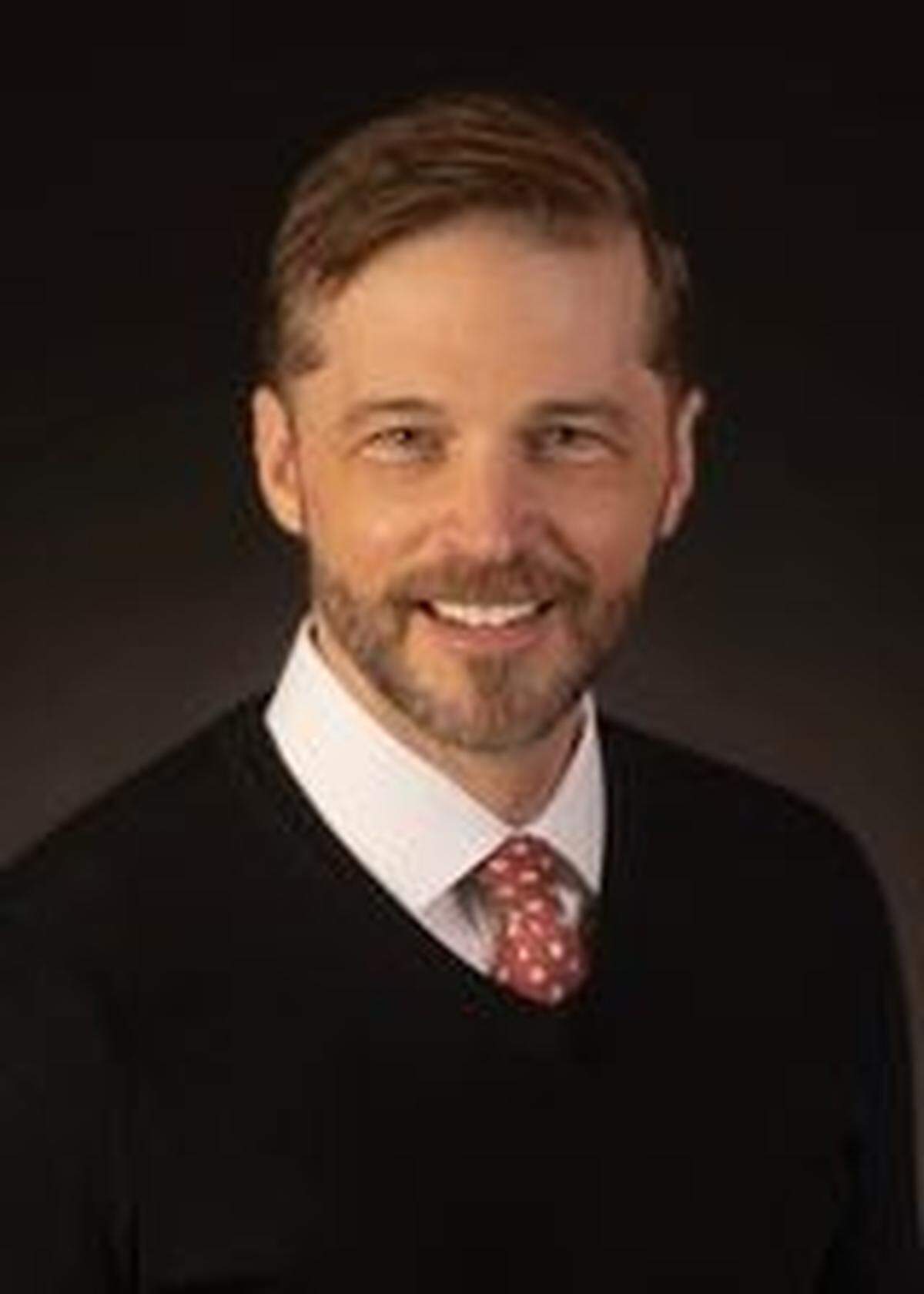
Age: 50
Previous work experience: Attorney with Kopka Pinkus Dolin PC and a civil trial lawyer with over 20 years experience in circuit and federal courts throughout Kentucky. He spent 5 years in the banking industry before graduating from the UK College of Law in 2002, and since then has represented a wide variety of clients, including small business, city governments, national corporations, and everything in between. He also spent five of those years in public service serving the Kentucky Public Protection Cabinet as counsel to the Department of Financial Institutions, Deputy General Counsel and Policy Advisor to the Kentucky Horse Racing Commission, and General Counsel to the Department of Housing, Buildings and Construction (including its eight statutory boards and committees and the Office of the State Fire Marshal). Michael is currently a member of the Fayette County Bar Association’s Pro Bono Program Board, and he serves along with his wife, Ozlem, as members of CASA of Lexington’s Superhero Run Committee.
Any offices currently or previously held: No prior elected offices
Family: Wife Ozlem Eva Davis, CPA/CFF, CFE, and children Owen and Arya
Kim Green

Age: 36
Previous work experience: Staff Attorney for the Department of Public Advocacy; Directing Attorney for the Department of Public Advocacy. Currently Regional Manager for the Capital Trial Branch of the Department of Public Advocacy (Public Defender’s Office).
Any offices currently or previously held: None elected, but I have served as the North Limestone Neighborhood Association and on the board of the NoLi CDC.
Family: My parents (Ivan and Lisa Green) live in Woodford County. My younger sister, Kelly-Ann Green, lives in Atlanta, GA and my older sister, Tasmyn Green, lives in Boise, ID.
Diane Minnifield
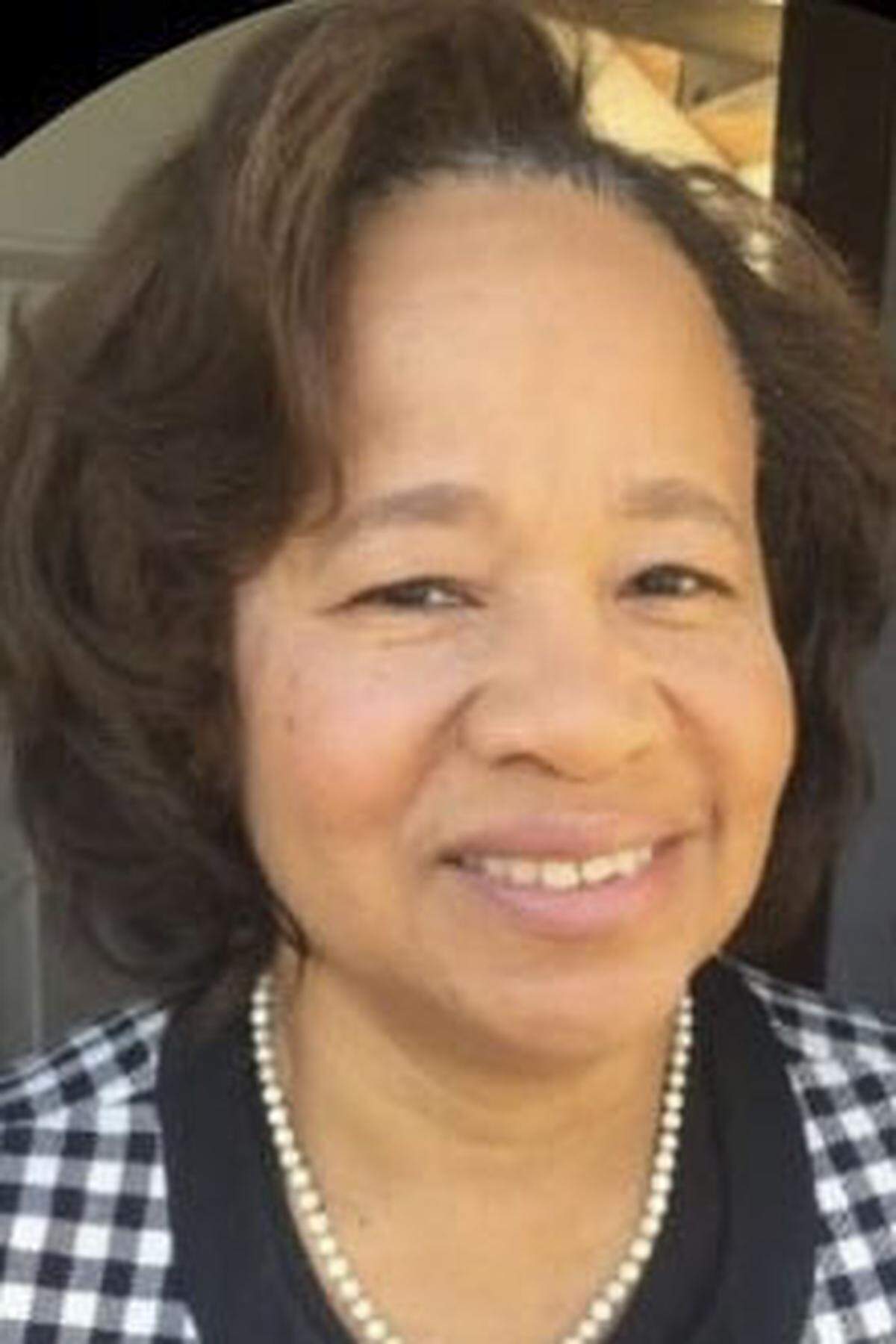
Age: 59
Previous work experience: Fayette County Attorney’s Office - 1992-present: Prosecuted in adult misdemeanor, child support enforcement, juvenile, and currently in neglect and abuse court. Small private practice- probate, social security, workers compensation, etc. LFUCG Human Rights Commission Hearing Examiner - presided over discrimination cases and issued recommended decisions - 1992-2011. Central Kentucky Legal Services - all things civil in the representation of low income clients - 1987-1991
Any offices currently or previously held: Past president of the John Rowe chapter of the National Bar Association; Ex officio board member of CASA of Lexington; Member of the KY Attorney General’s Commission on Child Support; Member of Mayor Linda Gordon’s Commission for Racial Justice and Equality.
Family: Husband, Frank Minnified, Adult children, Chase Minnifield and Chanel Minnifield
Jeffrey A. Taylor

Age: 52
Previous work experience: Former partner and trial attorney at Landrum & Shouse LLP with 25 years experience. Tried many civil cases all over the state. Top 50 Super-lawyer in Kentucky for several years. Best Lawyers in America defense counsel of the year in Lexington. Kentucky Defense Counsel Lawyer of the Year in 2014. Recognized as a prolific trial attorney in Kentucky by KTCR.
Any offices currently or previously held: Appointed Judge of 7th Division of the Fayette Circuit Court by the Judicial Nominating Commission made of lawyers and non lawyers and Chief Justice of the Kentucky Supreme Court in November 2021. Governor Beshear approved appointment.
Family: Married to Sarah Richey Taylor. Father to Henry, 8; William, 7; and Emma Kate, 10 months.
Kathryn Mattingly Webster
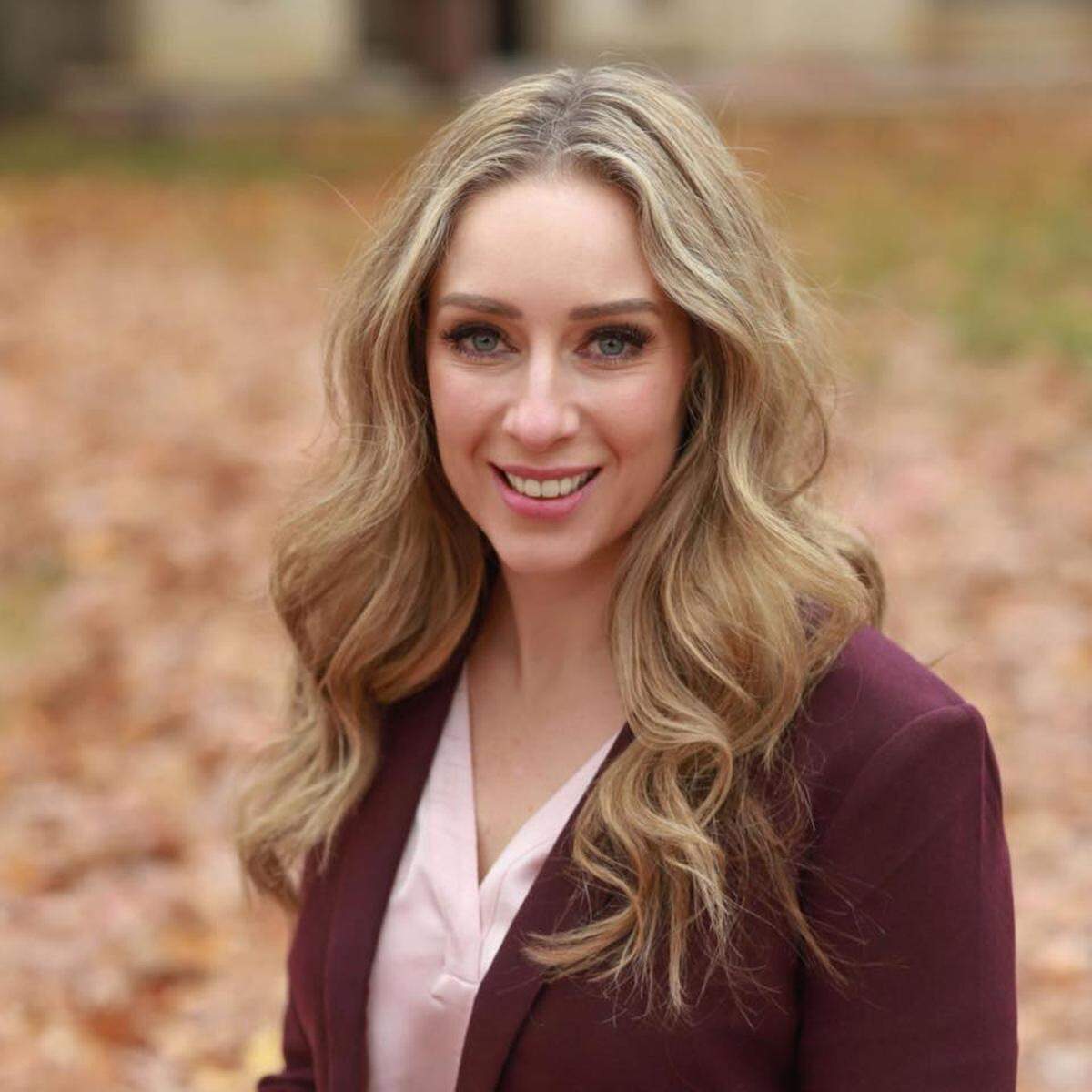
Age: 39
Previous work experience: Worked at the Fayette Commonwealth’s Attorney’s Office since 2011, first for Ray Larson, and now for Lou Anna Red Corn.
Offices currently or previously held: Assistant Commonwealth’s Attorney at the Fayette Commonwealth’s Attorney’s Office, assigned to the Special Victims Unit. Board member at Ampersand Sexual Violence Resource Center of the Bluegrass and Domestic Violence Prevention Board. Member of Junior League of Lexington.
Family: Husband Mike and children Charlie (6) and Hank (3)
This story was originally published May 5, 2022 at 11:39 AM with the headline "Violence in Lexington, bail policy among issues as 5 seek circuit court judgeship."

.png)
.png)
.png)
.png)
.png)
.png)