
Here are the COVID guidelines for the University of Kentucky this fall
READ MORE
COVID burnout in higher education
For some educators, the stress of the pandemic is still prevalent as they wonder if another COVID variant could again bring changes to campus. And burnout that started in the earlier days of the pandemic continues on.
Expand All
After two years of changes and burnout, COVID exhaustion still lingers for UK educators
Feeling burnt out in your job? Three actions you can take now to help, from a burnout coach
Why Lexington universities won’t have COVID data publicly available as classes resume
Here are the COVID guidelines for the University of Kentucky this fall
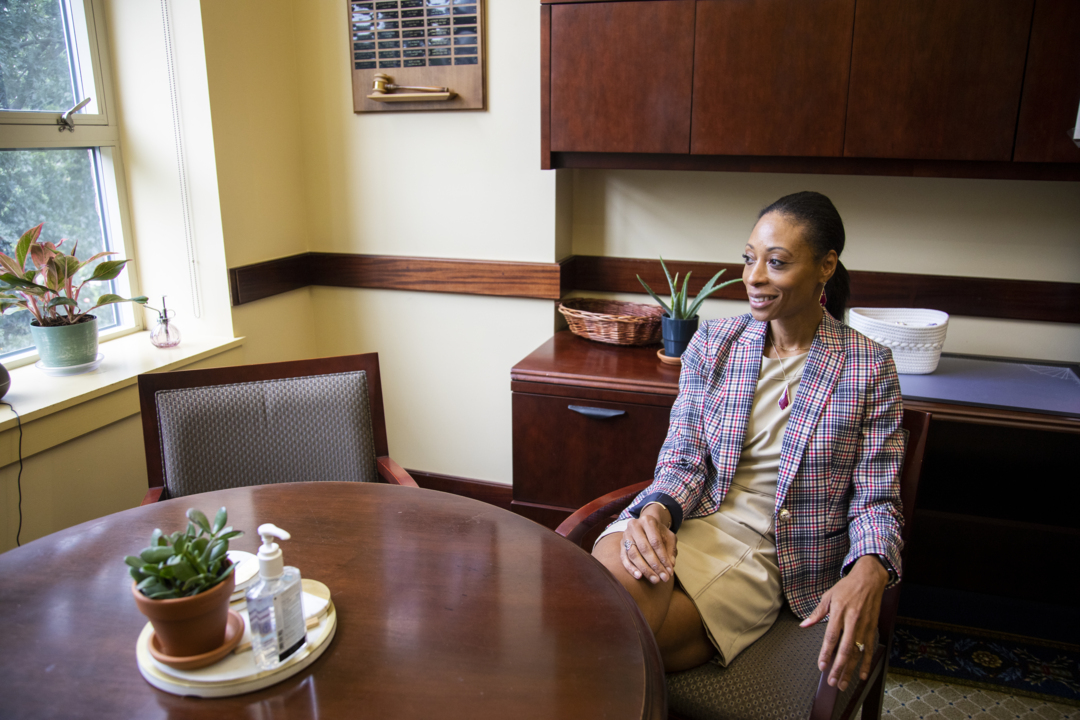
How COVID changed the way UK faculty senate chair teaches classes
After more than two years of masks and changing COVID guidelines, University of Kentucky students will return to a college experience that looks more like it did before the pandemic.
Masks will be encouraged, but not required this year, and available on campus to those who wish to wear them. Additionally, plexiglass shields will still be available for those who want to use them in classrooms and offices. Latest updates about campus COVID guidelines will be posted to the university’s coronavirus website. The fall semester begins on Aug. 22, with the largest-ever freshman class expected.
“We know we must also remain vigilant about other health challenges and concerns,” President Eli Capilouto said in an email earlier this month. “As we have throughout every phase of the COVID-19 pandemic, we will continue to prioritize the health and safety of our students, faculty and staff.”
Fayette County is considered at high risk for COVID transmission, as of Aug. 11, according to the Centers for Disease Control and Prevention. That designation is based on the number of new COVID cases and hospitalizations of COVID patients, and with a high risk level, the CDC recommends wearing face masks in public settings. Masks are still required at UK HealthCare facilities.
“Our goal is to be able to have as close to a normal experience, or a better than normal experience,” Jay Blanton, UK spokesperson, said in an interview earlier this summer.
Masks and hand sanitizer will still be located around campus, including in classrooms and residence halls. UK is prepared to move to online instruction or bring back a mask requirement if needed, Blanton said, and is monitoring COVID conditions over in the coming weeks to help guide decisions about the fall.
“We think we’ve got the systems and infrastructure in place to (pivot) if we have to,” Blanton said. “We have to remain vigilant about all that.”
Provost Robert DiPaola, who leads the START team that monitors data and makes recommendations for COVID guidelines at UK, said his team has received a handful of questions about COVID guidelines, but fewer concerns voiced than there were last year. The START team and Health Corps, another group that also monitored COVID throughout the pandemic, will continue operating this school year.
“We’re here, things are operational, and we have the same structures and functions in place to pay attention to any of those questions (about changes to the fall semester),” DiPaola said.
UK will focus on vaccines this year — encouraging everyone on campus to get vaccinated or the booster shot if they have not already. Like last year, there will be incentives for students and employees who submit proof of vaccination. Last year, incentives included study abroad trips, iPads and tickets to UK football and basketball games.
“We’re going to make vaccines very prevalent and accessible on campus,” Blanton said. “Our goal is for the in-person learning experience and the percentages of (in-person) classes — we got back up to more of a 2019-level this past year — our goal is for that to continue.”
At the end of the spring 2022 semester, UK reached a vaccination rate of nearly 92%, with 90.2% of students, 97.3% of faculty and 93.2% of staff vaccinated. UK HealthCare, which required employees to be vaccinated, had a 93% vaccination rate, according to UK’s COVID dashboard at the end of the semester.
Those numbers, along with low community numbers of COVID, prompted UK to change its mask policy at the end of the last school year. Toward the end of the spring semester, UK made wearing masks optional in common areas on campus. Masks were still required in classrooms, meetings and UK HealthCare facilities. After the spring semester ended, masks and plexiglass became fully optional on campus.
“While masks will now be optional, we want to strongly encourage members of our community who want to do so to wear them as an added layer of protection,” President Eli Capilouto said in June. “Just as we will respect those who no longer want to wear masks, we should — and we will — respect the decisions of those who choose to do so.”
This story was originally published August 17, 2022 at 6:00 AM.