
Feeling burnt out in your job? Three actions you can take now to help, from a burnout coach
READ MORE
COVID burnout in higher education
For some educators, the stress of the pandemic is still prevalent as they wonder if another COVID variant could again bring changes to campus. And burnout that started in the earlier days of the pandemic continues on.
Expand All
After two years of changes and burnout, COVID exhaustion still lingers for UK educators
Feeling burnt out in your job? Three actions you can take now to help, from a burnout coach
Why Lexington universities won’t have COVID data publicly available as classes resume
Here are the COVID guidelines for the University of Kentucky this fall
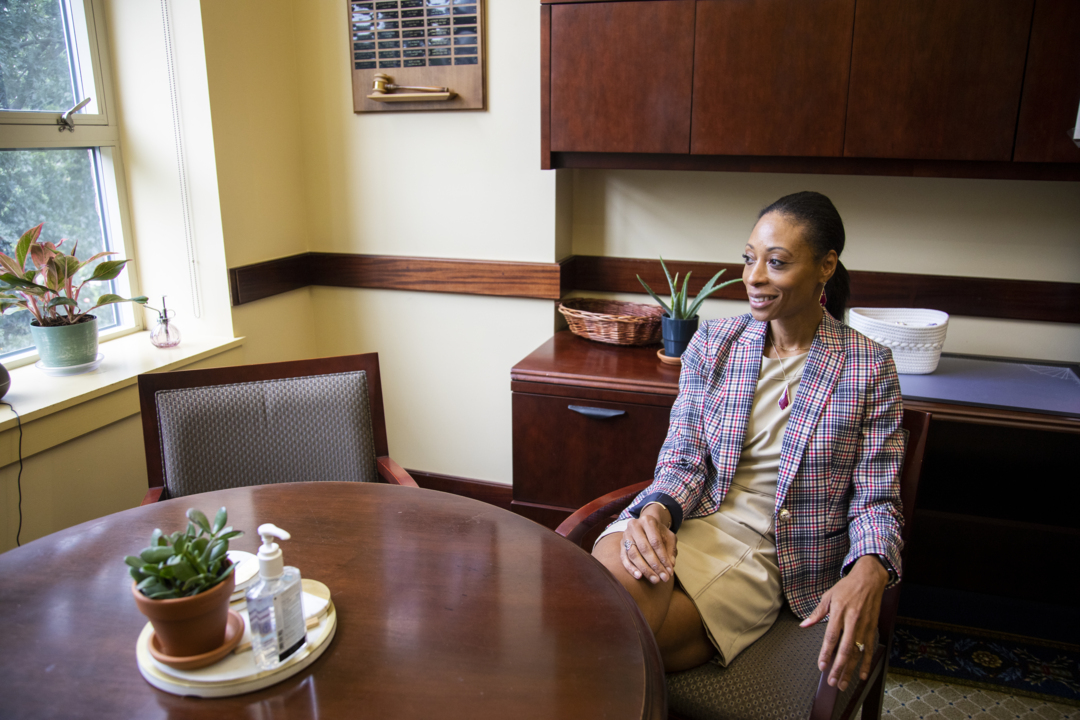
How COVID changed the way UK faculty senate chair teaches classes
As professors return to the classroom this fall, it’s been more than two years of changing guidelines, mask requirements and different learning modes.
Some may be feeling burnout or fatigue surrounding their jobs.
According to a survey of higher education faculty done by the Chronicle of Higher Education in October 2020, 50% of respondents said their enjoyment of teaching had decreased since the start of 2020. Additionally, 35% of respondents said they had considered changing careers and leaving higher education, 38% said they had considered retiring, and 31% had considered changing jobs within higher education since the start of 2020.
Rebecca Pope-Ruark, a professor at Georgia Tech in Atlanta, Ga., who is currently writing a book about professor burnout, offers coaching sessions for higher education employees dealing with burnout.
Here’s what she recommended for professors and individuals looking to avoid burnout.
Setting boundaries
Many professors, especially during the changes brought on in the early days of the pandemic, felt like they needed to be constantly available, Pope-Ruark said.
That could contribute to further stress and burnout, she said.
“I think that’s one of the core ways that you manage your workload, is you figure out what kind of boundaries you can set around the times that you work, the ways that you work, and how you engage with people during those different times,” Pope-Ruark said.
One of the first boundaries she suggests setting is around email. Set a time in the evening after which you will no longer check or respond to emails and stick to that time. The boundary creates more free time to spend with family and friends, or for personal interests and activities.
It can also help to have an “accountability partner” when first setting boundaries, she said. Having someone who will hold you to your boundaries and celebrate with you when you take time away from work makes it easier to keep them, she said.
At first, it may seem like you are avoiding work or putting off things that need to be done. But setting boundaries can be healthier in the long run, and allow you to focus on work during working hours, creating a better work-life balance.
Make time for self-care
Setting time to take care of yourself is important for avoiding burnout, Pope-Ruark said.
“At an individual level, self-care is crucial,” Pope-Ruark said. “And this doesn’t mean just get a massage, get a pedicure. Those things are great, but that’s not the end-all, be-all of self-care.”
She recommended sleeping well, eating well and exercising, even when working gets stressful. Planning time to spend with people you care about can also help relieve stress, as well as making time to do things you enjoy that are unrelated to work.
“You should be thinking about different ways that you can take care of yourself, giving yourself that time off without feeling like you’re avoiding your work or adding stress to your work,” Pope-Ruark said.
Group coaching and therapy
As a burnout coach, one of the things Pope-Ruark offers is a burnout support group. At Georgia Tech, she runs a women-plus support group that meets once a month for people at the university who identify as women to gather and discuss their jobs.
“Inevitably, people leave saying ‘I feel, at least, like I’m not alone anymore,’” Pope-Ruark said. “Having that kind of level of connection I think is really important.”
Pope-Ruark said she would like to see these groups rolled out on a larger scale, as well as therapy and counseling options available to professors. If universities could offer these, it could help employees cope with the stress of the semester. She also recommended checking what your university offers as far as counseling and mental health support, and taking advantage of those.
University of Kentucky Provost Robert DiPaola said mental health will be something university administrators are paying close attention to this fall.
“I think we just need to pay a lot of attention to well-being as an overall area of focus going forward, and especially mental health, given such a period of isolation, and many still feeling that in different ways,” DiPaola said.
With a complete return to campus, DiPaola said there will be opportunities for mental health counseling and connections for students and employees.
This story was originally published September 15, 2022 at 10:00 AM.