
Poll shows KY voters want expanded unions, increased pay. New bills could help
Kentucky voters find union participation favorable and largely support policies that expand options for organized labor, improve job quality, increase pay, and respond to inflation, according to a recent poll.
The same poll from the Kentucky Center for Economic Policy show Kentuckians have not yet directly felt the impact of the legislature’s push to lower the personal income tax, something the GOP-led General Assembly has made a priority since 2022 in an effort to attract business and increase economic competitiveness.
“The poll found that Kentuckians overwhelmingly support policies that expand unions and improve job quality, and they want state lawmakers to prioritize those goals,” said Jason Bailey, the think tank’s executive director. “These priorities reflect Kentucky voters’ concerns about affordability as their top issue, and their frustration at an economy where the wealthy are doing better than ever.”
Lawmakers on both sides of the aisle have filed several bills already this legislative session aimed at tackling worker issues, though many have a focus on worker and workplace safety as well as unemployment benefits. Democratic lawmakers are again the primary sponsors of legislation aiming to increase the minimum wage. Those policies face steep hurdles to passage in the GOP-controlled General Assembly.
Kentucky last increased its state minimum wage in 2009 to $7.25, according to the Kentucky Center for Economic Policy. Since then, numerous attempts by Democratic lawmakers to increase it to $15 per hour have failed. Local attempts by city governments in Lexington and Louisville were struck down by the Kentucky Supreme Court in 2016.
During a late January news conference hosted by the progressive-leaning Kentucky Center for Economic Policy, and leadership from the Kentucky AFL-CIO, the local chapter of a national trade union center, some of the state’s workers said affordability is their main concern, and they hope to see lawmakers address all sides of the issue from pay and benefits to housing and safety at work.
“When are you guys going to step up and really start joining our side on this?” said Preston Roby, a Bullitt County resident and member of the Union of Bricklayers & Allied Craftworkers Local 4 of Indiana and Kentucky, during the news conference. “When are we going to quit with the bantering and the political grandstanding? When are we actually going to put bills on the floor and get votes for increased pay?”
The following are eight proposals related to union participation, unemployment protections, wage increases and more that have been introduced this session. Filing deadlines for the House and Senate are in the first full week of March.
Proposals introduced in the legislature
- Senate Bill 161 sponsored by Sen. Gary Clemons, D-Louisville, aims to repeal Kentucky’s right-to-work law and would allow labor organizations to require membership as a condition of employment for public employees. It was introduced in early February, but has not been assigned to a committee. The same senator also proposed Senate Bill 167 that would allow for an income tax deduction for union and professional dues. Right-to-work was a priority of the GOP when the party took control of the House in 2017, and the Kentucky Supreme Court upheld the law to prevent unions from requiring all employees in a unionized workplace to pay dues.
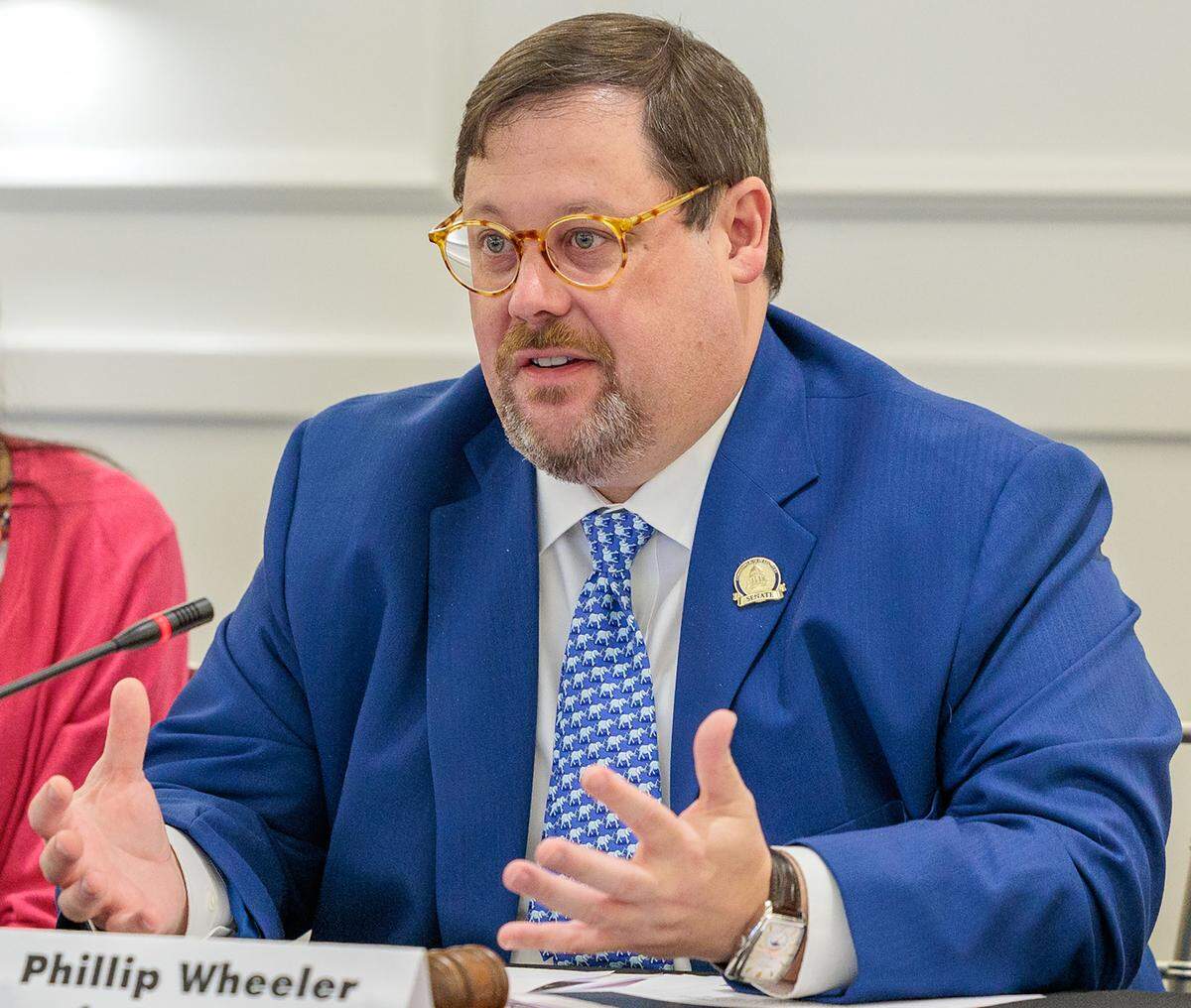
- Senate Bill 163 sponsored by Sen. Phillip Wheeler, R-Pikeville, looks to reform unemployment insurance by extending the return-to-work period from 16 weeks to 12 months and adds protections for workers with jobs specifically impacted by natural disasters. It was introduced in early February, but has not been assigned a committee. Similarly, House Bill 579, sponsored by Rep. Chad Aull, D-Lexington, would eliminate the one-week waiting period for unemployment benefits.
- House Bill 270 sponsored by Rep. Daniel Grossberg, D-Louisville, would raise the minimum wage to $9.50 upon passage and incrementally to $15 by July 2030. It was introduced on the second day of session in early January and sent to the Standing Committee on Economic Development & Workforce Investment which has only met once.
- House Bill 341 sponsored by Rep. Lisa Willner, D-Louisville, would create a requirement that every employer establish a policy allowing employees the right to disconnect from communications from the employer during nonworking hours. It was introduced in early January and assigned to the economic development committee.
- House Bill 336 sponsored by Lexington Democrats Aull and Rep. Anne Gay Donworth would allow local governments to adopt and enforce ordinances that require a minimum wage higher than the federal and the state minimum. It was introduced in January and sent to the House Standing Committee on Local Government.
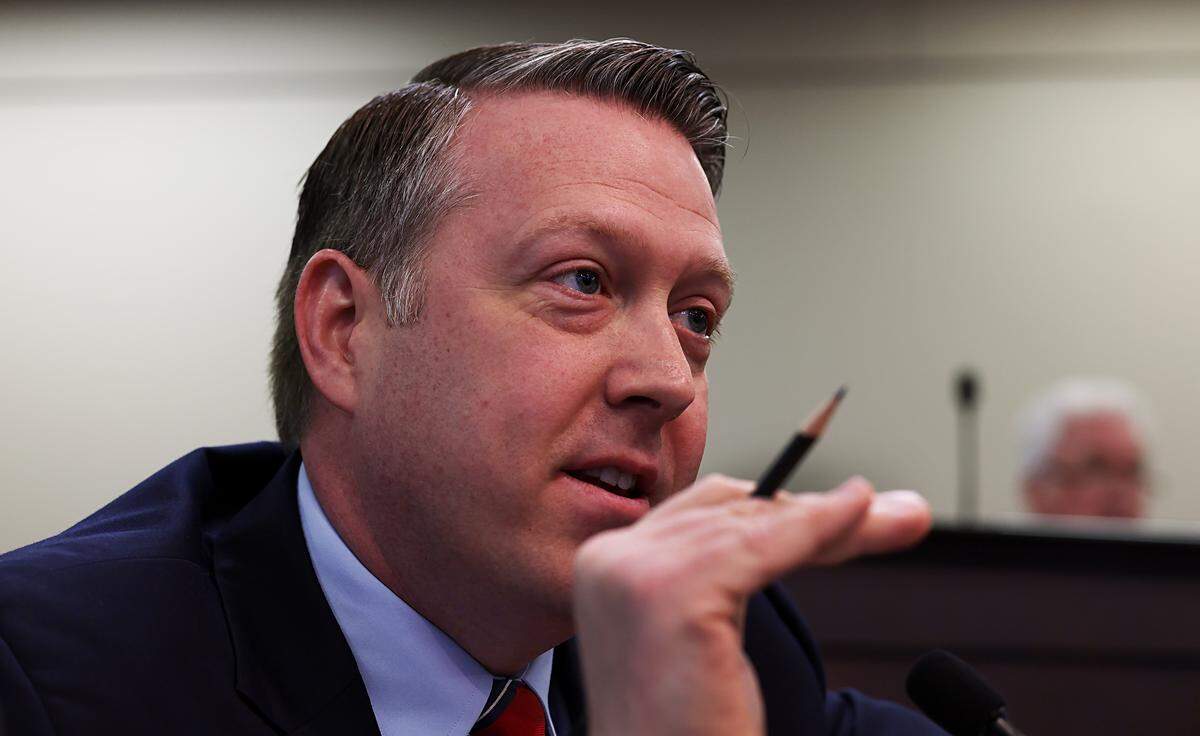
- House Bill 208 sponsored by Rep. Nima Kulkarni, D-Louisville, would require employers to establish emergency action plans for their workplaces, including procedures in the event of fire, natural disaster or other situations that may pose a safety hazard. It was introduced in January and assigned to the economic development committee.
Polling results about income tax
For years now, Kentucky’s GOP-led legislature has been working to cut the state’s income tax rate, with the goal of eventually eliminating it altogether.
So far, it’s taken an incremental approach, following a set of self-imposed budgetary triggers to cut the rate from 5% in 2022 to its current 3.5%. The policy’s supporters say it will lure business to the Bluegrass State, make it more competitive and put more money back into Kentuckians’ pockets.
But if the recent polling is any indication, Kentuckians aren’t feeling much of an impact.
In December, national pollster Change Research gauged a random sample of 2,079 registered Kentucky voters about their views on the state’s income tax and worker issues, such as their support for raising Kentucky’s minimum wage and joining labor unions. The poll’s stated margin of error was plus or minus 2.2%.
Asked directly — “How have the individual state income tax cuts impacted you?” — 9% of survey respondents said they had been helped by the cuts. Another 8% said they had been hurt by the state’s efforts to cut the income tax rate, while 40% said they hadn’t been affected at all and 43% said they weren’t sure.
Polling results about union participation
Along with inquiring about the efforts to cut the state’s income tax, the poll also gauged support for labor unions, raising taxes on the wealthy and some often considered progressive policies like paid family leave and paid sick days.
According to the poll, 47% of respondents said they view unions favorably. About 25% viewed them unfavorably, with 12% responding their feelings toward unions and organized labor was very unfavorable.
Since 2017, Kentucky has been a right-to-work state, which means employees are free to make their own choice whether to join their workplace’s union. Being a right-to-work state makes it illegal for an employer to require its employees joining a union, remain members, pay dues or otherwise participate as a condition of employment.
Kentucky AFL-CIO President Dustin Reinstedler said the polling makes it clear Kentuckians aren’t confused about what they want and need and that they understand unions are part of a healthy workforce, whether they are dues paying members or not.
Other polling results
According to the poll, the price of groceries is the biggest concern for Kentuckians, followed by electricity and utility bills then health care expenses.
“Affordability is the big concern; people want a government that helps make their lives better, including make their jobs better,” Bailey said.
The majority of people included in the poll are in support of expanded family leave and more sick days as well as making it easier for a workplace to unionize. About 85% of people think raising worker pay should be a priority of the state’s lawmakers and 62% of respondents said they would continue to support legislators who prioritized an increased tax on the wealthiest 5% of Kentuckians.
.JPG)