New Lexington solar regulations move forward. Will commission pass them this time?
Lexington’s debate around whether rural land should house industrial solar projects is far from over.
The Lexington-Fayette Urban County Council voted 10-5 in its April 28 work session to send regulations allowing solar panel installations larger than five acres — often called solar panel farms —to the Urban County Planning Commission for review.
Council members Chuck Ellinger, Tom Eblen, Jennifer Reynolds and Hil Boone voted against moving it along. The planning commission will begin work on the regulations in early summer.
While the presently-proposed regulations look different than a previous package, the commission has opposed solar panel farms in the past.
The commission unanimously rejected regulations for solar farms in 2024, which had been proposed by Nashville-based solar company Silicon Ranch.
Silicon Ranch has been urging the city to allow solar farms so they can construct a nearly 800-acre project in eastern Fayette County.
Instead, the commission approved rules for solar panels in urban areas of Lexington, as well as allowing rooftop solar across the entire county.
Now, the body will be tasked with reviewing the question of solar panel farms just two years after its 2024 rejection.
A work group of council members met in late 2025 and early 2026 to write the new solar farm rules the commission will review this summer. That work group has been mired in controversy, with one of its members publicly criticizing its leadership and the Herald-Leader levying complaints of open meetings violations against its closed-door proceedings.
Ultimately, Kentucky Attorney General Russell Coleman decided the work group did not violate open meetings laws.
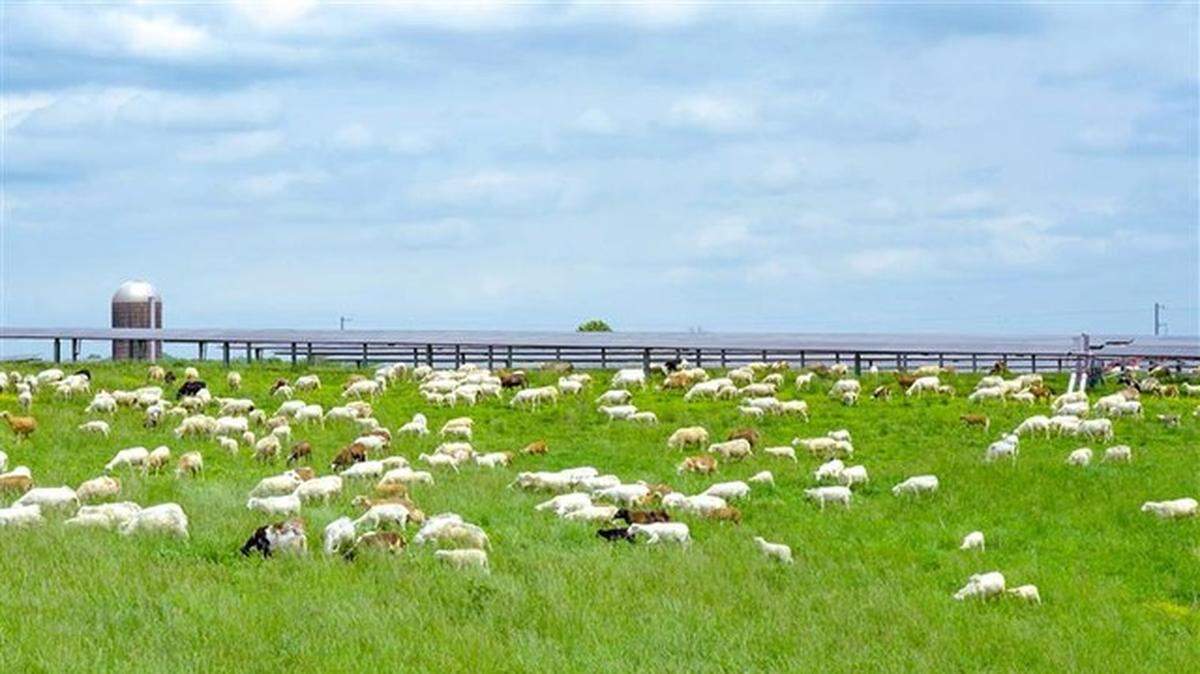
The new proposal advanced by the council would require developers to submit robust land and water management plans. Some form of agriculture, such as the sheep grazing Silicon Ranch uses on their solar farm sites, would be required to take place.
The planning commission will have discretion to revise the proposed rules as it sees fit. Once approved, the commission will send whatever revisions it makes back to the council for final approval.
Dave Sevigny, who served on the council’s solar work group and has been an advocate for rural solar farms, told the Herald-Leader in March that the council has final say over the issue.
“I think we’ll consider everything that they give us,” he said of the commission’s potential changes. “But the council does get the last vote.”