Attorney general investigates KY nursing home where woman died from massive pressure sore
AI-generated summary reviewed by our newsroom.
- Kentucky AG opened a law enforcement investigation into a Salyersville nursing home death.
- A May 17, 2025 inspection severely criticized the facility and fined $447,485.
- At least 11 lawsuits since 2021 allege abuse, neglect, and pressure sores at the facility.
Editor’s note: This story contains graphic images and descriptions of injuries that some readers may find upsetting.
Kentucky Attorney General Russell Coleman’s office says it has opened a “law enforcement investigation” into the death of a patient at Salyersville Nursing and Rehabilitation Center, a low-rated Magoffin County nursing home that is owned by a consortium of New York investors.
The attorney general’s office did not identify the patient.
Administrators at the nursing home did not respond Monday to requests for comment.
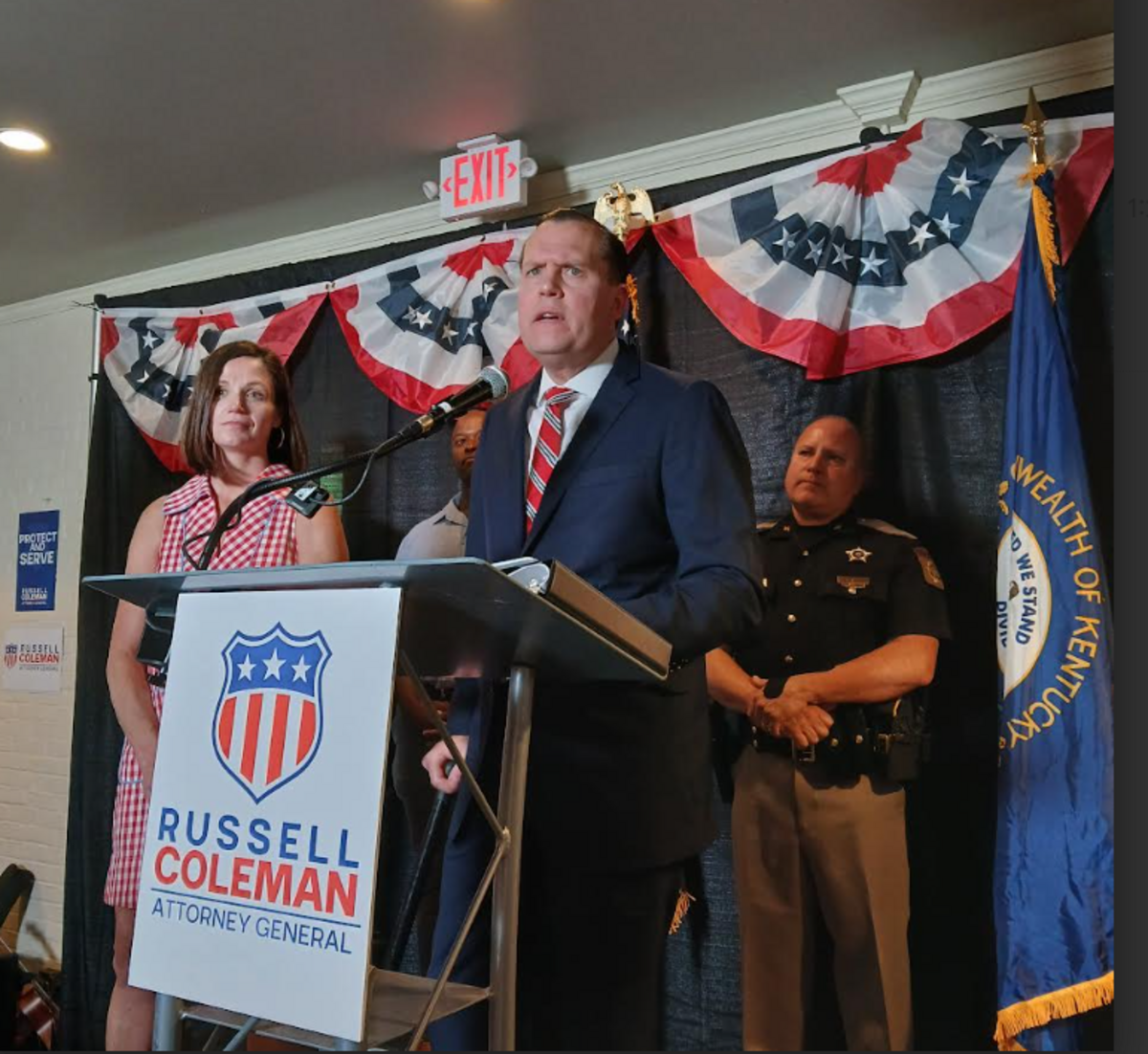
“We received disturbing reports of alleged misconduct and neglect,” Lauren Adams, a Coleman spokeswoman, told the Herald-Leader in a prepared statement. “Given the active nature of the investigation, we cannot comment further at this time.”
The Herald-Leader reported June 8 about horrific conditions inside Salyersville Nursing and Rehabilitation Center in recent years, with a repeated pattern of neglected pressure sores, infections and deaths.
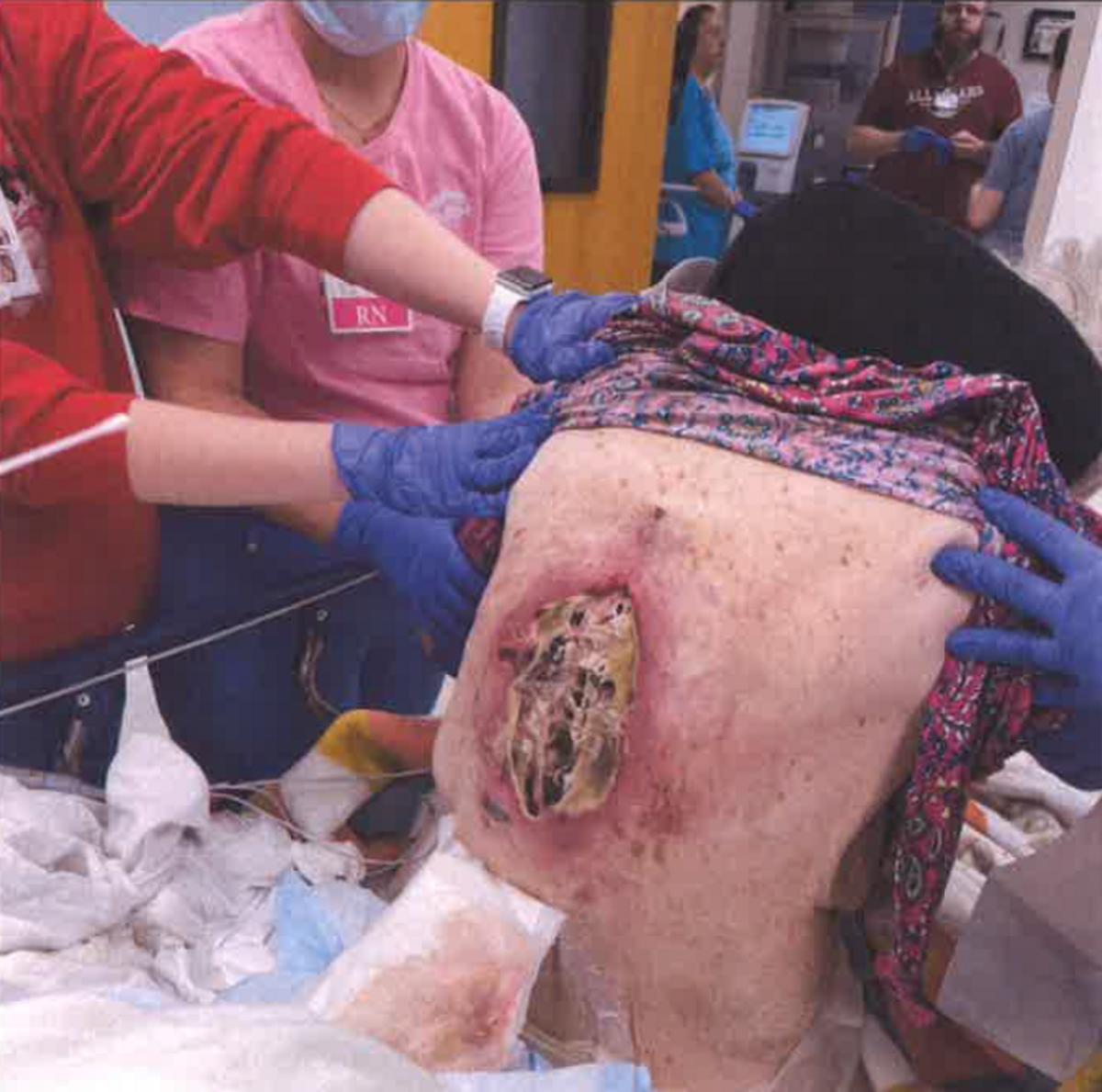
In one particularly gruesome case, 81-year-old Ruth Smith Castle Reed entered the nursing home with a 10-inch surgical incision from back surgery. Reed left a month later with a foul-smelling, pus-oozing crater in her back the size of a dinner plate, according to state inspection reports and court records.
Reed was transferred to hospice care, where she died Nov. 22, 2024, of acute kidney failure and sepsis, her body’s overwhelming response to infection.
At least 11 lawsuits filed by families against the 142-bed nursing home since 2021 alleged abuse and neglect of their loved ones who had died, all of whom suffered pressure sores. Other injuries and illnesses were sometimes cited, too, such as malnutrition and unexplained broken bones.
A May 17, 2025, inspection by a survey team from the Office of Inspector General at the Kentucky Cabinet for Health and Family Services severely criticized the nursing home for mistreating its residents. Regulators levied $447,485 in fines.
Residents were neglected in their beds as a matter of routine, inspectors said, with clinical records falsified by staff to make it wrongly appear that care plans were being followed.
The inspection came after a four-year gap in which the state failed to conduct its legally required annual review of the nursing home’s quality of care. Kentucky has struggled with one of the nation’s biggest backlogs in nursing home inspections since the COVID-19 pandemic, although state officials say they’ve worked hard to get back on schedule.
Second state investigation is launched
Another state agency, the Commonwealth Office of the Ombudsman, says it has also gotten involved.
The Commonwealth Office of the Ombudsman serves as an independent watchdog that helps the public to navigate the state’s sprawling Cabinet for Health and Family Services.
After reading about the Salyersville nursing home in the Herald-Leader on June 9, the office determined that Reed’s death had never been referred for an investigation by Adult Protective Services at the cabinet’s Department for Community Based Services, said spokeswoman Olivia McKown.
Adult Protective Services investigates the mistreatment of elderly Kentuckians.
“We initiated a referral on June 12, 2026, and it was accepted for investigation the same day,” McKown said. “Our office continues to monitor the progress of that investigation and is reviewing available information to identify any additional potential victims requiring referral or assistance.”
Who’s actually responsible for holding nursing homes accountable?
Kentucky’s attorney general runs an Office of Medicaid Fraud and Abuse Control that solicits complaints from the public about patient abuse, neglect and exploitation and billing fraud at Medicaid-funded health care institutions, including nursing homes.
Over a recent three-year period ending July 1, the office received 125 complaints from the public, Adams said.
But it’s not just the attorney general who monitors nursing home issues in Kentucky. Several public agencies share a collective responsibility for enforcing elder abuse and neglect laws in nursing homes, including the attorney general; different offices within the Cabinet for Health and Family Services; and local prosecutors, according to the Kentucky State Long-Term Care Ombudsman, a quasi-independent state office that advocates for nursing home residents.
Because so many people are responsible for the problem, no one really owns it, said Jodi Holsclaw, the state long-term care ombudsman.
“There’s cracks in this system,” Holsclaw said in a recent phone interview.
Some legislators in the 2011 General Assembly proposed a law that would require nursing homes to report all deaths under their roofs to coroners or medical examiners within 24 hours. Local officials would have reviewed the deaths to see if evidence suggested abuse or neglect and possible follow-up by law enforcement.
The bill died in House committee without receiving any discussion from lawmakers.
“I just had a call yesterday with a gentleman,” Holsclaw said. “His mama passed away from a urinary tract infection at a nursing home because that infection went unnoticed.”
“His mama was septic. He filed a complaint with the ombudsman, that she was being left in soiled briefs and the staff were not following the toileting schedule of her care plan. The ombudsman was actively working that complaint. But lo and behold, this resident passed away from a UTI that went septic. So, I mean, this is a real problem,” she said.
This story was originally published July 6, 2026 at 4:03 PM.