Fayette County voters to decide on new tax for public parks. Here’s how much it would cost
READ MORE
Herald-Leader election previews
Check out all of the Herald-Leader election preview stories that have published so far.
Expand All
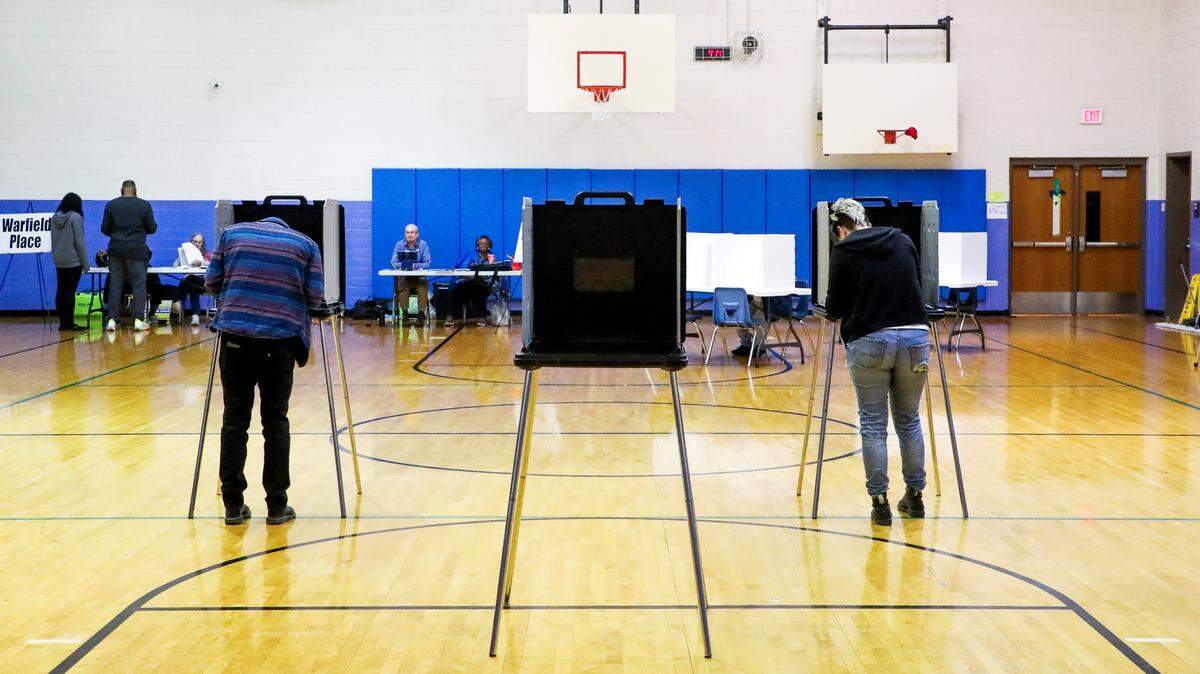
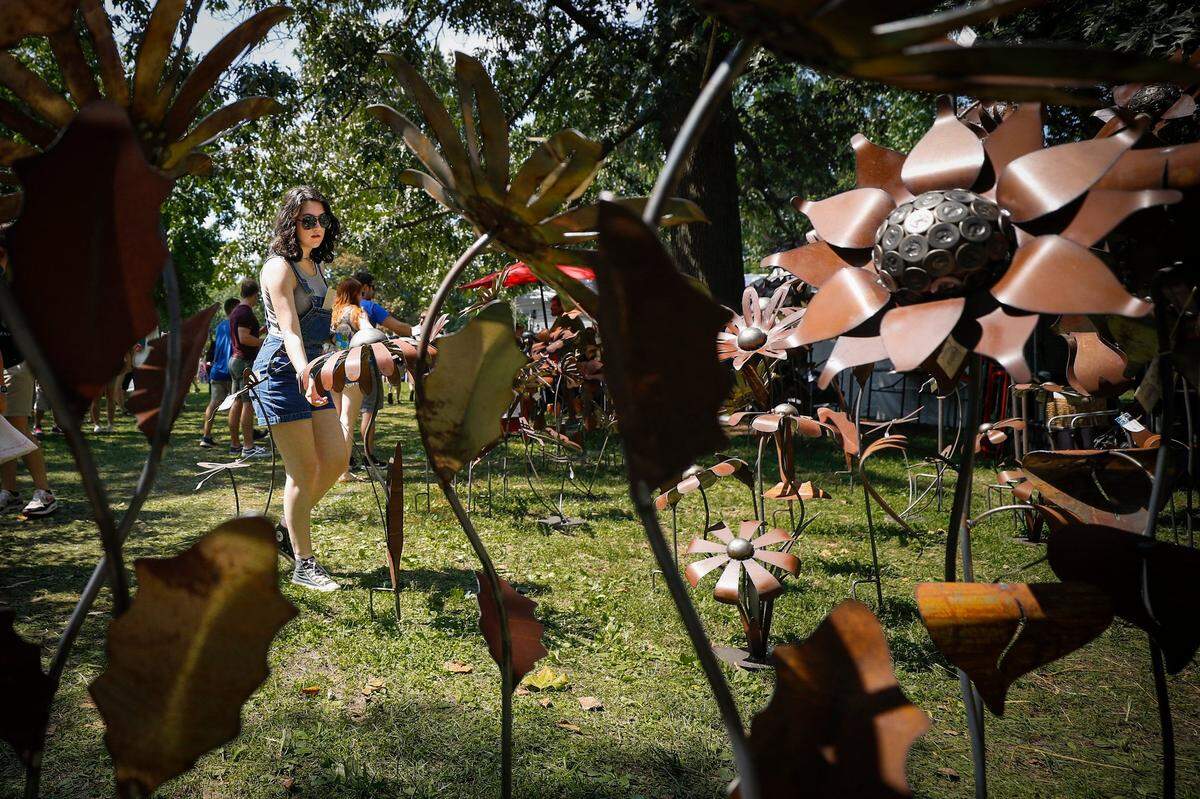
Fayette County voters will decide Nov. 5 if they want to pay a separate tax to fund capital projects for Lexington’s 100 parks.
The last time voters weighed in on a new tax was 2004, when they approved one to support Lextran, the city’s public bus service. The Lexington-Fayette Urban County Council voted unanimously in April to allow the parks referendum to be placed on the ballot.
Vote Yes for Parks, a group formed to back the new tax, says the city needs the money — more than $8 million, annually — to fund more than $123 million in capital projects outlined in an updated 2024 parks master plan.
The proposed tax is 2.25 cents for every $100 of assessed real property. That’s about $52.88 per year for the average homeowner, according to figures released by Vote Yes for Parks.
The city’s park system is very popular with residents, data shows.
A 2018 parks master plan showed 90% of Lexington residents use public parks. More than 57% of Fayette County residents visit or use parks at least once a month, the plan showed.
Tax referendums to support green space and parks tend to be successful, data shows.
The Trust for Public Land, a nonprofit, estimates that public referendums to fund parks have an 83% success rate.
Vote Yes for Parks has raised more than $268,637 for an education campaign to convince Fayette County residents to vote for the new tax. More than 100 groups and individuals and have signed on to the campaign. Some notable groups backing the effort include land use and conservation organizations such as the Fayette Alliance, Trees Lexington and the Trust for Public Land.
No organized opposition group to oppose the tax has been formed, according to Kentucky Registry of Election Finance records and leaders of Vote Yes for Parks.
What will it fund?
The tax will not fund the city’s entire parks department. The $8 million generated will go toward capital improvements in the parks — new athletic courts, trails, benches and other capital expenses. The operating budget for the parks department is around $27 million, city budget documents show. The operating money will still come from the city’s general fund.
The city has used more than $24.6 million in American Rescue Plan Act funding for a host of parks improvements, including the building of Cardinal Run North, a large, regional park off of Versailles and Parkers Mill roads which is currently under construction.
But the federal coronavirus relief money has now been exhausted.
Why not borrow or fundraise?
The city also bonds or borrows to fund park improvements. Borrowing costs the city money in interest rates, said David Lowe, who has spearheaded the ballot initiative.
Lowe said deferred maintenance is also costly. Despite the influx of American Rescue Plan act money, the costs for those improvements increased from $100 million a few years ago to $123 million in 2024.
“The impact of differed maintenance is that it’s very costly,” Lowe said.
Others have argued the city has been able to raise millions of private dollars for some parks and another tax isn’t needed. One of those projects includes Gatton Park on the Town Branch, which has raised $52 million for the 10-acre downtown park next to Central Bank Center and Rupp Arena. The park is scheduled to open in 2025.
Lowe said it’s not feasible to raise that kind of money every year for parks projects.
“Raising $8 million in private fundraising is a huge lift, and I would go as far to say that it’s not possible,” Lowe said.
Not every neighborhood can raise that kind of money, he argued. Having a dedicated tax “means fair and equitable parks across the city.”
But some residents are concerned about having another tax. Skyrocketing property values mean homeowners have already had to pay more taxes in recent years without property tax increases.
Lowe and others who have backed the new tax said the money generated will benefit more than just the parks system.
“Dedicated parks funding is so important because it impacts the community’s quality of life,” Lowe said. Better, safer and busy parks improves overall public safety, he said.
“It literally makes neighborhoods safer,” he said.
Alison Davis, of the University of Kentucky’s Center for Economic Analysis of Rural Health, is one of the supporters of the ballot initiative. Davis said great parks add to the quality of life, which employees are looking for, particularly post-COVID. Parks are also economic development tools, she said.
“Access to quality public parks is an important neighborhood amenity. So while industry leaders might not suggest that public parks are the number one reason why they select a location, supporting place-based development is critical for attracting and retaining workers,” Davis said.
Where do property taxes go?
The bulk of all property taxes goes to the Fayette County Public School System and the state. The city’s portion, which has not been raised in decades, is small.
Other property taxing districts include the Fayette County Health Department, the soil and water conservation district, and the Fayette County Cooperative Extension Service.
This story was originally published October 25, 2024 at 5:00 AM with the headline "Fayette County voters to decide on new tax for public parks. Here’s how much it would cost."