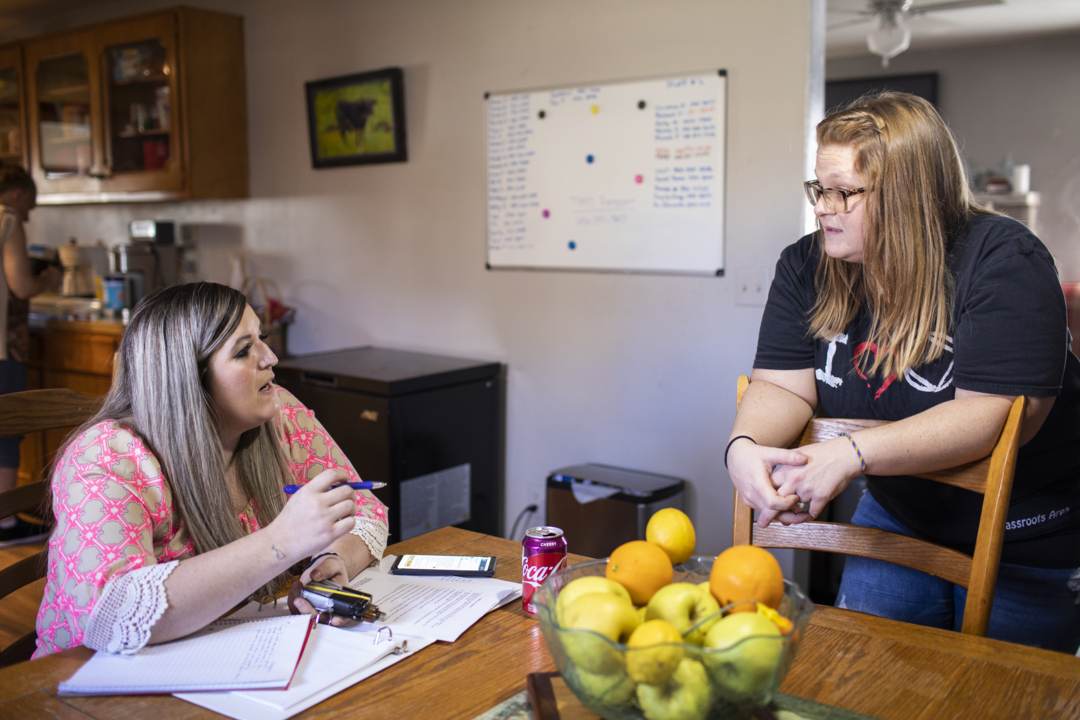
Why recovering from addiction can be especially challenging in rural KY communities
READ MORE
From relapse to recovery
After Megan Simpson graduated from Freedom House, a recovery center in Clay County, she struggled with finding a stable job and a recovery community. Then, she got a big COVID relief check. She found herself slipping back into addiction.
Expand All
Cell phone service drops and the road becomes narrower down North Highway 421 to Freedom House, a recovery center about 9 miles from downtown Manchester.
The Eastern Kentucky-based Freedom House is Volunteers of America’s fourth treatment facility specializing in pregnant women and mothers. The other three houses are in Louisville.
When VOA president and CEO Jennifer Hancock’s family was impacted by substance use disorder, she began to think about access to recovery care for rural Kentuckians.
She questioned: How do people seeking treatment get there? How do they bring their kids along to treatment? How do they maintain a relationship with their kids when they are 20 miles away with no transportation?
Lack of access in rural communities
In many rural areas, resources are often few and far between to get treatment and return to life after recovery. Sober living housing is scarce. Transportation is limited. Childcare is sparse. Broadband internet for telehealth appointments or for virtual recovery meetings is unreliable.
Matt Brown, Addiction Recovery Care’s senior vice president of administration, is from Inez and now lives in Louisa, where an ARC center is. He struggled with substance use disorder for 18 years. He considers himself fortunate to have a wife who stayed with him through his addiction, an education and a job. Some don’t have that support exiting substance use disorder treatment.
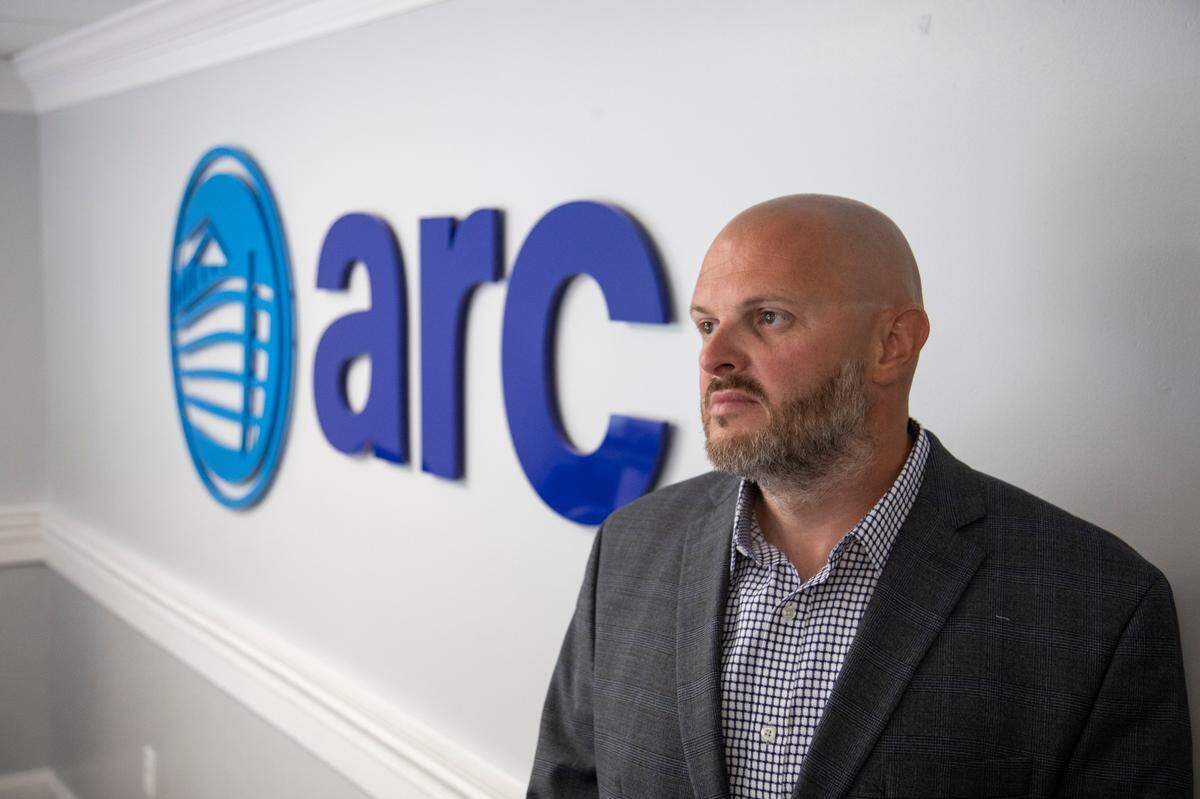
“What I know for sure is that people in both environments: many people don’t have all those stars aligned and they have a very difficult path ahead of them,” he said.
In rural areas, there are specific challenges, like lack of public transportation, or transportation in general, lack of provider options for counseling and addiction treatment sessions, childcare and jobs, he said. Also, there is a lack of anonymity in small towns, “Everybody knows everything,” he added
Aaron Brown, an assistant professor at Western Carolina University who researches improving access to evidence-based practices for addictions in rural communities, said a step care plan is the most ideal recovery model: medical detoxification, inpatient rehab and then a sober living facility with intensive outpatient, such as group and individual treatment. But in rural areas it’s not always realistic because of lack of services and health professional shortages, he said.
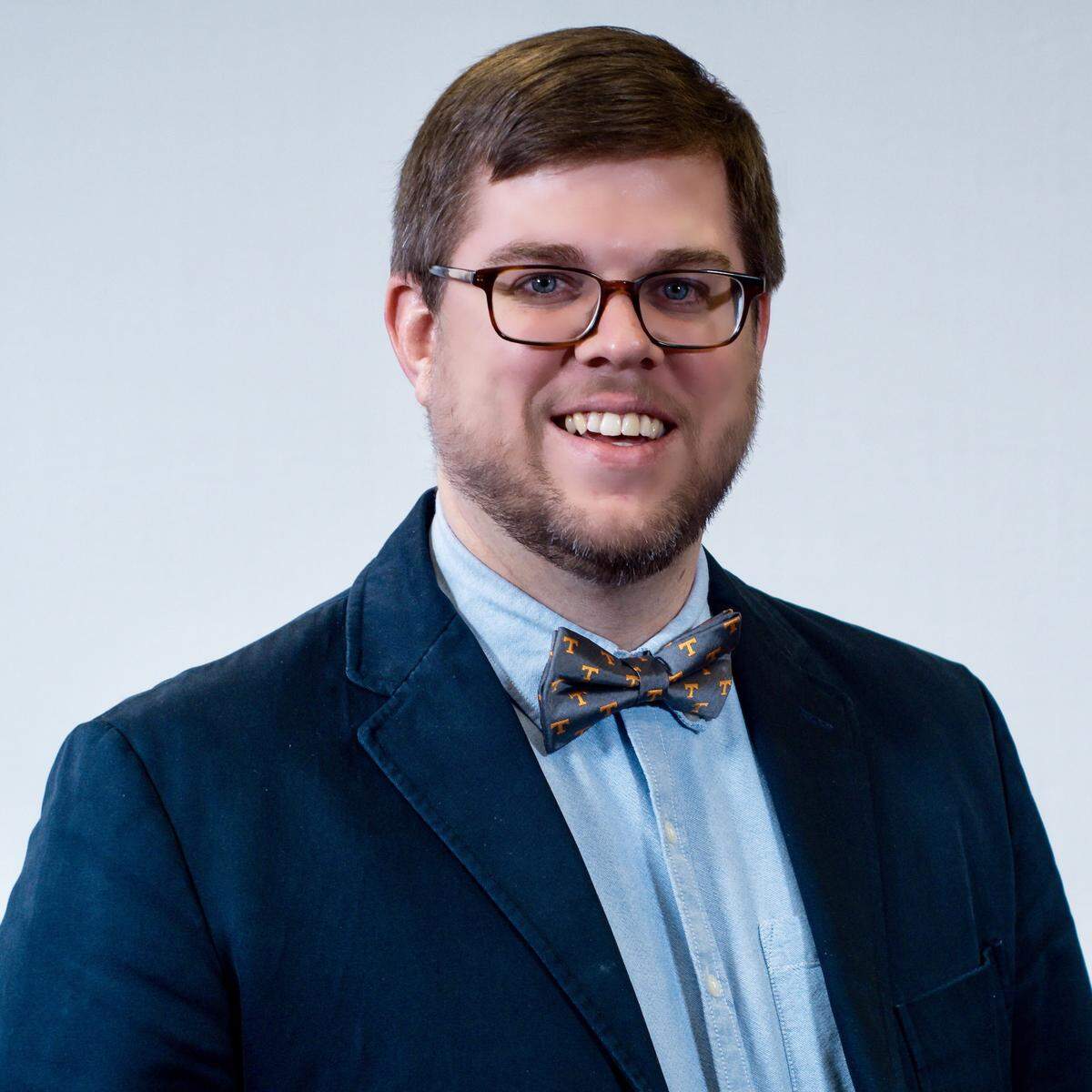
“The ideal recovery trajectory can be really hard for people, especially in rural areas, where they’re choosing between providing for their families or engaging in recovery,” he said.
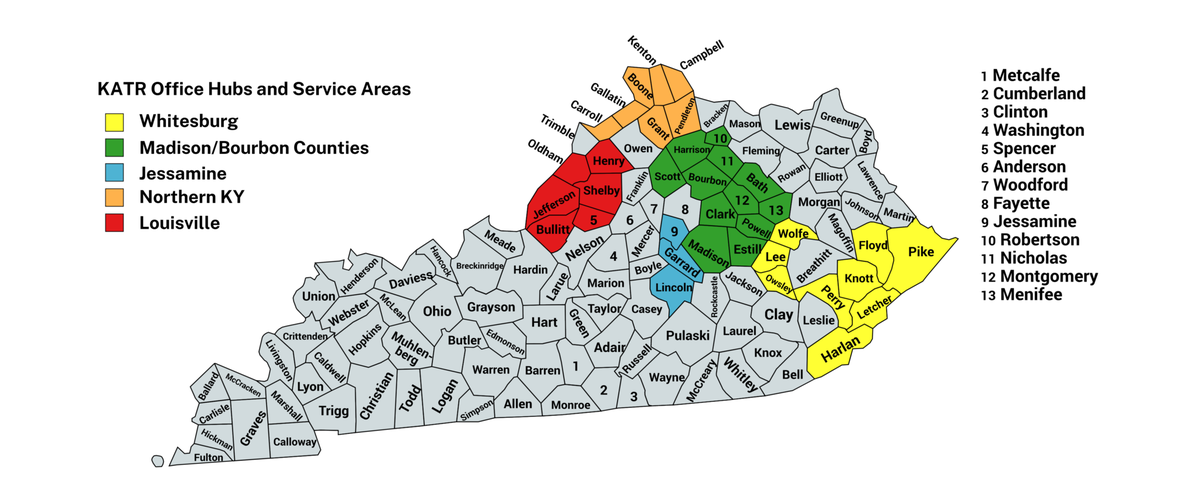
Aaron Brown, with Aubrey Jones and Jayme Walters, studied the Kentucky Access to Recovery program, which was launched in 2019 by nonprofit Federation of Appalachian Housing Enterprises, or FAHE, to assist individuals on the path to recovery. KATR connects participants recovering from opioid use disorder or stimulant use disorder to housing, childcare, dental care, transportation and other services. The program serves 37 counties.
Aaron Brown said KATR wants to address the practical needs of rural Kentuckians that prevent people from accessing recovery.
Setting up for success after treatment
Hancock is looking at additional ways the community can continue to help Freedom House clients after they graduate. She wants to establish more transitional housing, to set up a recovery shuttle to provide transportation to treatment, court and doctors appointments and to provide childcare opportunities.
Though a young organization in Clay County, VOA has built a recovery ecosystem. Its recovery community center saw about 300 people in 2021 seeking assistance for employment opportunities, getting a driver’s license, making amends with their family, attending a 12-step group and watching UK basketball games with others as a sober leisure activity.
It’s helpful to stay in a recovery community to help deal with cravings and withdrawals, Aaron Brown said. Narcotics Anonymous or step group meetings are valuable for people in recovery.
Matt Brown and Pat Fogarty, ARC’s senior vice president of operations, said having a meaningful career also helps keeps former addicts from relapsing. ARC’s motto is “crisis to career.”
“We realize that if people leave our care, and they’re not set up for success job wise that they’re going to have a difficult road,” Fogarty said.
In rural areas, there are fewer job opportunities, especially a meaningful career that has upward mobility, Matt Brown said.
Fogarty said both rural and urban clients seem worse off now compared to when they were going through treatment. Traditionally in addiction treatment, they would say, “We’re going to rehabilitate you,” but today’s clients have more past traumas, less education and job skills. At ARC, clients are taught job skills, soft skills and life skills. About 10 percent of the residential population at ARC, about 120 people, is pursuing a GED, and even more don’t have an high school diploma.
Aaron Brown said the types of jobs available and the benefits provided are more limited in rural areas. From his research on rural areas, good-paying jobs were often more taxing and didn’t always provide the option to take off work to participate in recovery opportunities.
The community benefits too
Helping those with substance use disorder is good for the community, Forgarty said. It stops the generational cycle of addiction and it solves Kentucky’s low workforce participation rates.
Hancock has seen the multi-generational substance use disorder firsthand at the Manchester Freedom House.
The first Freedom House client in Manchester to give birth to a healthy baby was offered to be injected with heroin by her mother in the delivery room. The client said no.
“That is such an example to me of how brave this mother was to break the family code of how you even live this life and to accept an opportunity to come into treatment with a bunch of strangers, with a new entity,” Hancock said.
This story was originally published March 24, 2022 at 10:24 AM.