‘Come get me. I’m scared.’ After years fighting addiction, rebuilding after another relapse.
READ MORE
From relapse to recovery
After Megan Simpson graduated from Freedom House, a recovery center in Clay County, she struggled with finding a stable job and a recovery community. Then, she got a big COVID relief check. She found herself slipping back into addiction.
Expand All
Editor’s Note: This is the second of two parts about Megan Simpson, her battle with addiction and journey toward recovery. Read Part 1 here.
Megan Simpson was beginning her new sober life after graduating from a recovery center in Manchester in April 2021.
Returning to Barbourville from Volunteers of America Mid-States’ Freedom House, a recovery center that specializes in treatment for mothers and pregnant women, was already challenging for Megan, a recovering opioid addict. Then, a new obstacle came her way, in the form of a windfall.
After a month, her mamaw Helen presented her two checks, totaling $8,000. They were her COVID-19 stimulus checks.
“It made me think ‘I could buy all kinds of drugs with this,’” she said.
Megan was still healing from an open heart surgery she had in March. She had been diagnosed with endocarditis, a heart valve infection resulting from her IV drug use. She was unable to lift heavier objects, so finding work to accommodate her was difficult.
She used the first stimulus check to buy toys and clothes for her sons Charlie, Sawyer and 1-year-old Jaxson. She also bought birthday presents for two of her sons: Charlie was turning 5-years-old, and Sawyer was turning 3-years-old.
Megan figured she could use the remaining money to buy drugs to sell. She was previously a big drug dealer in Barbourville, she said. Megan began selling meth.
‘Lit the flame’
Megan also struggled with finding a recovery community in Barbourville. She was surrounded by her family, including her three young sons, and fellow church members, but craved to talk to someone who understood the continued battles with addiction, like cravings.
A friend she used drugs with in the past reached out to her in July. She was looking for opanas, an opioid pill that is used to treat pain. Opanas, Megan’s drug of choice, were expensive, about $200 per pill, but her friend was willing to share.
“That lit the flame right there,” Megan said.
At first, she was only using opioids once a weekend. Soon, she was using once or twice a week. Then, she was using every day.
Megan sold enough to keep using every day, she said.
“But, selling turns to using, and then, it just goes down hill from there,” Megan said. “It’s no more selling, it’s just strictly using and then before you know it you don’t have the money to buy.”
Megan was spending $800 a day for opanas. The $8,000 in COVID stimulus money was gone quickly. She began looking for a cheaper option.
She found heroin.
A ‘careful addict’ and the dangers of heroin
Heroin had become more prevalent in Barbourville. Megan had used heroin before, but not often because in order to get heroin, it would require a two hour drive to Lexington, Richmond or Harlan. Pills and meth were more prevalent.
Being hooked on heroin felt like a bad dream, she said. She tried to dose herself: controlling how much she used and how often.
“When I realized I started waking up sick in the morning from being without it, I was like what have I gotten into,” she said. “I was so mad at myself. I was already at the point I couldn’t stop.”
Megan said she tried to be careful even as her behavior became more dangerous. She kept Naloxone, or more commonly known as Narcan, a medicine that rapidly reverses an opioid overdose, in her house and in her car. Heroin was much more dangerous than using pills and there had been back-to-back overdoses in Barbourville, she said.
“I thought I was a careful addict that could use and nothing would happen to me as far as overdosing,” she said. “I built such a high tolerance. I thought nobody has more of a tolerance than I do, I’ll be fine.”
In mid-August, Megan didn’t have money for an opana pill, so she bought heroin. The heroin she used looked different, she remembers. It was white, with some pink in it. She asked what the pink was. It was carfentanil mixed with fentanyl. Both are synthetic opioids with more potency than morphine.
The rise of overdoses caused by fentanyl
According to the 2020 Kentucky Overdose Fatality Report, the most recent report, more than 1,900 Kentuckians died from fatal overdoes, a 49% increase from 2019. The report stated the increase is attributed to the pandemic and the rise of illicit fentanyl. Of all the overdose deaths, fentanyl was detected in 70% of the cases in Kentucky and nationwide. Fentanyal, a synthetic opioid, is 80-100 times stronger than morphine.
With the rise of deadly fentanly, Freedom House, a recovery center that specializes in treatment for mothers and pregnant women, began looking to encourage their clients to stay at Freedom House and not exit the recovery program early, Volunteers of America Mid-States president and CEO Jennifer Hancock said.
Before, if a client was looking to exit Freedom House, the staff respected their decision.
“That was all fine until fentanyl got on the scene,” Hancock said. “If she leaves, she’s been clean for a period of time and she’s pregnant. She is very likely to overdose.”
Now, Freedom House staff has a call every morning to evaluate those who are at risk of leaving the recovery center and to prepare a strategy to incentivize them to stay.
‘Come get me. I’m scared.’
As soon as Megan injected the heroin, she fell straight over. Her lips turned blue. A friend rubbed her sternum, then used Narcan on her. She didn’t respond. Her friend used Narcan again on her.
“Being Narcaned, it was scarier than anything, even going through heart surgery and the thing was I didn’t even remember it,” she said.
Megan called her twin sister Morgan Simpson.
“Come get me,” she told Morgan. “I’m scared.”
Heroin was running rampant in Barbourville. Megan knew of at least seven drug dealers, a lot for a small town, she said. In a span of several weeks that summer, she watched five people die from overdoses in her hometown.
Megan told her sister she relapsed. Morgan already knew she had started using again. At that point, Megan had been using for two-and-a-half months.
Megan stayed with her sister that night.
The next day she went to Baptist Health Corbin to begin detoxing. She brought the remaining heroin she had with her to the emergency room and hid it in her purse. She went to a bathroom and got high for two hours. She couldn’t stand the idea of not being able to get high again, she said.
Withdrawing means hours of being very sick: puking, sweating and cramping. The mental effects outweigh the physical effects, she said.
“It’s just a bad feeling,” Megan said. “Even after I had the heart surgery. I would rather have the heart surgery than to go through withdrawal, that’s how intense they were.”
Back to Manchester
After withdrawing from heroin, Megan called Kenna Smith. Megan had been in jail with Kenna previously. She started a transitional housing program called Living Clean in Manchester.
Megan said Kenna asked her: “Have you had enough? Is it bad enough? You have to feel it, or you’ll go back to using.”
Kenna said she was waiting for Megan to call her. It was a red flag that Megan had relapsed because she had stopped responding to messages and calls.
“It’s that guilt and shame that eats me up,” Megan said. “It’s hard for me to be like that’s why I’m not answering. I don’t want to be dishonest when someone asks how I am doing. I’m doing great (when) I’m really not.”
It was now early September. It had been less than six months since she graduated from Freedom House. She was once again starting over.
‘I’ll never have this beat.’
The relapse made her reevaluate her recovery.
“I was the only one that relapsed (from the Freedom House graduates),” Megan said. “It made me feel like a big piece of crap. I don’t know. I guess what I learned from it is just when you get comfortable and think you got it beat, it’s downhill from there, because I’ll never have this beat. It will always be a progress that I need to work at.”
Megan wished she was more patient while at Freedom House. Graduating a month after her heart surgery was too soon, she said.
She also began thinking about her medicine-assisted treatment and what would be best for her recovery.
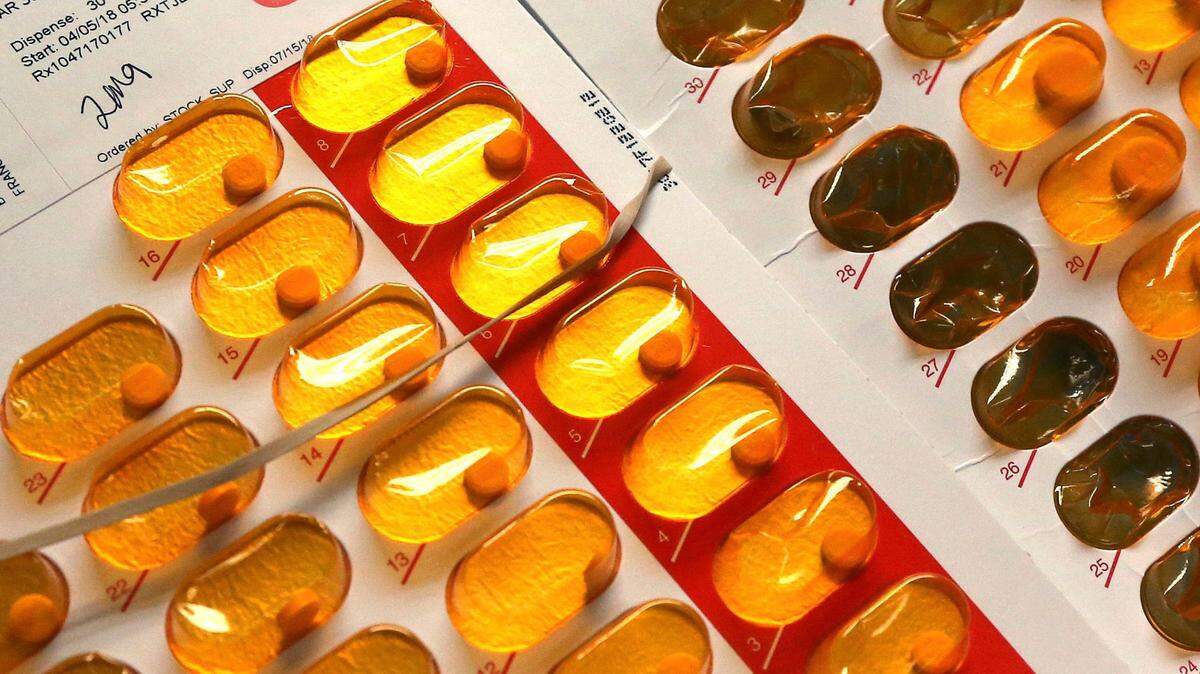
At Freedom House, Megan took Suboxone, a medicine to treat opioid dependence. It combines naloxone and buprenorphine, an opioid medication. It helps with withdrawal symptoms and cravings and is considered an opioid “blocker.”
Megan saw Suboxone as a way to be in control of her addiction, but it also gave her freedom. She could choose not to take it in order to feel a high the next day. She could also sell Suboxone to buy drugs.
Megan also took Sublocade, which prevents withdrawal symptoms, to help her detox once she started at Living Clean. She took Sublocade until November.
‘If you keep using, you’re going to die, Megan.’
At Living Clean, Megan worked to get back on track. Kenna knew what Megan was going through: she struggled with substance use disorder for 30 years, also in and out of jails and recovery centers, and she had endocarditis.
Kenna has now been sober for more than four years.
When Kenna finally got clean, she struggled with finding a recovery community in Clay County. The closest Narcotics Anonymous meetings were in Corbin or London, a 30-minute drive, and she did not have her driver’s license.
She started her own in Manchester. Once she saved up enough money to purchase a car she began transporting people to treatment.
She did outreach at Volunteers of America Mid-states Recovery Center.
“Everybody says that Kenna just about ran herself to death when she first got clean trying to help addicts just because it helped her stay clean,” Megan said.
For many years Kenna dreamed of opening up a sober living facility, even as she was personally dealing with her addiction. A year and a half ago she opened Living Clean in downtown Manchester. Helping out other addicts helps Kenna stay sober, she said.
“That’s what keeps me going is seeing them come here broken, like Megan I met her in jail and she was off the chain, but I still saw her potential,” Kenna said.
Kenna recalls telling Megan when she was leaving jail: “If you keep using, you’re going to die, Megan.”
Kenna was there when Megan was in the hospital for endocarditis and helped her get into Freedom House. She was there again when she relapsed last summer.
Working toward stability
“When I came here, I was mentally and spiritually broken inside,” Megan said. “You come here and you feel like you’re going to be judged from the relapse but all they wanted is for you to get back up and on the right track.”
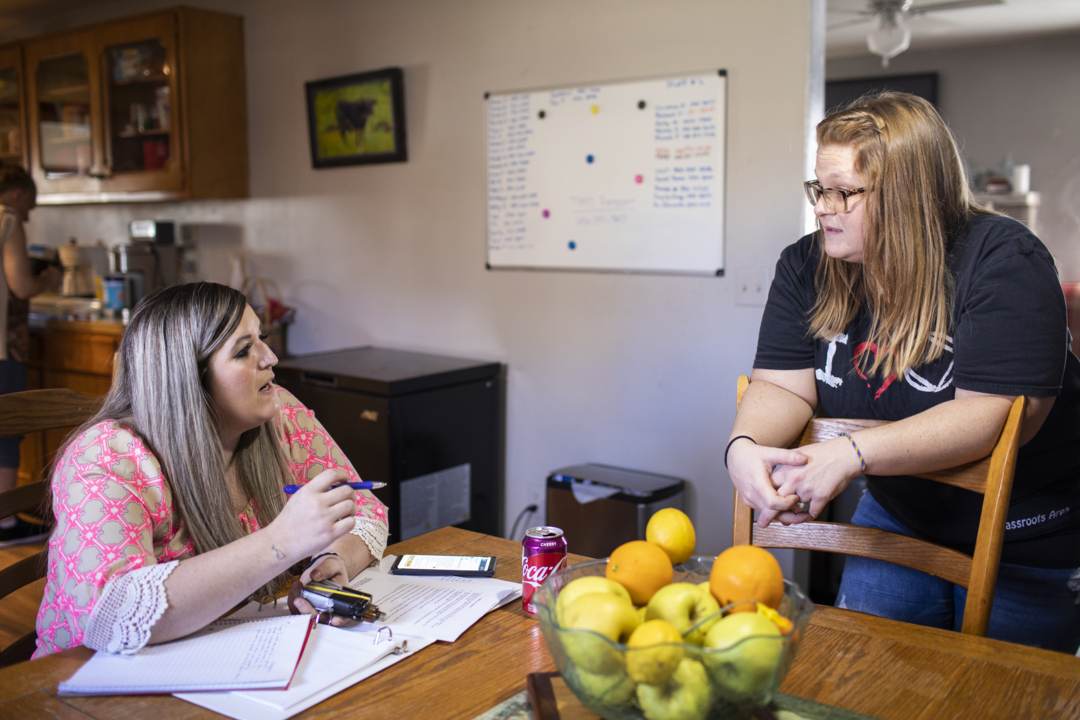
At Living Clean, residents are slowly given more freedoms. For example, after a month they can leave overnight, but the person picking them up must pass a drug test. They are able to work: Megan became the house manager in winter, helping with intakes and ensuring residents are doing their chores. She also attended peer support specialist training, which was her dream job.
Megan desired stability for her three sons. She was close to regaining custody of Charlie, Sawyer and Jaxson in September, but her relapse set her back. They were currently being raised by Morgan.
Morgan watched Megan battle with addiction for a decade. Morgan was rooting while she was on her path to recovery once again.
“I know it’s hard on her with my kids,” Megan said. “I know that’s why she gets snappy, because she gets overwhelmed with having to pick up my weight that I should be doing.”
Megan is missing her kids grow up and hit milestones. Jaxson is now talking, walking and running around. Sawyer, her 3-year-old, cries and asks when “Mommy is coming back from the doctor.”
Her fiancé Jamie Messer took the relapse hard, Megan said. He was finishing out his jail sentence for a parole violation from a drug trafficking charge and looking forward to being reunited with his son Jaxson and Megan’s other kids.
Both Morgan and Jamie expressed to Megan that they were just grateful she’s alive.
Megan is unsure about the impact the relapse had on her heart. She had blood work done after she entered Living Clean. She was showing signs of heart failure: her neck veins were bulging and she had splinters under her fingernails.
“I am a little bit scared of what’s going to happen, but what’s done is done, and I can’t change it,” she said.
‘Inner happiness and peace’
Megan had another health scare in January. She had pneumonia and was hospitalized. She was in a lot of pain.
Previously the first thing she would have asked for is pain medication, but instead she shared she was an addict and could not have any narcotics.
“That was a big deal for me — huge deal for me, because any other time I would have been like I have an excuse,” she said.
She also decided to be completely drug free — no more Suboxone or Sublocade.
Megan finished up her peer support training and passed her certification test. She started as a peer support specialist in Corbin at Choose Hope, a sober living facility, on March 14. In her role, she helps other addicts set goals and achieve them, which includes assisting them with finding housing, educational opportunities or a job, getting their kids back and going to court.
“I feel like a big thing that they do here is like help you achieve your goals. and get where you’re wanting to go,” Megan said. “They support you through everything.”
Jamie and Megan were reunited in February. She is scheduled to go to court in April to regain custody of Charlie, Sawyer and Jaxson.
“I feel like I have a plan and some stability coming,” she said. “That’s not what I had before. It was everyday questioning. Today, I have a routine, and I’m held accountable, and I can hold people accountable.”
Megan plans to put her recovery first: the only way she will be successful at sobriety, she said. She sees what she can achieve if she stays clean.
She once again has hope.
“I’m happy,” she said. “I have inner happiness and peace.”
This story was originally published March 24, 2022 at 10:21 AM.