
Yellowjackets behaving strangely in Eastern Kentucky. An insect scientist explains why
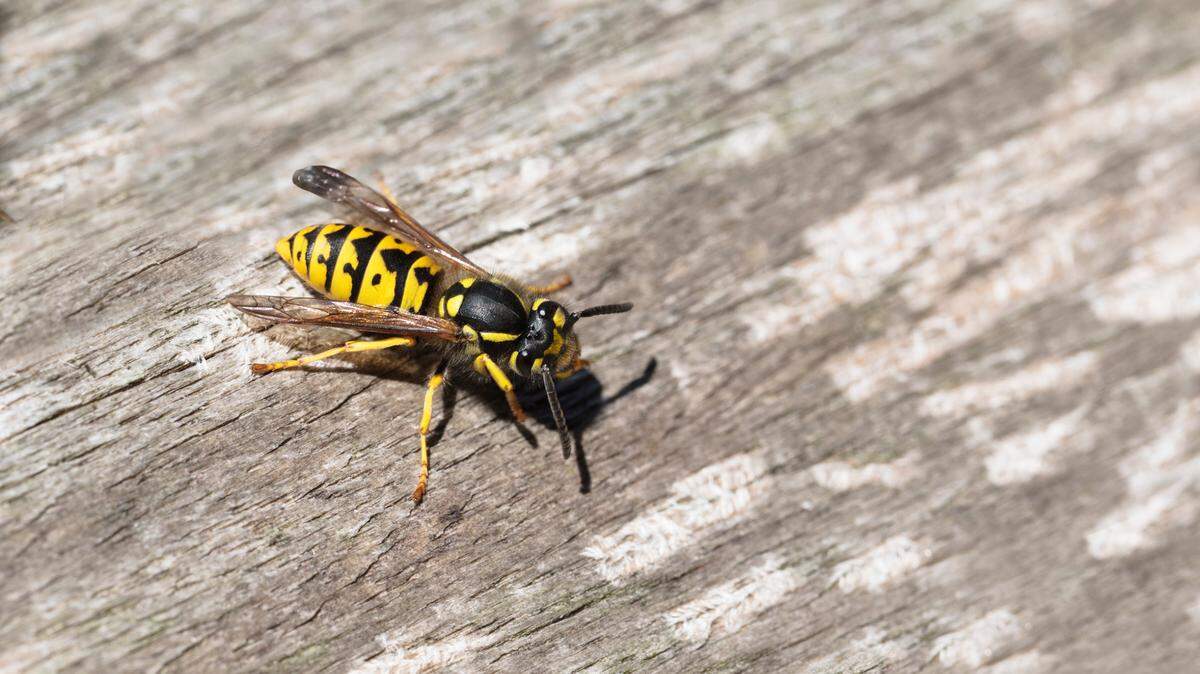
In recent weeks, University of Kentucky entomologist Jonathan Larson has been grappling with the same mysterious phenomenon again and again.
“We’ve been receiving a lot of inquiries about yellowjackets, particularly in Eastern Kentucky,” Larson, who provides insect expertise to the university’s Cooperative Extension Service, said in a recent webinar he gave on the topic.
Larson often fields questions from the public and news media about managing insects that trouble humans. He regularly offers tips for controlling the usual suspects: invasive Japanese beetles, pesky carpenter bees, disease-spreading and all too common ticks and others.
Lately, however, activity from yellowjackets — small, brightly colored wasps known for their painful stings and aggressive defense of their nests — has defied easy explanations, particularly when it comes to their increased numbers and tendency to appear in places they shouldn’t.
“Why are we seeing so many of these yellowjackets in Appalachia? What is the cause of this situation?” Larson posed in the Sept. 5 webinar, which was targeted toward extension agents across the state.
According to Larson, yellowjackets “by far make up the majority of stinging cases that we experience here in Kentucky. This is even in comparison to other stinging insects.”
In addition to the increased numbers Kentucky and other Appalachian states are experiencing this year, yellowjackets are normally much more aggressive in the fall, when they’re under pressure to find dwindling food sources before winter arrives. That often draws them to fall festivals, outdoor picnics, state and county fairs.
“Any venue that provides a lot of sugary material,” as Larson puts it.
Here’s a look at why this year is different for Kentucky’s yellowjackets, along with ways to keep them under control and avoid drawing them to your backyard.
What’s going on with yellowjackets in Eastern Kentucky this year?
There have been reports of increased yellowjacket activity this fall, including at the Jesse Stewart Nature Preserve in Greenup County, according to Kentucky Today.
To understand why, it helps to put yourself in the place of a typical yellowjacket worker tasked with meeting some crucial deadlines in the fall. During this time of year, workers must forage for dwindling food sources, not just for themselves, but to feed their newly developing queens.
If you’re a typical yellowjacket, your queen is everything. She represents your colony’s future and legacy. After the first hard freeze, your colony’s newly mated queens will be the only survivors, responsible for surviving the winter and establishing new colonies come spring.
“They need to protect those queens… This is the only way that their genetics go from 2024 into 2025,” Larson said.
As a consequence, if you happen to do some yard work this time of year and mow near a nest, you’re confronting a colony that is increasingly on edge. It’s easy to do given yellowjackets prefer to develop large nests in abandoned gopher holes, wood piles, dense vegetation or enclosed spaces.
This explains why yellowjackets may be more inclined to sting during this time of the year, but not their increased numbers. Multiple factors could be at work, and determining the precise cause is difficult, but Larson has one theory: warmer winters.
Pointing to data from the National Weather Service in Jackson, Larson notes some of the warmest winters on record for the area have occurred in the last few years.
“If we have these kinds of mild winters, it could ultimately mean that there are more queen yellowjackets surviving this cold period, and there’s more of them to found nests in the next spring,” Larson theorizes. “If we have successive years of more and more queens, unfortunately that could just mean almost a multiplicative effect.”
How do I keep yellowjackets out of my yard or get rid of them?
The best thing you can do is to avoid drawing them to your yard in the first place.
There are a few things you can do, including:
Don’t leave your trash cans open and overflowing with garbage. This is an easy source of food for a foraging yellowjacket. Instead, keep a tight lid on your trash, and if you have a dumpster near your business or home, consider keeping that cleaner or more secure than usual.
If you have a backyard compost pile, turn it regularly so yellowjackets don’t have easy access to food.
Look for cracks or openings around your home yellowjackets could use for nesting. Fill up those openings to keep yellowjackets away.
If you do happen to accidentally stumble upon a yellowjacket nest, it’s best to back away slowly the way you came. Do not swat or swing at the yellowjackets. The guards will alert the colony and rally it to attack.
If you have a yellowjacket nest on your property, Larson recommends using insecticidal dust or aerosol sprays. The latter typically works better because it can be sprayed at a distance without having to puff the dust into the nest yourself.
Alternatively, you can also buy or fashion a trap for yellowjackets. This is especially effective if you have a large infestation on your hands.
You can likely make a trap with what you already have around the house. Take a 2 liter bottle of soda, cut it in half and fill the bottom with sugar water or any kind of juice or soda. Flip the top half upside down and secure it to the bottom half of the bottle, creating a funnel down to the sugary substance. The yellowjackets will crawl down to take a drink, become trapped and eventually fall into the liquid, drowning.
Note: A previous version of this story used a photo that incorrectly identified a similar though different species of wasp as a yellowjacket. The story has been updated with an accurate photo.
Do you have a question about Kentucky critters for our service journalism team? We’d like to hear from you. Fill out our Know Your Kentucky form or email ask@herald-leader.com.
This story was originally published September 12, 2024 at 6:00 AM.